
Can You Get Married the Same Day in the UK? Here’s What You Need to Know!
If you’re wondering whether you can tie the knot on the same day in the UK, the answer is not as straightforward as you might hope. In the UK, you must give at least 28 days’ notice to get married legally. This notice period applies to both marriages and civil partnerships across England, Wales, Scotland, and Northern Ireland.
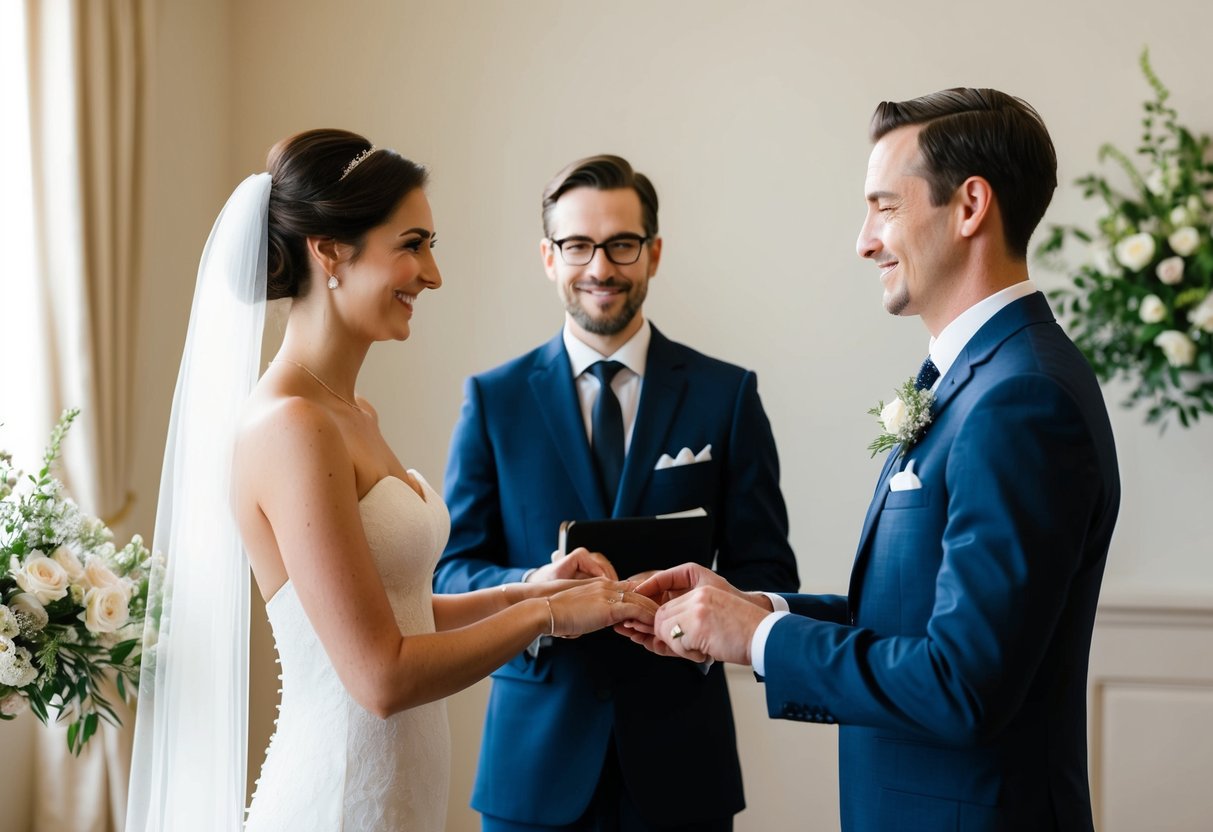
While there are ways to fast-track the process in certain situations, such as exceptional circumstances, it often involves additional steps or fitting specific criteria. In most cases, knowing the legal requirements and planning ahead is essential to ensure everything goes smoothly on your special day.
Understanding the process of getting married in the UK is important, especially if you’re eager to celebrate your love without delays. By preparing and knowing what to expect, you can ensure that your wedding day is as joyful and memorable as possible.
Legal Requirements for Marriage in the UK
Getting married in the UK involves several important legal requirements. This includes understanding the notice period, gathering necessary documents, and considering visa regulations if applicable.
Understanding the Notice Period
Before you can get married, you need to give a notice of marriage at your local Register Office. This notice must be done at least 28 days before your wedding date.
During this period, the registrar will display your notice publicly. This process allows anyone to raise concerns if they believe you cannot legally marry.
Both partners must have lived in England or Wales for at least seven days before giving notice. If you plan to get married in a religious ceremony, you should check additional requirements with your venue.
Documents and Evidence Required
When applying to marry, you will need to provide certain documents. Essential documents include valid passports or birth certificates for both partners.
You should also provide proof of address, like utility bills or bank statements, confirming where you live. A name change certificate or a gender recognition certificate may also be required if you’ve changed your name.
If either person is previously divorced, you must show the final decree absolute. This documentation helps establish your eligibility to marry legally.
Visa and Immigration Considerations
If you or your partner are from abroad, you need to consider visa regulations. You may need a fiancé(e) visa or a Spouse visa if you plan to stay in the UK after your marriage.
If you are an EU citizen with settled or pre-settled status, there are specific rules under the EU Settlement Scheme. Ensure you understand these rules, as they may affect your ability to marry in the UK.
The Home Office may require additional documentation, including evidence of your relationship. Checking all visa requirements well in advance can help avoid delays in your wedding plans.
Types of Marriages and Civil Partnerships
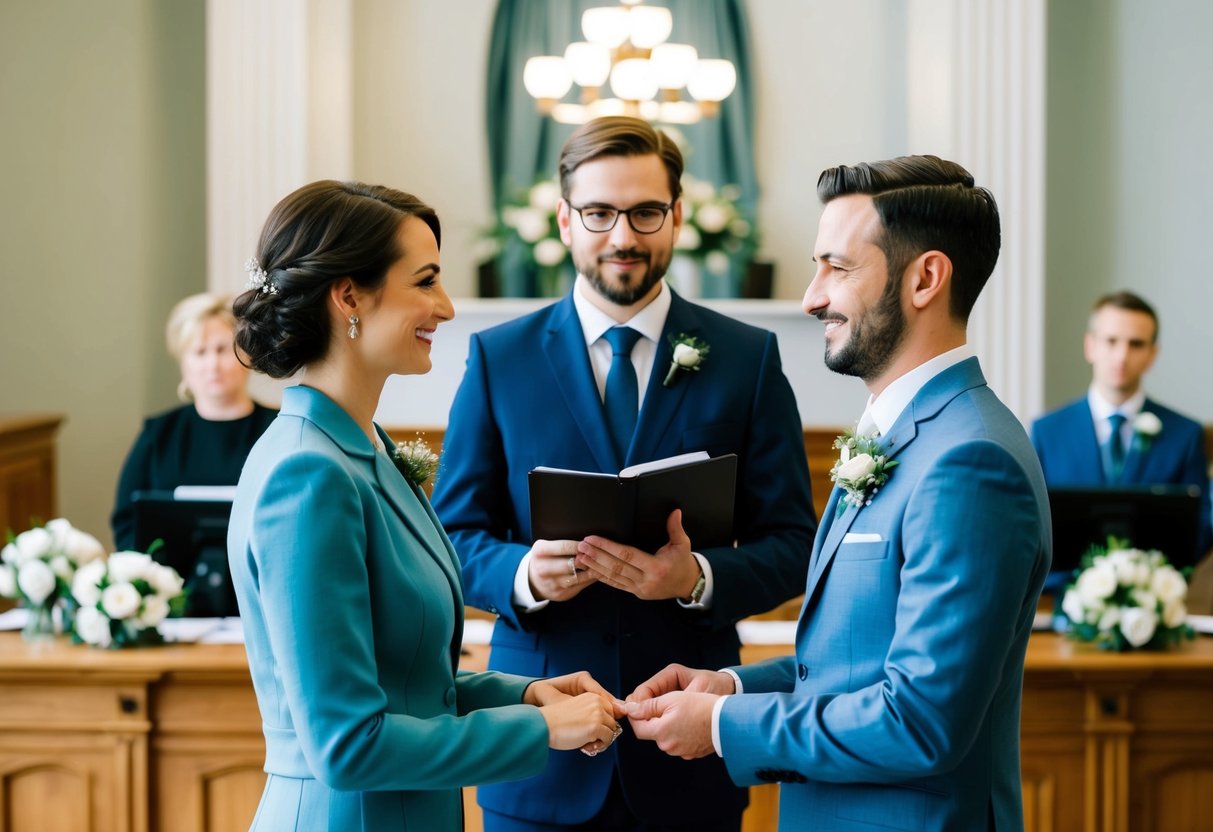
In the UK, there are different types of marriages and civil partnerships available to couples. Each type has its own unique features and legal requirements that are important to know before planning your special day.
Civil Marriage and Partnership Ceremonies
A civil marriage ceremony is held at a register office or an approved venue. This type of ceremony is non-religious and focuses on the legal aspects of marriage. It’s a straightforward option and typically involves signing the register to make the marriage official.
For couples opting for a civil partnership, this also takes place in a register office or an approved location. This option was established to offer legal recognition to same-sex couples. Civil partnerships provide similar legal rights and responsibilities as marriage.
Both ceremonies require you to provide specific documents and allow you to customize parts of the service, like readings or music, within limits.
Religious Marriage Ceremonies
Religious marriage ceremonies allow you to exchange vows in the context of your faith. You can choose a church, mosque, temple, or any place of worship that fits your beliefs. Each religion may have different requirements for the ceremony.
In England, for instance, Anglican churches offer a traditional setting for religious weddings. However, same-sex couples cannot marry in Anglican churches due to existing church rules. That restriction changes depending on your faith, so it’s best to check with the specific religious institution you choose.
Keep in mind that you still need to give notice of your intention to marry and meet legal criteria, just like for civil ceremonies.
Same-Sex Marriages and Civil Partnerships
Since the introduction of the Protection of Freedoms Act 2012, same-sex couples have had the right to marry and enter into civil partnerships. A same-sex marriage is similar to a traditional marriage but recognizes the union of two individuals of the same gender.
You can choose between a civil or religious ceremony, depending on your personal preferences and beliefs. While civil partnerships were the first legal recognition, same-sex marriages offer additional rights, such as the ability to adopt children.
Before the ceremony, you must provide necessary documents, just as other couples would. Make sure to check local laws and requirements to ensure everything goes smoothly on your special day.
Planning Your Marriage in the UK
Planning your marriage in the UK involves some important steps. You need to choose a venue, understand the role of the registrar, and know what happens after your ceremony. Each step is crucial to ensuring that your wedding day goes smoothly.
Choosing Your Venue and Schedule
First, decide where you want your ceremony to take place. You can choose a register office, which is a simple option, or a wedding venue that’s more personal or extravagant.
In England and Wales, same-sex couples can also marry in registered religious buildings. In Northern Ireland and Scotland, there may be different rules regarding venues, so check local regulations.
Be sure to book your venue well in advance, especially if you plan to marry during popular months. Confirm your schedule with the venue and allow enough time for the ceremony, as well as any additional celebrations you may want to have afterward.
The Role of the Registrar and the Marriage Schedule
A registrar plays a key role in your marriage. You must give notice of your intent to marry at your local registration office. This notice must be at least 29 days before your wedding.
During this time, you’ll sign the marriage schedule, which allows legal recognition of your union. After giving notice, the registrar will confirm your details and inform you about the ceremony procedures.
On your wedding day, a registrar will be present to officiate the ceremony and ensure that all legal requirements are met. Make sure you have all necessary documents ready for the registrar on your big day.
After the Ceremony: Marriage Certificate and Legal Changes
After your ceremony, you will receive a marriage certificate. This document is essential as it proves your marital status for various reasons, such as obtaining Irish citizenship or changing your name.
You will typically receive the certificate a few days after the ceremony, mailed to you afterward.
If you ever decide to end your marriage, understanding the legal process of divorce or dissolution is important. Keeping your marriage certificate safe is crucial for any future legal matters.
Unique Conditions in Different Regions of the UK
When planning a wedding in the UK, it’s important to know the specific rules in each region.
England and Wales
In England and Wales, you must give a notice period of at least 28 days before you can get married. This is a legal requirement that applies to everyone. Both same-sex and opposite-sex couples can get married.
Scotland
Scotland has a more flexible process. You can get married after just 29 days of giving notice. This is a great option if you want a quicker path to your wedding.
Northern Ireland
In Northern Ireland, you also need to give a notice period of 28 days. The marriage laws are similar to those in England and Wales. However, special arrangements may apply for some couples.
Clandestine Marriages
Clandestine marriages, where couples wed without proper notice, are illegal in the UK. These can lead to legal issues and complications with future family visas.
Understanding these unique conditions can help you plan your wedding more smoothly. Each region has its special rules, so make sure you check the requirements for where you want to marry. This will help you avoid any surprises on your big day!