
Can You Get Married Without Witnesses in the UK? Exploring the Legal Requirements and Alternatives
If you’re planning to get married in the UK, you might be wondering about the rules. In the UK, you cannot get married without witnesses. This legal requirement applies no matter the type of ceremony you choose. Whether you’re dreaming of a grand wedding or a simple elopement, having at least two witnesses present is essential to make your marriage official.
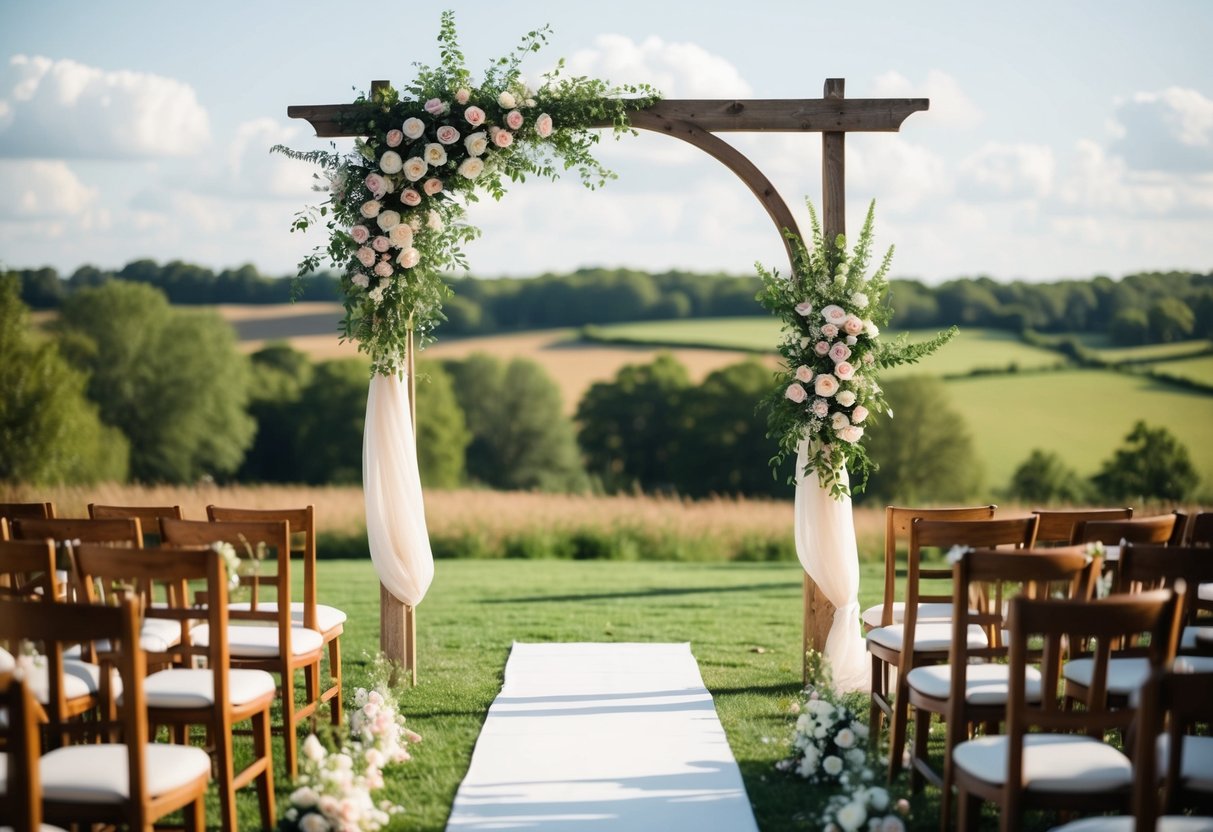
The presence of witnesses not only upholds the law but also adds a special touch to your day. They are there to support you and share in your joy. Knowing that your marriage won’t be legally binding without their help can influence how you plan your ceremony.
As you prepare for your big day, it’s key to understand all legal requirements involved. This will ensure a smooth and joyful experience as you take this important step in your life. Getting your witnesses sorted early can help make your wedding day stress-free and memorable.
Legal Requirements for Marriage in the UK
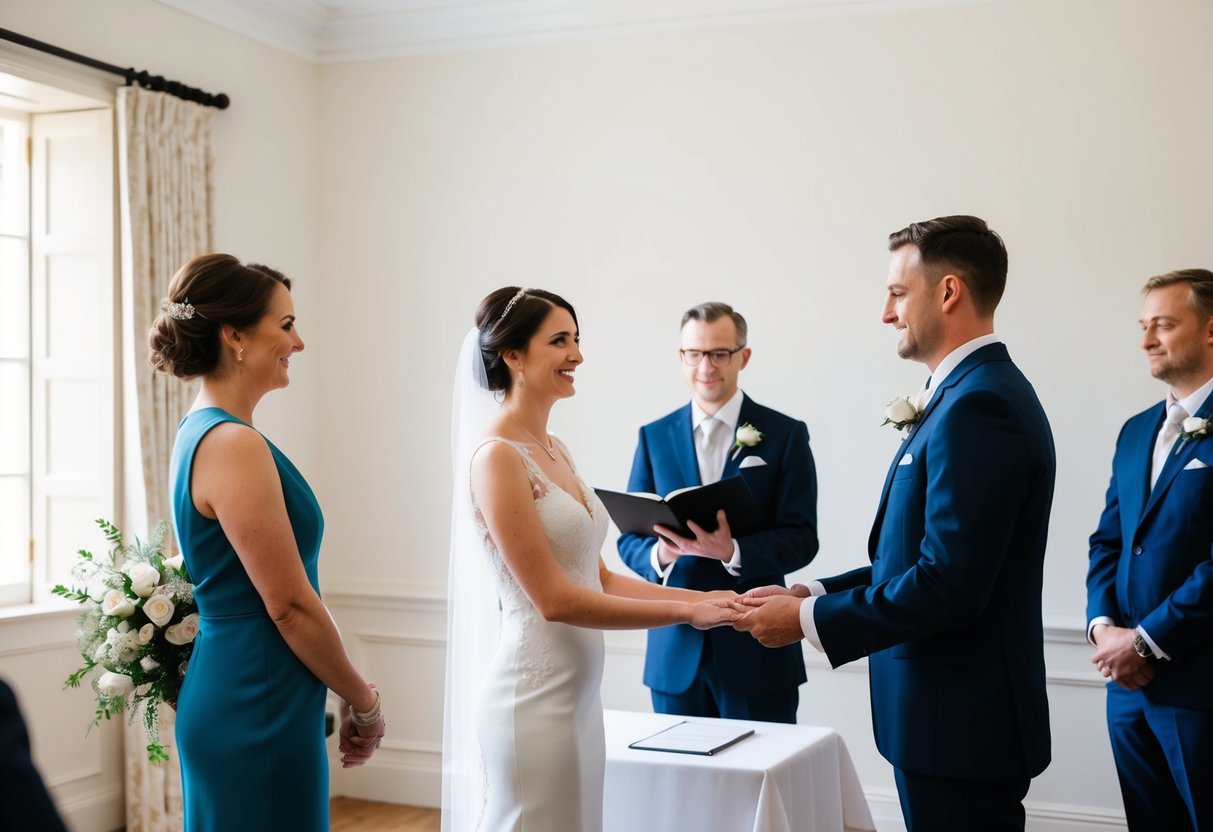
Getting married in the UK involves several legal steps. You need to understand the importance of witnesses, giving notice at the register office, and the required documentation. Each of these elements is crucial to ensure that your marriage is legally recognized.
Importance of Witnesses
In the UK, having witnesses at your wedding is a must. You need at least two witnesses present during the ceremony, whether it’s a civil ceremony or a religious one. This is important for the legal recognition of your marriage.
Witnesses help confirm that the vows exchanged are valid. Without them, your marriage cannot be legally recorded. It does not matter who your witnesses are, but they must be over the age of 16. This ensures that they can understand the significance of what they are witnessing.
Giving Notice at the Register Office
Before you can marry, you must give notice at your local register office. This involves informing them of your intention to marry. You need to do this at least 28 days before your ceremony.
Both partners must be present to give notice. You will have to provide proof of name, age, nationality, and address. It’s also essential that you meet residency requirements; you should have lived in England or Wales for at least seven days before giving notice.
Required Documentation
When giving notice, you will need various documents. This paperwork includes valid photo ID, such as a passport or driver’s license. You also need to show proof of your address, which can be a utility bill or bank statement.
If either partner is not a British citizen, additional documents may be necessary. This could include visa requirements and proof of residence. Documents proving your age, such as a birth certificate, may also be needed.
Make sure to gather all the necessary paperwork ahead of time. This can save you from delays in your plans. The registrar will help you understand what you need to bring along.
Types of Marriage Ceremonies in the UK
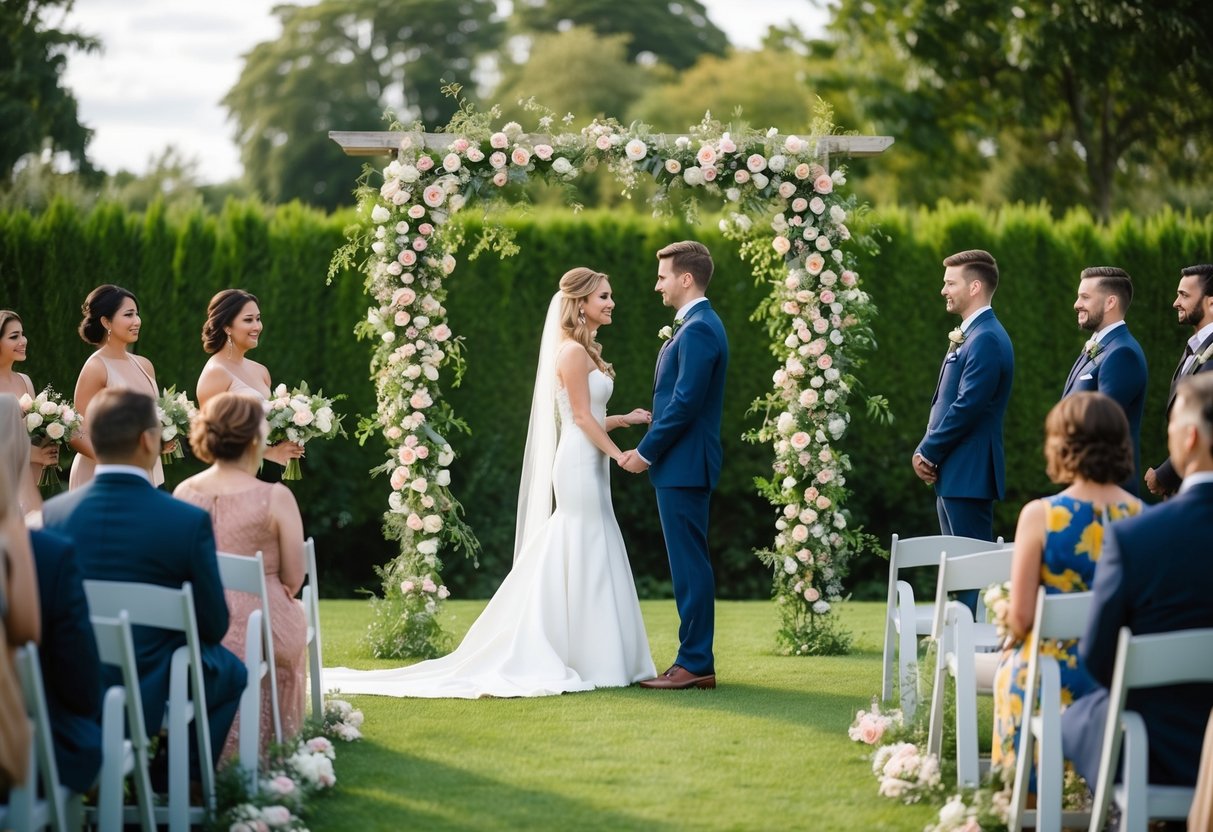
In the UK, there are various types of marriage ceremonies that cater to a wide range of preferences and beliefs. Whether you desire a simple civil ceremony or a more traditional religious wedding, understanding your options is essential.
Civil Marriage and Partnerships
A civil marriage is a non-religious ceremony conducted by a registrar. It can take place either at a register office or any approved venue. This type of marriage is available for both heterosexual and same-sex couples.
Civil partnerships also offer legal recognition to same-sex couples, similar to civil marriages. Both civil marriages and partnerships have specific legal requirements. You must give notice, and at least two witnesses must be present to make it official.
If you prefer a simple yet meaningful celebration, a civil ceremony may be the right choice for you.
Religious and Blessing Ceremonies
Religious ceremonies vary greatly depending on your faith. For instance, you can have a ceremony in a registered religious building, such as a church or synagogue. The Church of England and Church in Wales provide traditional weddings that include specific rites and vows.
Jewish and Quaker ceremonies also have unique traditions. In some cases, couples may have a religious wedding followed by a blessing ceremony.
These ceremonies often involve family and community, creating a rich and spiritual atmosphere. Be sure to check the requirements specific to your faith for a smooth process.
Ceremony Locations and Approvals
Your wedding location plays a significant role in the experience. Approved premises, which can range from hotels to stately homes, allow for civil ceremonies outside of register offices.
If you’re considering a religious venue, ensure it’s registered for marriages. Churches, synagogues, and other religious buildings typically require prior approval for your ceremony.
For those thinking about a destination wedding, look for venues that comply with local laws and accept your type of marriage. Always confirm availability and legal requirements ahead of time to make sure everything goes smoothly on your special day.
Marriage Without a Ceremony in the UK
In the UK, you cannot get married without a ceremony. This includes civil ceremonies and religious ceremonies. Both types require a formal setting to make your marriage legal.
If you’re considering skipping a big event, eloping might sound appealing. However, you still need to meet legal requirements. Even in a private ceremony, you must have two witnesses present for the marriage to be valid.
Same-sex couples have the same rules. Whether opting for a civil partnership or marriage, the legal requirements remain unchanged. You will still need those witnesses at your ceremony.
When you officially marry, you will sign the marriage register. This document is essential for your union to be recognized by UK law. Without the proper signatures and witnesses, your marriage isn’t legally binding.
If you’re looking for a simple way to celebrate, consider a small civil ceremony. You can hold this at a local council-approved venue. Remember, this still involves legal steps, including permission from the authorities.
Special Considerations and Exceptions
When planning a wedding in the UK, you might encounter special rules and situations that could affect your ceremony. Understanding these can help ensure everything goes smoothly.
Marriages by Special License
In some cases, you can obtain a special marriage license. This is particularly useful if you need to marry quickly or outside the usual waiting period. A special license means you don’t need to publish banns, which is the public announcement of your intent to marry.
For this license, you typically go through a local authority or church, like the Church of England or the Roman Catholic Church. Fees apply, which can vary, so check your local authority for specifics. A special license is great for elopements or quick ceremonies, allowing flexibility in timing and location.
Marriages for Non-UK Nationals
If you are a foreign national planning to marry in the UK, special rules apply. You might need a Marriage Visitor Visa, especially if you’re coming from outside the European Economic Area. This visa allows you to marry in the UK legally.
You’ll need a valid passport and proof of your intention to marry. If you’re planning to stay longer, other visas might be more suitable. Make sure to check the specific requirements for your nationality to avoid any last-minute issues on your big day.
Cultural and Traditional Elements
Many marriages involve cultural traditions. Whether you wish to honor family customs or include unique elements in your ceremony, it’s important to know your options.
For example, some couples may want to involve family members in the ceremony as witnesses or include meaningful symbols like good luck charms or traditional attire.
Understanding the local customs can enhance your experience. Some couples opt for practices like the receiving line or including unique entertainment like bagpipes during their wedding reception.
Always ensure that any cultural elements align with legal requirements to avoid complications later.