
Can You Have a Non Religious Wedding UK? Exploring Your Options for a Personal Celebration
If you’re considering tying the knot without a religious ceremony, you’re in luck. Yes, you can absolutely have a non-religious wedding in the UK. This option allows you to create a meaningful ceremony that reflects your beliefs and values, making your special day truly personal.
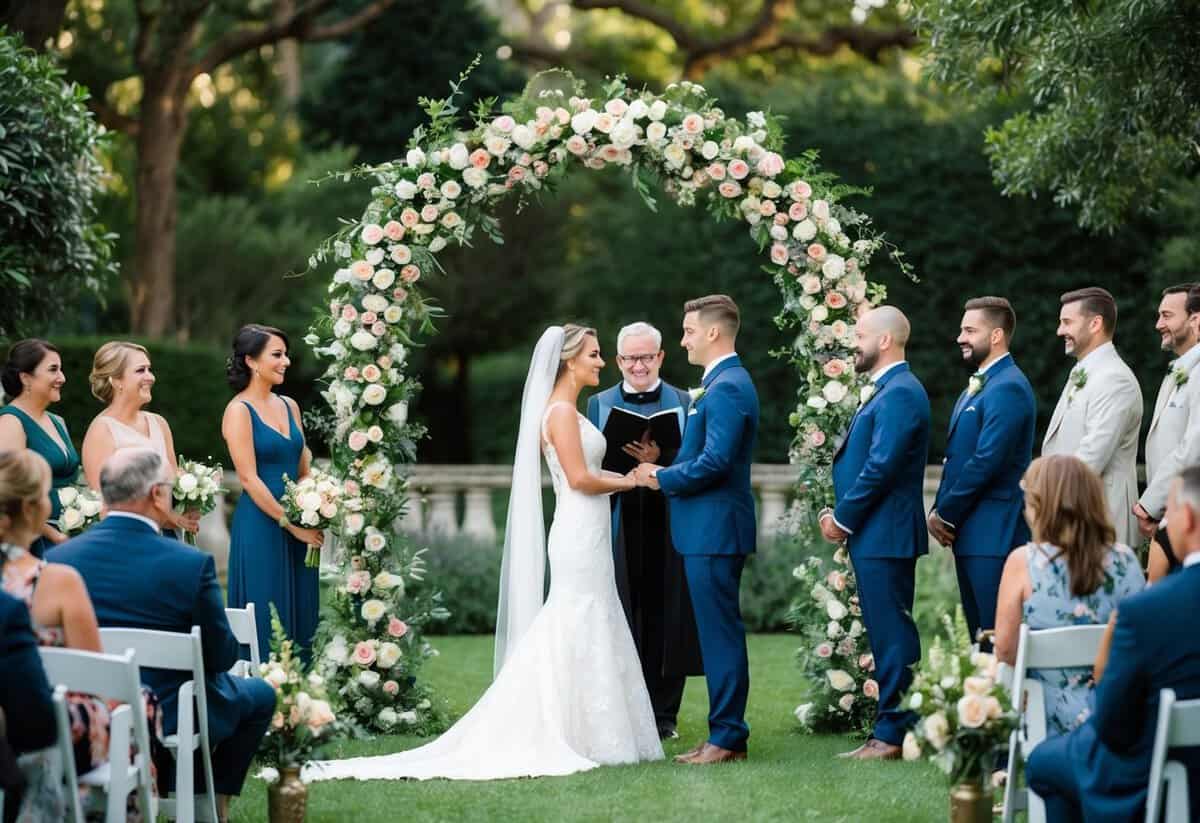
Many couples opt for a civil ceremony, which can take place at a registry office or a licensed venue. This flexibility gives you the freedom to choose the setting that feels right for you—whether it’s a beautiful garden or an intimate indoor space.
You can customize your civil marriage to include unique vows or special moments that resonate with you both, adding a personal touch to your wedding.
As you explore options for your non-religious wedding, think about what aspects are most important to you. From location to the style of the ceremony, you have the freedom to design a celebration that feels just right.
Embrace this opportunity to make your wedding ceremony a true reflection of your love and commitment.
Planning a Non-Religious Wedding in the UK
Planning a non-religious wedding in the UK can be a fulfilling experience. You have the freedom to choose your venue, select a celebrant, and understand the legal requirements that apply.
Choosing Your Venue
When selecting a venue, you have many options. You can consider a licensed venue, which is approved to host civil weddings. This can be anywhere from a beautiful hotel to a scenic outdoor location.
For a more traditional feel, you might want to book a registry office. These venues often provide a simple, elegant setting for your ceremony.
Be sure to check if the venue is licensed for the type of ceremony you want. Always book in advance to secure your desired date and collect any details about what the venue offers.
Selecting a Celebrant
Choosing the right celebrant is crucial for your ceremony. You may opt for a registered humanist celebrant or an authorised person who can perform non-religious ceremonies.
A celebrant will help design a ceremony that reflects your beliefs and personalities. They can guide you through creating vows and choosing readings.
Having a clear planning meeting with your celebrant ensures everything aligns with your vision. This will help ease any stress as your big day approaches!
Understanding the Legal Requirements
Familiarizing yourself with marriage law in the UK is important. Non-religious weddings primarily involve a civil ceremony. You typically need to give notice at your local registry office.
During the ceremony, a registrar will officiate. They ensure all legal elements are met. Alternatively, some people choose to have their ceremony performed by a humanist celebrant, followed by a separate legal registration process.
Make sure you understand these steps to avoid any last-minute issues. Discuss with your celebrant to ensure all legal aspects are covered.
Choosing Your Ceremony Type
When planning your wedding, it’s important to know your options. You can choose between a civil ceremony and a humanist ceremony, each offering a unique way to celebrate your love. If you are in a same-sex marriage, there are inclusive options to ensure your day is special.
Civil Weddings Explained
A civil wedding is a simple, legal ceremony. This type of wedding can take place at a registry office or a licensed venue. Civil ceremonies are non-religious and focus on the legal aspects of marriage.
To have a civil ceremony, you must give notice at your local council. Make sure to book your venue ahead of time. The officiant will guide you through the process, and you’ll exchange vows and rings to make your commitment official.
Civil weddings are popular because they can be tailored to suit your style. You can include personal readings or music to make it feel special and meaningful.
What is a Humanist Ceremony?
A humanist ceremony is another non-religious option that focuses on personal values and beliefs. This type of ceremony allows you to create a unique and heartfelt experience. The celebrant will work with you to design a ceremony that reflects your personalities and relationship.
Humanist ceremonies can include rituals, readings, and music that matter to you. Many couples choose to incorporate traditions like handfasting to add a special touch.
The key feature of a humanist ceremony is its emphasis on your beliefs and values. It is an emotional experience that celebrates love without any religious context.
Celebrating Same-Sex Marriages
In the UK, same-sex marriages are legal and enjoy the same rights as heterosexual marriages. You have the freedom to choose either a civil ceremony or a humanist ceremony for your wedding.
For civil ceremonies, speak to local authorities about specific inclusivity policies. If you prefer a humanist ceremony, many celebrants focus on celebrating love in all its forms.
Both options allow you to express your love authentically. You can choose meaningful rituals or readings that reflect your journey as a couple. Whether you opt for a civil or humanist ceremony, your wedding day can be a true expression of your commitment.
The Role of Witnesses and Officials
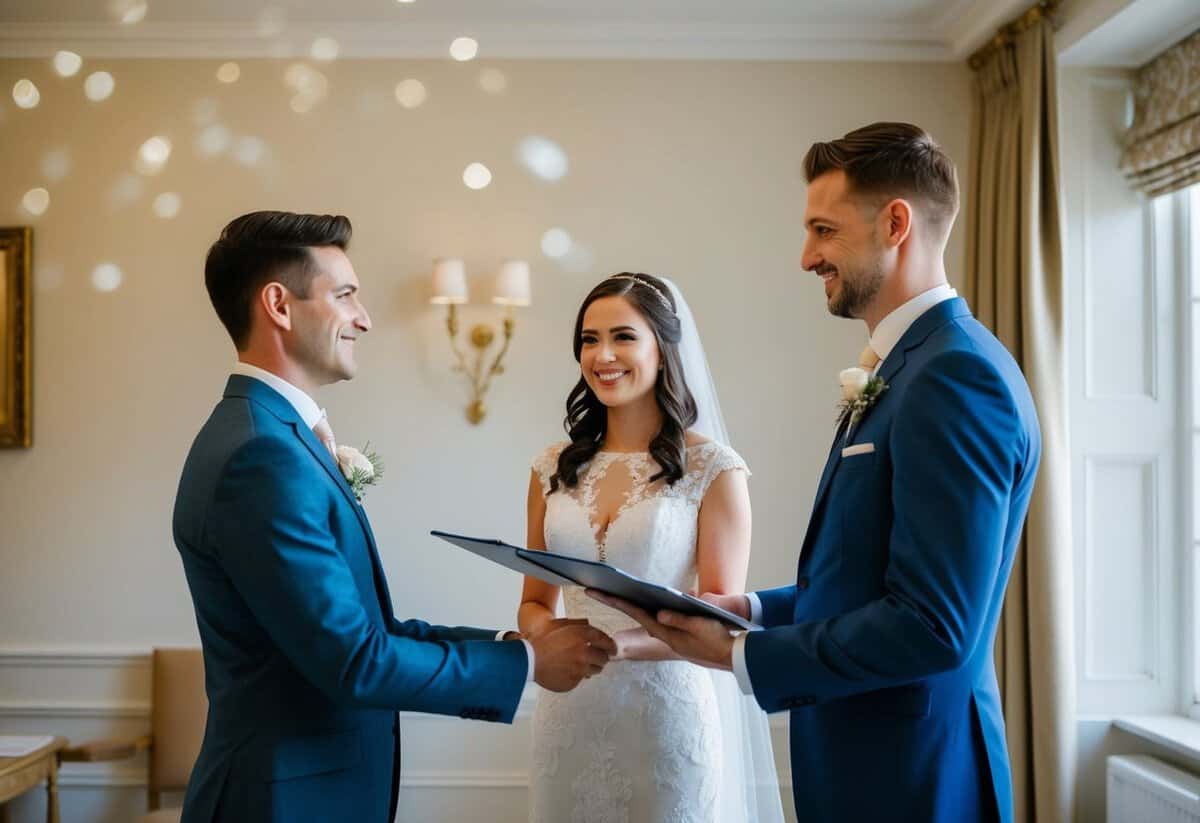
When planning your non-religious wedding in the UK, understanding the roles of witnesses and officials is important. These individuals help ensure your ceremony is legal and goes smoothly. Here’s what you need to know about each role.
Roles of Witnesses in Your Wedding
During your wedding ceremony, you need at least two witnesses to sign the marriage register. They must be over the age of 16 and understand what they are signing. Choose friends or family members who support your union.
Witnesses confirm that the marriage is valid. They must be present during the ceremony and sign the register afterwards. While they do not need to be involved in any other part of the ceremony, their role is crucial for legal recognition.
It’s also a lovely touch to involve people close to you, making the day feel even more special. Feel free to discuss the significance of their role in your wedding vows or speeches, adding a personal touch to your celebration.
Choosing an Authorized Person
To conduct a non-religious wedding, you must select an authorized person. This can be a registrar from a registry office or an individual from a licensed venue. Their job is to ensure the ceremony follows the legal requirements.
When choosing an authorized person, check their credentials. You can often meet with them before the event to discuss your plans and personalize the ceremony. Many venues offer a list of recommended registrars.
Remember to book your registrar in advance, as their schedules can fill up quickly. If you’re uncertain about making your choice, ask friends for recommendations or read reviews online.
Addressing Legal and Cultural Considerations
When planning a non-religious wedding in the UK, it’s important to understand the legal landscape and cultural acceptance. Key topics include local laws regarding ceremonies, the inclusivity of different types of weddings, and ongoing issues of discrimination.
Understanding Local and National Laws
In the UK, marriage laws can vary depending on where you are. For instance, in Northern Ireland, the legal recognition of non-religious ceremonies is limited compared to Scotland, where humanist weddings are recognized.
To legally marry, you must fulfill specific requirements, such as giving notice at your local register office. For a non-religious wedding, options like civil ceremonies or humanist weddings are available. Organizations like the British Humanist Association and Humanist Society of Scotland provide guidance on how to plan these ceremonies within the legal framework.
Inclusive Ceremonies for All Couples
Many couples want their wedding to reflect their personal beliefs and values. Non-religious options offer a chance to create a ceremony that feels right for you. Civil ceremonies can be held at various licensed venues, and humanist weddings allow you to personalize your vows without including religious elements.
Quaker weddings are another option, focusing on simplicity and equality. Regardless of personal beliefs, it’s vital to design a ceremony that is inclusive and meets your needs. Wherever you are in the UK, there are celebrants who specialize in creating meaningful non-religious weddings.
Challenging Discrimination
Despite advancements in marriage law, some couples may still face discrimination. Issues can arise when seeking to marry in specific venues that only recognize religious ceremonies.
The Law Commission has been discussing reforms to tackle these concerns, aiming for more equality.
While laws have evolved, there is still work to do. Awareness and advocacy play critical roles in challenging outdated practices.
Engaging with local communities and organizations can help push for acceptance. By voicing your experiences and being part of discussions, you can contribute to a more inclusive environment for all couples planning their weddings.