
Can You Have a Wedding Ceremony Without a Registrar? Understanding Your Options
Getting married is a big moment in your life, and you might wonder about the details of the ceremony. You can have a wedding ceremony without a registrar, but it will not be legally recognized. In many places, a registrar is needed to ensure that your marriage complies with legal requirements, including the signing of a marriage license.
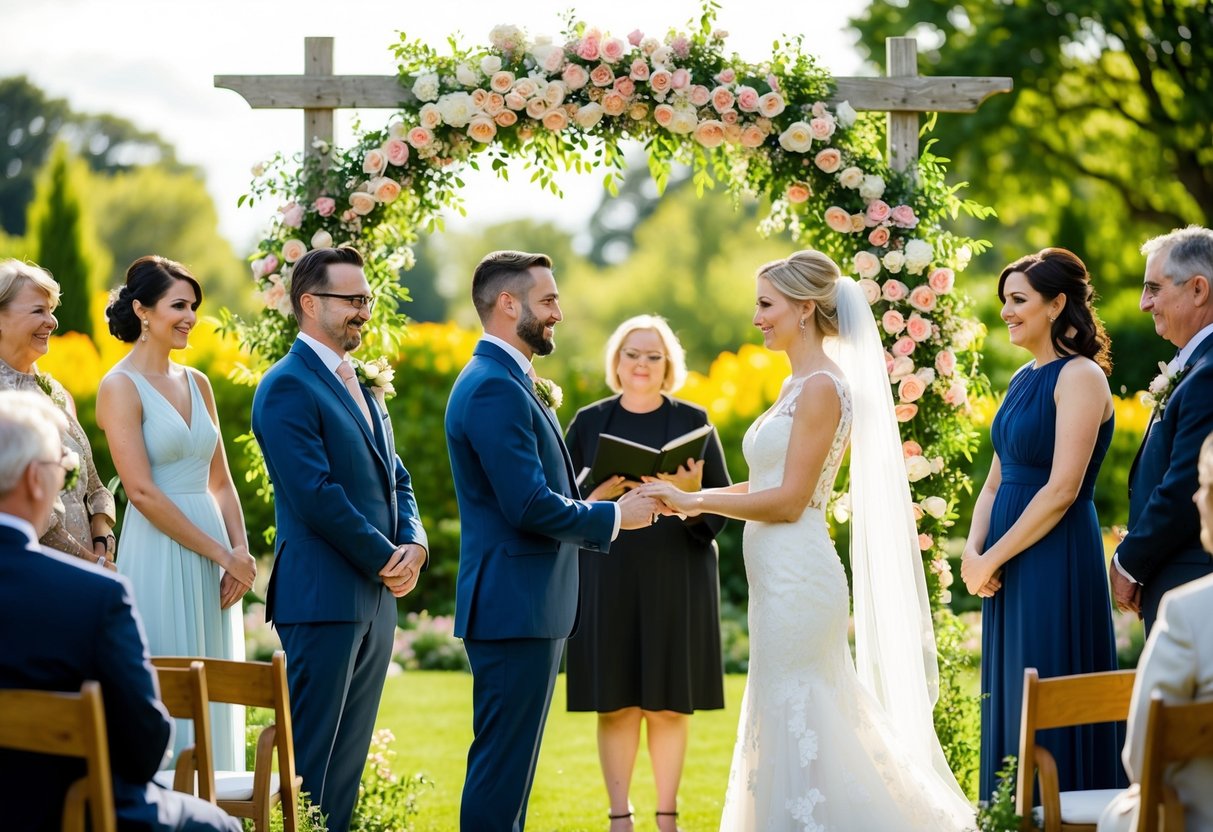
If you dream of a unique celebration, consider hiring a celebrant to perform your ceremony. They can create a personalized experience that reflects your love story, even if the legal side isn’t covered during the event. Just be aware that while it can be a beautiful occasion, it won’t have any official standing without the registrar.
Understanding the balance between a heartfelt ceremony and the legal aspects is key. Before you decide, make sure you’re clear on what is needed to make your marriage valid. With the right preparation, you can plan a day that is meaningful and memorable for you both.
Understanding Wedding Ceremonies Without a Registrar
When planning a wedding, you might wonder about the roles of different officiants. Understanding the difference between celebrants and registrars can help you make informed choices for your ceremony.
Distinction Between Celebrant and Registrar
A celebrant-led ceremony is often more personalized than a registrar wedding. Celebrants can create unique ceremonies tailored to your wishes, including specific themes or rituals that reflect your relationship. They are not government officials, so the ceremony itself is typically not legally binding.
In contrast, a registrar is a public official who conducts legal ceremonies. For a wedding to be legally recognized, it must be officiated by a registrar. This means if you want legal status, you must schedule an appointment and follow specific legal requirements. Celebrants offer flexibility, but for legal recognition, working with a registrar is essential.
Remember, if you choose to have a celebrant-led ceremony, you can still have a formal wedding later with a registrar if desired.
Planning Your Ceremony
When planning your wedding ceremony without a registrar, you’ll want to focus on a few key areas. Selecting the right celebrant, adding personal touches, and handling any legal paperwork are crucial steps to make your day memorable and meaningful.
Selecting a Wedding Celebrant
Choosing a wedding celebrant is one of the first steps in your planning process. A celebrant can help create a personalized ceremony that reflects your love story. Look for someone who understands your vision and values.
Questions to consider:
- What experience do they have?
- Do their ceremonies resonate with you?
- Can they accommodate any specific requests?
Meet with potential celebrants to discuss your ideas. Ensure they are comfortable with none or alternative legal paperwork. The right celebrant will make you feel at ease on your special day.
Incorporating Personal Elements
Adding personal elements to your ceremony makes it unique. Think about how you can include meaningful aspects that reflect your relationship and family.
Consider these ideas:
- Readings: Choose quotes, poems, or passages that speak to your journey together.
- Vows: Write personal vows that express your feelings and promises.
- Symbolic gestures: Incorporate rituals like handfasting, unity candles, or sand ceremonies.
Involving friends or family members as witnesses or participants adds to the beauty of the moment. Each personal touch will enhance the emotional connection during your ceremony.
Managing Legal Paperwork Separately
While you can have a ceremony without a registrar, managing the legal paperwork is still essential. To make your marriage legally recognized, you must obtain a marriage license.
Here’s what you’ll need to do:
- Research your local laws about marriage licenses.
- Obtain the necessary forms and documentation.
- Submit your paperwork before the ceremony date.
You may also need witnesses present during the signing. Make arrangements to have family or friends available to fulfill this requirement. Keeping legal matters separate allows you to focus on your love story during the ceremony.
Legal Considerations and Requirements
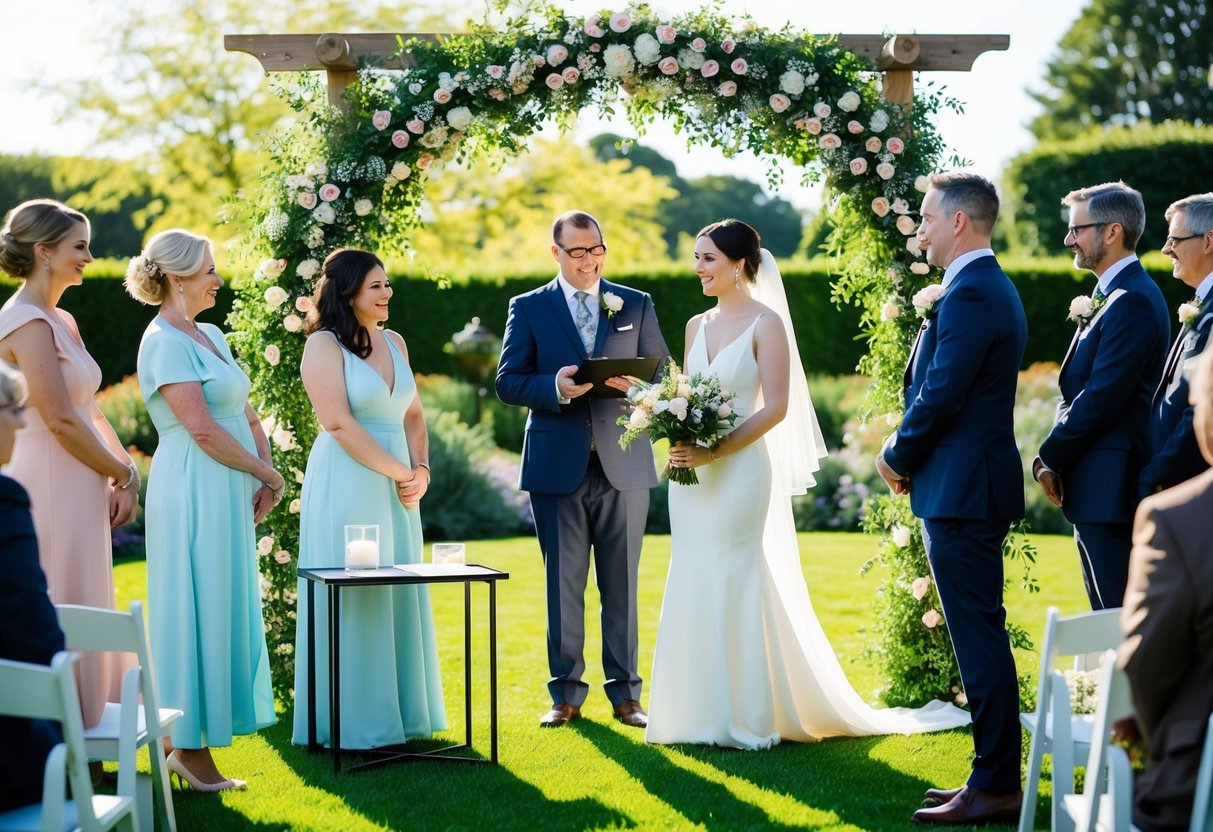
When planning your wedding ceremony, understanding the legal aspects is essential. This includes knowing the differences between a legal wedding and a celebrant-led ceremony, as well as securing the necessary legal documents.
Understanding Legal Wedding vs. Celebrant Wedding
A legal wedding typically requires a ceremony officiated by an authorized official, such as a registrar. This ensures that your union is recognized by law. In contrast, a celebrant wedding offers more personalization but may not be legally binding unless you follow specific local regulations.
A celebrant can create a heartfelt ceremony that reflects your beliefs and values. However, always check if you need to complete any legal steps afterward to make your marriage official. Both options have their charm, but understanding their legal implications is crucial for your marital status.
Securing a Marriage License and Certificate
Before your wedding, you must secure a marriage license. This license is a legal document that allows you to marry and is often obtained from a local registry office. Requirements can vary by location but generally include proof of identity, residence, and sometimes a waiting period.
After your ceremony, ensure that your officiant files the marriage certificate with the appropriate authorities. This certificate is your official proof of marriage. Without it, your wedding might not be legally recognized, leaving your marital status undefined. Therefore, it’s essential to follow all legal requirements to enjoy your new life together fully.
Special Considerations for Unique Ceremonies
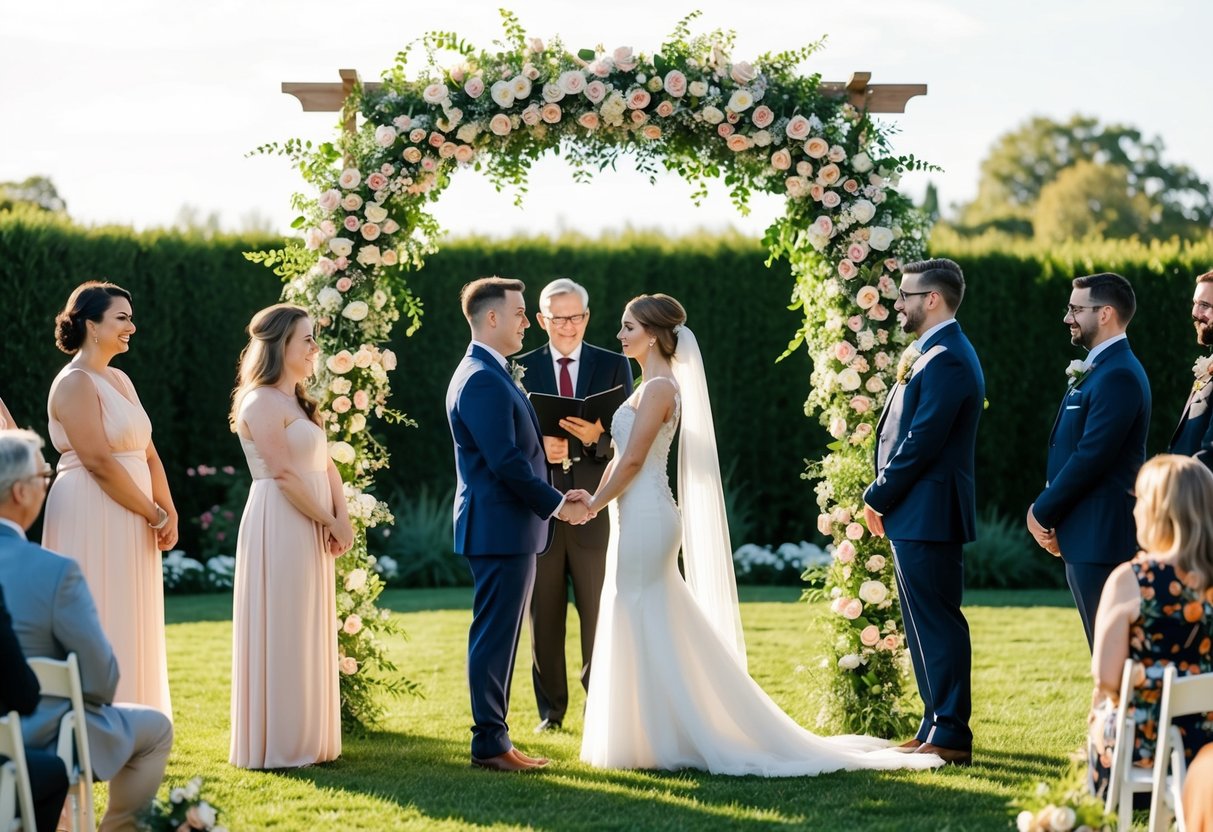
When planning a unique wedding ceremony, certain factors come into play. It’s essential to understand how destination choices, the style of ceremony, and cultural traditions can impact your special day, especially when a registrar might not be involved.
Destination and Travel-centric Weddings
Destination weddings are exciting and full of adventure. You might choose a beach, a historic castle, or a scenic mountain backdrop.
Before booking, check local laws regarding marriages. Some destinations require a registrar, while others may allow a self-uniting marriage.
Additionally, consider travel logistics for you and your guests. Make sure accommodations and transportation are accessible. Gathering feedback from friends and family can help avoid surprises and ensure everyone has a great time.
Elopements and Intimate Ceremonies
Elopements offer a personal touch and often require fewer legal formalities. Many couples choose to host an intimate ceremony with just a few loved ones.
In these cases, you might opt for a commitment ceremony that focuses on your vows rather than legal requirements. This allows for a more meaningful experience without strict regulations.
Be sure to discuss your plans with any involved parties, like officiants or witnesses, to ensure everything runs smoothly on your special day.
Cultural and Common Law Nuances
Your ceremony may be significantly influenced by cultural traditions. Many cultures have specific customs that may or may not involve a registrar.
In some areas, they recognize common law marriage. That means you may not need formal documentation to declare your commitment to each other.
Research the cultural practices relevant to your background. Understanding these beliefs can make your ceremony more meaningful while also adhering to any legalities in your location.