
Can You Have a Wedding Without It Being Legally Binding? Exploring Romantic Alternatives
Many people dream of having a beautiful wedding day, but not everyone wants the legal ties that come with it. You can absolutely have a wedding ceremony without it being legally binding. There are different options available for couples who want to celebrate their love without entering into a legal marriage.
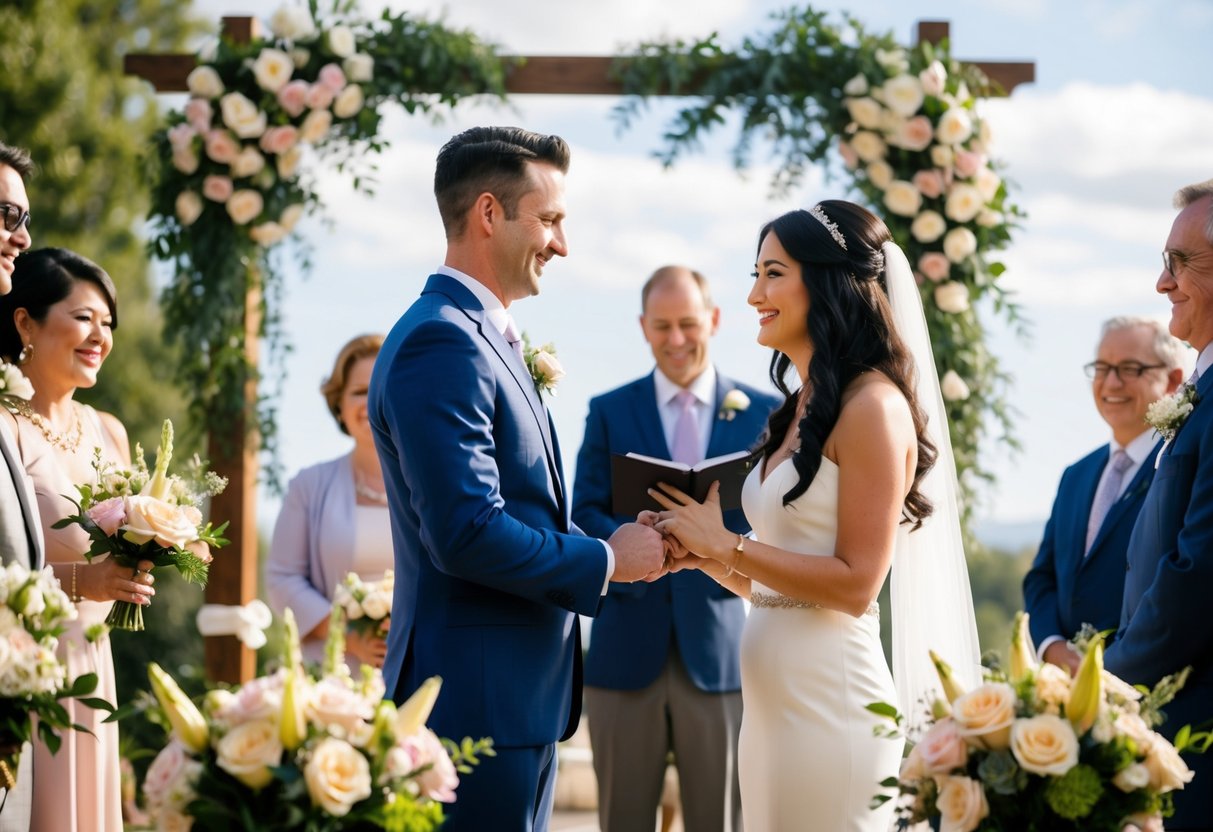
One popular choice is a commitment ceremony. This type of event allows you to express your vows and celebrate your relationship without involving marriage laws or obtaining a marriage license. It can be just as meaningful and special, focusing on the love and commitment you share rather than the legal paperwork.
Before planning your special day, it’s a good idea to understand the marriage laws in your area. Certain places recognize common law marriages, but these can vary greatly. Knowing what applies to you will help ensure your ceremony is just the way you want it.
Understanding Non-Legal Celebrations
Many couples seek ways to celebrate their love without the legal bindings of marriage. Non-legal celebrations such as commitment ceremonies and elopements allow you to express your commitment in a way that feels right for you, free from societal expectations. Here’s a closer look at these alternatives.
Commitment Ceremony Basics
A commitment ceremony is a personalized way to celebrate your love. Unlike a traditional wedding, it does not require a marriage license. These ceremonies can take many forms, from simple gatherings to elaborate events.
During a commitment ceremony, you can exchange vows and symbols of your love, such as rings or other tokens. This celebration allows you to focus on what matters most—your connection.
You might choose this option for personal reasons, like avoiding legal issues or adhering to specific beliefs. Such flexibility means you can tailor the ceremony to fit your values and desires.
Elopements and Informal Unions
Elopements are a popular choice for couples seeking an intimate celebration. Instead of a large wedding, you can opt for a private event, often in a beautiful location.
Destination elopements allow you to combine your love for travel with your vows. Whether on a beach, in the mountains, or at a charming city venue, the choice is yours.
Informal unions provide another option for those who value simplicity. You can have a meaningful celebration without the pressure of traditional wedding traditions. This allows you to focus on each other and the bond you are creating.
Cultural and Personal Significance
Non-legal celebrations hold deep cultural and personal significance. Many couples use these ceremonies to honor their beliefs and traditions while still declaring their love.
A commitment ceremony can incorporate spiritual elements, aligning with your personal beliefs. This creates a unique and meaningful event that reflects your journey together.
By embracing these options, you’re making choices that resonate with your values. Whether a commitment ceremony or an elopement, you create a moment that is all about you and your love.
Planning Your Celebration
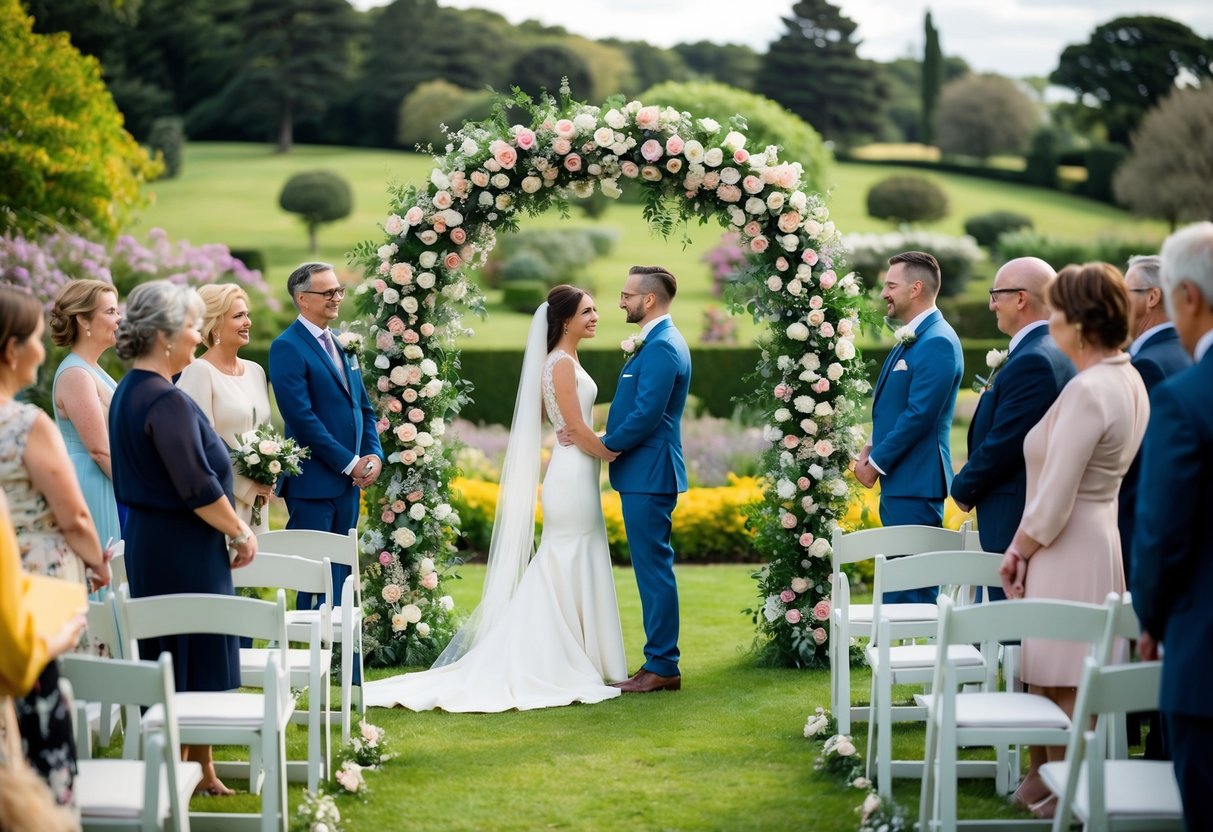
Planning a celebration that is not legally binding can be exciting and meaningful. You have the flexibility to customize your event to reflect your unique love story. Focus on your officiant, the ceremony design, and the event details to create a memorable experience.
Selecting the Right Officiant
Choosing the right officiant is a key step in planning your commitment ceremony. You can search for someone who understands your vision. This person could be a friend, family member, or a professional wedding officiant.
Questions to consider:
- Do they share your values?
- Are they comfortable with both the ceremony and your personal touches?
It may help to meet with potential officiants to discuss your ideas. Their input can guide you in creating a ceremony that feels authentic and true to your relationship.
Designing a Meaningful Ceremony
Your ceremony can include personal elements that highlight your love. Think about vows you want to exchange or if you want to add a unity ceremony. These symbolic gestures enhance the experience and emphasize the bond you share.
Consider incorporating:
- Personal stories that reflect your journey.
- Readings or poems that resonate with both of you.
- Music that holds special significance.
The key is to design a ceremony that is heartfelt and meaningful to you. Make sure every part, from the beginning to the end, resonates with your commitment to one another.
Organizing the Event Details
Now that you have a plan for the ceremony, focus on the event details. Think about the location, decoration, and how you will celebrate with your guests.
Important elements to plan:
- Choose a date and venue that fit your style.
- Decide on a theme for decorations that reflect your personalities.
- Plan for the wedding reception with food and activities that will engage your guests.
Don’t forget to create a timeline for the day. This helps ensure everything runs smoothly and lets you enjoy the celebration without stress.
Legal Considerations
When planning a wedding that isn’t legally binding, there are important legal aspects to consider. Understanding marriage licenses, legal rights, and the concept of common-law marriage can help you navigate your choices.
Marriage License and Certificates
A marriage license is a document required for a legal marriage. Without it, your wedding ceremony is not recognized by the law. Each state has its own regulations regarding marriage licenses. You should check your local laws to understand the specific requirements.
In some cases, couples opt for a commitment ceremony instead of a legal marriage. This type of event does not need a marriage license and focuses on personal vows rather than legal recognition. Remember, without a marriage certificate, you will not have the legal benefits associated with marriage.
Rights and Benefits of Legal Marriage
Legal marriage provides numerous benefits that you might miss out on with a non-binding ceremony. Married couples gain important rights, such as inheritance rights, tax breaks, and the ability to make medical decisions for one another. If one partner passes away, the surviving spouse usually inherits assets without complications.
Additionally, married couples can enjoy financial ties, which include joint health insurance and spousal social security benefits. These legal protections can make a significant difference in your financial and personal life, so it’s essential to weigh the advantages of marriage carefully.
Understanding Common-Law Marriage
Common-law marriage might be an option in some jurisdictions. This is when a couple is considered married without a formal ceremony or marriage license. To qualify, you usually need to live together for a certain period and present yourselves as a married couple.
Be aware that not all states recognize common-law marriage, and local laws vary. Couples in common-law marriages may have the same legal rights as those who are formally married, including inheritance rights and tax benefits. It’s important to understand the specific legal implications of living in a common-law marriage in your state.
Celebrating All Forms of Love
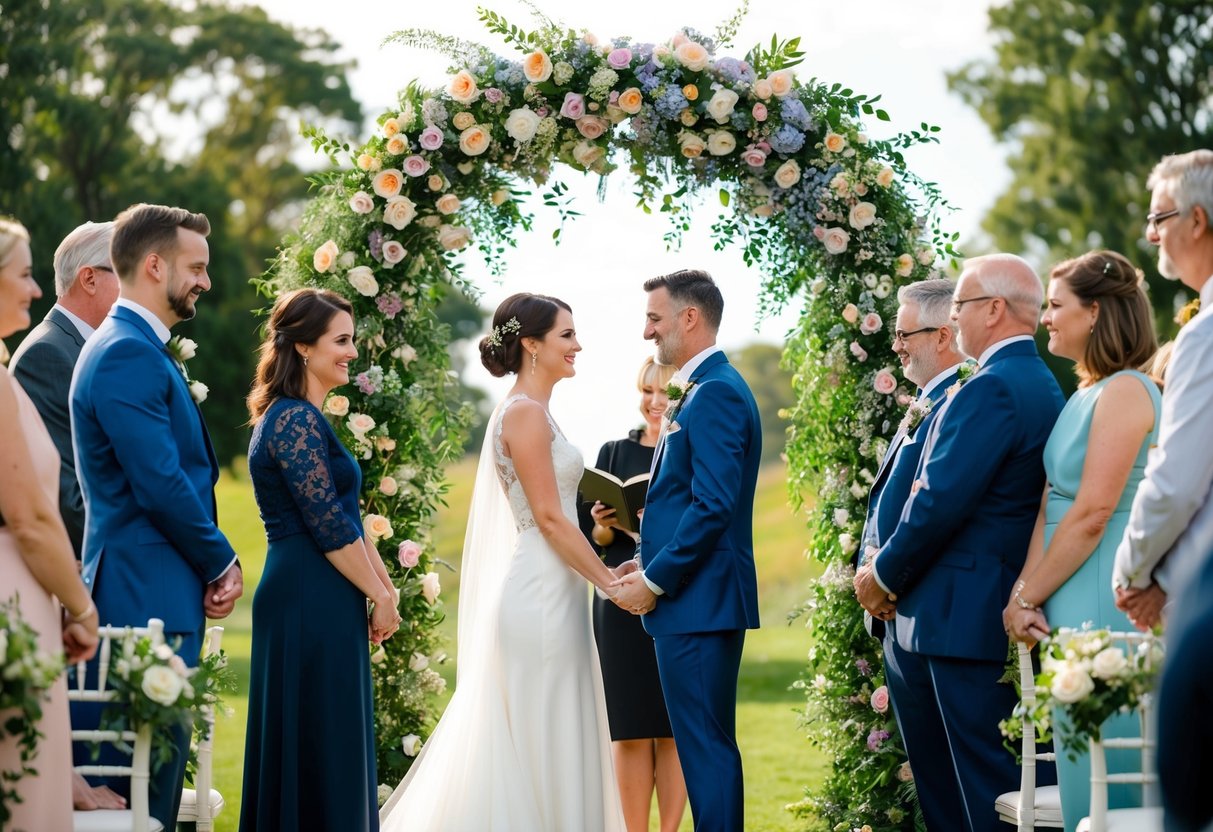
Love comes in many forms, and celebrating that love can be just as special without the legal binding of marriage. Whether through commitment ceremonies or alternative rituals, you can find meaningful ways to honor your unique relationship.
LGBTQ+ Commitment Ceremonies
For LGBTQ+ couples, commitment ceremonies provide a heartfelt way to celebrate your love and commitment. These ceremonies can be tailored to reflect your values and the depth of your relationship.
You can choose to include personal vows, readings, and symbolic acts like candle lighting or unity rituals. Many same-sex couples also incorporate traditions from their cultures.
These ceremonies are often held in meaningful locations, such as a favorite park or a family home, making them even more special. They allow you to express your commitment without the legal requirements of marriage, offering flexibility and creativity.
Alternative Rituals and Traditions
Many alternative rituals can be used to celebrate love beyond traditional marriage. One popular option is handfasting. This ritual involves tying a knot with cords to symbolize your bond. It has roots in ancient cultures and serves as a beautiful representation of your commitment.
You might also consider a civil ceremony at a courthouse, which can be simple yet meaningful. Self-solemnizing is another option available in some states, allowing couples to declare their vows without the need for an officiant.
No matter which alternative you choose, the focus remains on your love. Customizing these ceremonies can reflect your relationship, making your celebration truly unique.