
Can You Have Four Witnesses at a Wedding? Exploring the Rules and Traditions
When planning your wedding, you might wonder about the rules for witnesses. Different states have varying requirements about how many witnesses are needed for a legal marriage.
In many places, a wedding can indeed have four witnesses. However, it must still meet any specific state laws regarding signatures and documentation.
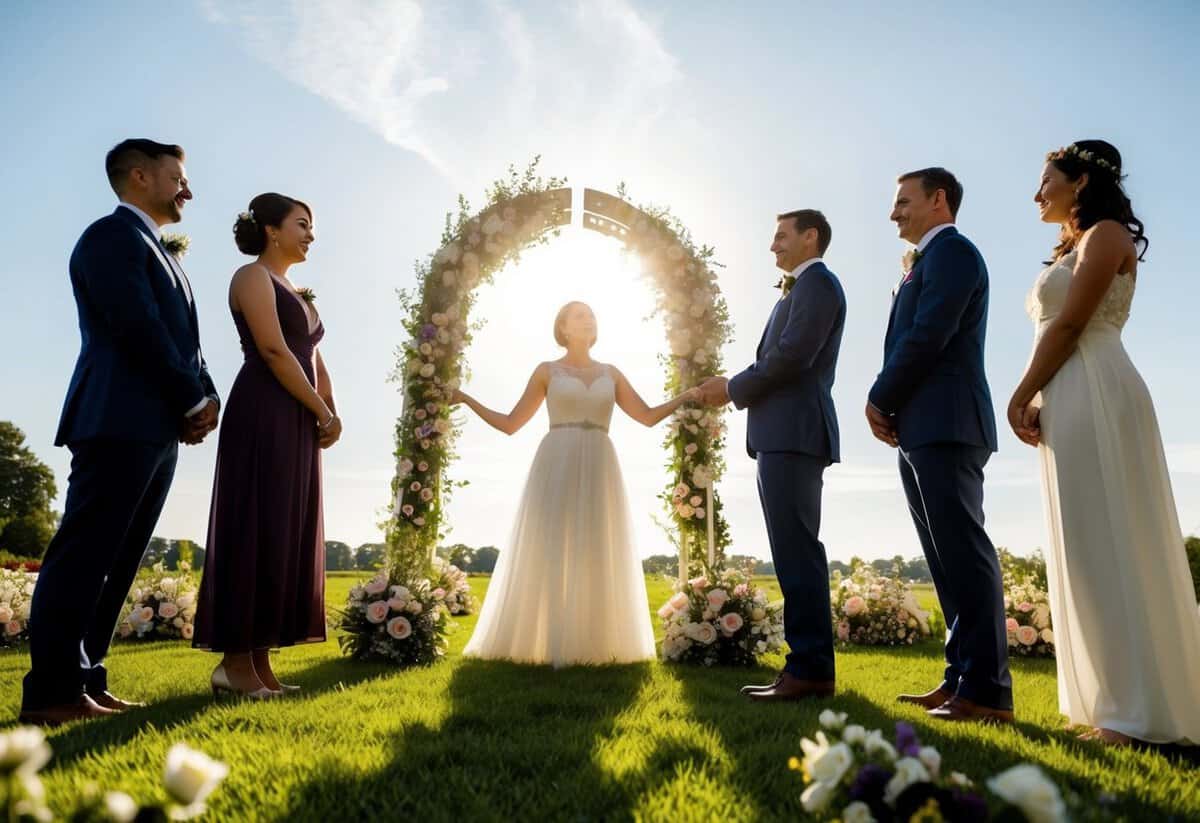
Understanding these requirements can help you create the perfect atmosphere for your special day. Imagine being surrounded by your closest friends or family members, all sharing in your joy. It’s a wonderful way to make your ceremony even more memorable.
If you’d like to learn more about the specifics and how to include additional witnesses in your ceremony, keep reading. You’ll discover the options available to ensure your big day goes smoothly.
Understanding Wedding Witnesses
Wedding witnesses play an important role in the marriage ceremony. Their involvement is not just a formality; it helps to make the union legally recognized. Here’s what you need to know about their roles and who can serve in this capacity.
Roles and Responsibilities
Witnesses are essential for legalizing your marriage. Their primary responsibility is to observe the wedding ceremony and sign the marriage certificate. This signature confirms that they saw the vows exchanged and that both parties agreed to the union.
Typically, you will need at least two witnesses, but some places allow for more. Depending on the requirements of your state or country, you might have up to four witnesses.
Remember, these individuals should be reliable and understand the significance of their role.
It’s important to inform your witnesses about their duties before the ceremony. This ensures they are prepared and helps the event run smoothly.
Who Can Be a Witness
You have some flexibility when choosing your witnesses. They can be friends, family members, or even colleagues. The key criteria are that they must be of legal age, which usually means at least 18 years old.
For example, while parents are often chosen as witnesses, siblings or close friends can also fulfill this role. They should be able to understand the ceremony and speak the language in which the wedding is conducted.
Unofficial witnesses can be present, but only the legal ones can sign the marriage certificate. Be sure you understand the specific requirements in your location, as these can vary significantly.
Legal Aspects of Wedding Witnesses
When planning your wedding, understanding the legal role of witnesses is essential. Witnesses can help ensure that your marriage is recognized by law. Here, we’ll discuss the specifics of marriage licenses and certificates along with the importance of witness signatures.
Marriage License and Certificate
To get married, you typically need a marriage license. This is a legal document that allows you to wed. The requirements for obtaining this license can vary by state.
Most states require at least one witness to be present when you apply for a marriage license. Some places even ask for the signatures of reliable witnesses on the marriage certificate.
A marriage certificate is issued after the wedding, documenting that the marriage took place. Your officiant usually files this certificate with the state. This process makes the marriage official. Be sure to check local laws to confirm how many witnesses are needed in your state.
Witness Signatures and Their Validity
Witness signatures are vital for the legal recognition of your marriage. When you have witnesses present at your ceremony, they confirm that both parties consented to the marriage willingly.
In most states, witnesses must be at least 18 years old. They should also be capable of understanding the process.
You can often have more than the required number of witnesses, but being aware of your state’s rules is crucial. Some states specify a minimum number of witnesses, usually one or two. Verify your state’s requirements to ensure your wedding goes smoothly.
Types of Wedding Ceremonies
When planning your wedding, the type of ceremony you choose can affect many details, including the number of witnesses you might need. Below are key considerations for civil and religious ceremonies.
Civil Ceremony Considerations
A civil ceremony is often more straightforward and secular. It usually takes place at a courthouse or public venue.
You may need at least one or two witnesses, depending on your state’s laws.
Many couples appreciate the simplicity of civil ceremonies. They focus on the legal aspects of marriage rather than religious traditions.
Typically, these ceremonies allow for flexibility in choosing additional witnesses—some locations permit up to four witnesses.
Before the ceremony, confirm the specific requirements with your local authorities. This can help ensure that everything goes smoothly on your wedding day.
Religious Ceremony Nuances
Religious ceremonies can vary greatly depending on the faith. Often, additional rituals or traditions are included, which might influence your wedding planning.
In most religious settings, a common requirement is having two witnesses. You usually need to choose adults, often at least 18 years old. However, certain denominations might allow additional witnesses.
These ceremonies sometimes emphasize community involvement. You may be encouraged to include family and friends who can support your union. Be sure to check with your officiant for any specific witness guidelines based on your religious context.