
Can You Just Turn Up and Get Married in the UK? Here’s What You Need to Know!
Imagine you want to get married in the UK without all the planning and fuss. You might think you can just walk into a registry office and tie the knot right away. However, you cannot just turn up and get married; you must meet specific legal requirements first.
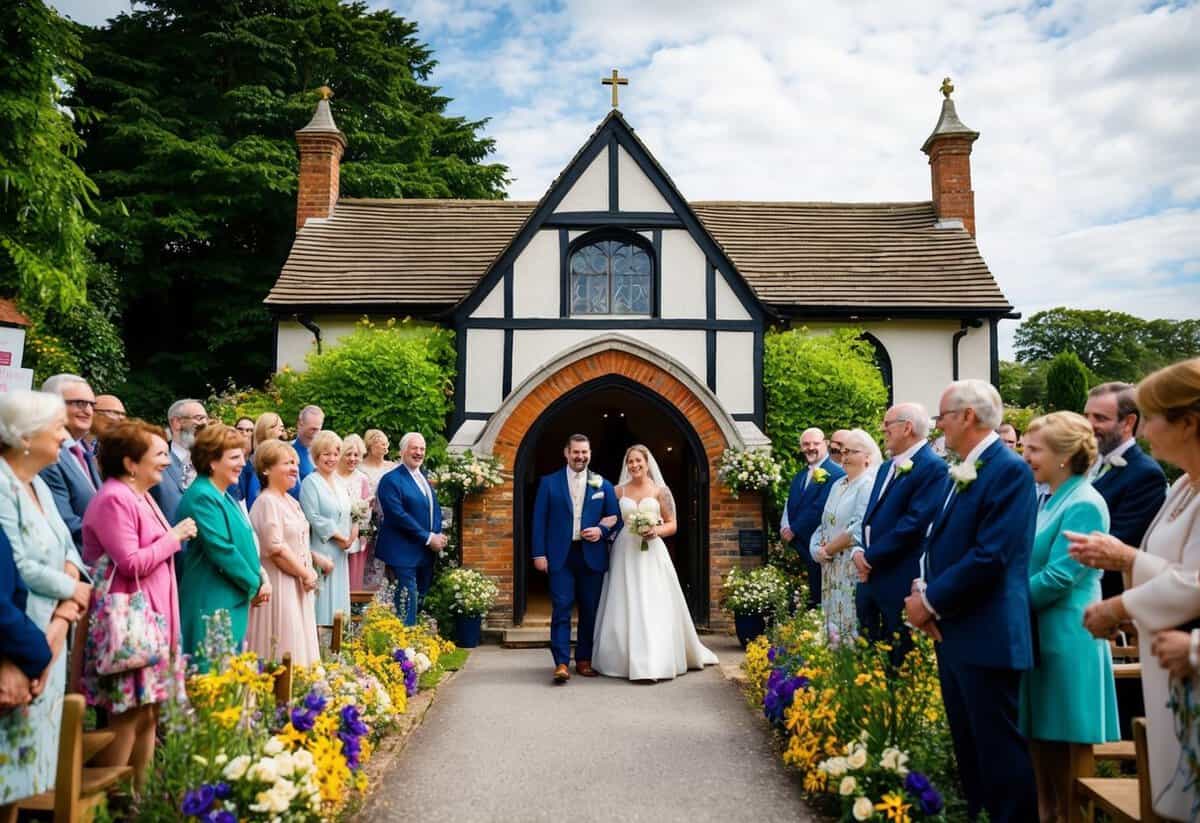
If you’re considering a civil partnership or marriage, it’s important to know the rules that apply. For example, same-sex couples have the option to convert their civil partnership into a marriage, which adds some flexibility to your options.
Planning ahead is key to ensure you meet all the necessary criteria.
So, while the idea of a spontaneous wedding sounds charming, you’ll need to prepare for your special day. Understanding the process will help you make your wedding experience smooth and enjoyable.
Legal Requirements for Marriage in the UK
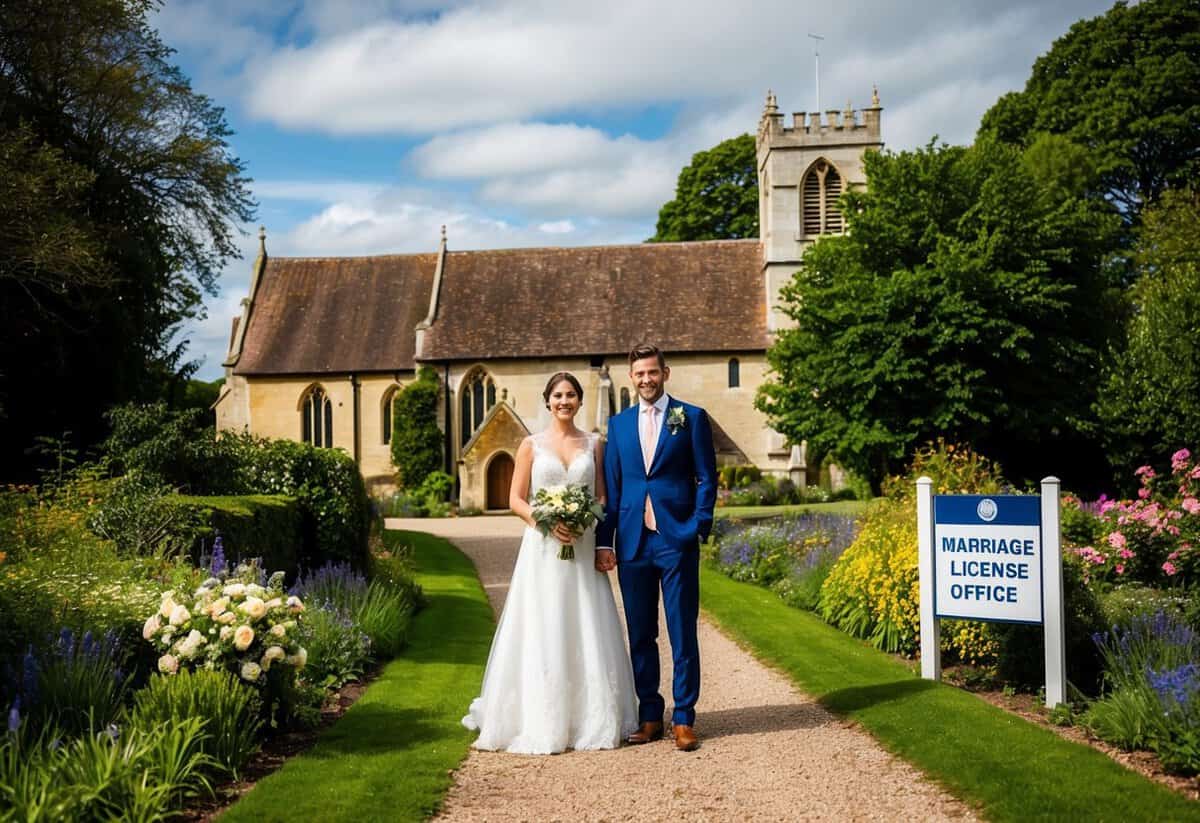
Getting married in the UK involves specific legal steps that ensure your marriage is valid. Understanding these requirements can help you avoid any surprises on your big day.
Eligibility and Permissions
To get married in the UK, you must meet certain eligibility criteria. First, you need to be at least 16 years old, but if you’re under 18, you’ll need parental consent. Both partners should also be free to marry, which means you cannot be currently married or in a civil partnership.
If you’re a foreign national, you may need additional permissions. Those with settled status under the EU Settlement Scheme or indefinite leave to remain can marry without extra steps. However, if you’re on a visa, it’s advisable to check with the Home Office regarding your permission to marry.
Notice Period and Formal Documentation
Before tying the knot, you must give notice of your intention to marry at your local register office. This involves filling out a M10 form and providing some personal details, including your names, addresses, and nationality.
You must also show valid identification, like a passport.
You must give notice at least 28 days before the ceremony, which is valid for up to 12 months. During this period, the registrar might require proofs of eligibility, like a marriage document or evidence of your residency.
After you’ve given notice, the registrar will issue a marriage schedule, and you’ll need two witnesses at your wedding to sign your marriage certificate.
Types of Marriage Ceremonies in the UK
In the UK, there are different types of marriage ceremonies you can choose from, each with its own rules and settings. Understanding these options can help you decide what best suits your preferences and beliefs.
Civil Ceremony Essentials
A civil ceremony is a non-religious wedding option available in the UK. It typically takes place at a registry office or an approved venue.
To get started, you must give notice at your local register office at least 29 days before the ceremony. This means signing a legal document to declare your intention to marry.
During the ceremony, you and your partner will need to sign the marriage schedule. You can invite guests, and some venues allow decorations. Civil ceremonies are straightforward, focusing on the legal aspect without religious elements.
Religious Ceremony Considerations
If you prefer a traditional setting, a religious ceremony might be right for you. This can include a church or another place of worship.
For a religious wedding, you need to ensure that the venue is legally recognized for marriages. You’ll also need to give notice, similar to a civil ceremony.
The actual ceremony often includes specific rituals, readings, and blessings based on your faith.
It’s important to discuss your plans with your officiant to tailor the service to your wishes. Religious ceremonies can bring deep meaning and personal significance to your wedding day, reflecting your beliefs and traditions.
Planning Your Ceremony
Planning your ceremony is an exciting part of getting married in the UK. You need to consider the right venue and how you want to personalize the ceremony to make it special for you and your partner.
Choosing the Right Venue
Selecting the right venue is essential for your wedding. You can choose between a registry office, a licensed venue, or a place that holds special meaning for you both.
Here are some points to think about when choosing:
- Type of Venue: Options include registry offices, hotels, or unique locations like parks.
- Capacity: Make sure the space can comfortably accommodate your guests.
- Location: Consider accessibility for you and your guests.
If you want a specific feel, consider an approved venue that fits your style, whether it’s traditional or modern.
Ceremony Details and Personalization
Adding personal touches to your ceremony can make it memorable. Here are ways to customize it:
- Vows: Write your own vows to express your love in your words.
- Decorations: Choose flowers, colors, and themes that reflect your personalities.
- Readings or Music: Select meaningful readings or songs to enhance the atmosphere.
While rules about religious content may apply, you can still create a heartfelt civil partnership or simple ceremony. Remember, every detail can reflect who you are as a couple.
Marriage Across the UK
When planning to get married in the UK, it’s important to know that the rules can differ in various regions. This section outlines what you need to know for marriage in England and Wales, as well as the differences in Scotland and Northern Ireland.
Specifics for England and Wales
In England and Wales, you cannot just show up and get married. You need to give a notice of marriage at your local register office. This notice must be done at least 28 days before the wedding.
Both you and your partner must be residents in the area for at least seven days before giving notice. The actual marriage must occur within 12 months of this notice.
You can choose to have a civil ceremony at the register office or a religious ceremony at an approved place of worship. It’s best to check for any specific requirements, especially if you come from outside the UK.
Differences in Scotland and Northern Ireland
In Scotland, the marriage process is simpler than in England and Wales. You only need to give notice of intention to marry for at least 28 days before the date. This can be completed online.
Northern Ireland, on the other hand, has its own rules. You must give notice at a local register office, and the waiting period is also 28 days.
Both areas allow for civil and religious ceremonies. Make sure you have the right documentation, especially if you’ve traveled from outside the UK, as each region may ask for different proof.