
Can You Legally Get Married at Your House? Understanding the Rules and Regulations
Getting married in the comfort of your own home can be a dream come true for many couples. You might wonder if it’s legally possible to host your wedding at home and how to go about it. Yes, you can legally get married at your house, but you must follow specific legal requirements.
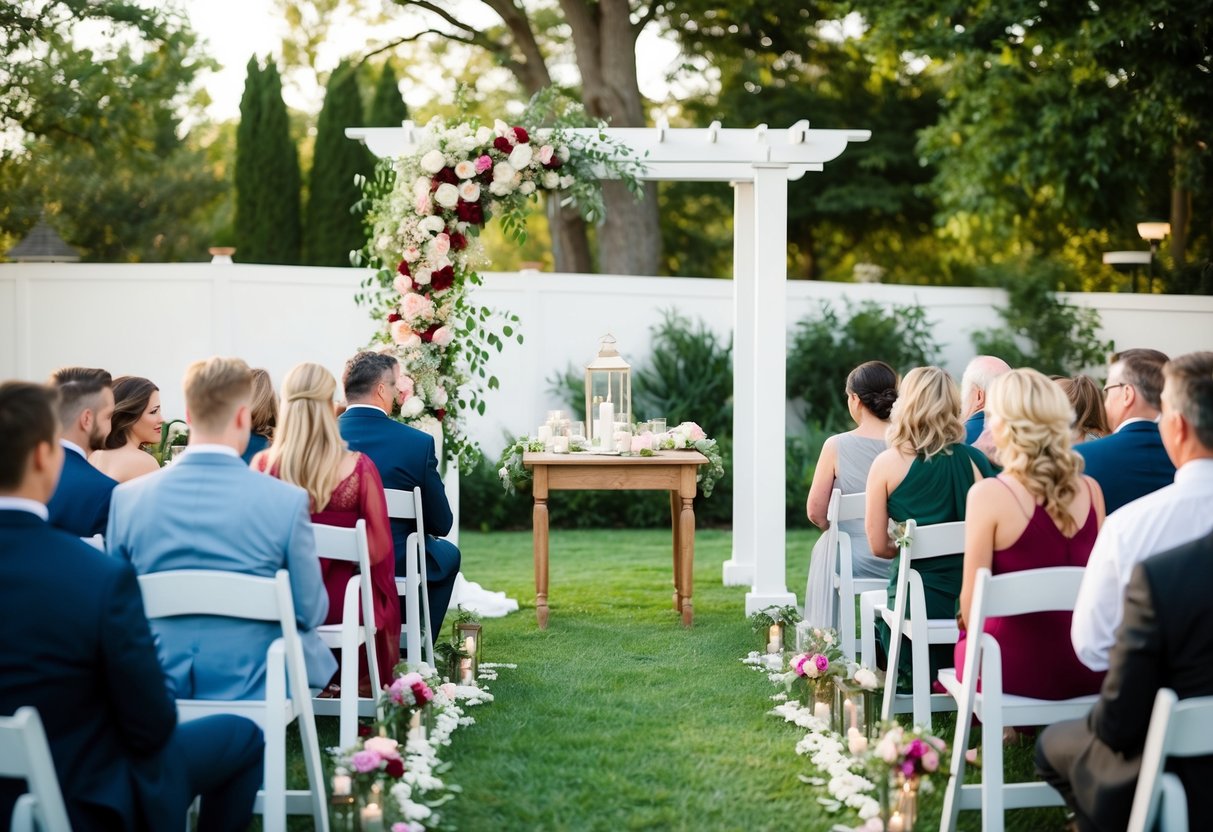
Before planning your home wedding, you should understand the legal aspects, such as obtaining a marriage license and ensuring a qualified officiant leads the ceremony. Depending on where you live, the rules about home weddings can vary, making it essential to check your local laws and regulations.
In this article, you’ll discover the key steps to make your at-home wedding official. From understanding the necessary documentation to selecting the right officiant, you’ll find everything you need to know for a successful and memorable ceremony.
Understanding Marriage License Requirements

Getting married at your house is a lovely idea, but you need to understand the steps to secure a marriage license first. This license is crucial for legal recognition of your marriage. Here’s what you need to know.
Applying for a Marriage License
To apply for a marriage license, you will need to visit your local government office, usually the county clerk’s office. The application is typically straightforward, but requirements can vary by state.
Make sure to check if both you and your partner need to be present for the application. Most states have a minimum age for applicants, often 18 years. If you’re younger, be prepared to provide proof of parental consent or court approval.
Necessary Documentation
When applying, you must provide certain documents. Generally, you’ll need:
- Current Photo ID: A driver’s license or passport is commonly accepted.
- Proof of Citizenship or Residence: This may include a birth certificate.
- Marriage License Application Fee: Be ready to pay a fee, which varies by location.
If you’ve been married before, have divorced documents or a death certificate handy. These are important to verify your eligibility to marry again.
Waiting Periods and Expiry
Many states have a waiting period after you apply for a marriage license. This period can range from a few hours to several days, so check your local laws to know the exact time frame.
Additionally, marriage licenses often come with an expiration date. This means you must get married within a set period, usually between 30 to 90 days, or the license will no longer be valid. Make sure to schedule your ceremony accordingly!
Planning Your Wedding Ceremony at Home
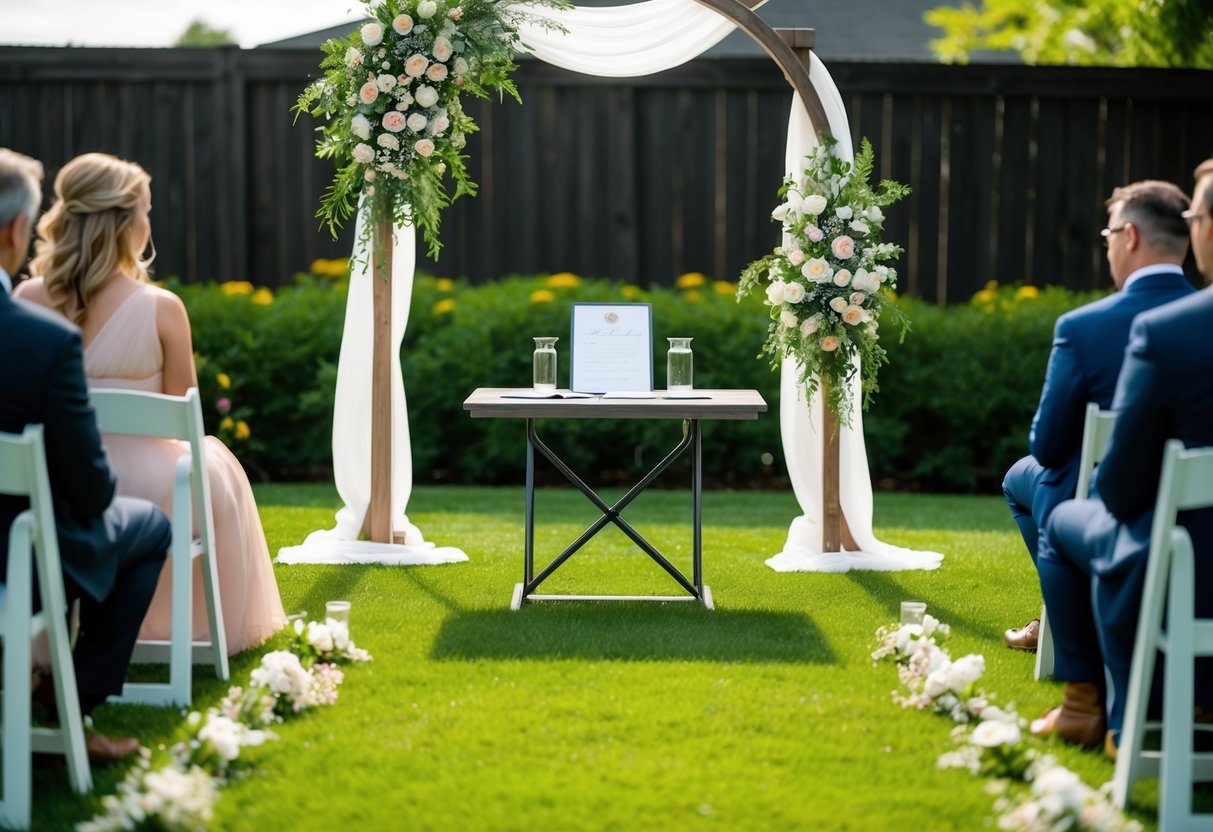
Planning your wedding at home can be a special and unique experience. You get to personalize every detail, from the officiant to the date of the ceremony. Here are some key aspects to consider to ensure your day goes smoothly.
Choosing the Right Officiant
Selecting an officiant is crucial for your at-home wedding ceremony. You can choose between a professional officiant, a friend, or a family member who can legally perform the marriage.
Questions to Consider:
- Do they have experience with weddings?
- Are they comfortable with your vision for the ceremony?
- What are their fees?
If you prefer a more traditional route, consider hiring a professional wedding officiant. They usually handle the legal aspects, ensuring everything runs smoothly.
Legal Considerations for At-Home Ceremonies
Before you can celebrate, you’ll need to consider the legal requirements for your at-home wedding. First, check your state’s laws regarding marriage licenses. You typically need to obtain a license before the ceremony.
You may also need to “give notice,” stating your intent to marry. This is a legal requirement in many places. Some couples opt for a civil ceremony at a registry office beforehand to handle the paperwork. Then, you can have a personalized ceremony at home, led by an independent celebrant.
Setting Your Wedding Date
Choosing the right date for your wedding is essential. Consider the following factors:
- Availability of your officiant and key guests
- Seasonal weather, especially if you’re planning an outdoor event
- Work or holiday schedules
Having a flexible date can help you secure the best venue, which in this case is your home. Make sure to communicate your chosen date with everyone involved, including the officiant and vendors, to ensure a smooth celebration. A little planning goes a long way in making your at-home wedding a memorable experience.
Types of Marriages and Ceremonies
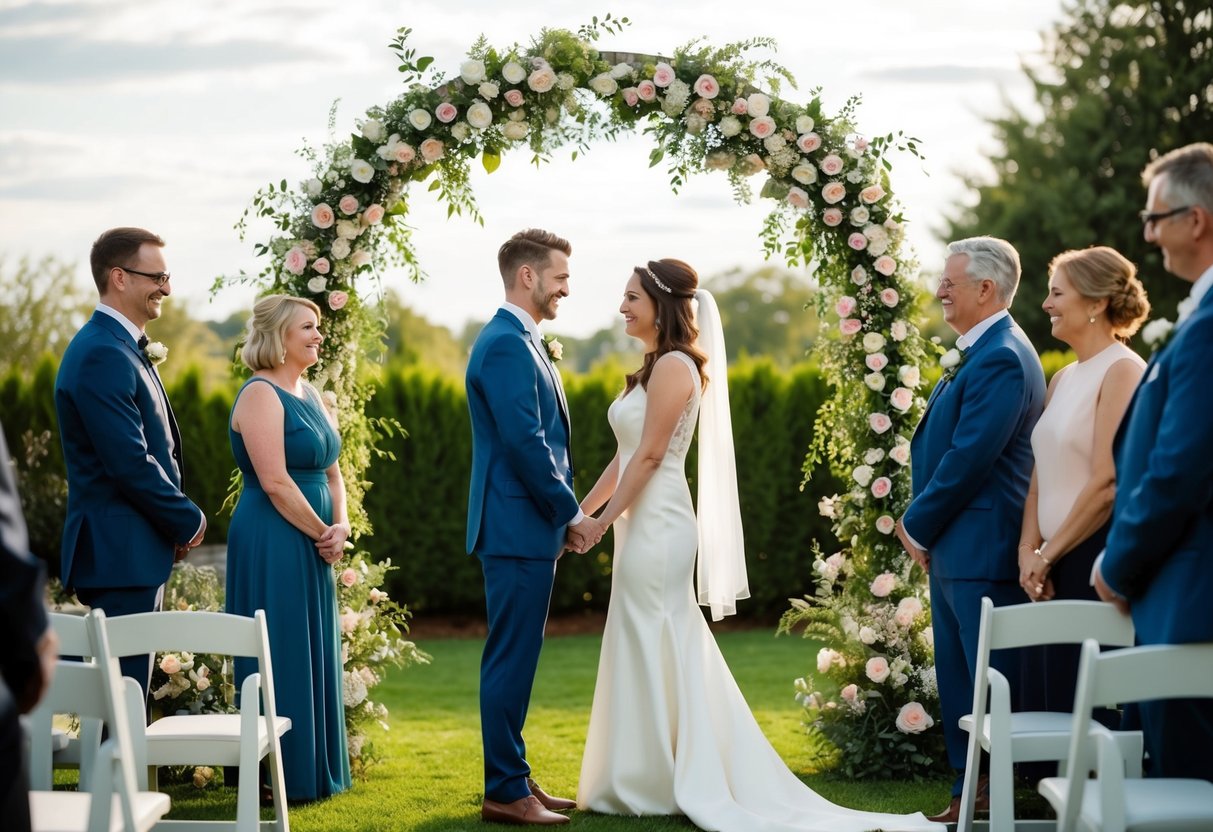
When planning to get married at your house, it’s important to understand the different types of marriage ceremonies available. Each type has its own guidelines and legal aspects. Let’s explore civil and religious ceremonies, common law marriages, and courthouse weddings.
Civil vs. Religious Ceremonies
A civil ceremony is a legal marriage performed by an official, often in a government setting. You can have a civil wedding at your house, as long as the officiant is authorized. These ceremonies tend to be straightforward and focus on the legal aspects of marriage.
In contrast, a religious ceremony takes place in a place of worship. It follows customs and traditions of a particular faith. A religious officiant is usually required, and the requirements can vary between different religions. Make sure to check what’s needed for your specific faith.
Understanding Common Law Marriages
Common law marriage is a type of union where a couple lives together and presents themselves as married without a formal ceremony. The requirements for common law marriages can differ by state, but most need you to live together for a certain period and intend to be married.
If you believe you are in a common law marriage, it’s important to check your state’s laws. Some places recognize this type of marriage, while others do not. This can affect legal benefits like taxes and inheritance.
Considering a Courthouse Wedding
A courthouse wedding allows for a quick and straightforward marriage. This type of ceremony is usually performed at a local courthouse, often by a county clerk or a judge.
You can typically invite a few guests, but keep it small. A courthouse wedding can be an affordable choice if you’re looking to keep things simple. You can also have a celebration later at your house if you wish.
Just make sure to schedule an appointment and complete any necessary paperwork ahead of time.