
Can You Marry in Your Garden in the UK? A Guide to Outdoor Weddings
If you’re dreaming of saying “I do” surrounded by the beauty of your garden, you may be wondering about the rules. Unfortunately, you cannot legally marry in your garden in the UK, as weddings must occur in venues licensed for marriage. This means that while you can host a lovely outdoor celebration, the official ceremony must take place at a recognized location.
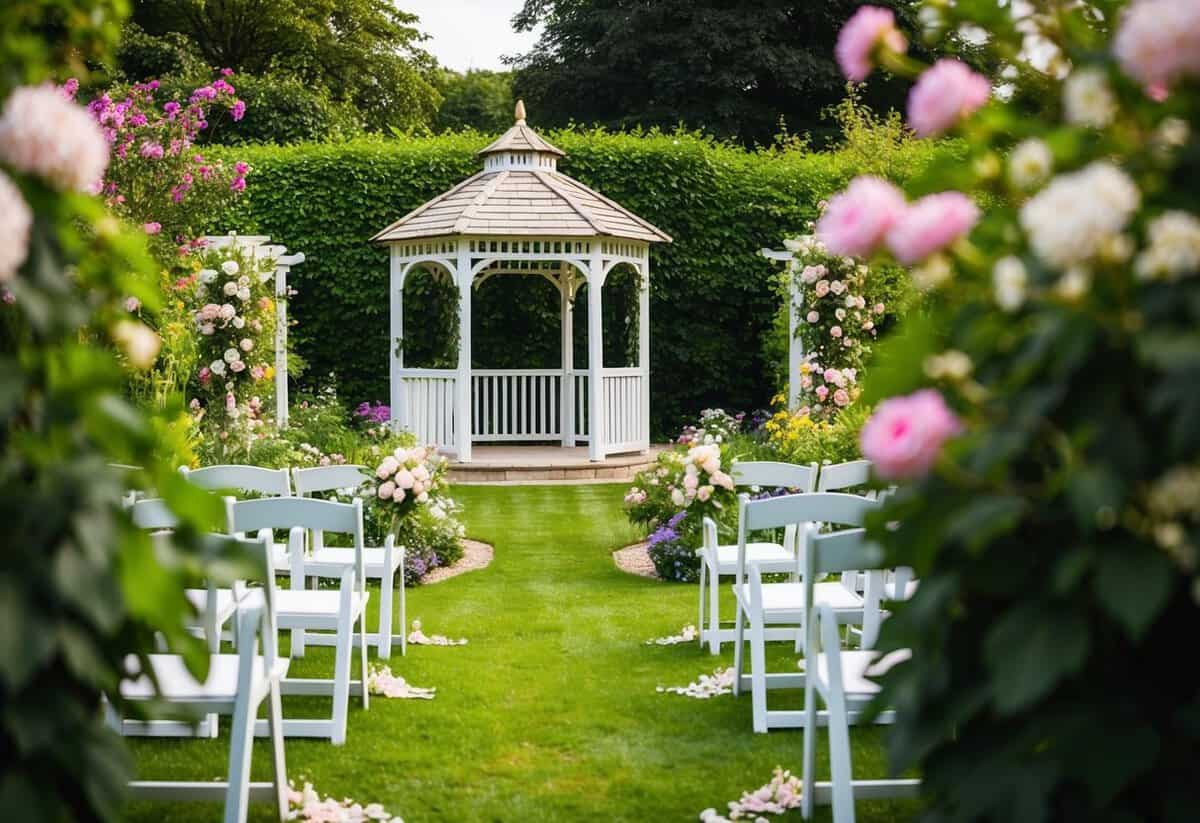
Fortunately, recent changes have made it easier to have outdoor ceremonies. The law now allows couples to hold their weddings outside in certain licensed areas, giving you the chance to incorporate your garden’s charm into your wedding plans.
By choosing a venue with outdoor options, you can enjoy a beautiful, nature-filled backdrop on your special day.
Planning an outdoor wedding can be exciting, and knowing the legal requirements will help you create the perfect celebration.
With the right venue and a bit of creativity, you can make your garden dreams a reality while following the necessary guidelines.
Legal Considerations for Garden Weddings in the UK
If you’re dreaming of a garden wedding in the UK, knowing the legal details is important. There are specific marriage laws, licensing rules, and statutory requirements you need to consider to make your special day memorable and legally valid.
Understanding Marriage Laws
In England and Wales, marriage laws state that weddings must occur in venues that hold a valid marriage license. This rule affects your garden wedding plans. You cannot legally marry in your private garden unless it is part of a venue that has been granted an approved premises license.
For civil weddings, the venue must be registered for this type of ceremony. While outdoor weddings are gaining popularity, they must still follow these laws to ensure they are recognized as valid marriages.
Approved Premises and Licensing
To hold a wedding ceremony in your garden, it needs to be on a property that is recognized as an approved premises. This means the local council has granted this license to ensure the venue meets safety and legal standards.
Properties like stately homes, hotels, and other licensed venues can offer areas for outdoor ceremonies. If you’re considering a garden or back yard, check with your local council to see if they can grant an exception or provide guidance on partnering with an approved venue.
Statutory Requirements for Outdoor Ceremonies
Outdoor weddings come with their set of statutory requirements. You must provide a suitable space that meets health and safety regulations. This includes accessibility for guests and facilities for a legal ceremony.
Additionally, you must have a registered officiant to perform the marriage. They will ensure that the ceremony is conducted according to the wedding laws in England and Wales.
Always check if you’re following the latest updates on outdoor wedding laws, as these can change.
Planning Your Garden Wedding
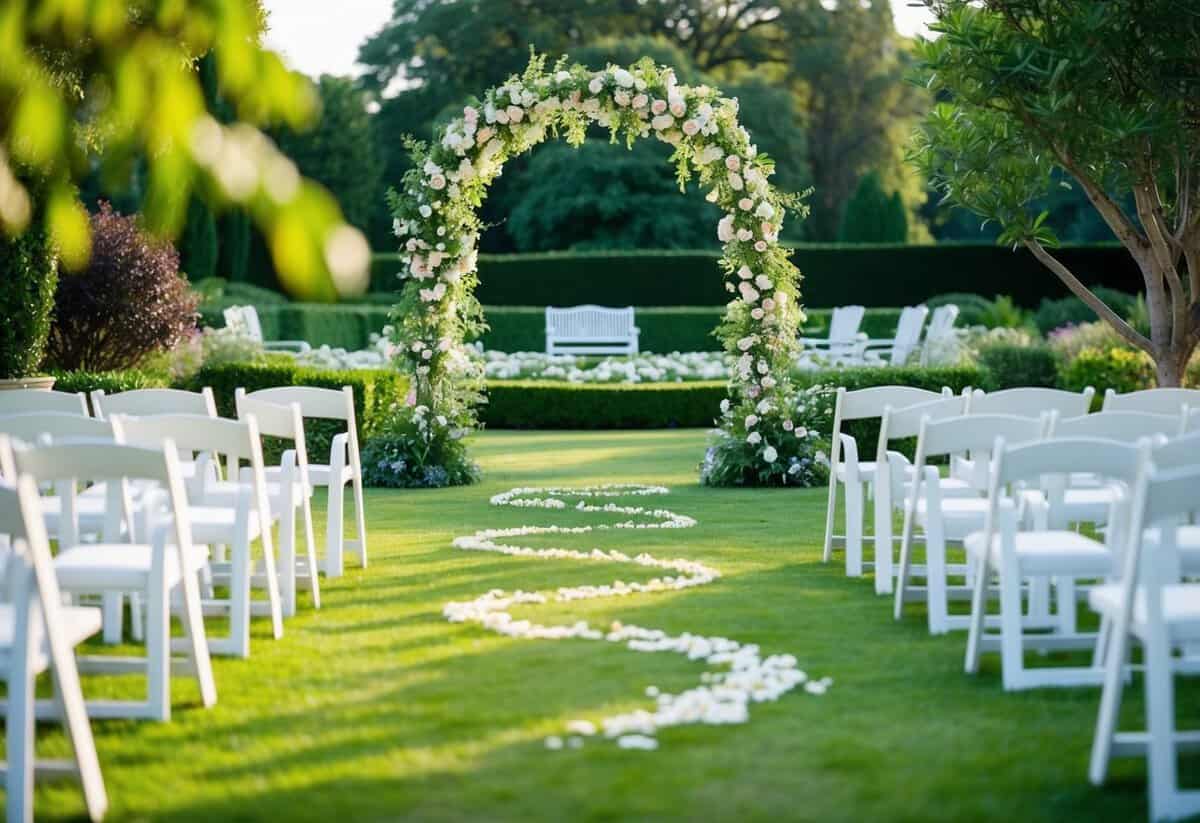
Planning a garden wedding can be both exciting and challenging. You’ll want to choose the right setting, understand planning restrictions, and consider how to include a celebrant for your ceremony.
Selecting the Right Venue
Choosing the right garden for your wedding is crucial. Check that your garden is suitable for hosting guests. Consider factors like size, accessibility, and facilities.
Key Features to Consider:
- Size: Make sure there’s enough space for guests, seating, and any decorations.
- Access: Ensure your location is easy for guests to reach and has parking options.
- Amenities: Having restrooms nearby is important for guest comfort.
If you don’t have a large enough garden, look for nearby outdoor wedding venues that allow private celebrations. These locations may provide additional options for facilities and services.
Navigating Planning Restrictions
In the UK, there are specific rules for holding weddings in private gardens. You cannot legally marry in your garden in England, Wales, or Northern Ireland. Ceremonies must occur in venues licensed for marriage.
- You can register your marriage at a local registry office.
- After that, you can have a celebratory ceremony in your garden.
Always check local regulations for potential restrictions in your area. This will help you avoid any issues on your big day.
Incorporating a Celebrant in Your Ceremony
A celebrant can help create a personal touch for your garden wedding. While they cannot perform the legal parts, they can lead an informal ceremony after your official registration.
Benefits of Hiring a Celebrant:
- Personal Touch: Work with your celebrant to include personal vows, readings, and traditions.
- Flexibility: They can perform the ceremony in your garden setup, giving you control over the atmosphere.
- Creative Ideas: Celebrants often have unique ideas that make your ceremony memorable.
Make sure to discuss your vision with the celebrant before the big day. This will help ensure your garden ceremony reflects your style and love story.
Types of Garden Wedding Ceremonies
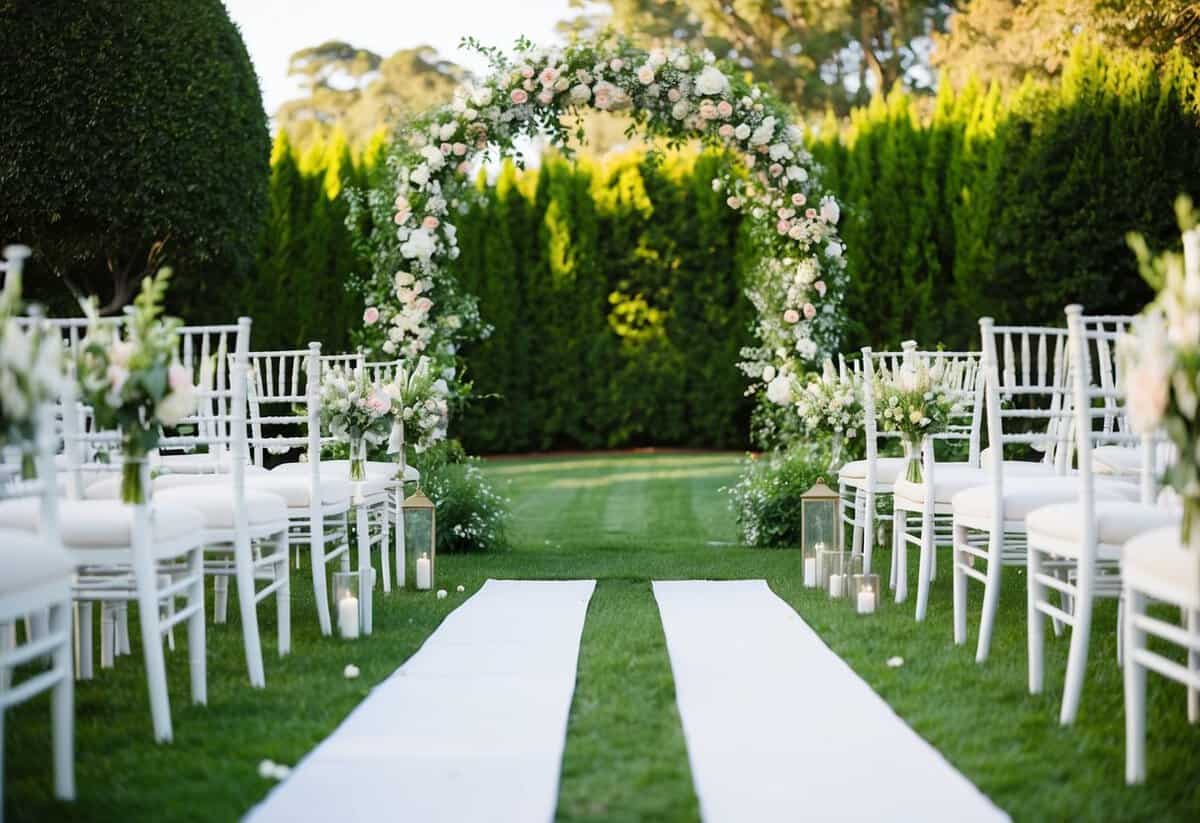
Garden weddings offer various ceremony types, allowing you to choose the one that best fits your vision. Whether you want a civil ceremony, a humanist celebration, or a religious service, there are options to make your day special.
Civil Partnerships and Civil Ceremonies
In the UK, you can hold a civil marriage ceremony in your garden. The legal part must take place at a registered venue or local registry office. After that, you can have your guests in your garden for the informal celebration.
Civil ceremonies are simple and straightforward. They often involve a registrar who will guide you through the process. You can customize your vows and choose readings that reflect your relationship.
Humanist and Non-Religious Ceremonies
Humanist ceremonies provide a great alternative for those who prefer a non-religious approach. These ceremonies can be personalized, focusing on your beliefs and values. A celebrant leads the ceremony in your garden setting.
Since humanist ceremonies are not legally binding, you’ll still need to register your marriage beforehand. This allows you to celebrate uniquely while fulfilling legal requirements. You can include personal touches, like symbolic rituals.
Religious Weddings in a Garden Setting
If you want a religious aspect, many faiths allow ceremonies in gardens, provided you have the right permissions. It’s essential to check with your religious leader about specific requirements. Some may require you to also have a separate legal marriage at an approved venue.
Incorporating religious elements in your garden wedding can create a meaningful atmosphere. This could include readings from sacred texts, blessings, or rituals specific to your faith. Enjoying the outdoors while honoring your beliefs can make your day unforgettable.
Budgeting and Costs for an Outdoor Wedding
Planning a garden wedding involves understanding the costs and managing your budget effectively. You can save money while creating a beautiful and memorable event in your own outdoor space.
Estimating Your Garden Wedding Budget
When planning your budget, list all potential expenses. Key costs include:
- Venue: If you get married at home, venue costs may be lower, but consider any permits needed.
- Celebrant: Hiring a legal officiant typically costs around £250+.
- Catering: A wedding breakfast can range from £20 to £100 per person, depending on your menu.
- Decor and Setup: This can vary widely from simple decorations to elaborate setups, costing anywhere from £500 to £2,000.
Make sure to add a buffer for unexpected expenses, typically around 10-15% of your total budget. Knowing these costs helps you decide what’s essential for your outdoor civil wedding.
Cost-Saving Tips for Couples
You can reduce costs significantly by being resourceful. Here are some effective strategies:
-
DIY Options: Consider making your own decorations or inviting friends to help with setup.
-
Use Your Garden: A backyard wedding eliminates rental fees for venues, saving you money.
-
Seasonal Flowers: Using local, seasonal blooms can keep flower costs down. You can even pick flowers from your own garden.
-
Potluck Style Reception: Asking guests to bring dishes to share can save on catering costs.