
Can You Marry Your Cousin in the UK? Understanding the Legalities and Social Perspectives
If you’ve ever wondered about the legalities surrounding cousin marriage in the UK, you’re not alone. First cousins can marry in the UK. This topic often sparks curiosity and debate, as family ties and cultural views play significant roles in how cousin marriages are perceived.

From a legal standpoint, marrying your cousin is allowed without any restrictions, as long as both partners meet the age requirements and other general marriage laws. In various cultures, cousin marriage has been quite common, with many communities considering it a way to preserve family ties and strengthen bonds.
Understanding both the legal perspective and cultural context can provide a clearer picture of why this topic is relevant today.
Legal Status of Cousin Marriage in the UK
In the UK, marrying your cousin can lead to many questions regarding its legality. Here’s a look at the historical context, current laws, and important details surrounding cousin marriages.
Historical Perspective
Marriage between cousins has a long history in the UK. In earlier times, many cultures encouraged such unions to strengthen family ties and keep wealth within the family. However, there were also attempts to regulate these marriages.
During the 16th century, the Church of England set a list of forbidden marriages based on consanguinity, which is the relationship by blood. This included restrictions that impacted cousin marriages. Over time, these laws began to shift as societal views on relationships changed.
Current Legislation
Today, it is entirely legal for first cousins to marry in the UK. Unlike some other countries, there is no specific legislation that prohibits this practice.
This legal status applies across all parts of the UK: England, Wales, Scotland, and Northern Ireland. Many people may be surprised to discover that high-profile individuals, such as members of the royal family, have married cousins.
Marriage Act and Laws of Kindred and Affinity
The Marriage Act governs the legal framework for marriages in the UK, including cousin marriages. Initially, various restrictions were placed on marriages involving relatives before being modified in the 20th century.
For instance, the Marriage Act of 1835 and later amendments removed bans on cousin marriages. However, there are still regulations concerning marriages among closer relatives, like siblings and parents. Notably, Alan Bittles highlighted how these laws have evolved, showing a lessening of restrictions on kinship marriages as society has grown more accepting.
Understanding these laws helps clarify what is permissible and highlights the changing attitudes toward cousin marriages.
Genetic Considerations for Cousin Marriages

Marrying a cousin can raise important genetic questions. Understanding the risks of genetic disorders and the findings from studies can help you make informed decisions about such relationships.
Genetic Risks and Disorders
When you consider first-cousin marriage, it’s essential to understand the genetic risks involved. One of the main concerns is the chance of birth defects or genetic disorders in your children. This risk comes from autosomal recessive inheritance.
In simple terms, both parents must carry a copy of the same mutated gene for a recessive disorder, like cystic fibrosis, to affect their child. Research shows that first cousins share about 12.5% of their genes. This increases the likelihood of inheriting similar genetic mutations.
Families with a history of genetic disorders should pay extra attention. Conditions can vary widely from mild to severe. Public health organizations often advise couples in such situations to consult with genetics experts before making decisions.
Studies and Findings
Several studies have examined the outcomes of cousin marriages. Research indicates that the prevalence of genetic issues is generally higher in children born to cousins compared to those from unrelated parents.
For example, some findings suggest that children from first-cousin unions may face a risk increase of 1.5 to 2 times for certain genetic disorders. Organizations like the Centre for Comparative Genomics provide insights into these risks, helping people understand their options better.
It’s also crucial to note that the risks can vary based on the family history of genetic disorders. Increased awareness and genetic counseling can help you navigate these concerns with more confidence.
Cousin Marriage in Cultural Context
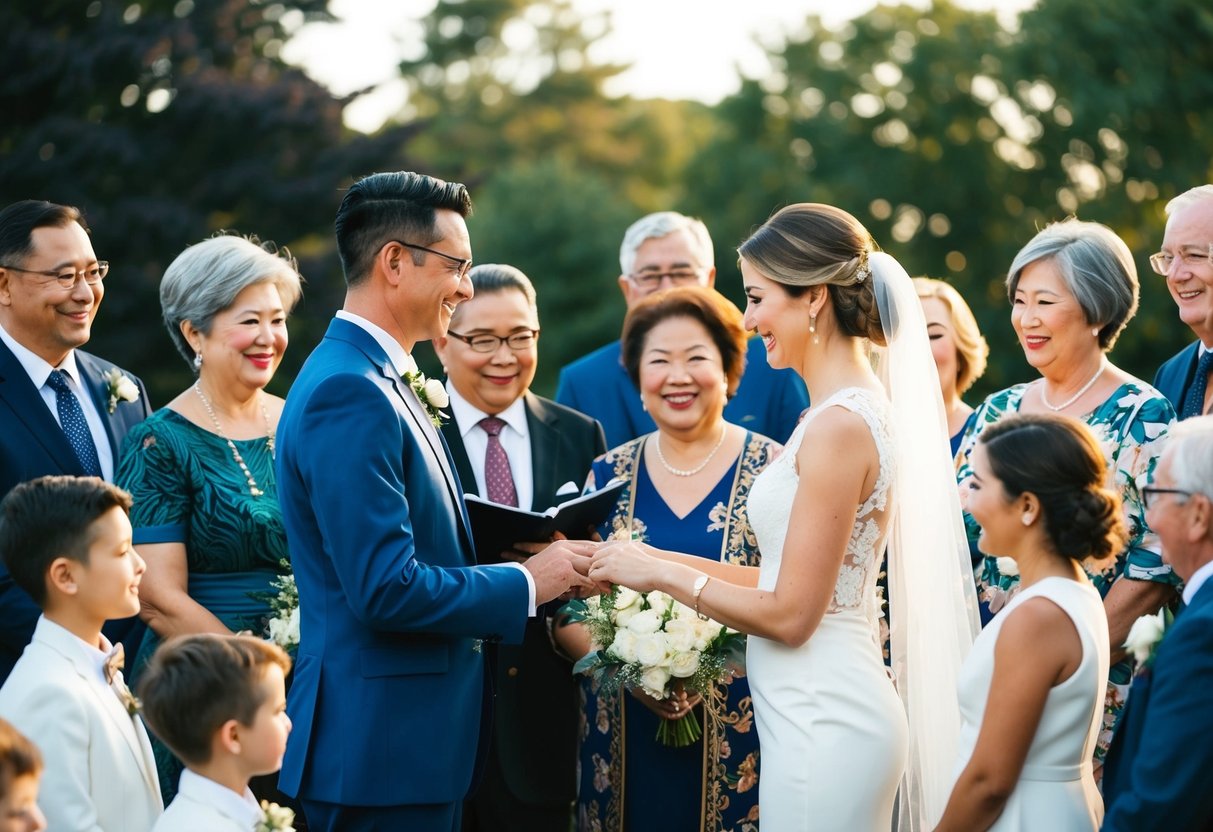
Cousin marriage is shaped by various cultural views and practices. You may find differences in opinion across regions and communities. Understanding these perspectives can provide insight into why such marriages occur.
Diverse Opinions and Practices
In Europe, attitudes toward first-cousin marriages vary widely. Some countries allow them while others discourage or ban them. For instance, in the UK, it is legal for cousins to marry, but health concerns, particularly about genetic risks, frequently arise.
In contrast, in South Asia, particularly in countries like Pakistan, cousin marriages are common. They often strengthen family ties and maintain wealth within extended families. Many families opt for arranged marriages to reinforce connections, ensuring that familial resources remain intact. Societal elites sometimes prefer these unions for social mobility and to preserve status.
Cousin Marriages in Diaspora Communities
In British Pakistani communities, cousin marriages are prevalent. This practice helps preserve cultural identity and familial bonds when living abroad.
The clan mentality often plays a significant role, as close family ties remain important.
You may also find similar practices in other diaspora communities like the Yoruba and Hausa in Nigeria. These groups prioritize family wealth and social structures through arranged marriages.
Across the Middle East and Sub-Saharan Africa, cousin marriages can be seen as a means of strengthening family alliances. This illustrates the varied but common threads in cultural practices surrounding marriage.