
Can You Ordain Your Own Wedding UK? A Guide to Personalizing Your Ceremony
Are you dreaming of a unique wedding ceremony where you officiate your own special day? The short answer is no, you cannot legally ordain your own wedding in the UK. While it’s possible to get ordained online, these ordinations aren’t recognized for performing legal wedding ceremonies.
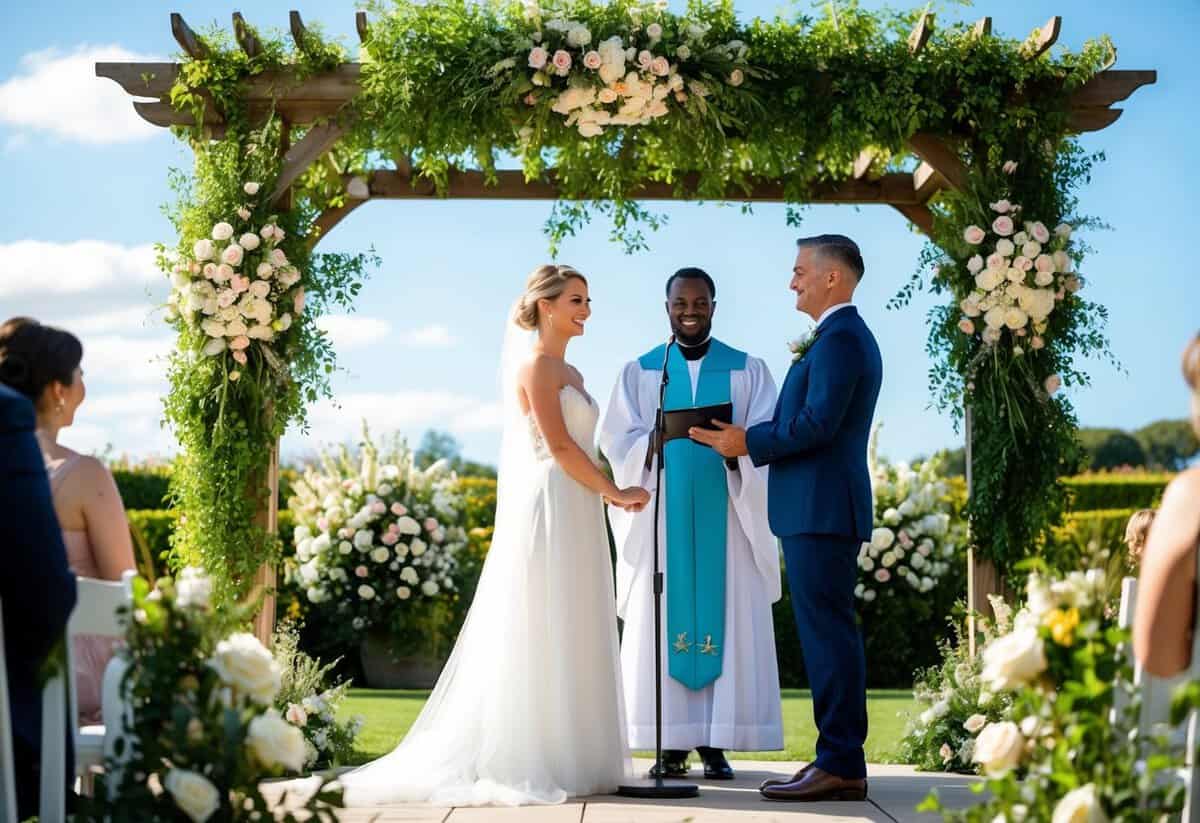
Instead, you may consider having a celebrant or a registered officiant handle the official part of your wedding, which can give you the personal touch you desire. This way, you can still create a meaningful ceremony that reflects your style and preferences. With the right approach, you can enjoy a beautiful day that feels all your own.
If you want to learn how to navigate through these options and make your wedding day as special as you envision, keep reading!
Understanding Ordination and Its Legality in the UK

In the UK, ordination can take different forms, and it affects how you can officiate your own wedding. Knowing the legal landscape and the types of ordination available is crucial for making informed choices.
Definition and Types of Ordination
Ordination refers to the process of being officially recognized as a minister or celebrant, allowing you to perform ceremonies like weddings. There are several types of ordination in the UK.
- Online Ordination: You can become ordained online, which is popular but not legally recognized for officiating weddings.
- Religious Ordination: This is through a theological institution or church, such as the Anglican Church, that grants you the authority to conduct religious ceremonies.
- Civil Celebrants: These individuals are trained to perform civil ceremonies. They are not tied to any religious affiliation and can conduct legally binding weddings.
Legal Requirements and Recognition
In the UK, you must meet specific legal requirements to officiate weddings. Only individuals recognized by law can perform these ceremonies.
- Licensed Members of the Church: If ordained through a religious body, you usually need to be a licensed member to conduct a religious ceremony.
- Registrars: For civil weddings, a registrar must be present. You must give notice to your local registry office at least 28 days before the ceremony.
- Licensed Venues: Your ceremony must take place at a venue licensed for weddings. This adds another layer of legality to the process.
Differences Between Religious and Civil Ceremonies
Understanding the differences between religious and civil ceremonies is vital when considering your options.
Religious Ceremonies:
- Conducted by an ordained minister.
- Often involves specific rituals aligned with the faith.
- Legally binding if held in a place of worship.
Civil Ceremonies:
- Performed by a civil celebrant or registrar.
- More secular and can be customized but must meet legal standards.
- Must be at a licensed venue to be legally valid.
Knowing these distinctions can help you choose the right path for officiating your wedding in the UK.
How to Get Ordained and Officiate a Wedding in the UK

If you’re considering officiating a wedding in the UK, there are important steps to follow. You will first need to get ordained, then ensure you are recognized legally as an officiant. Lastly, preparing a meaningful ceremony is essential.
Process of Online Ordination
To become an ordained officiant in the UK, you can easily start with online ordination. Many organizations, like Universal Life Church and Open Ministry, offer this service.
-
Choose a Website:
- Look for a reputable site that provides online ordination.
-
Complete the Application:
- Fill out an ordination request form. This usually includes your name and contact details.
-
Receive Confirmation:
- After processing, you will receive your ordination certificate via email or mail.
This ordination is straightforward and allows you to officiate weddings, as long as you understand the local laws regarding officiating in your area.
Becoming a Legally Recognized Officiant
While online ordination gives you the title of officiant, it may not be enough for legal recognition in the UK.
-
Local Marriage Laws:
- Check the statutory requirements in your area for officiating weddings.
-
Registrar Involvement:
- In many cases, a local registrar must validate the marriage. You may need to inform them that you will officiate the ceremony.
-
Finalizing Details:
- It’s essential to understand that the legal aspect of marriage in the UK primarily falls under the registrar’s responsibilities.
Ensure you communicate clearly with your couple about these legal steps.
Writing and Preparing for the Ceremony
After securing your ordination and legal status, you’ll want to focus on crafting a beautiful ceremony.
-
Customizing the Script:
- Use a wedding ceremony script generator or write your own. Personal touches make the event unique.
-
Structure Your Ceremony:
- Include essential elements such as readings, vows, and the exchange of rings.
-
Practice:
- Rehearse ahead of time. Familiarizing yourself with the script ensures a smooth delivery on the wedding day.
Taking the time to prepare will make the ceremony heartfelt and memorable for the couple and their guests.
Special Cases: Self-Solemnization and Celebrant-Led Ceremonies
In the UK, there are unique options for couples wanting a personal touch for their wedding. You may choose to officiate your own ceremony or hire a celebrant for a more tailored experience.
Self-Solemnizing and Self-Uniting Marriages
Self-solemnization, also known as a self-uniting marriage, allows you to officiate your own wedding without a traditional officiant. This option is more common in certain areas, such as some parts of the United States, but it is not widely recognized in the UK.
If you consider this path, be aware of the legal requirements for marriage certificates. You need to ensure that your marriage meets local laws. In some cases, couples have been able to perform self-solemnization by obtaining specific licenses, but this is not yet a standard practice in the UK.
Role of Celebrants in Non-Legal Ceremonies
Celebrants play a key role in creating personalized wedding ceremonies that reflect your unique story. Unlike traditional officiants, they can lead ceremonies that are not legally binding.
This might suit you if you want a special day without the constraints of legal formalities. You can include custom vows, readings, and rituals.
Since these ceremonies are personal, you have the freedom to design them as you wish. While a celebrant can’t issue a marriage certificate, they can help you plan an event that feels genuine and meaningful. This can be a wonderful way to celebrate your love in a way that truly resonates with you.