
Can You Video a Wedding Ceremony UK? Essential Tips for Capturing Your Special Day
When planning your big day, you might wonder if you can video a wedding ceremony in the UK. Yes, you can record most wedding ceremonies, but there are some rules you need to know. In England and Wales, capturing your special moments is usually allowed during both civil and religious ceremonies, as long as the venue or officiant gives you permission.
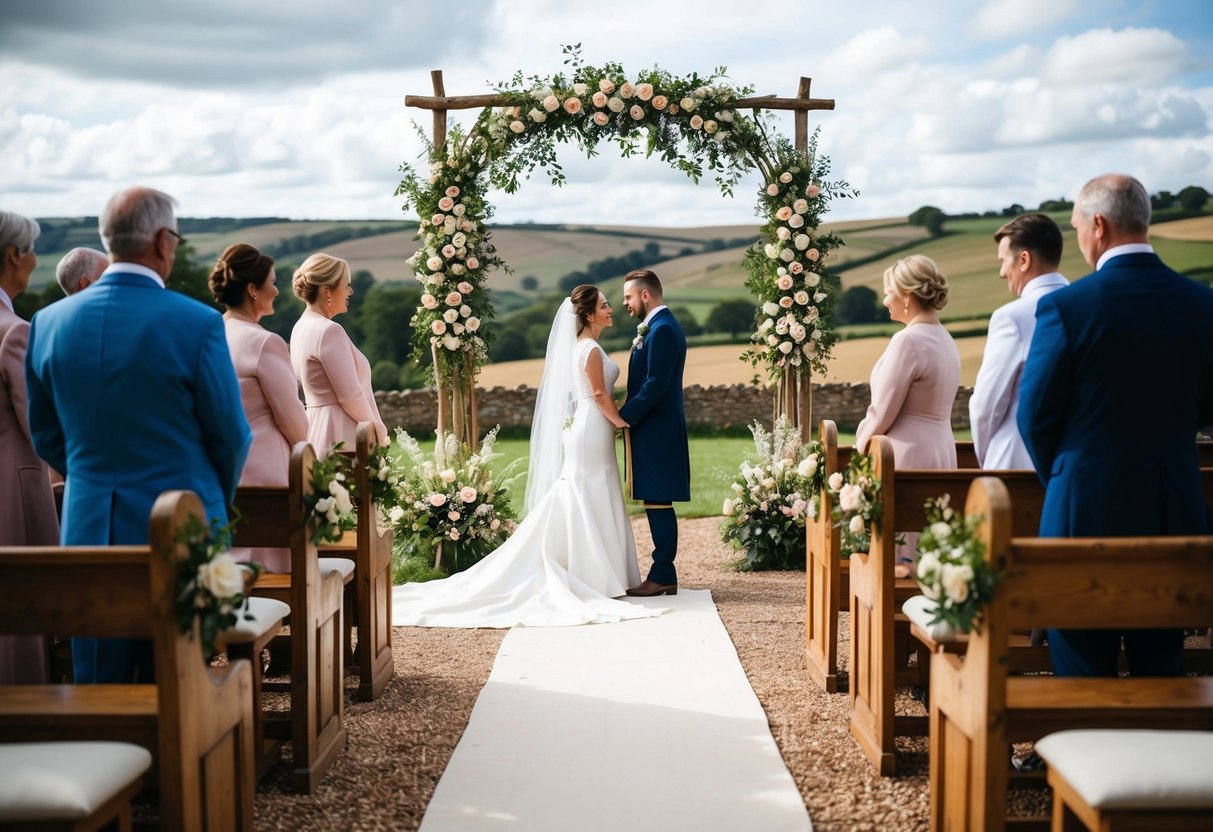
In Scotland, the rules are similar, but you should check with the specific location to ensure compliance. If you are having a civil partnership or wedding, the same applies; you generally have the right to film the event. Make sure to discuss this with your officiant ahead of time to avoid any surprises.
Whether it’s a grand church wedding or a cozy civil ceremony, recording your celebration allows you to relive the joy with family and friends who may not be able to attend. With a few simple steps, you can capture those precious moments to cherish forever.
Planning Your Wedding Ceremony
Planning your wedding ceremony involves several important steps. You need to choose the right venue, understand the legal requirements, and set a suitable budget. Each step is crucial to ensure your special day goes smoothly and meets your wishes.
Choosing the Right Venue
Selecting a venue is one of the most exciting parts of your wedding planning. You can choose between licensed venues like hotels, barns, or even outdoor spaces. If you prefer a traditional setting, a church wedding could be perfect.
Make sure the venue can legally conduct a civil ceremony if that’s your choice. This means ensuring the venue is licensed for marriages. It’s wise to book your venue well in advance, especially during peak wedding season.
Consider the location for your guests. How easy is it for them to get to the venue? Check for amenities like parking and accommodations. These factors can impact your wedding day experience.
Understanding the Legal Requirements
Legal steps are crucial for your wedding to be valid. Start with giving notice of marriage at your local register office. This is usually done at least 28 days before your wedding.
Both you and your partner will need to provide documents, like proof of identity and residence. The superintendent registrar will issue a “marriage schedule” once the notice period is complete. This document allows you to get married at your chosen venue.
If you’re having a church wedding, your vicar can guide you through the additional steps. Understanding local laws can help you avoid surprises.
Setting a Wedding Budget
A well-planned budget helps you manage your costs. Start by listing all potential expenses, such as venue fees, catering, and decorations.
Decide how much you want to allocate to each item. For example, you might prioritize the venue over flowers or photography. Remember to include costs for legal documents, like the marriage certificate and any fees for the registrar office.
Be clear about who is paying for what. This transparency helps avoid any misunderstandings later. Also, set aside a little extra for unexpected costs that might arise as your plans unfold.
Hiring Professionals
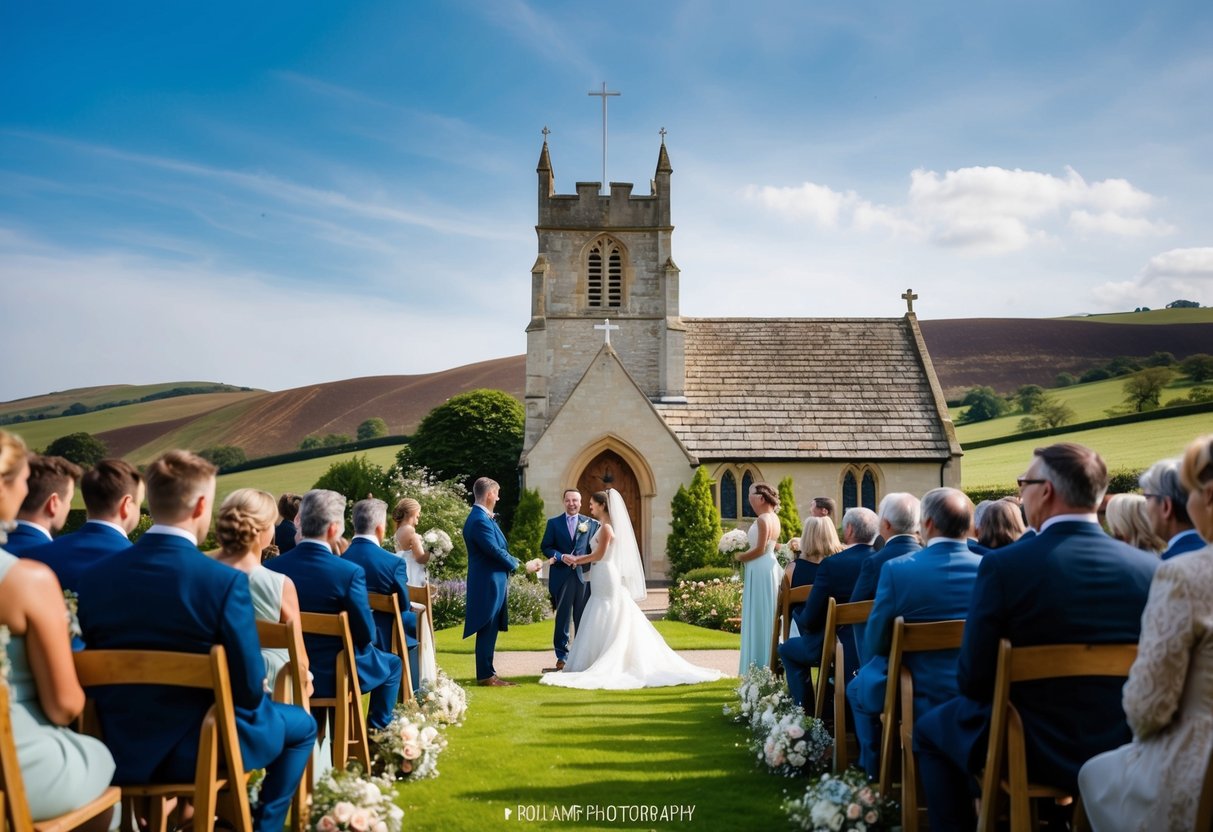
When planning to record your wedding ceremony, hiring the right professionals is essential. You want to make sure your memories are captured perfectly. This includes choosing a skilled videographer, selecting an experienced photographer, and understanding the roles of registrars or authorized persons during the ceremony.
Choosing a Videographer
A professional videographer can elevate your wedding experience. Look for someone who specializes in weddings. Check their portfolio for examples and reviews. Ask about their equipment too. Quality cameras and audio recording devices are crucial for capturing clear sound and beautiful visuals.
Meet your videographer beforehand to discuss what you want. Be clear about key moments you don’t want missed. Do they have a plan for different lighting situations? Understanding their approach will help you feel comfortable on your big day.
Selecting a Photographer
Choosing the right photographer is just as crucial as a videographer. Look for a photographer with a style that resonates with you. Portfolio reviews are important. They give insight into how they capture moments.
Discuss your expectations early on. Do you want candid shots, posed portraits, or a mix? Knowing this helps them prepare. Also, consider the photographer’s experience with weddings. They should understand the flow of the day and know when to step in.
Working with a Registrar or an Authorized Person
The registrar or authorized person plays a vital role in your wedding. They ensure everything runs smoothly during the ceremony. It’s important to meet with the registrar or vicar beforehand to discuss any filming rules.
Ask them about any restrictions regarding filming during the ceremony. Some venues may have specific guidelines. Knowing these details helps you avoid surprises on the day. Make sure they’re comfortable with any audio recording you plan to do. This leads to a more harmonious wedding experience for everyone involved.
The Ceremony Itself
Your wedding ceremony is the heart of your special day. It showcases your love through exchanged vows and meaningful rituals. Knowing what to expect can help make the experience enjoyable and memorable.
Designing the Ceremony
When planning the ceremony, consider the type you want. Options include a civil ceremony, religious ceremony, or civil partnership ceremony. Each has its own rules and traditions.
In a civil ceremony, you might choose a simple venue like a registry office. For a religious ceremony, you could opt for a church, where a vicar or priest officiates. Discuss any specific rituals, like hymns or readings, with them beforehand.
Don’t forget to plan for the signing of the register. This is an important legal step in your marriage. Also, decide who your witnesses will be. They play a key role in confirming your vows.
Roles of Participants
Each participant has a significant role during the ceremony. You and your partner will exchange vows. This is the emotional highlight of the event.
The officiant leads the ceremony. Whether a vicar, priest, or registrar, they guide you through each step. They ensure everything runs smoothly. Their experience is vital for staying within legal requirements.
Your witnesses are essential too. They must be present to sign the register after you exchange vows. Typically, they are close friends or family members who support your union.
Think about how you want to involve family and friends too. Their presence can add warmth and joy to the ceremony.