
Can You Wear White as a Bride If You’re Not a Virgin? Embracing Your Unique Love Story
Wearing white as a bride has long been connected to ideas of purity and virginity. Traditionally, many believed that only a virgin could wear a white wedding dress, reflecting innocence and new beginnings. However, times have changed, and so have the views surrounding this age-old custom. You can absolutely wear white on your wedding day, regardless of your sexual history.
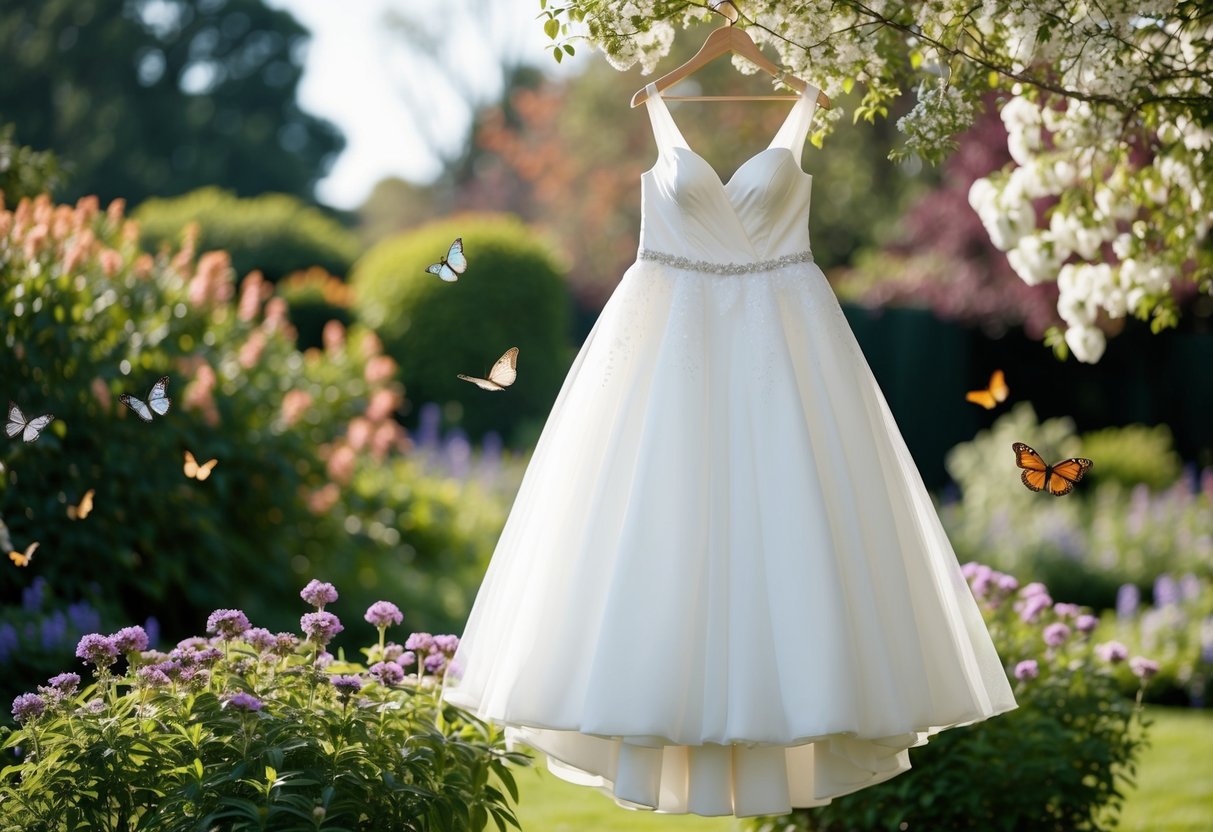
Today, more brides are choosing to wear white as a symbol of their commitment and joy, rather than a reflection of their past. It’s about celebrating your love and what that means to you.
Whether it’s your first wedding or beyond, the color of your dress should reflect your personal style and feelings, not outdated traditions.
Feel free to embrace the beauty of a white dress, knowing it carries different meanings for each bride. Your wedding day is a personal journey, and the choice of your gown should celebrate your unique story.
The History of the White Wedding Dress
The tradition of the white wedding dress has deep roots, primarily influenced by historical events and cultural shifts. Understanding this history can help you appreciate your choices on your special day, regardless of your past.
Queen Victoria’s Influence
Queen Victoria played a crucial role in popularizing the white wedding dress. In 1840, she married Prince Albert in a stunning white gown made of Honiton lace. This choice was groundbreaking at the time. Before her, brides often wore dresses in various colors.
Victoria’s wedding was one of the first heavily photographed royal events, and her choice set trends across Britain and beyond. Many brides began to emulate her style, leading to the widespread acceptance of white as the color of wedding dresses. This shift solidified the association of white with weddings and influenced generations of brides after her.
White as a Symbol of Innocence and Purity
The color white has long been linked to themes of innocence and purity. Historically, many cultures viewed white as a symbol of virginity. This view played a significant role in the popularity of white wedding dresses.
In the Victorian era, a bride wearing white not only made a fashion statement but also conveyed a message about her purity. While this symbolism has evolved, the color white remains a traditional choice for many brides today.
Wearing white can represent new beginnings and fresh starts, showing that it’s about the love shared, not just societal expectations.
Modern Interpretations of Bridal Attire
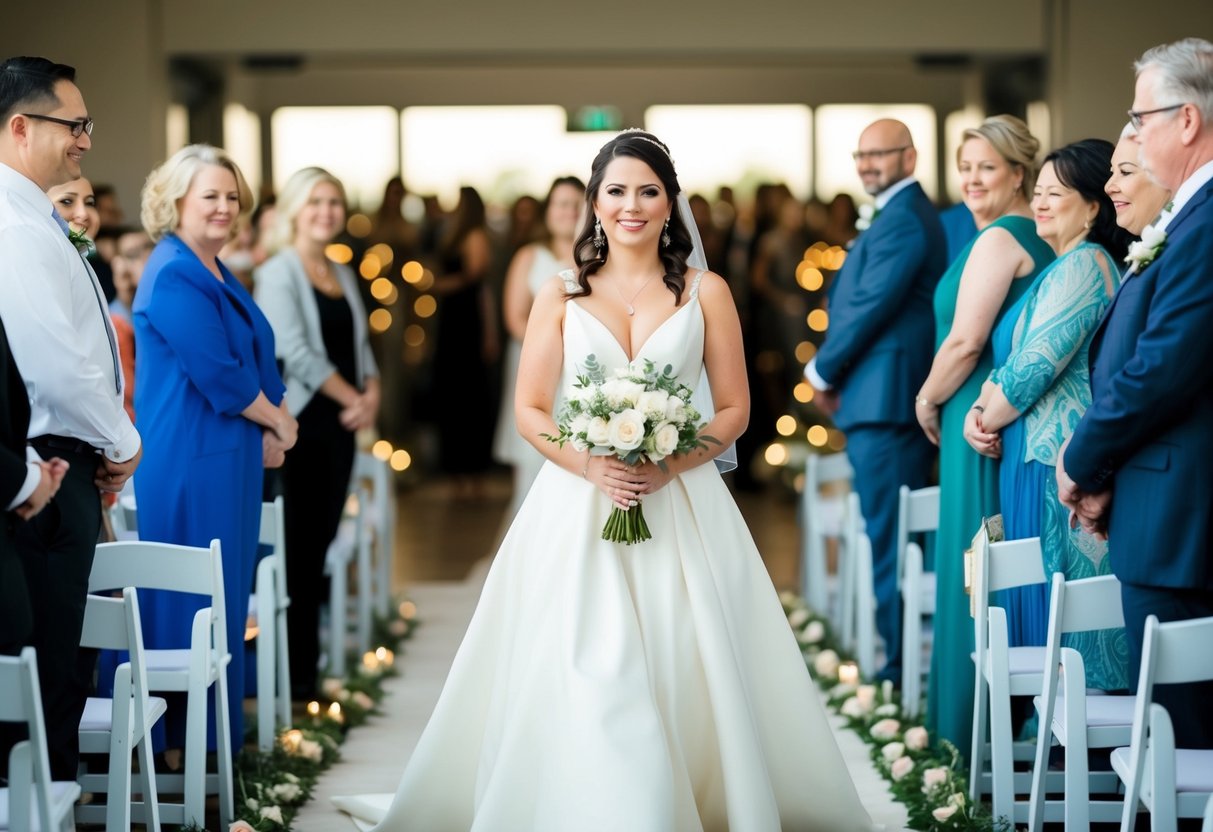
Today, bridal fashion reflects diverse styles and personal expressions. Many brides are rethinking what their wedding day attire should look like, breaking free from outdated traditions. This section looks at how modern style influences choices, especially for non-virgin brides.
The Significance of Personal Style
Your wedding day is a celebration of you. Choosing a dress that reflects your personal style is essential. It’s your opportunity to showcase who you are.
Whether you lean towards a classic look or something bold, your choice should resonate with your aesthetic preferences. This approach embraces individuality and makes the day feel special.
Many brides opt for non-traditional colors or patterns, making their wedding attire more personal and meaningful.
Embracing your style makes your wedding truly yours. You deserve to feel confident and beautiful on your special day.
Non-Virgin Brides and Color Choices
You might wonder about the significance of color if you’re a non-virgin bride. The idea that only virgins can wear white is outdated. In modern society, many brides choose white regardless of their past.
You can wear any color that reflects your personality and style. Many non-virgin brides choose soft pastels or bold hues instead of traditional white. This shift allows you to express your journey and embrace who you are today.
Ultimately, what matters is that you feel comfortable and beautiful in your chosen dress.
Inclusivity in Bridal Fashion Trends
Bridal fashion is becoming more inclusive, opening doors to all brides. Designers now offer a wide range of styles, colors, and sizes. This change makes it easier for every bride to find something that fits her.
Inclusivity means that anyone can wear a wedding dress that resonates with their identity. Whether it’s a colorful gown or a suit, the options are endless.
As societal views shift, the focus is more on the celebration of love rather than adhering to outdated norms.
You have the freedom to choose attire that represents you, ensuring your wedding day is a true reflection of your values and preferences.
Choosing Your Wedding Gown
When selecting your wedding gown, it’s essential to consider aspects such as colors, your skin tone, and the environment of the bridal boutique. The choices you make can greatly affect how you feel on your special day.
Explore your options thoughtfully to find the perfect gown.
Colors and Skin Tones
Choosing the right color for your wedding gown can enhance your natural beauty. Many brides opt for classic white, but there are other colors like champagne, ivory, or even black that can look stunning.
To match your skin tone:
- Cool Tones: If you have a cooler complexion, look for white or ivory shades.
- Warm Tones: Warm complexions often shine in champagne or soft gold dresses.
- Dark Skin Tones: Almost any color works, but rich jewel tones can be striking.
Always consider trying on several colors to see which makes you feel best.
The Role of the Bridal Boutique
The bridal boutique plays a crucial role in your gown selection process. A good boutique will offer a range of styles and colors that fit your vision.
When visiting:
- Ask about customization options. Many boutiques provide alterations to help achieve the perfect fit.
- Sample Sizes: Be prepared to try on various sizes, as sizing can differ widely.
- Experienced staff can provide advice on styles that complement your body type and help navigate your preferences.
Don’t hesitate to express your desires and concerns. The right boutique will make you feel comfortable and supported.
Wedding Dress Codes and Guest Attire
Understanding wedding dress codes is key for both brides and guests. While you may desire to wear white, it’s essential to know when it’s appropriate and how it aligns with your theme.
- Brides typically choose their attire first, but here’s how guests should approach their choices:
- Formal: Long gowns or elegant cocktail dresses.
- Casual: Shorter or lighter dresses can work well.
- White Tie: Full evening dresses are ideal.
If you wear a white gown, opt for styles that stand out to avoid overshadowing the bride. Remember, your aim is to enhance the celebration, not divert attention from it.
Cultural and Personal Significance
The choice to wear white as a bride can hold different meanings based on cultural beliefs and personal values. Your decision may reflect both traditional views and modern beliefs, allowing for individuality in expressing commitment on your wedding day.
Interpreting Traditional and Modern Values
Traditionally, white symbolizes purity and innocence, dating back to Queen Victoria’s wedding in 1840. This cultural significance often makes brides feel the pressure to uphold these customs, especially if they come from communities that value them. However, in contemporary society, many people view weddings as a personal celebration.
You may choose to wear white not just for tradition, but because it resonates with your style. Embracing modern values allows individuals to redefine what a wedding means. Your choice reflects personal significance and authenticity rather than strict adherence to old customs.
The Impact of Societal Expectations
Societal expectations can create tension when deciding on wedding attire. Many still associate white with virginity, making it a topic of discussion for brides who don’t fit this mold.
These traditional beliefs can weigh heavily, especially if family or community values play a big role in your decision-making.
By wearing white regardless of your history, you challenge these norms. It signifies a commitment to your partner and your unique journey together.
Remember, your wedding day is a celebration of love, meant to reflect your values, choices, and individuality. Embracing this can make your wedding attires more meaningful.