
Castle Wedding Venues Quad Cities: Planning Guide
A castle wedding gives you built-in drama, history, and a memorable setting for every part of your day. In the Quad Cities, you can create that feeling through a historic estate, grand mansion, ornate ballroom, or nearby destination venue with stonework, gardens, sweeping staircases, and old-world details.
For castle wedding venues Quad Cities couples, the best starting point is a historic estate or mansion near Davenport, Bettendorf, Moline, or Rock Island because you can keep the fairy-tale style close to home while giving guests easier travel and lodging options. The Hauberg Estate and the Butterworth Center & Deere-Wiman House offer local historic character to explore, while larger destination properties provide a more dramatic castle experience.
Your guest count, ceremony plan, weather backup, vendor rules, and overnight accommodations will shape the right choice. Start by comparing the feeling you want with the practical details that keep your wedding day comfortable. If you are ready to explore local wedding venues, review Quad Cities options and schedule tours with your top choices.
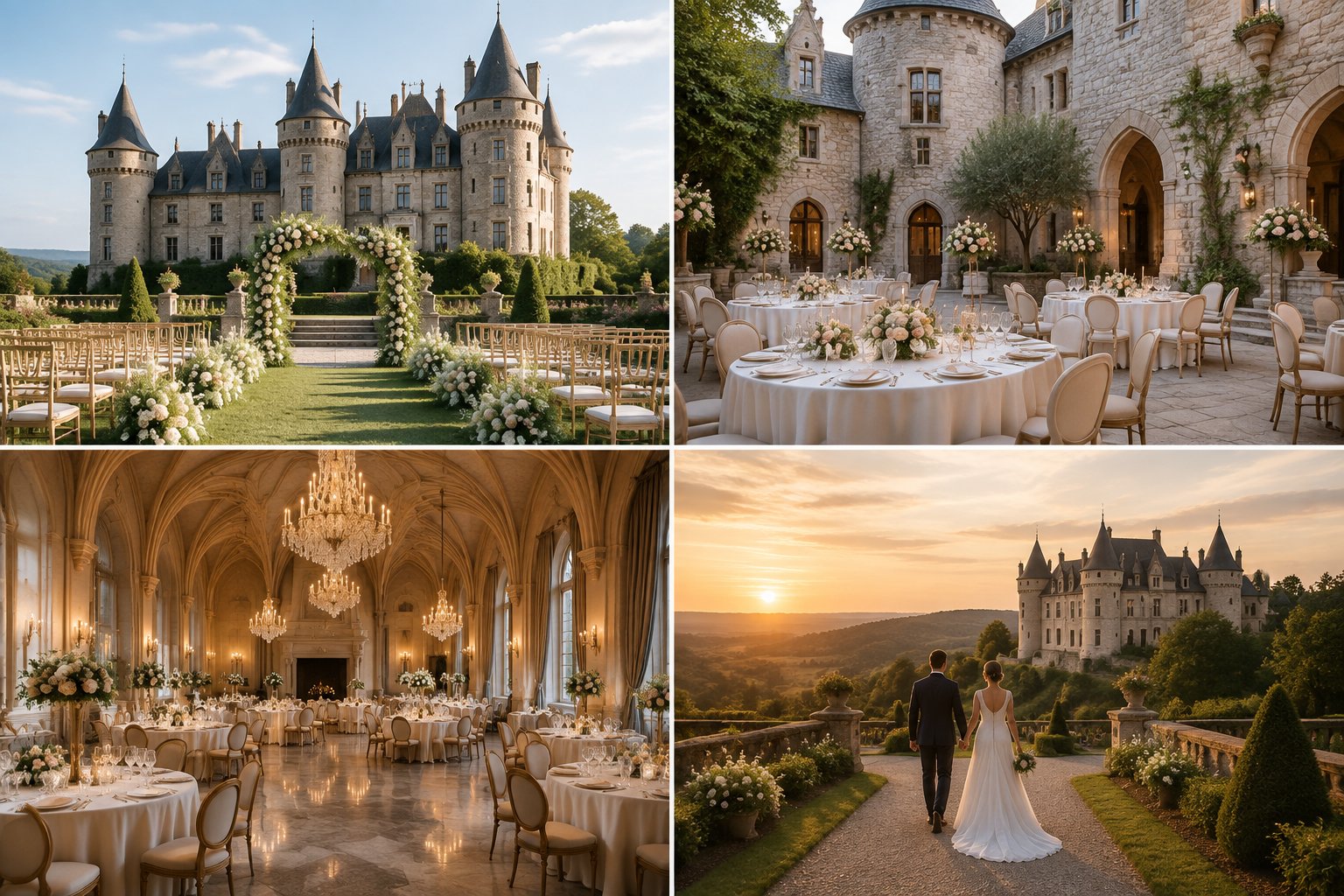
What Counts as a Castle-Inspired Setting?
A castle-inspired setting combines historic architecture, formal grounds, and a reception space with enough character to carry your wedding theme. You can find that look in a grand estate, mansion, ballroom, or private property without booking a medieval fortress.
The right setting gives you strong ceremony backdrops and a clear style direction. It also lets you decide whether you want a local celebration, a destination wedding, an intimate wedding, or an elopement.
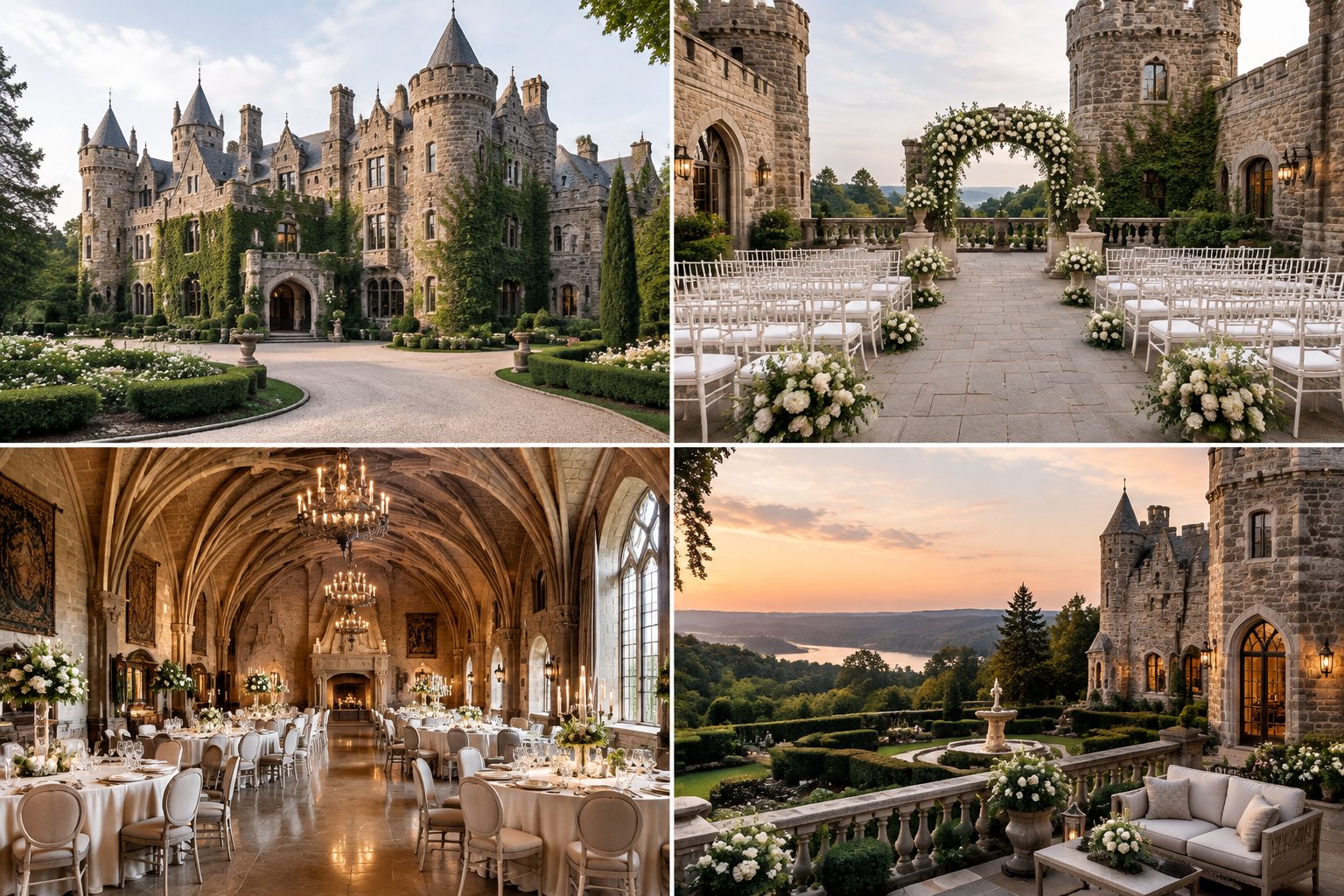
Historic Estates, Mansions, and Châteaus
Historic estates create a refined castle feeling through stone or brick exteriors, mature trees, formal staircases, and preserved interiors. In the Quad Cities, properties such as the Hauberg Estate and Butterworth Center & Deere-Wiman House offer architectural character and local history for portraits, ceremonies, or smaller receptions.
A mansion works well when you want elegance without a large travel plan. Ask whether the property allows weddings, how many guests it seats, and which rooms and grounds are included in the rental.
Château-style venues add French-inspired details such as symmetrical facades, gardens, balconies, and grand windows. Their look pairs well with soft florals, formal invitations, and a polished dinner layout.
Ballrooms and Reception Spaces With Old-World Character
A ballroom can deliver a castle mood through chandeliers, tall ceilings, paneled walls, dramatic staircases, and rich flooring. This option gives you a controlled indoor setting for dinner, dancing, and guest comfort.
When touring a ballroom, check the ceiling height, natural light, dance-floor size, and placement of your head table. Ask whether you can use candles, uplighting, suspended décor, or a large floral installation.
A space with a strong architectural focal point needs less decoration, which can help you direct your budget toward guest experience.
When a Destination Wedding Is Worth Considering
A destination wedding makes sense when the venue itself is central to your vision and your guests are comfortable with the travel. You might choose a distant castle hotel for its historic rooms, full-property setting, or on-site events team.
Keep the guest list focused if you plan an intimate wedding or elopement. Confirm travel times, lodging rates, accessibility, local marriage requirements, and vendor availability before you invite guests.
A weekend schedule with a welcome gathering and farewell brunch helps make the trip feel worthwhile.
How to Find the Right Quad Cities-Area Venue
The right Quad Cities-area venue should fit your guest count, create a smooth path from wedding ceremony to reception, and provide a dependable plan for changing weather. Tour the property during the season and time of day you expect to celebrate.
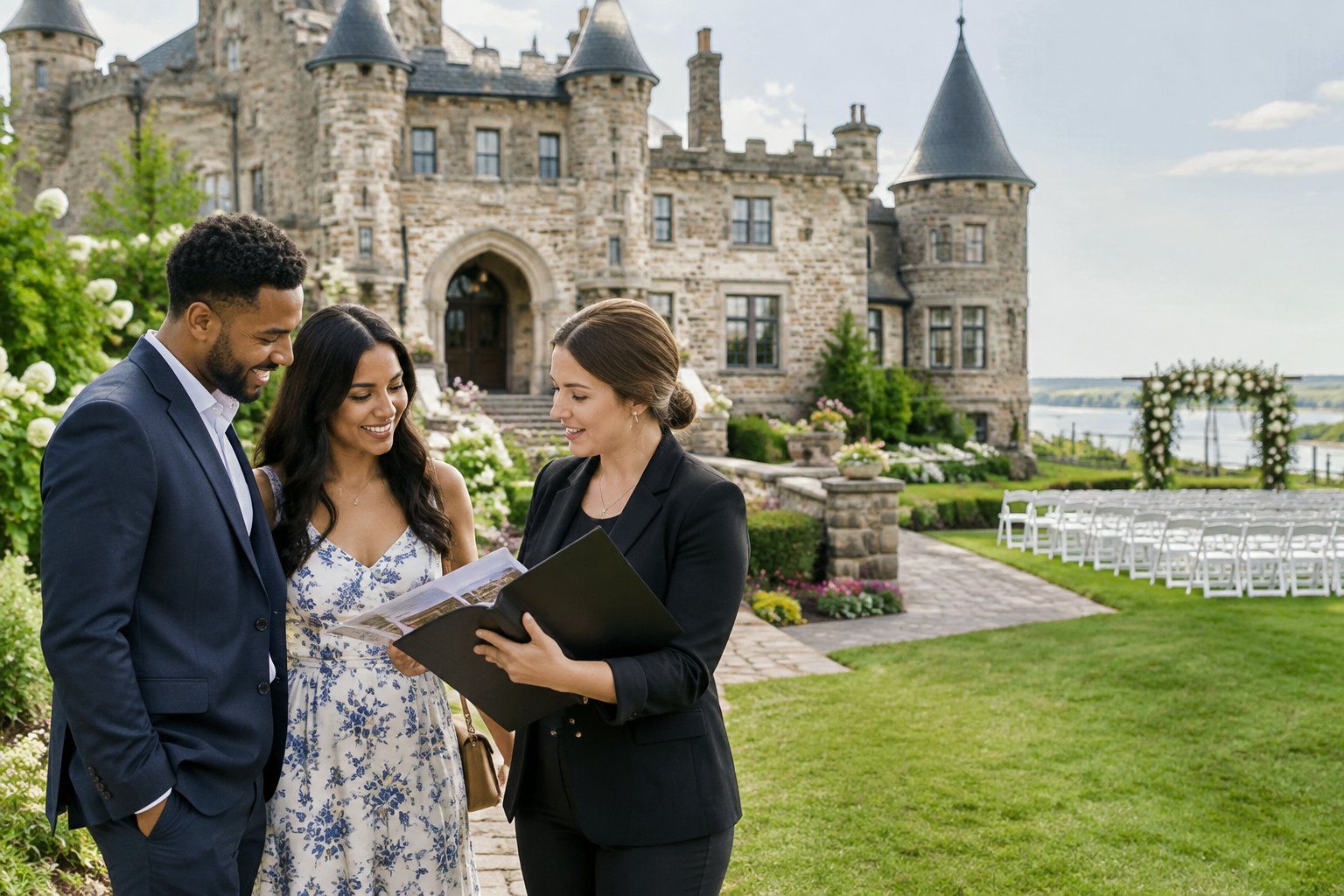
A useful visit covers the ceremony location, cocktail hour route, reception layout, bridal suite, parking, restrooms, loading access, and vendor setup time. Bring your wedding coordinator or planner when possible so you can discuss timing in the actual spaces.
Match the Space to Your Guest Count
Start with your expected guest count, then ask for the seated dinner capacity. A room that fits 200 people for a ceremony may feel crowded once you add dining tables, a bar, a buffet, a dance floor, and a band or DJ.
Request a sample floor plan at your estimated headcount. Check whether guests can move comfortably between the ceremony, cocktail hour, and reception.
For a smaller celebration, choose a room that can be closed or divided so the atmosphere feels warm and connected.
Review parking, restroom access, elevator routes, and paths across the grounds. These details affect older guests, children, and anyone using mobility equipment.
Plan the Wedding Ceremony, Cocktail Hour, and Reception Flow
Map the day as a guest would experience it. A ceremony near the reception space reduces travel time, while a separate garden, courtyard, or gallery can give cocktail hour its own sense of occasion.
Ask where guests wait before the ceremony, where wedding-party portraits happen, and how vendors move equipment. Confirm whether the bar can open quickly after the ceremony and whether food stations create congestion.
Your wedding coordinator should provide a timeline for room flips, photographs, dinner service, speeches, and dancing. Include a private place where you can pause, refresh, and reconnect during the celebration.
Compare Indoor, Outdoor, and Weather-Backup Options
An outdoor wedding needs a clear weather plan before you sign. Ask where the ceremony moves during rain, heat, wind, or unexpected cold, and confirm whether the backup space holds your full guest count.
Review the venue’s rules for tents, heaters, umbrellas, candles, amplified sound, and lawn access. Check the walking surface between buildings and the lighting available after sunset.
If the backup plan changes the ceremony layout, ask to see that arrangement during your tour.
Castle Venues to Use as Style Benchmarks
National castle venues can help you define the look, scale, and guest experience you want for a Quad Cities celebration. Use them as design benchmarks, then find local spaces that offer similar features within your travel and budget limits.
Some properties lean toward Gilded Age glamour, while others focus on gardens, golf-club grounds, museums, or dramatic stone architecture. Comparing those styles helps you explain your vision to local venue teams and designers.
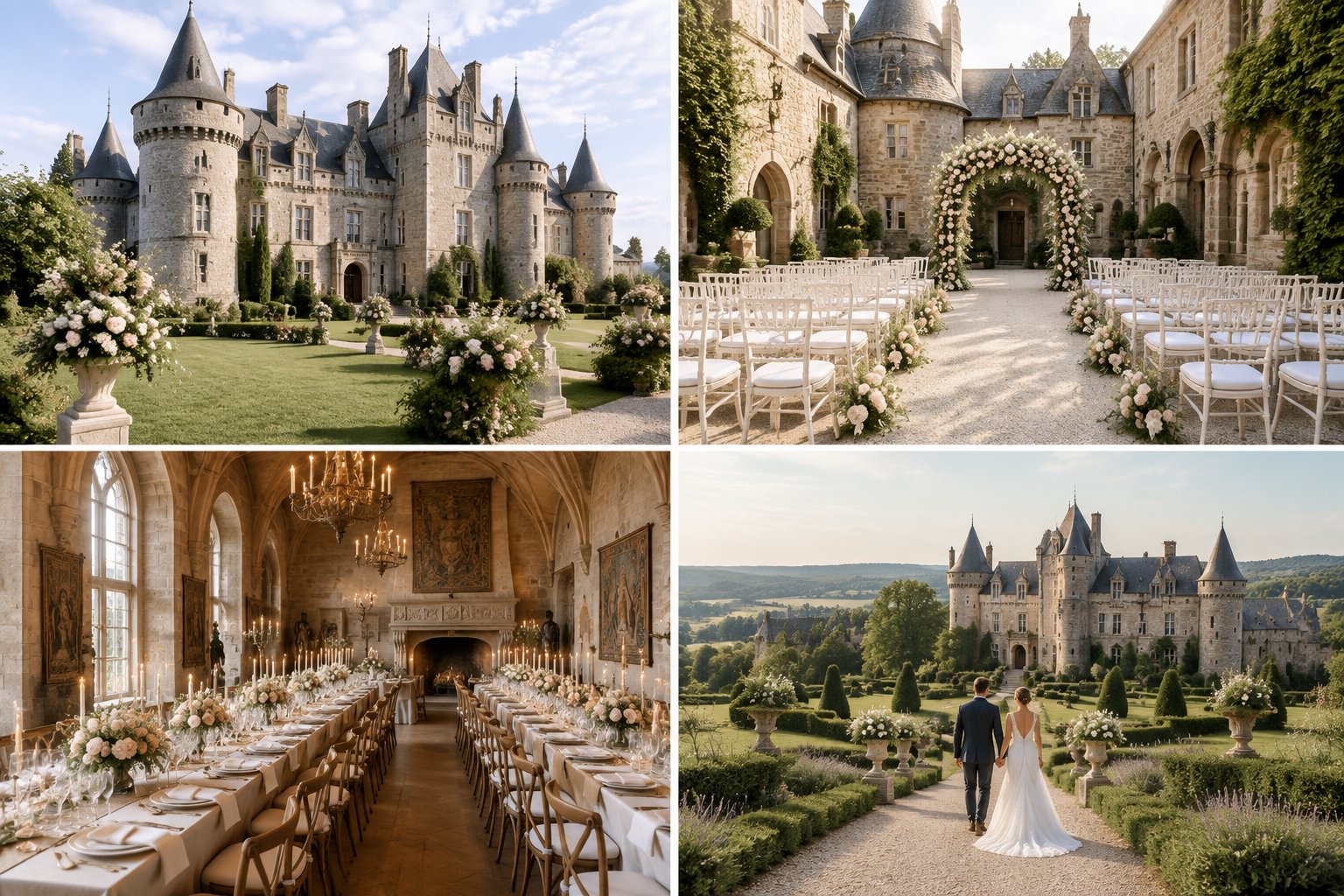
Gilded Age Grandeur on Long Island
Oheka Castle in Huntington, New York, is a strong benchmark for a formal Gilded Age wedding. Its Long Island setting, grand architecture, manicured grounds, and connection to The Great Gatsby create a polished, cinematic mood.
Study the details that create its effect: long approaches, symmetrical landscaping, dramatic entry points, and rooms designed for formal entertaining. You can bring those ideas home through a grand entrance, black-and-white flooring, tall floral arrangements, and a structured reception layout.
Garden and Golf-Club Celebrations Near Rye
Sands Point Preserve offers a coastal estate style with gardens, historic architecture, and outdoor portrait settings. Whitby Castle at Rye Golf Club in Rye, New York, adds the look of a stone castle with golf-club grounds and formal event spaces.
These venues show how landscaping can carry a castle theme even when the reception room has modern event features. Look for tree-lined paths, stone walls, terraces, water views, and lawns that create natural transitions between wedding activities.
Historic and Garden-Focused Northeast Escapes
Skylands Manor in Ringwood, New Jersey, combines historic architecture with landscaped grounds and a woodland setting. Hammond Castle Museum in Gloucester, Massachusetts, offers a more dramatic medieval-inspired atmosphere through towers, stonework, and museum character.
These properties suit couples who want the venue’s history to lead the design. Keep décor focused on lighting, florals, ceremony framing, and table details so the architecture remains visible.
Distinctive Southern and Western Alternatives
Rhodes Hall in Atlanta offers a mansion-style setting with stained glass, carved wood, and historic detail. The Sterling Castle in Shelby, North Carolina, provides a custom castle atmosphere with towers, courtyards, and formal event areas.
The Legacy Castle in Lindon, Utah, delivers a large-scale ballroom experience with a regal architectural style.
Use these examples to compare the feeling you prefer: museum-like history, intimate estate elegance, or a grand ballroom production. Then look for Quad Cities venues with matching elements, such as ornate interiors, stone exteriors, gardens, or dramatic entrances.
What Should You Ask Before Booking?
Before booking a castle-style venue, get written details about pricing, guest lodging, vendor rules, historic-property restrictions, and the services included in your contract. Beautiful architecture should lead to more questions, not fewer.
Tour with your proposed guest count, wedding date, and budget in mind. Ask the venue to show you the exact rooms included, the backup plan, and the schedule vendors will follow.
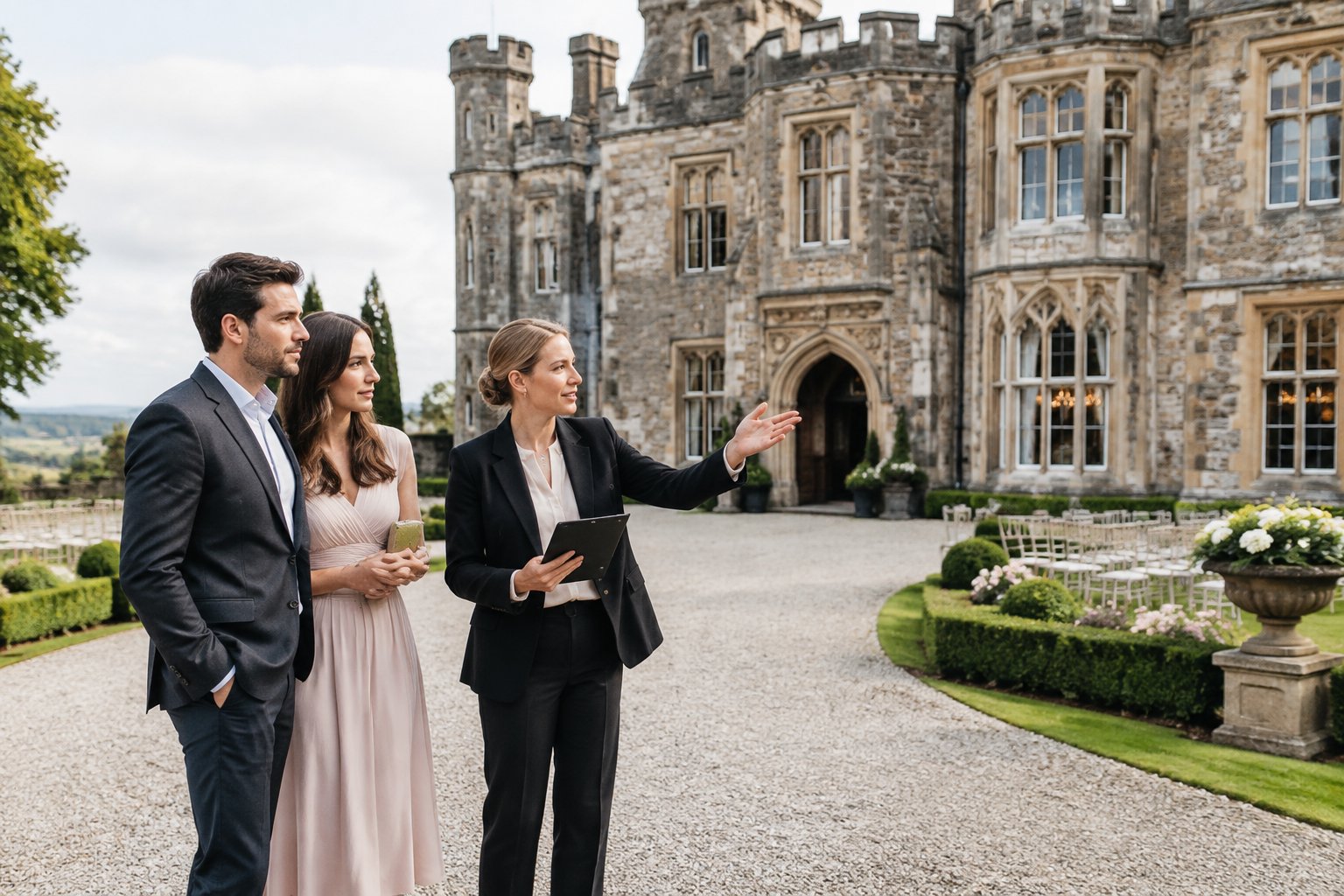
What Do Wedding Packages Actually Include?
Ask for a complete estimate at your guest count. Confirm whether wedding packages include tables, chairs, linens, catering, bar service, staffing, setup, cleanup, lighting, rehearsal access, and a wedding coordinator.
Review the deposit, payment schedule, service charges, taxes, overtime fees, cancellation terms, and required insurance. Ask whether outside caterers, florists, DJs, photographers, and rental companies are allowed.
Also confirm the event hours. A historic venue may have a firm music end time, limited setup access, or a required departure time that affects your timeline.
Can Guests Stay On-Site or Nearby?
Ask whether the property offers overnight accommodations, on-site accommodation, or a partnership with nearby hotels. Confirm the number of rooms, accessible options, check-in rules, breakfast service, and distance from the reception.
If the venue functions as a castle hotel & spa, ask whether wedding guests receive room blocks or special rates. For a local Quad Cities wedding, request nearby hotel recommendations and shuttle options for guests traveling from out of town.
Share lodging information early through your wedding website. A clear plan helps guests arrange transportation and reduces late-night driving concerns.
What Historic-Venue Rules Could Affect Your Plans?
Historic venues protect walls, floors, windows, gardens, and original fixtures through detailed event rules. Ask about candles, open flames, confetti, sparklers, hanging décor, tape, nails, amplified music, food areas, and photography locations.
Check the surface conditions across the property. Gravel paths, stone floors, stairs, and uneven lawns affect footwear and accessibility.
Ask where deliveries arrive, where vendors unload, and who handles damage checks.
A wedding coordinator should explain which rules apply to your ceremony, reception, portraits, and cleanup. Request those requirements in writing before you sign.
Designing a Celebration That Fits the Setting
Your décor should support the building’s architecture, keep guests comfortable in every season, and use the property’s scale with purpose. Choose a few strong design features, then let the rooms, gardens, and historic details provide the rest of the visual interest.
A cohesive palette, intentional lighting, and well-planned guest movement will help your celebration feel personal at any size. The design should guide attention toward meaningful moments such as your ceremony entrance, dinner table, first dance, and cake cutting.
Choose a Wedding Theme That Complements the Architecture
Start with the venue’s existing materials and colors. Stone walls pair well with candlelight, greenery, velvet textures, and warm metallic accents. A mansion with carved wood and stained glass suits refined florals, classic stationery, and tailored attire.
A fairy-tale wedding theme can feel elegant when you keep the details selective. Use one statement installation, such as an arch, escort wall, or head-table backdrop, then repeat smaller design elements throughout the reception.
For a modern look, combine historic architecture with clean linens, sculptural flowers, clear signage, and simple tableware. For a romantic style, layer soft lighting with garden-inspired flowers and comfortable lounge seating.
Create a Comfortable Winter Wedding Plan
A winter wedding needs strong arrival, coat, heating, and transportation plans. Confirm that entrances, paths, restrooms, and parking areas remain safe in snow or ice.
Use candlelight, lanterns, layered textiles, seasonal greenery, and warm-toned lighting to make stone or large rooms feel inviting. Provide a coat area and a comfortable place for guests to gather before the ceremony.
Ask about indoor portrait locations so you are not relying on outdoor photos in freezing weather. Build extra travel time into the schedule and give guests clear instructions for parking and transportation.
Make a Large Property Feel Personal
Use zoning to create smaller moments within a large venue. Place lounge seating near the bar, use long tables to encourage conversation, and position your sweetheart table where guests can see you easily.
Keep the ceremony seating compact when the guest count allows. Warm lighting, clear music cues, personal notes, and a short welcome can make a grand room feel connected.
Choose one or two signature details tied to your story, such as a family recipe, a local Quad Cities reference, or stationery inspired by the property. Place those details where guests will encounter them during the meal and reception.