
Castle Wedding Venues You Can Stay In: Top Planning Tips
A castle wedding venue with overnight accommodations lets you turn one beautiful day into a relaxed wedding weekend. You and your guests can stay near the ceremony, share breakfast the next morning, and enjoy the setting without arranging late-night travel after the reception.
The best castle wedding venues you can stay in combine event spaces with on-site rooms, making them a strong fit for couples who want a fairy tale wedding and an easy guest experience. Room layouts vary widely, from a bridal suite and a few guest rooms to a full estate with cottages or private wings. Confirm the lodging count, event access, catering rules, and minimum stay before you sign.
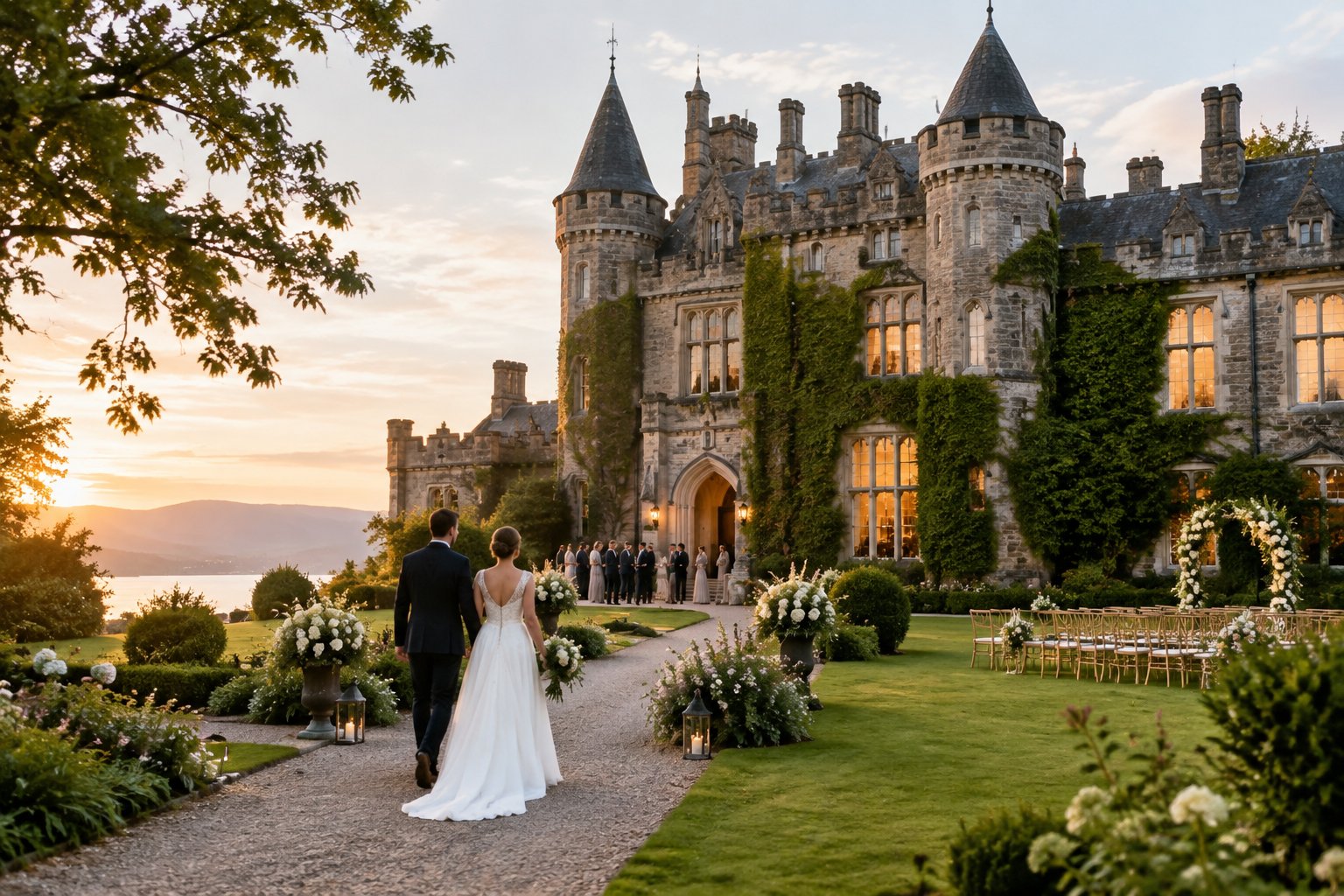
Search by guest count, region, and lodging style, then ask each castle wedding venue for a current proposal. You can also browse wedding venues with on-site lodging to compare castle estates with other overnight options.
What Does Staying at a Castle Venue Actually Include?
Staying at a castle venue can include a private room, access to shared historic spaces, and lodging tied to a wedding package. The exact setup depends on the property, so read the room list and contract closely.
Private Rooms
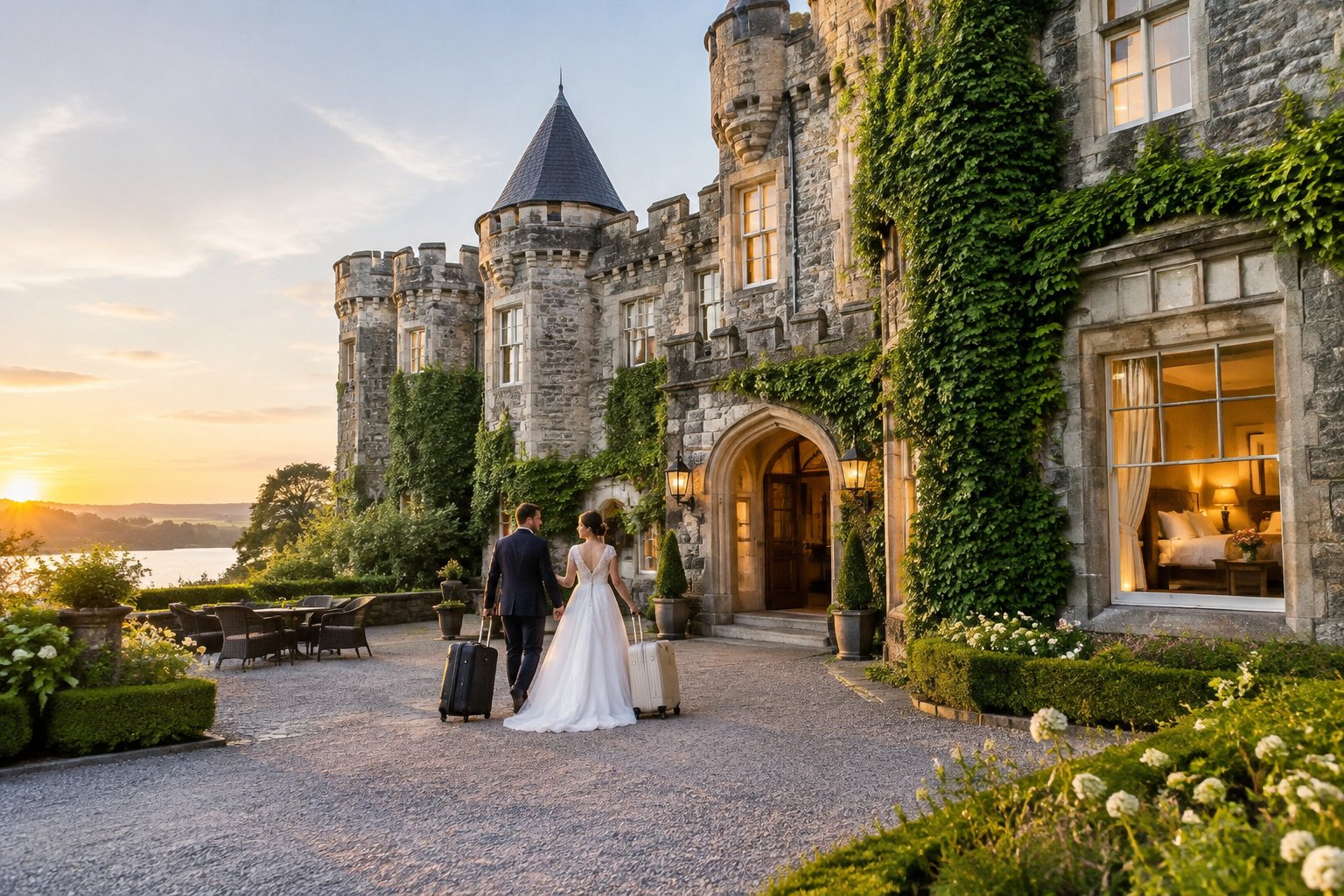
Private rooms give you and your wedding guests a place to sleep on the property after the celebration. Some venues reserve rooms for the couple and wedding party, while others offer the full room inventory to guests through a room block.
Ask whether rooms include private bathrooms, climate control, breakfast, parking, and access to common areas. Historic buildings can have stairs, narrow halls, or rooms in separate wings, so request an accessibility plan before assigning guests.
Tower Suites
Tower suites create a memorable bridal retreat or honeymoon room. They may include a sitting area, tall windows, historic details, or a private view of the grounds.
Check the route from the suite to the ceremony and reception spaces. A dramatic tower room can sit several floors above the main hall, and stairs may affect comfort, luggage delivery, and accessibility.
Cottages, and Sleeping Wings
Cottages and sleeping wings give larger groups more privacy across the estate. A cottage can work well for parents or the wedding party, while a separate wing helps guests settle in when the reception ends.
Ask for a property map showing room locations, shared entrances, parking, and walking distances. Confirm whether the cottages are included in your wedding packages or priced as separate rentals.
Who Can Stay On-Site and Who Needs a Nearby Hotel
On-site lodging rarely covers every guest at a large wedding. Reserve rooms for people who need easy access, then arrange a nearby hotel block and transportation for everyone else.
Share hotel details with your invitations or wedding website. Include check-in times, shuttle plans, driving distance, and the deadline for booking rooms.
From One-Night Access to a Full Wedding Weekend
A one-night stay may cover the wedding date, while a full wedding weekend can include early check-in, a welcome gathering, the ceremony, and a farewell brunch. Ask when the property becomes private and when your rental period ends.
A longer stay gives you more time to enjoy the great hall, gardens, and guest lounges. It also adds lodging charges, food costs, staffing, and extra event rentals, so request a day-by-day estimate.
How to Choose the Right Overnight Castle Experience?
Choose an overnight castle experience by matching the property’s history, lodging capacity, event flow, and service model to your guest list. A photogenic estate still needs practical rooms, weather backup space, parking, and a clear plan for catering.
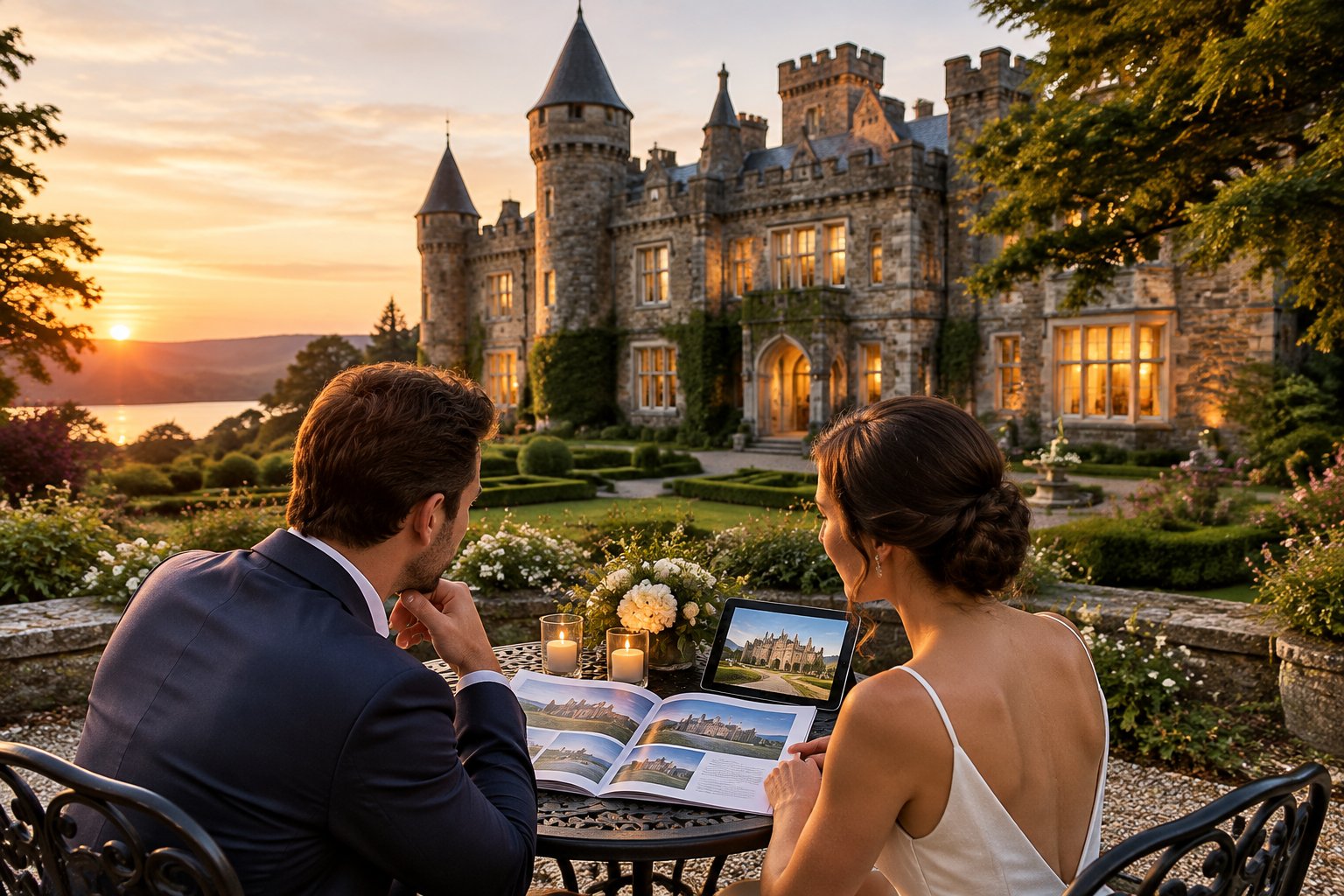
Turrets, chandeliers, formal gardens, and manicured grounds set the mood. In-house catering, room access, and exclusive-use terms shape how smoothly your wedding operates.
Historic Castle, Château, Manor, or Castle-Inspired Estate?
A historic castle gives you original masonry, towers, and stories tied to the property. A château often brings French-inspired rooms and gardens, while a manor may offer a more residential layout with guest rooms.
A castle-inspired estate can provide the look with newer utilities and event infrastructure. Compare heating and cooling, bathrooms, elevators, sound limits, kitchen access, and outdoor lighting.
Ask which areas are open for weddings and which remain private or protected.
Why Exclusive-Use Policies Matter
Exclusive use gives you control of the main event areas and reduces overlap with unrelated visitors or events. Confirm whether exclusivity covers guest rooms, gardens, lounges, parking, and the late-night reception area.
Read the contract for arrival times, noise curfews, vendor access, security, cleanup, and restrictions on candles or decorations. A property can call itself exclusive while reserving certain rooms for the owner or hotel guests.
The Best Spaces for Your Ceremony, Reception, and After-Party
Plan the day around spaces that connect easily. A garden, terrace, chapel, or lawn may suit the ceremony; a great hall or ballroom can hold dinner; a library, courtyard, or lounge can host late-night drinks.
Request floor plans with seated capacity, dance-floor dimensions, bar placement, restrooms, power sources, and a rain plan. Walk the guest route from ceremony to cocktail hour to reception so older guests and anyone with mobility needs have a comfortable path.
Standout U.S. Castles With On-Site Lodging
Standout wedding venues in the United States range from Gilded Age estates to purpose-built castle retreats, with lodging policies that differ by property. Treat the names below as starting points, then confirm current wedding use, room inventory, and event terms with each venue.
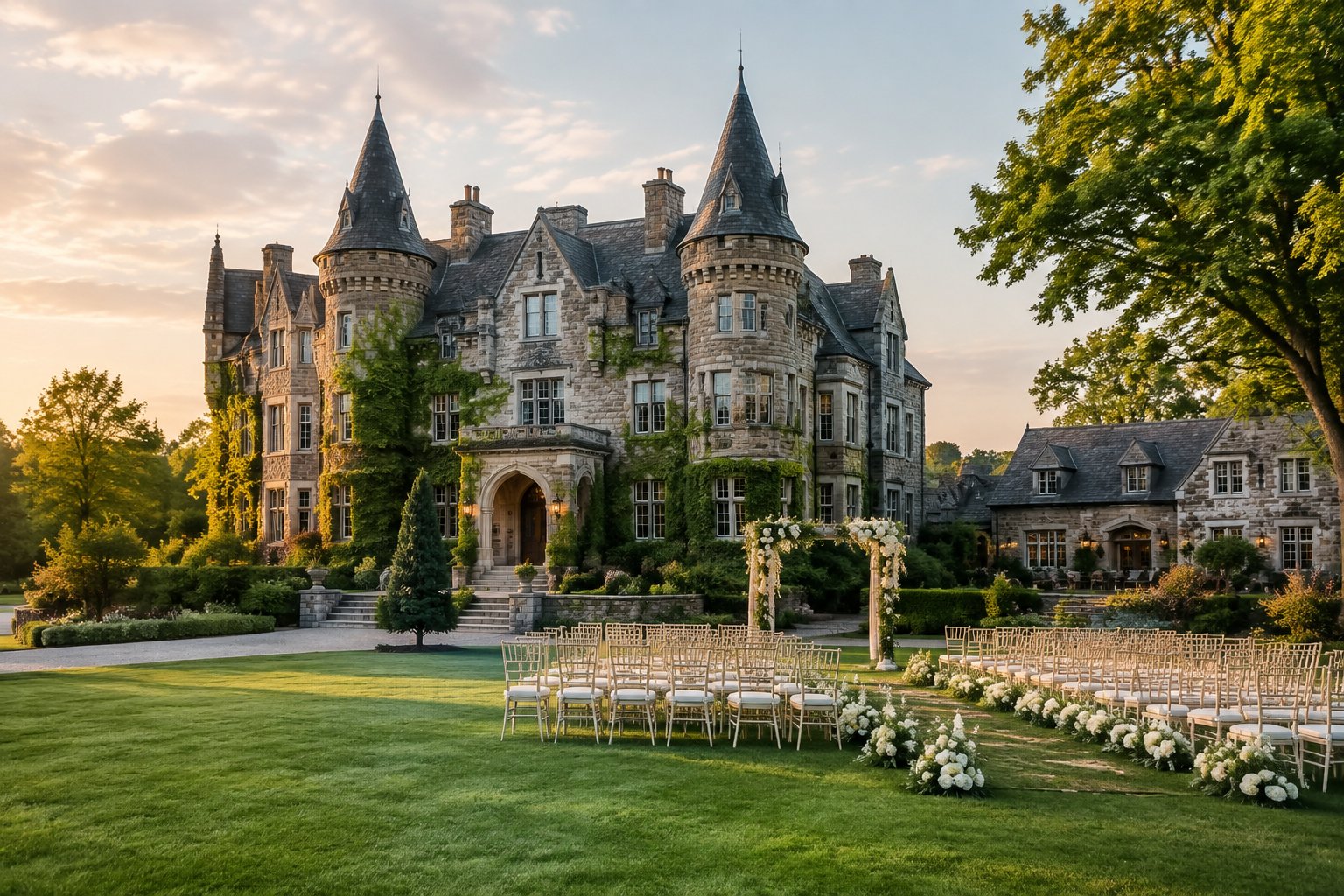
Some properties host weddings and overnight stays on the same grounds. Others offer limited rooms or connect you with nearby lodging, so ask for a current accommodation list before promising rooms to guests.
Northeast Estates and Gilded Age Settings
In the Northeast, options include Oheka Castle on Long Island, Rosecliff in Newport, Rhode Island, and Sands Point Preserve. Whitby Castle in Rye and Skylands Manor in Ringwood add formal architecture, gardens, and grand interiors.
Hammond Castle in Gloucester, Massachusetts, operates as the Hammond Castle Museum and has a museum setting with historic character. Ask whether your preferred event format and guest lodging plan fit the property’s current rules.
Southern and Mid-Atlantic Castle Escapes
Rhodes Hall in Atlanta offers a historic mansion setting for couples who want city access. Saint Clements Castle & Marina in Connecticut combines castle-style architecture with waterfront grounds.
Thornewood Castle in Washington, The Castle at Rockwall in Texas, and Castle Green in Pasadena provide distinct regional settings. Room counts, ceremony areas, and reception limits vary, so compare the full guest journey instead of focusing on the exterior.
Western Castle-Style Retreats
Alden Castle in Riverside, California, brings castle-inspired style to a Southern California celebration. The Sterling Castle in Shelby, North Carolina, offers a private estate setting with overnight options that suit a smaller wedding group.
Biltmore in Asheville, North Carolina, delivers a large destination experience with extensive grounds and nearby lodging choices. Lindon and other castle-style properties may appeal when you want a private retreat, so ask about travel time, room assignments, and vendor access.
Alternatives for a Grand City or Destination Celebration
A palatial hotel or overseas castle can deliver the same sense of ceremony when a U.S. overnight castle does not fit your location, capacity, or travel plans. Your choice should account for guest travel, legal requirements, room availability, and the number of events you want to host.
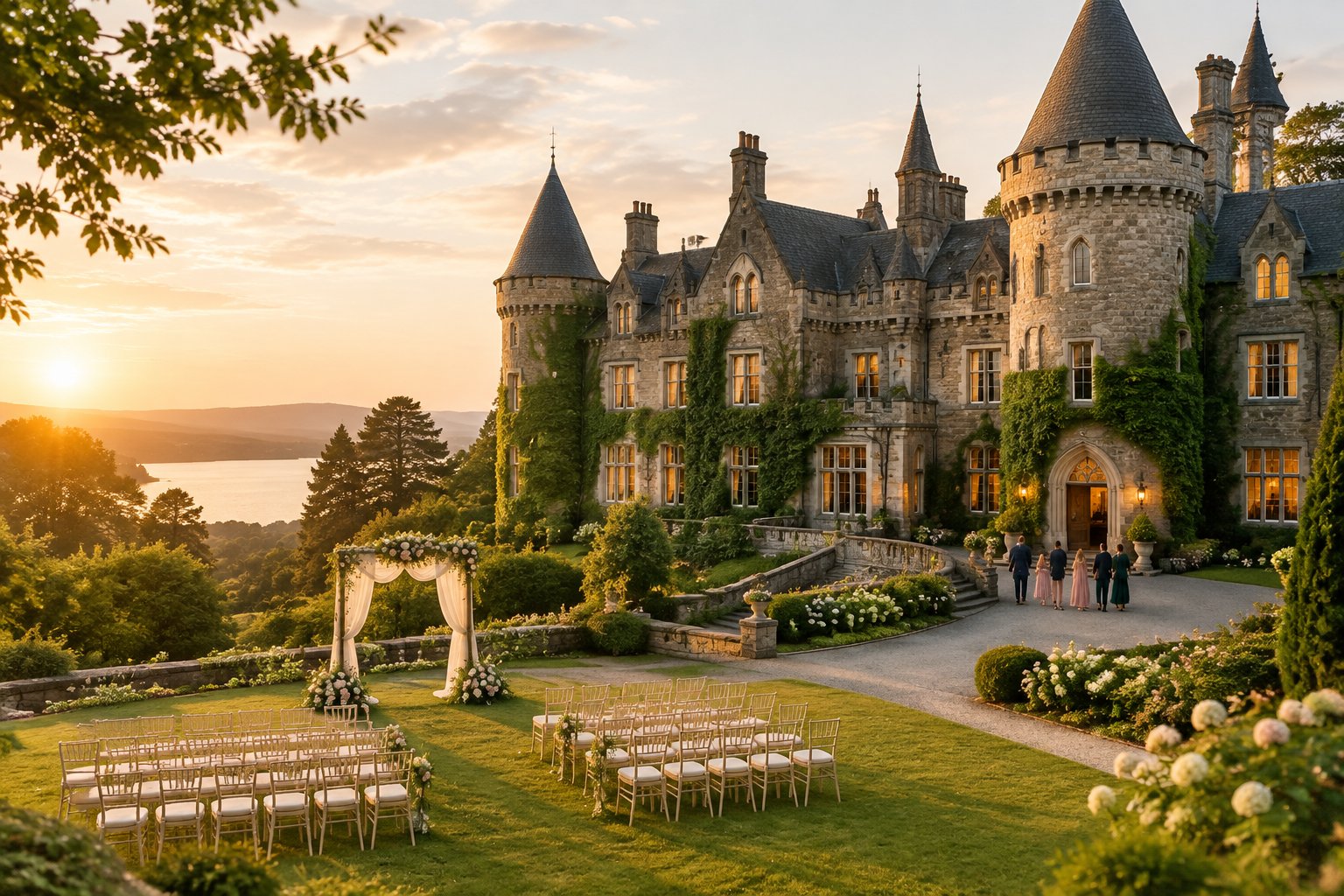
You can keep guests in one building, plan a destination wedding abroad, or choose a castle-style estate with modern lodging. Each path changes the schedule, budget, and amount of planning required.
Palatial Hotels for a New York City Wedding
For a New York City celebration, Lotte New York Palace offers a grand hotel setting with guest rooms, formal interiors, and central city access. It suits couples who want lodging, reception space, and guest services in one urban property.
Ask about room blocks, event floors, minimum food and beverage spending, ceremony spaces, and transportation. A city hotel also makes it easier for guests to add sightseeing before or after the wedding.
Irish and English Castles for a Destination Wedding
An Irish castle can provide an intimate historic stay, while properties associated with Warwick Castle or Leeds Castle offer strong heritage settings in England. Gloucester and surrounding areas can also serve as bases for an English castle celebration.
International planning adds flights, passports, currency exchange, local vendors, legal paperwork, and guest travel time. Ask whether the property hosts civil ceremonies, symbolic ceremonies, or receptions after a legal ceremony at home.
When a Castle-Style Venue Is the Better Fit
A castle-style venue works well when you want turrets, stone details, grand staircases, and on-site rooms with updated event facilities. Newer construction can offer easier access, reliable utilities, and flexible layouts.
Compare the venue’s room inventory with your guest list. A castle-inspired estate that sleeps most of your group may create a smoother wedding weekend than a historic property with a smaller number of rooms.
Questions to Ask Before You Book
Ask for written answers about guest capacity, room assignments, catering, event timing, and cancellation terms before booking. A clear proposal helps you compare wedding packages without assuming that lodging or event access is included.
How Many Guests Can Sleep on the Property?
Ask for the exact number of rooms, beds, bathrooms, and accessible rooms. Request a sample room assignment and confirm whether the couple, wedding party, children, and vendors can stay on-site.
Then calculate how many guests need nearby hotels. Include the drive time, shuttle cost, parking, and late-night return plan in your budget.
Are Lodging, Catering, and Event Spaces Included?
Ask whether overnight accommodations are included in the venue fee, sold separately, or required as part of a minimum stay. Request an itemized quote for rooms, ceremony space, reception space, rentals, staffing, taxes, service charges, and deposits.
For in-house catering, review menus, tasting dates, bar service, dietary accommodations, cake policies, and outside-vendor rules. Confirm which rooms and grounds your contract reserves.
Can You Host the Rehearsal Dinner and Farewell Brunch?
Ask whether the property permits a rehearsal dinner, welcome drinks, breakfast, or farewell brunch. Confirm available rooms, meal minimums, setup fees, service hours, and guest capacity for each event.
A multi-day schedule works best when guests have clear arrival instructions and downtime between gatherings. Put every confirmed event and access period into the contract.
How to Confirm Current Availability, Pricing, and Policies
Contact the venue directly for current dates, rates, lodging details, and restrictions. Pricing changes with season, guest count, event length, and room demand, so request a dated proposal.
You can also use CastlesForWeddings.com as a planning reference while building your shortlist, then verify every detail with the property owner or venue coordinator. Before paying a deposit, review the contract’s cancellation, postponement, insurance, noise, accessibility, and weather policies.