
Cheap Mountain Wedding Venues: Smart Ways to Save
A mountain wedding feels expensive because the scenery does the decorating for you, yet your venue choice still shapes catering, travel, rentals, and staffing costs. Cheap mountain wedding venues usually include public park sites, community halls, historic lodges, farms, and smaller inns that offer strong views with flexible packages. Choosing a smaller guest list, an off-season date, and a property with useful inclusions helps you keep the wedding budget under control.
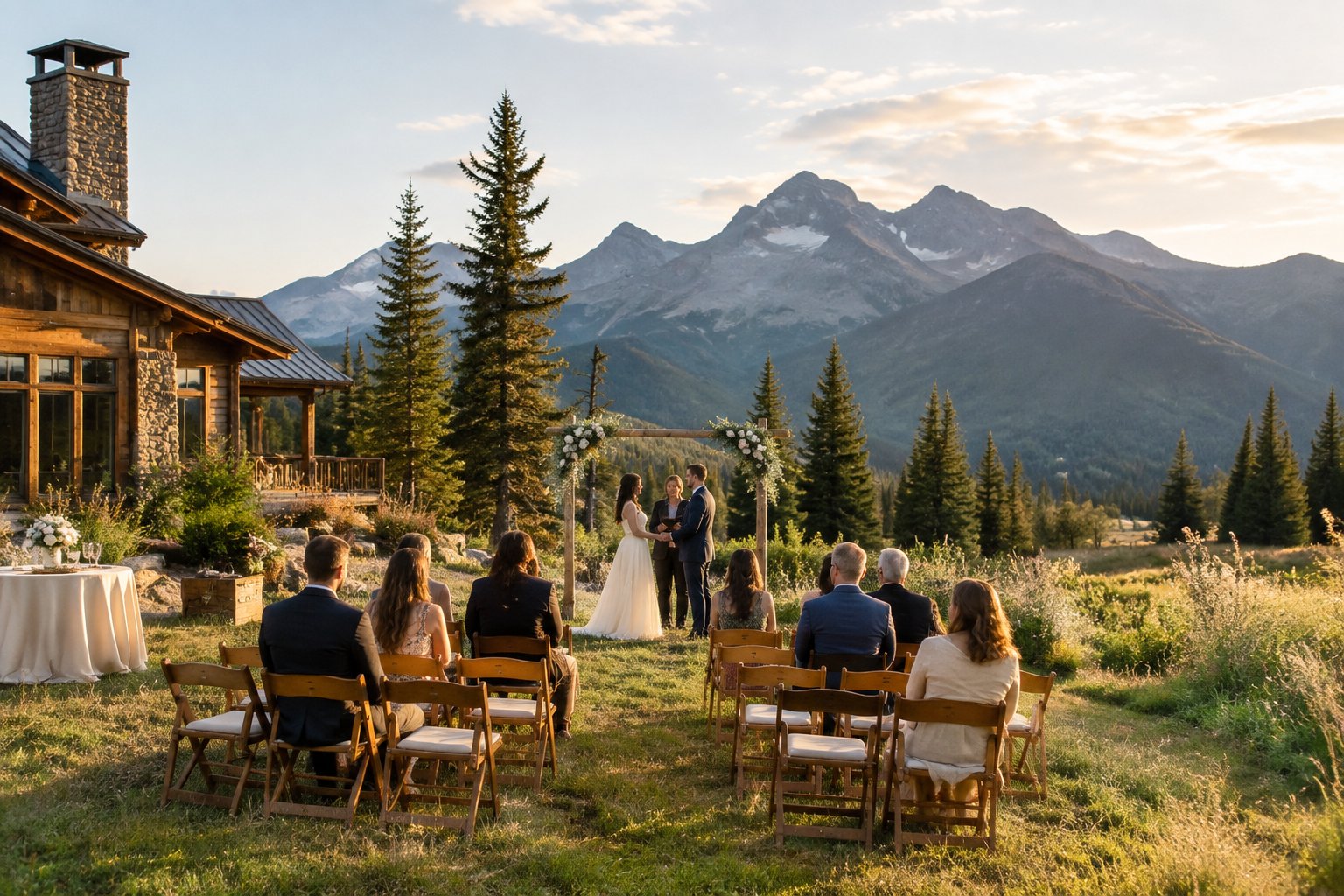
Start your wedding planning with a total spending limit, then compare the complete event cost instead of the rental fee alone. A low site price can lose its value when you add transportation, tables, restrooms, permits, lodging, or required vendors. You can also explore affordable wedding venues near the mountains as you narrow your search.
Begin contacting properties early and ask for an itemized quote that includes every required charge.
What Does a Budget-Friendly Mountain Celebration Cost?
A budget-friendly mountain celebration can range from a modest site rental to a full package with food, lodging, and services, so your guest count and inclusions determine the useful price estimate. Venue rental costs represent only one part of the total, while taxes and other fees, catering, rentals, and travel can shift your final number.
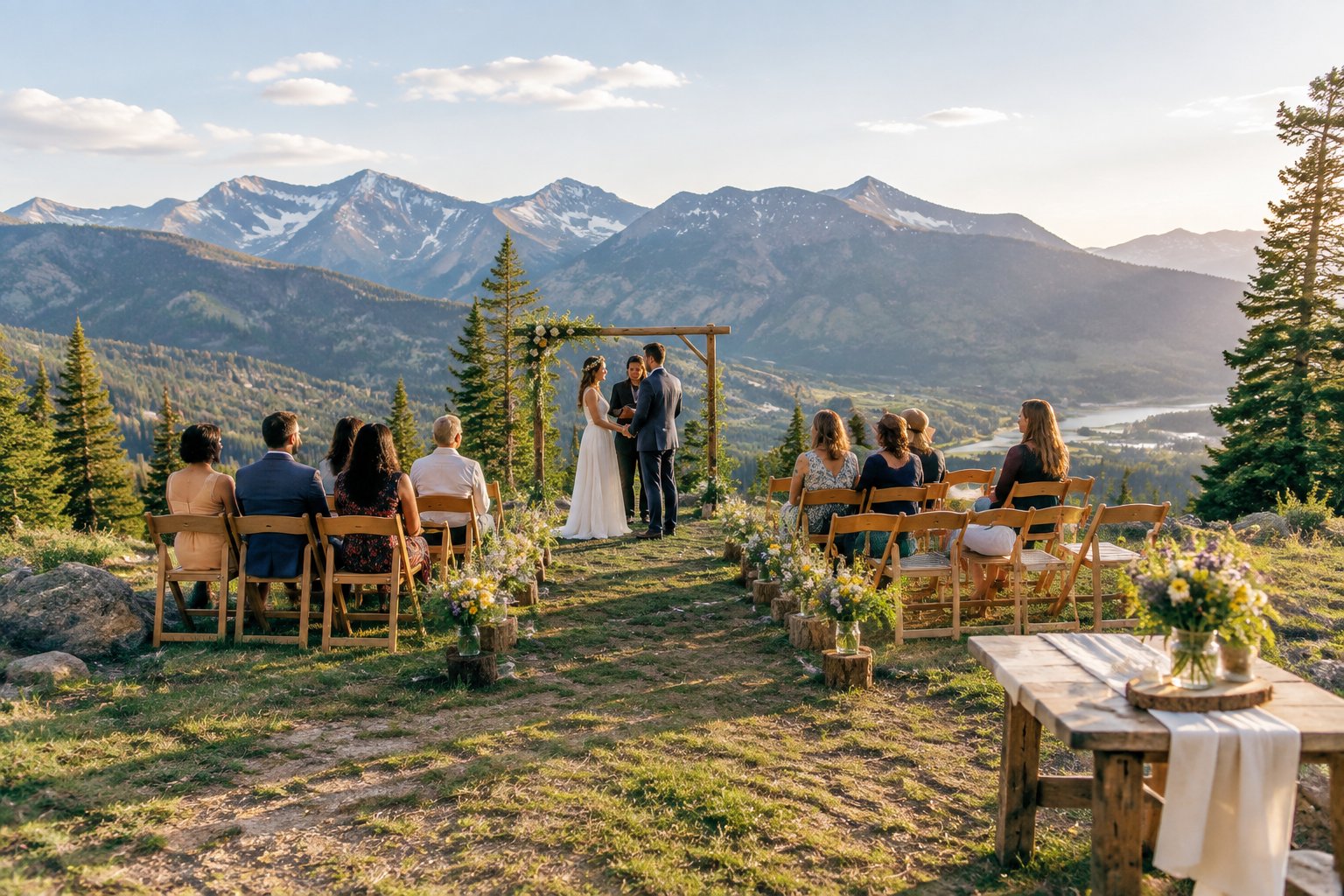
Compare each quote by asking what it covers, how many hours you receive, and whether the ceremony and reception share the same space. A wedding weekend that includes a rehearsal dinner, welcome gathering, or guest lodging needs its own line in your wedding budget.
How Venue Rental Costs Differ by Venue Type
Public parks, community centers, and simple lodges often have lower rental fees because they provide a usable setting without a full-service wedding team. Farms, private estates, and mountain resorts may charge more for privacy, staff, furniture, lodging, or a polished guest experience.
A venue-only quote gives you control over vendors, though you will need to price tables, chairs, lighting, restrooms, setup, cleanup, and weather protection. An inclusive package combines more services and may reduce planning work, while its food and beverage minimum can raise the total.
Use a spot estimate when a venue listing provides one. Treat it as a planning figure until the property confirms guest count, date, menu, service fees, and taxes.
Fees Beyond the Initial Quote
Ask for these possible charges in writing:
- Sales tax and service fees
- Ceremony fees and rehearsal access
- Overtime for setup, cleanup, or music
- Tables, chairs, linens, glassware, and tenting
- Catering, cake cutting, corkage, and vendor meals
- Bar staff, security, insurance, and cleanup
- Parking attendants, shuttles, and transportation
- Heaters, generators, restrooms, or lighting
- Lodging minimums and resort fees
Mountain roads can increase delivery and vendor travel costs. A lower rental fee may require more outside equipment, while a higher quote may include furniture, staff, and indoor backup space.
How Guest Count Changes the Total
Guest count affects venue size, food, drinks, rentals, restrooms, parking, and transportation. A 30-person ceremony can fit an overlook, inn, or small lodge; a 150-person celebration needs larger access routes, bathrooms, kitchen support, and reception space.
Set a guest range before requesting proposals. Ask each venue for pricing at your likely count and a smaller count so you can see which costs remain fixed and which rise per person. A smaller list can also make a private estate, cabin property, or historic lodge fit your budget.
Which Venue Styles Deliver Mountain Views for Less?
Public sites, community halls, rustic properties, and smaller lodging-based venues deliver mountain views for less when they combine scenery with practical event features. Venue styles differ in privacy, vendor freedom, weather protection, and included equipment, so match the setting to your guest experience.
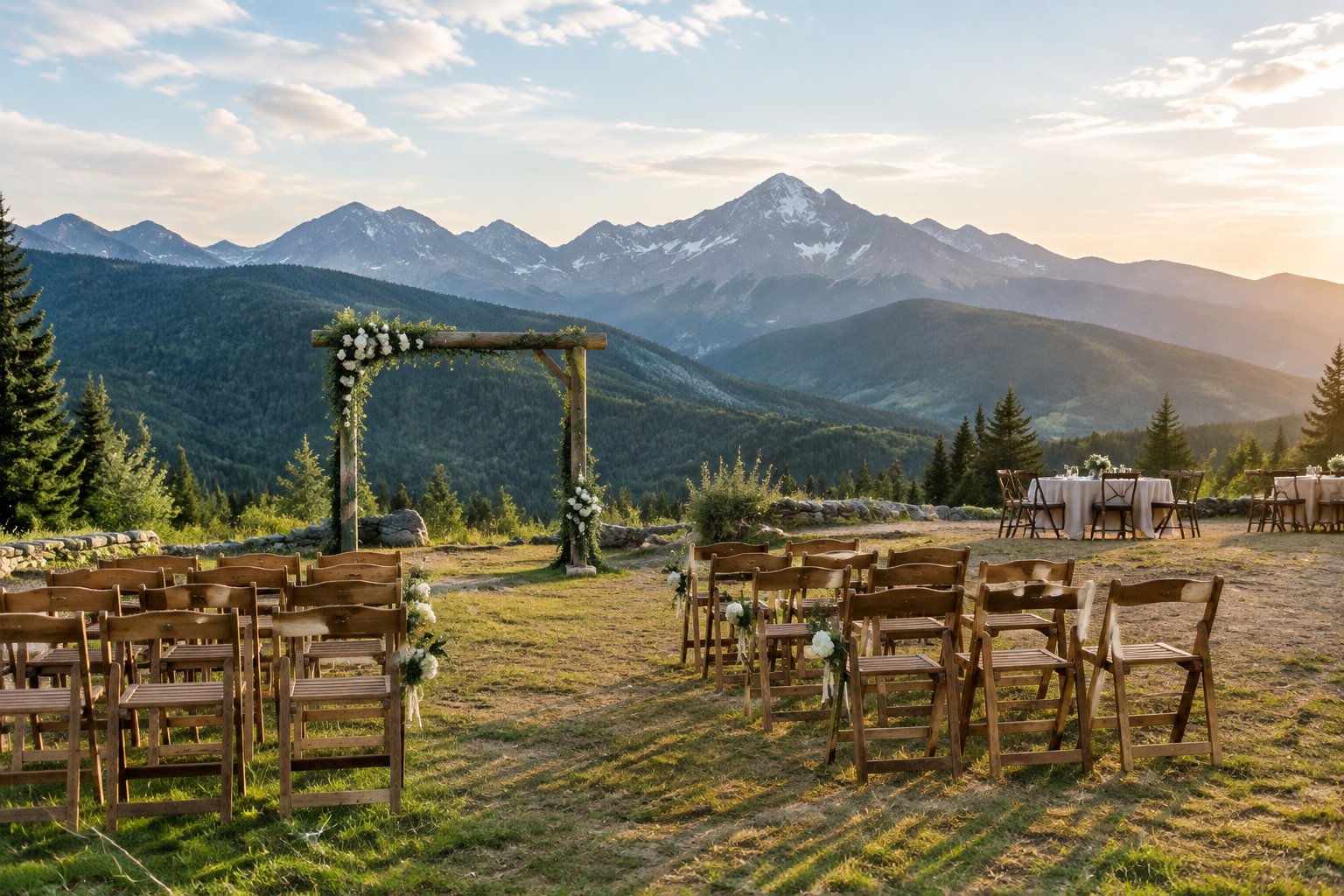
A community center or banquet hall may offer a plain interior, while a farm or overlook supplies natural character. An event center, inn, hotel, or resort may cost more per booking while reducing rental coordination. Search by venue type as well as by scenery to find more choices.
Public Parks, Overlooks, and Amphitheaters
Public parks can provide dramatic views at a manageable site fee. Look for designated ceremony areas, picnic shelters, overlooks, and amphitheaters near parking and restrooms.
Confirm the permit process, guest limit, sound rules, alcohol policy, decor restrictions, and rain plan. Ask whether the site is shared with other visitors and whether your reservation covers only the ceremony or also a reception. A park works well for a short ceremony followed by dinner at a nearby restaurant, community hall, or inn.
Community Halls and Historic Lodges
A community center, historic lodge, or modest event center gives you indoor space for dinner and dancing while keeping the landscape close. These properties may allow outside catering, BYO beverages, local florists, and flexible setup times.
Inspect the kitchen, restrooms, heating, parking, lighting, and furniture before booking. A hall with tables and chairs included can cost less than a cheaper empty room that requires extensive rentals. Historic details such as stone walls, timber beams, or large windows also reduce the need for decor.
Ranches, Farms, and Private Estates
Ranches, farms, and private estates create a relaxed mountain wedding with fields, trails, barns, or broad valley views. A working property may offer space for the ceremony and reception along with guest cabins or a farmhouse.
Ask about uneven ground, restroom access, power, lighting, parking, noise limits, and vendor loading. A private estate, mansion, or manor brings more privacy and architectural character, though staffing and rentals deserve close review. Farms with an existing barn or covered pavilion provide stronger weather protection than open lawn sites.
Inns, Hotels, and Ski Resorts
An inn or hotel can combine guest rooms, event space, catering, and breakfast in one location. Ski resorts and mountain resorts add lifts, terraces, ballrooms, and indoor reception areas, with pricing tied closely to season and demand.
Ask about room blocks, minimum stays, resort fees, shuttle routes, and event end times. A resort can be a good value for a destination wedding when guests need lodging and meals on site. Compare its package with a smaller lodge before choosing a ballroom or private club.
Affordable Places to Consider Across the United States
Affordable mountain wedding searches become easier when you compare less commercial areas near major ranges, including the Rockies, Cascades, Green Mountains, and accessible desert peaks. Nearby towns can offer community spaces, farms, and inns while keeping guests within reach of airports, restaurants, and lodging.
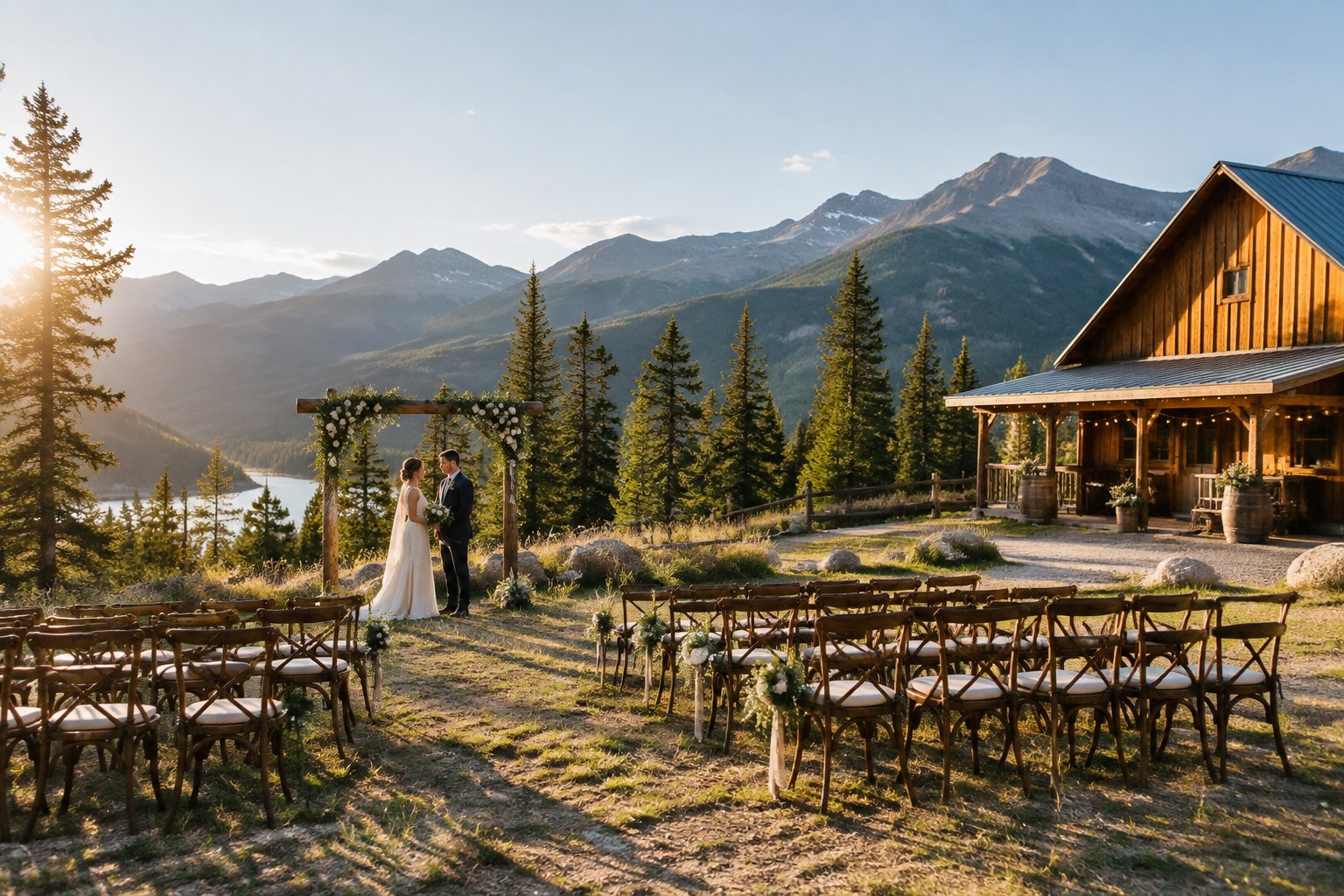
Use famous destinations as starting points, then search surrounding communities for lower site fees. Check permit rules for public land and compare drive times before inviting guests to a remote location.
Colorado and the Rocky Mountains
Colorado offers a wide range of mountain venues, from public spaces near Denver and Boulder to ranches around Colorado Springs, Granby, and Silverthorne. Rocky Mountain National Park provides iconic scenery, though ceremony permits, guest limits, and park rules require careful planning.
Aspen, Vail, and Vail Resorts deliver polished mountain settings with strong guest services. Their peak-season prices can rise, so compare weekday and shoulder-season dates. Granby Ranch and the Silverthorne Pavilion offer examples of destination-style settings worth comparing with smaller lodges and community spaces.
Red Rocks near Denver provides a memorable backdrop for ceremonies and photos. Ask about event restrictions, access, reception options, and transportation before adding it to your shortlist.
The Pacific Northwest and Cascade Mountains
The Cascade Mountains offer forest settings, volcanic views, and towns with a range of lodging prices. Look near Mt. Hood, Bend, and smaller communities outside major resort centers for farms, lodges, parks, and private retreats.
Lake access, forest roads, and winter weather can affect guest travel. Confirm heating, covered space, parking, and shuttle needs before booking. A venue near a regional airport or a larger town may reduce vendor travel charges and make the wedding weekend easier for guests.
New England, the Hudson Valley, and the Green Mountains
New England gives you mountain scenery through the Adirondacks, Green Mountains, and Hudson Valley. Stowe offers ski-town amenities, while properties near the Hudson Valley can combine scenic hills with historic estates, farms, and inns.
Mohonk Mountain House has a distinctive resort setting, while smaller properties may offer a more flexible budget. Ask about minimum stays, catering rules, and weekend pricing. Historic barns, community halls, and farm venues near major roads can provide a mountain feel without a remote resort package.
Utah and Other Accessible Western Destinations
Utah offers mountain and desert scenery near Salt Lake City, Park City, and other accessible communities. Sedona brings red-rock views and a strong visitor network, while Alpine Meadows provides a Sierra setting with outdoor ceremony potential.
Compare drive times, lodging, permits, and seasonal road conditions. National park destinations such as Glacier National Park bring outstanding views and strict event rules, so confirm ceremony limits and reception arrangements early. You can also consider properties such as Chimney Pond Farm or Sugar Hollow Retreat when their setting, capacity, and package structure fit your guest list.
How to Compare Shortlisted Properties
Compare mountain wedding venues by total guest experience, including capacity, weather protection, vendor rules, lodging, transportation, altitude, and aesthetic fit. A beautiful mountain wedding venue earns its place on your list when guests can reach it, move through it, and stay comfortable there.

Request the same details from every property so your comparison stays clear. Review the contract with your planner or another trusted person before paying a deposit, especially for mountain destination weddings with travel and lodging commitments.
Capacity, Weather Backup, and Accessibility
Confirm seated dinner capacity, ceremony capacity, parking spaces, restroom counts, and the distance between key areas. Ask whether the listed capacity includes a dance floor, buffet, band, or indoor backup layout.
Request a written weather plan. Learn where the ceremony moves, who resets the room, and whether tenting, heaters, fans, flooring, or extra labor costs more. Check paved paths, ramps, accessible restrooms, shuttle drop-off areas, and seating for guests who cannot manage steep trails.
Altitude affects comfort, travel, and timing. Tell guests about elevation, road conditions, hydration, and nearby medical services. Build extra time into the schedule for mountain roads and weather changes.
Catering, Bar Rules, and Vendor Flexibility
Read the catering policy before comparing menu prices. A venue may require in-house food, approved caterers, a food minimum, or a service charge. Ask about tasting fees, cake cutting, vendor meals, kitchen access, and cleanup.
Clarify bar rules, including alcohol service, bartenders, corkage, insurance, and last call. Confirm whether you can bring a favorite local caterer, food truck, brewery, winery, florist, or rental company. Preferred vendors can simplify planning, while outside-vendor access may help you control costs.
Lodging, Shuttles, and Airport Access
List nearby rooms, cabins, hotels, and vacation rentals before booking a remote venue. Ask how many guests can stay on site, whether a room block is available, and whether minimum nights apply.
Map the drive from the nearest airport and major town. Confirm cellular service, rideshare availability, parking, and shuttle access. A venue with nearby lodging may reduce guest stress and transportation costs, even when its rental fee is higher.
Ways to Stretch Your Venue Budget Further
You stretch your venue budget furthest by choosing a low-demand date, using the natural setting as decor, limiting event transitions, and asking detailed contract questions before signing. These choices protect money for food, photography, music, and guest comfort.
A scenic property can also replace elaborate styling. If you want more design ideas, browse mountain wedding ideas and focus spending on the spaces where guests dine, gather, and dance.
Choose a Shoulder-Season or Weekday Date
Ask about Sunday, Friday, weekday, morning, and shoulder-season rates. Mountain venues may price dates differently around ski season, fall foliage, summer travel, and holiday weekends.
Request a calendar showing available lower-demand dates. A flexible date can also improve vendor availability and reduce travel costs. Check weather, road access, daylight, and local events before committing.
Use the Landscape as Your Decor
Choose a venue with views, trees, stonework, timber details, or a striking interior that already suits your aesthetic. Use a focused ceremony arrangement, simple aisle markers, and small table details that support the setting.
Repurpose ceremony flowers at the bar, welcome table, or reception entrance. Rent decor that works in more than one space, and ask whether the venue includes chairs, tables, lanterns, or signage. For more ideas, see how to decorate for a wedding reception on a budget.
Plan a Smaller Multi-Day Experience
A smaller guest list lets you consider cabins, inns, private estates, and intimate lodges. Combine the ceremony and reception at one property, then keep the rehearsal dinner or welcome gathering casual with a picnic, shared meal, brewery visit, or nearby restaurant.
Ask whether the venue offers a package for the full wedding weekend. Compare required lodging, cleaning, staffing, and event hours with the cost of separate spaces.
A multi-day plan works best when the property has enough bathrooms, parking, kitchens, and quiet areas for guests.
Ask the Right Questions Before Signing
Send these questions with your proposal request:
- What is the complete price for our date and guest count?
- Which taxes, service fees, deposits, and overtime charges apply?
- What furniture, setup, cleanup, lighting, and restrooms are included?
- What happens during rain, snow, smoke, or extreme heat?
- Which caterers, bartenders, and rental companies can we use?
- Are rehearsal dinners, welcome events, or lodging required?
- What are the music, alcohol, fire, parking, and shuttle rules?
- When can vendors arrive, and who handles setup and breakdown?
- What is the cancellation, postponement, and refund policy?
Compare written answers line by line, then place the deposit only after the contract matches the quote.