
Cheap Wedding Venues for a Small Wedding: Smart Ideas
A small guest list gives you more freedom to choose a beautiful space without carrying the cost of a large ballroom. The best cheap wedding venues for a small wedding are restaurants, public gardens, community spaces, and private homes because they combine a manageable guest count with built-in seating, scenery, or food service.
Your wedding budget can stretch further when you compare the full venue cost instead of the advertised rental fee. A low-priced space may need tables, chairs, restrooms, lighting, permits, catering, and cleanup. A slightly higher package with those services included may save money and planning time.
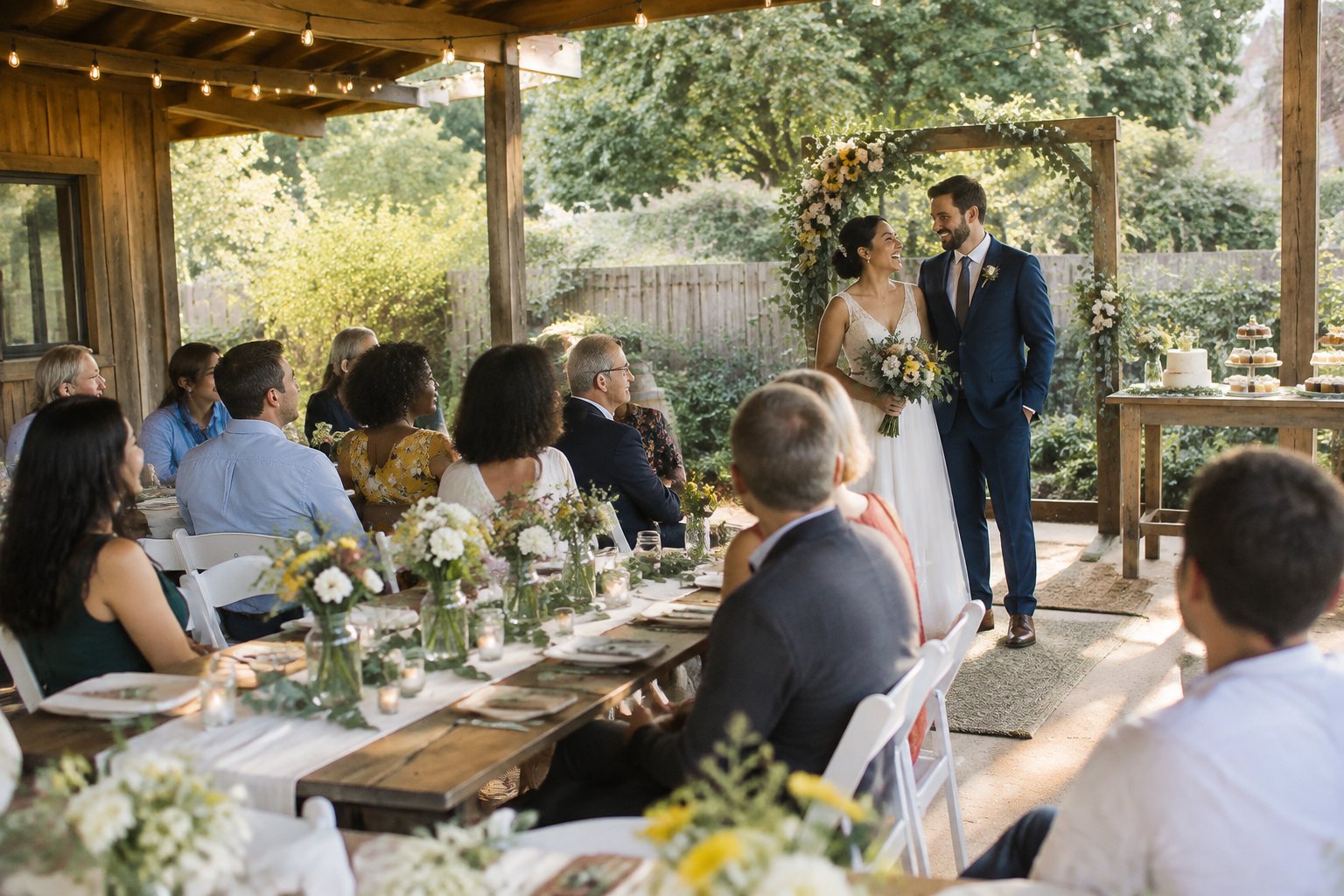
As you plan, focus on the kind of celebration you want to share with your closest people. A short ceremony in a garden, a private dinner at a restaurant, or a backyard wedding with string lights can feel warm and polished at a modest cost.
Set your guest count first, ask for a complete quote, and tour spaces that already provide the atmosphere you want. You can also find more inspiration in these cheap wedding venue ideas before contacting local venues.
What Counts as an Affordable Venue for a Small Wedding?
An affordable wedding venue keeps the complete event cost within your wedding budget while providing the space, access, and services your guests need. Look at the rental, food, staffing, rentals, taxes, service charges, insurance, and cleanup together.
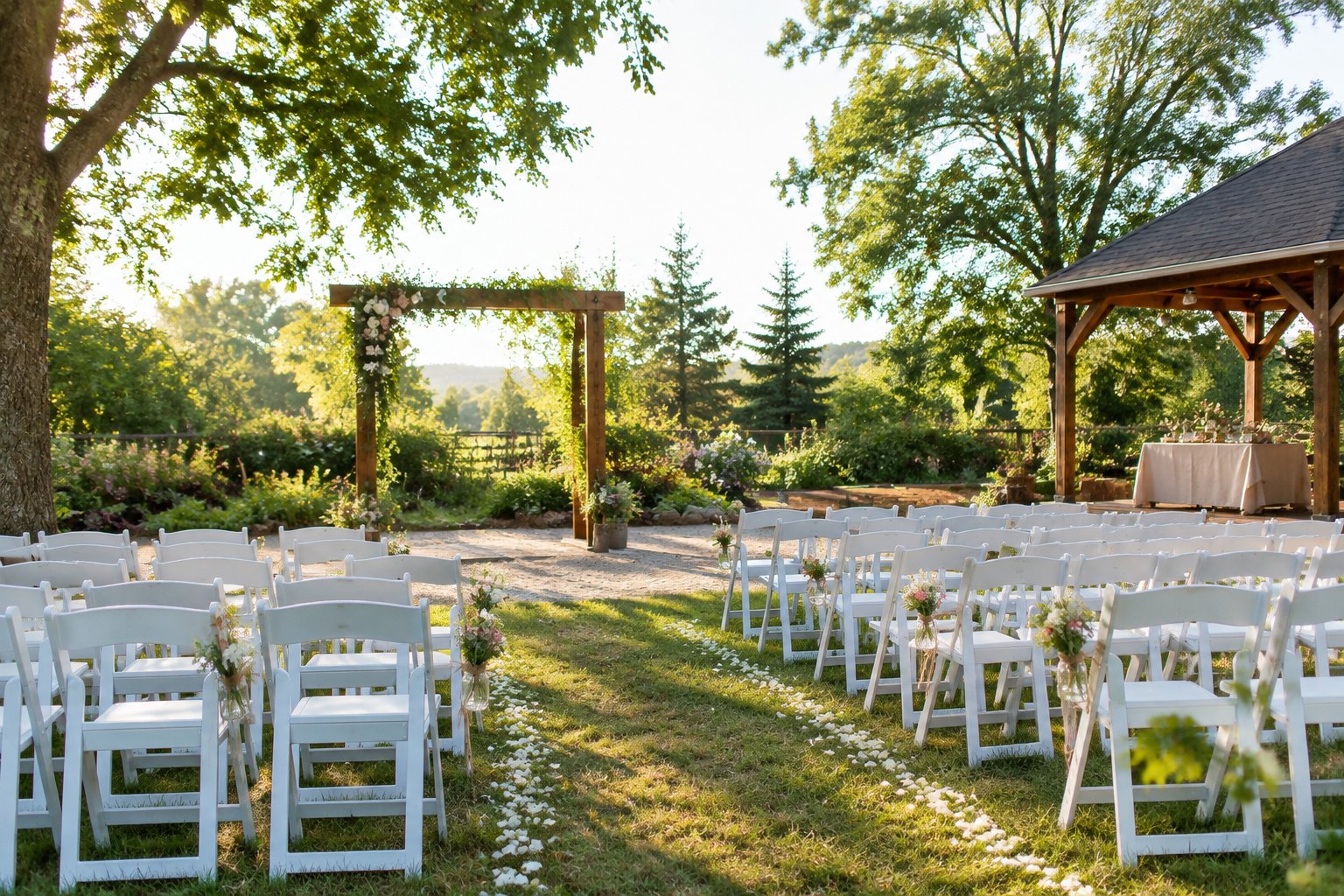
Small wedding venues often work well because you pay for less space and fewer guest services. A private dining room, community hall, or garden with a modest permit fee may cost less than a large venue package.
Ask each owner for a written estimate based on your actual guest count and event hours.
How to Set a Realistic Venue Budget
Start with your total wedding budget, then choose a firm maximum for the venue and related services. Include the ceremony and reception space, food, rentals, staffing, taxes, gratuity, permits, insurance, and transportation.
A useful worksheet should include:
- Venue rental or minimum spend
- Tables, chairs, linens, and dinnerware
- Catering, beverages, and cake service
- Setup, cleanup, and security
- Restrooms, parking, lighting, and power
- Permits and event insurance
Keep a small reserve for fees that appear after the first quote. A venue that fits your style with built-in furniture and scenery can reduce décor and rental costs.
Rental Fee vs. Total Wedding Venue Cost
The rental fee covers access to the property. The total wedding venue cost includes every charge required to hold your ceremony and wedding reception there.
Ask whether the quote includes:
- Ceremony and reception access
- Tables, chairs, and basic furniture
- Catering or an approved caterer
- Staff, setup, and cleanup
- Heating, cooling, lighting, and sound
- Taxes, service charges, and overtime
A restaurant may charge a food and beverage minimum instead of a room fee. That structure can be useful for a small group because your meal pays for the space while staff, dishes, and seating are already available.
Choosing a Guest Count Before You Tour
Set your guest count before touring venues because capacity affects the price, layout, and available dates. Write a primary list and a backup list so each venue receives the same information.
For a small wedding, count the couple, children, vendors who need meals, and anyone included in the ceremony. Ask whether the posted capacity includes a dance floor, buffet, bar, or ceremony seating.
A room that holds 50 people for dinner may hold fewer once you add a DJ area and space between tables.
Low-Cost Ceremony Locations With Built-In Scenery
Public parks, gardens, beaches, and private yards offer low-cost ceremony settings because natural scenery handles much of the decorating. Confirm permits, guest limits, weather plans, parking, restrooms, and noise rules before you book.
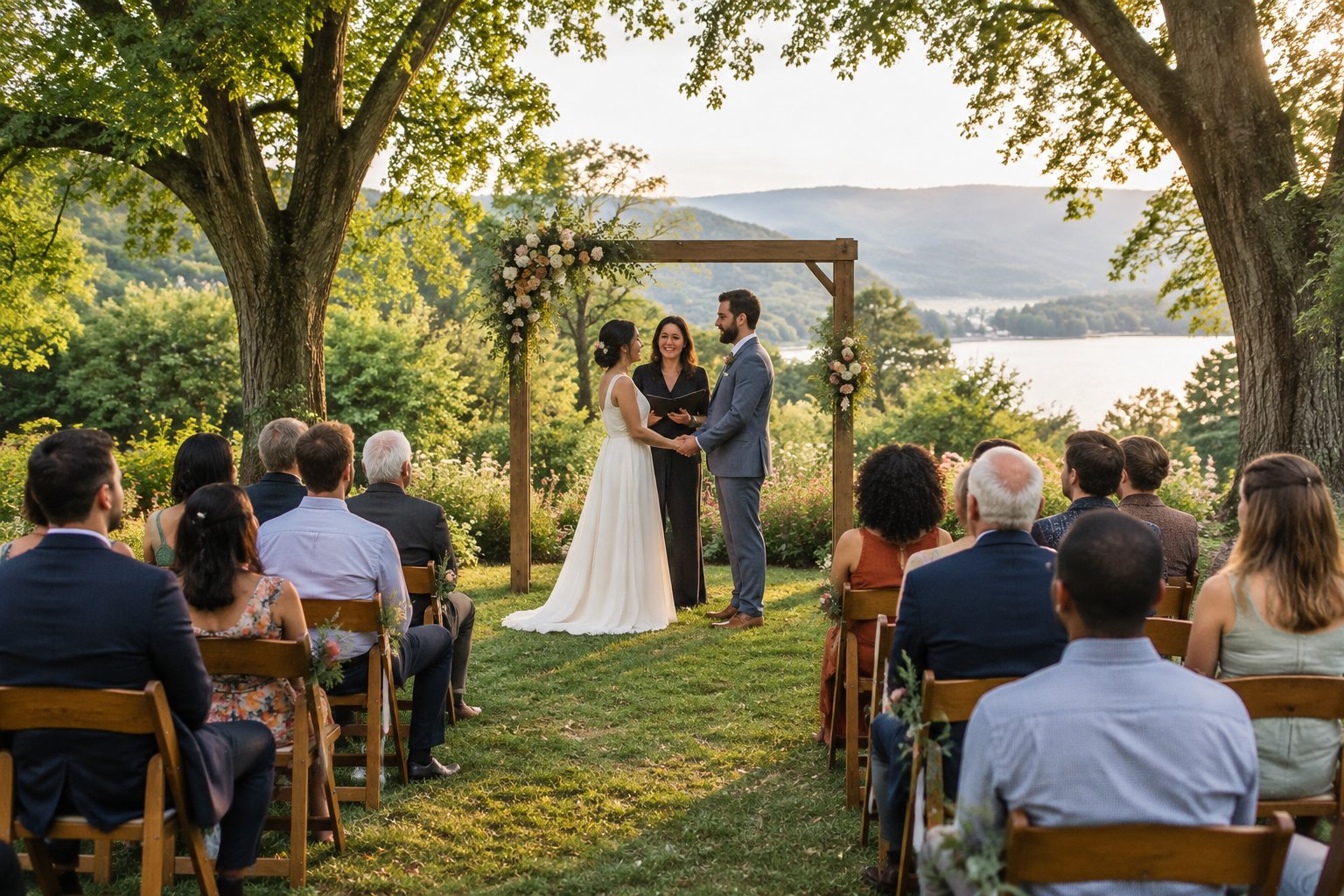
Outdoor ceremony locations suit intimate weddings when your guest list fits the site and your schedule leaves room for setup. Choose a location with a nearby reception option when possible, since moving guests across town adds transportation and timing costs.
Public Parks, State Parks, and National Parks
Public parks provide lawns, trails, pavilions, and scenic overlooks at fees set by the local agency. State parks and national parks may require reservations, special-use permits, visitor fees, insurance, or restrictions on chairs, arches, amplified music, and alcohol.
Ask the park office about:
- Maximum guest count
- Ceremony time and reservation window
- Rain and heat policies
- Parking and accessibility
- Restrooms and trash removal
- Photography and decoration rules
A reserved picnic shelter can support a simple ceremony and meal. For a national park wedding, plan for travel, visitor access, and weather changes well before sending invitations.
Botanical Gardens, Rose Gardens, and Greenhouses
Botanical gardens, rose gardens, and greenhouses bring flowers and greenery into your ceremony design. Their scenery reduces the need for large floral installations, which helps control the wedding budget.
Compare weekday and off-season rates, guest capacity, ceremony duration, and reception access. Some gardens allow ceremonies only, so confirm whether you can serve food, bring music, or continue into a nearby reception room.
Greenhouses also need a clear plan for heat, humidity, power, and guest comfort.
Public Beaches and Beach Weddings
Public beaches create a memorable beach wedding backdrop with a small site fee or permit in many communities. Rules differ by town, so contact the local parks department before choosing a date.
Check for:
- Ceremony permits and protected areas
- Tide, wind, and weather conditions
- Restrooms and changing space
- Chair setup and accessibility
- Alcohol, music, and cleanup rules
- Nearby restaurants for the reception
Keep beach décor light and secure. A short ceremony followed by dinner at a nearby restaurant reduces rental needs and limits the time guests spend managing sand, sun, and wind.
Backyard and Garden Weddings
A backyard wedding gives you control over the guest list, schedule, menu, and décor. Your main costs may include chairs, tables, lighting, restrooms, catering, waste removal, and a tent or indoor backup.
Walk through the property with a rental company or coordinator before committing. Measure the ceremony and dining areas, check electrical outlets, plan guest parking, and confirm bathroom access.
A garden wedding works best when the path is level, the seating is comfortable, and the rain plan is ready before invitations go out.
Affordable Indoor Venues for Dinner and Dancing
Restaurants, cafés, community centers, libraries, museums, galleries, hotels, and historic venues give you indoor comfort with flexible layouts. They also help protect your wedding ceremony and wedding reception from weather delays.
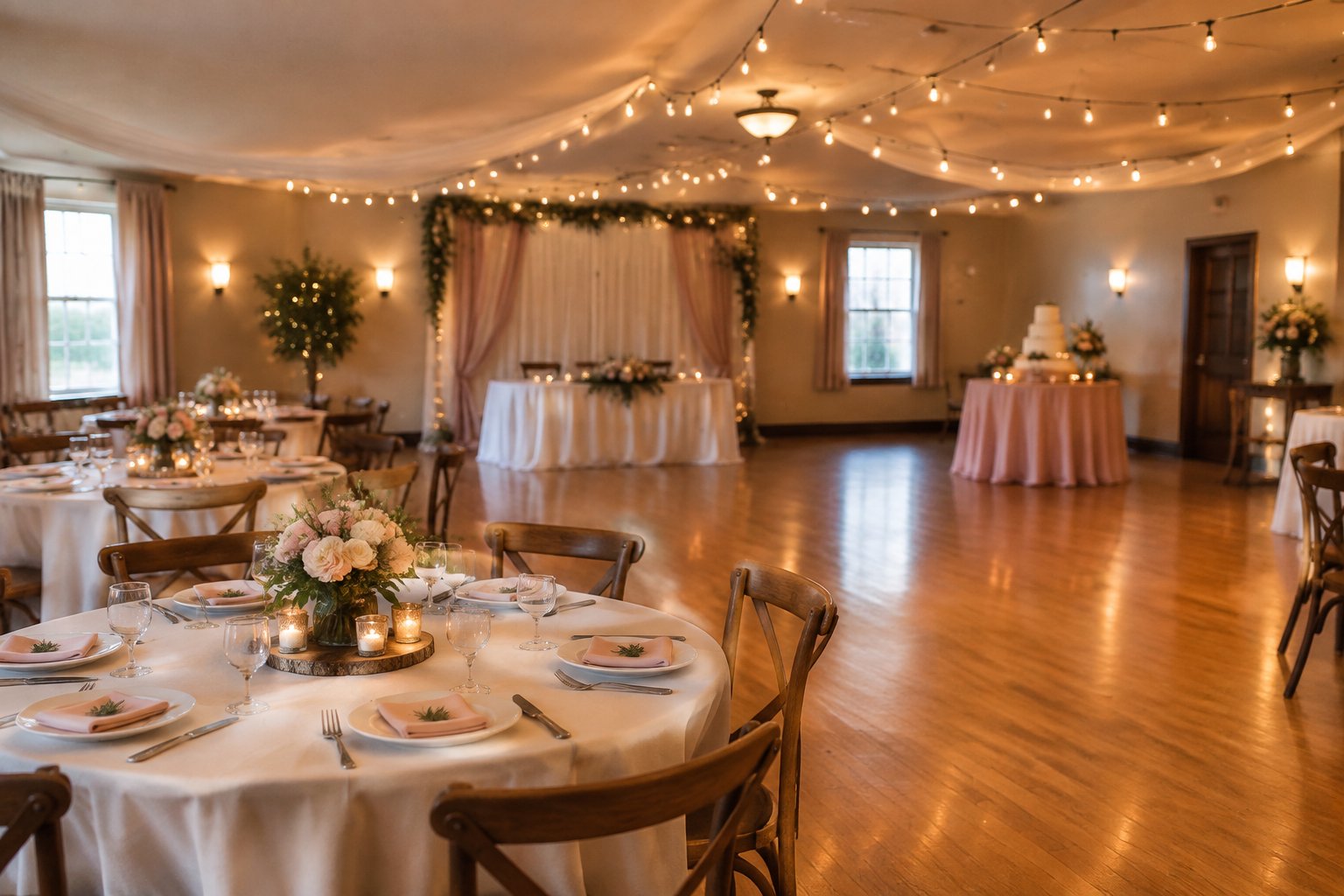
Indoor spaces vary in what they include, so compare food service, furniture, sound equipment, staffing, access hours, and cleanup. These affordable indoor wedding venues can help you identify spaces that support both your style and guest count.
Restaurants, Cafés, and Coffee Shops
Restaurants and private dining rooms are strong choices for small groups because food, staff, tables, chairs, dishes, and restrooms are already in place. Ask whether the venue uses a room fee, a per-person menu, a food and beverage minimum, or a full buyout.
A café or coffee shop works well for a daytime ceremony, brunch, dessert reception, or casual dinner. Confirm closing time, alcohol service, music limits, décor rules, and whether the business stays open to the public during your event.
Community Centers and Local Theaters
Community centers offer flexible rooms for ceremonies, meals, dancing, and DIY décor. Local theaters add character through stages, seating, lighting, and backstage areas.
Review the rental hours closely. A low hourly rate may require you to pay for setup and cleanup time.
Ask about kitchen access, custodial fees, security, tables, chairs, sound equipment, parking, and approved vendors before signing.
Libraries, Museums, and Art Galleries
Libraries, historic libraries, museums, and art galleries create distinctive settings with built-in architectural detail. Their rooms suit small ceremonies, cocktail receptions, and seated dinners when guest capacity is limited.
Ask about display protection, food and drink restrictions, photography rules, lighting, music, and loading access. Galleries may require a specific caterer or additional staff to protect artwork.
Historic spaces also may have rules for candles, hanging décor, and furniture placement.
Hotels and Historic Venues
Small hotels and historic venues work well when guests need nearby lodging or when you want ceremony, reception, and overnight rooms in one location. Ask about room blocks, meeting rooms, food and beverage minimums, parking, and service charges.
A boutique hotel may offer a private dining room with a smaller minimum than its main ballroom. Historic inns and restored buildings bring character to the event, while an all-inclusive package may combine catering, tables, linens, staff, and coordination into one quote.
Private and Rustic Venue Ideas for Intimate Celebrations
Farms, ranches, vineyards, orchards, and vacation rentals offer privacy and a relaxed setting for intimate weddings. Their value comes from combining a memorable location with room for a ceremony, meal, and guest time.
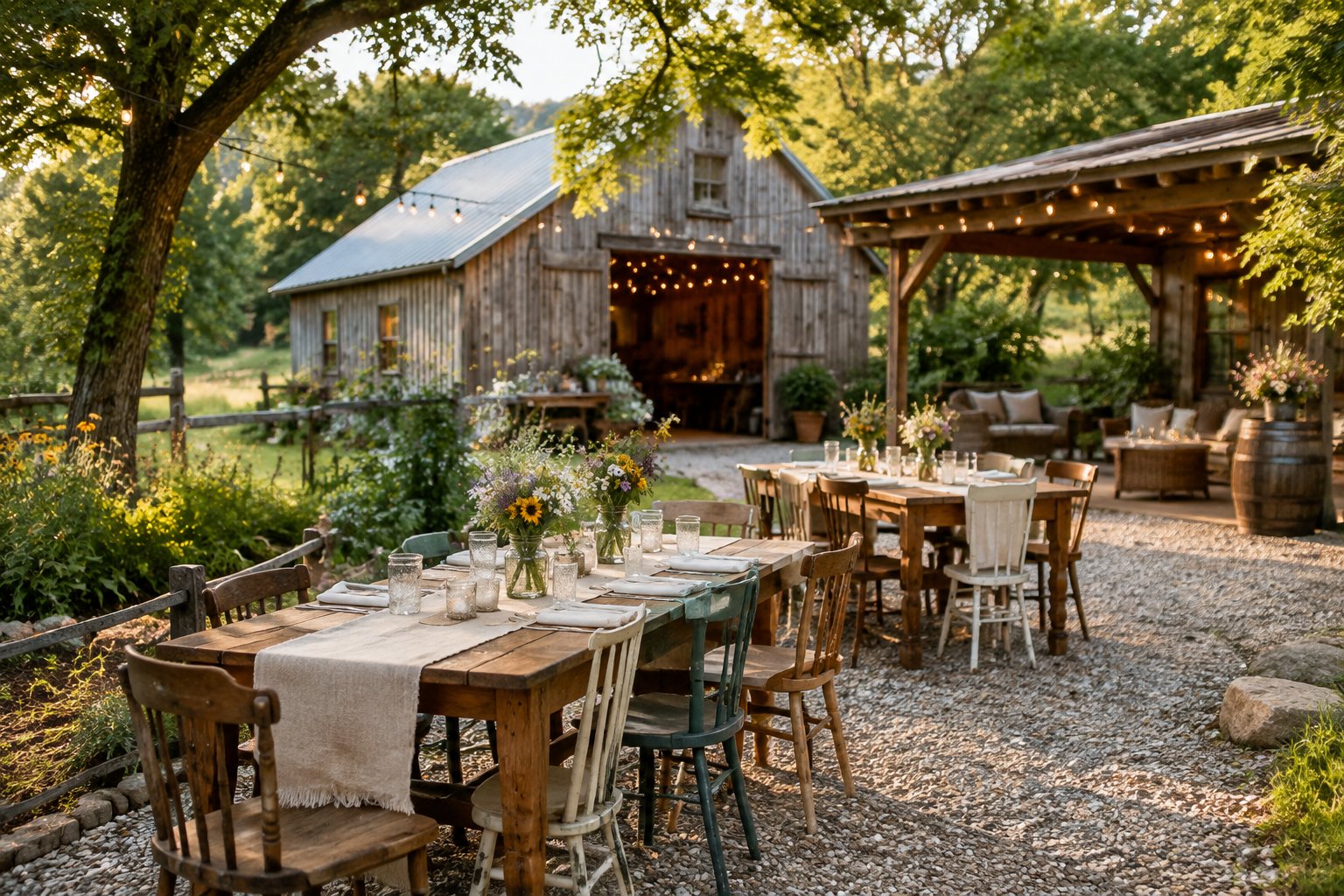
Rustic locations need careful logistics because many are designed for daily use, not events. Review access roads, restrooms, electricity, lighting, weather protection, transportation, and vendor requirements.
These rustic wedding ideas on a budget can help you shape a polished look without filling the property with extra décor.
Farms, Ranches, Vineyards, and Orchards
Farms, ranches, vineyards, and orchards provide open space, natural textures, and a strong setting for photos. Look for a site with a covered area, level paths, guest parking, and restrooms close to the ceremony and meal.
Ask who handles setup, cleanup, trash, lighting, tables, chairs, and weather protection. A property that allows outside catering gives you menu flexibility, while a venue with preferred vendors may simplify planning.
Check for farm activity, uneven ground, insects, dust, and evening temperature changes.
Using a Vacation Rental the Right Way
An Airbnb wedding venue or similar vacation rental requires written permission for events. A property listing that welcomes overnight guests does not automatically allow ceremonies, receptions, outside vendors, amplified music, or extra visitors.
Before booking, confirm:
- Event permission and guest limit
- Quiet hours and neighborhood rules
- Parking and transportation
- Indoor backup space
- Restrooms and kitchen access
- Insurance and vendor requirements
- Cleaning and damage policies
Choose a property where the ceremony, meal, and lodging areas connect easily. Read the event agreement and communicate with the owner in writing so your plans match the property rules.
When a Backyard Wedding Is Actually the Better Deal
A backyard wedding offers better value when the property already has usable bathrooms, seating, shade, power, parking, and a weather-safe dining area. It becomes expensive when you must build a temporary event site from scratch.
Price the full setup before deciding. Include delivery, installation, pickup, catering staff, restroom trailers, lighting, tenting, generators, trash service, and permits.
A home with a comfortable indoor room and a small guest list often needs fewer rentals than a large empty yard.
Simplest Options for a Tiny Ceremony
City halls and courthouses provide the most direct path to a legal wedding ceremony for a very small group. You can follow the ceremony with a restaurant reception that gives your guests a comfortable meal without a separate event space.
City Hall and Courthouse Weddings
A city hall or courthouse wedding usually involves a scheduled appointment, an officiant, a marriage license, identification, and any required witnesses. Rules vary by county and state, so check the local clerk or court before setting your date.
Ask about appointment availability, guest limits, ceremony length, photography, accessibility, payment methods, and rescheduling rules. A courthouse wedding keeps the ceremony brief and leaves more of your wedding budget for dinner, photography, attire, or a short gathering with family.
Marriage License and Local Ceremony Rules
Apply for your marriage license through the office that serves the place where your ceremony occurs. Requirements may include identification, an application, a fee, a waiting period, an expiration date, and one or more witnesses.
Confirm whether the officiant must return the signed license, whether both partners must appear in person, and whether the ceremony location has extra rules. Build time into your schedule for the license process, certified copies, and any name-change paperwork.
Hosting a Separate Restaurant Reception
A restaurant reception pairs well with a courthouse ceremony because the meal can happen soon after the legal appointment. Reserve a private room or request a quiet section sized for your group.
Discuss the menu, dietary needs, cake service, drinks, seating plan, speeches, music, decorations, and payment schedule. A set menu helps you control costs and keeps service moving.
For a tiny group, a long-table dinner with one toast and a shared dessert can provide a complete celebration without a traditional ballroom.
How to Avoid Surprise Venue Costs
You avoid surprise venue costs by requesting a complete written estimate and checking every rule before paying a deposit. Include permits, event insurance, overtime, vendor fees, rentals, taxes, service charges, cleanup, and staffing.
What to Ask Before Signing a Contract
Ask the venue owner to list every included item and every charge that could apply. Request answers in writing and compare quotes using the same guest count and event hours.
Use these questions:
- What is the total price after taxes and service fees?
- How many hours include setup, ceremony, reception, and cleanup?
- Which tables, chairs, linens, dishes, and furniture are included?
- Is catering required, and is there a food or beverage minimum?
- Which vendors are approved?
- What happens if the guest count changes?
- What is the overtime rate?
- Who handles cleanup and trash?
- What deposit, cancellation, and refund rules apply?
- What happens during severe weather or a venue closure?
Read the payment schedule, damage terms, cancellation policy, and insurance requirements before signing.
Permits, Event Insurance, and Vendor Rules
Outdoor sites, public properties, alcohol service, amplified music, tents, and food service may require permits. Ask the venue or local agency which applications you must complete and who pays the fees.
Event insurance protects against certain covered claims, while the venue may require proof of coverage before your date. Confirm the required limits, additional insured wording, and submission deadline.
Vendor rules also affect cost, so ask whether outside caterers, bartenders, DJs, florists, rentals, and photographers are allowed.
Why Weekday Weddings Can Cost Less
Weekday weddings can cost less because venues have more availability outside peak weekend demand. Thursday evenings, Friday dates, Sunday celebrations, and off-season months may open different rates or packages.
Ask whether the lower rate applies to the full event or only the room rental. Check guest travel, work schedules, ceremony timing, and lodging before choosing a weekday.
A daytime weekday wedding can reduce lighting and entertainment needs while giving you more flexible venue access.
Using a Wedding Planner for Complex Logistics
A wedding planner earns consideration when your venue requires many vendors, permits, rentals, transportation arrangements, or setup teams. Ask whether you need full planning, partial planning, or day-of coordination.
A coordinator can manage delivery windows, vendor arrival, ceremony transitions, cleanup, and contract details while you focus on your guests. Request a written scope of work and fee structure.
For a restaurant or courthouse wedding with few moving parts, a venue manager or trusted helper may cover the practical tasks. For a backyard, park, or remote property, professional coordination can protect your schedule and budget.