
Cheap Wedding Venues Orange County: Budget-Friendly Picks
If you want an affordable wedding in Orange County, start with community spaces, public gardens, smaller restaurants, and venues that let you bring selected vendors. For couples seeking cheap wedding venues in Orange County, community halls and park settings often provide the lowest starting site fees, while smaller private venues offer more included services for a higher price.
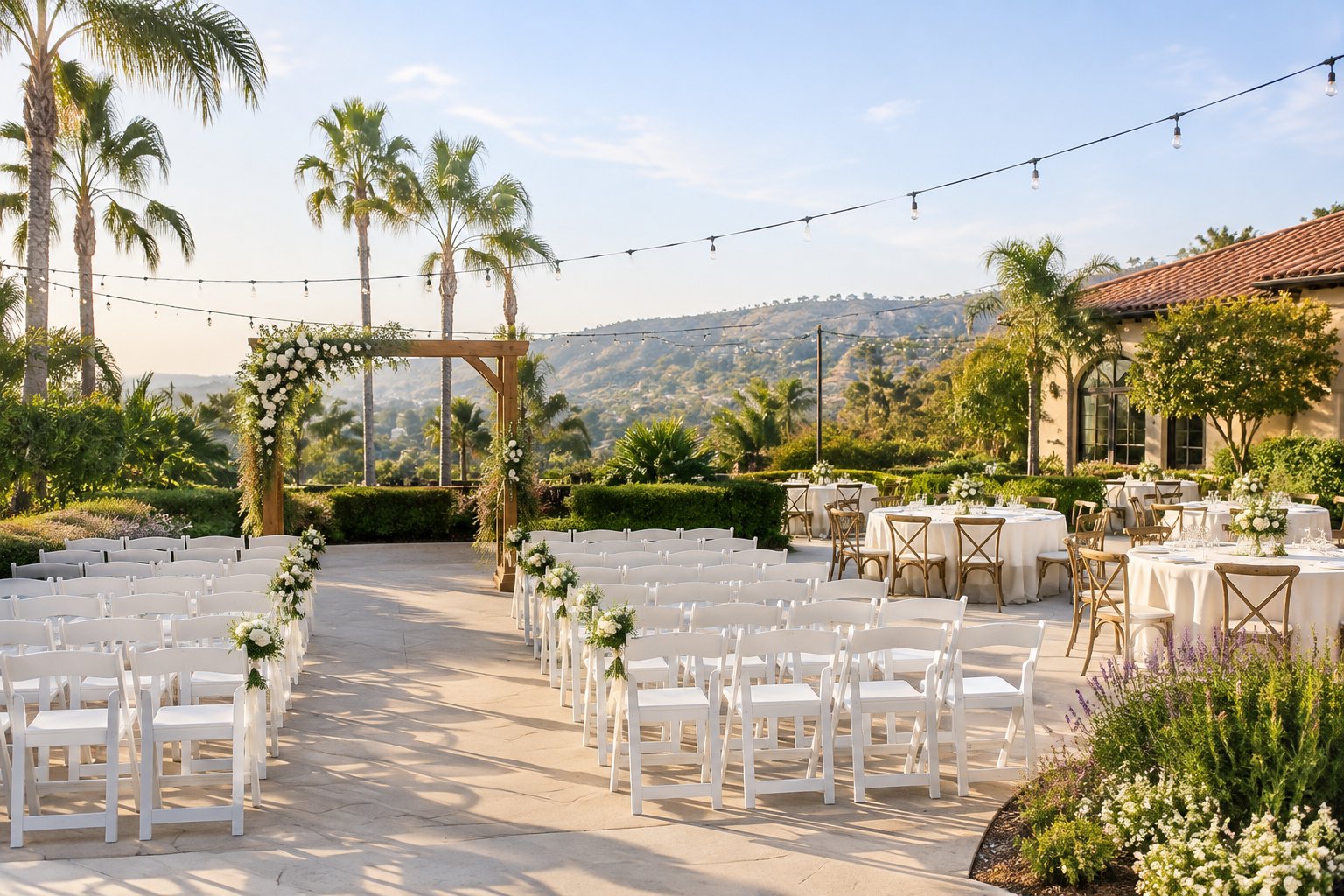
A low venue fee does not always create the lowest wedding bill. Catering, bar service, rentals, staffing, insurance, taxes, and cleanup can quickly change the total. Compare each quote at your expected guest count and ask for every required charge in writing.
You can also review these affordable wedding venues in Orange County as you build your shortlist. With a flexible date and a clear guest limit, you can find a welcoming space that fits your celebration and budget.
What Counts as a Budget-Friendly Orange County Venue?
A budget-friendly Orange County venue offers a manageable total cost after required services, fees, and rentals are added. Site fees under $1,000 to $3,500 exist at some public and community spaces, while private venue rentals often start near $3,000 and rise with date, location, and guest count.
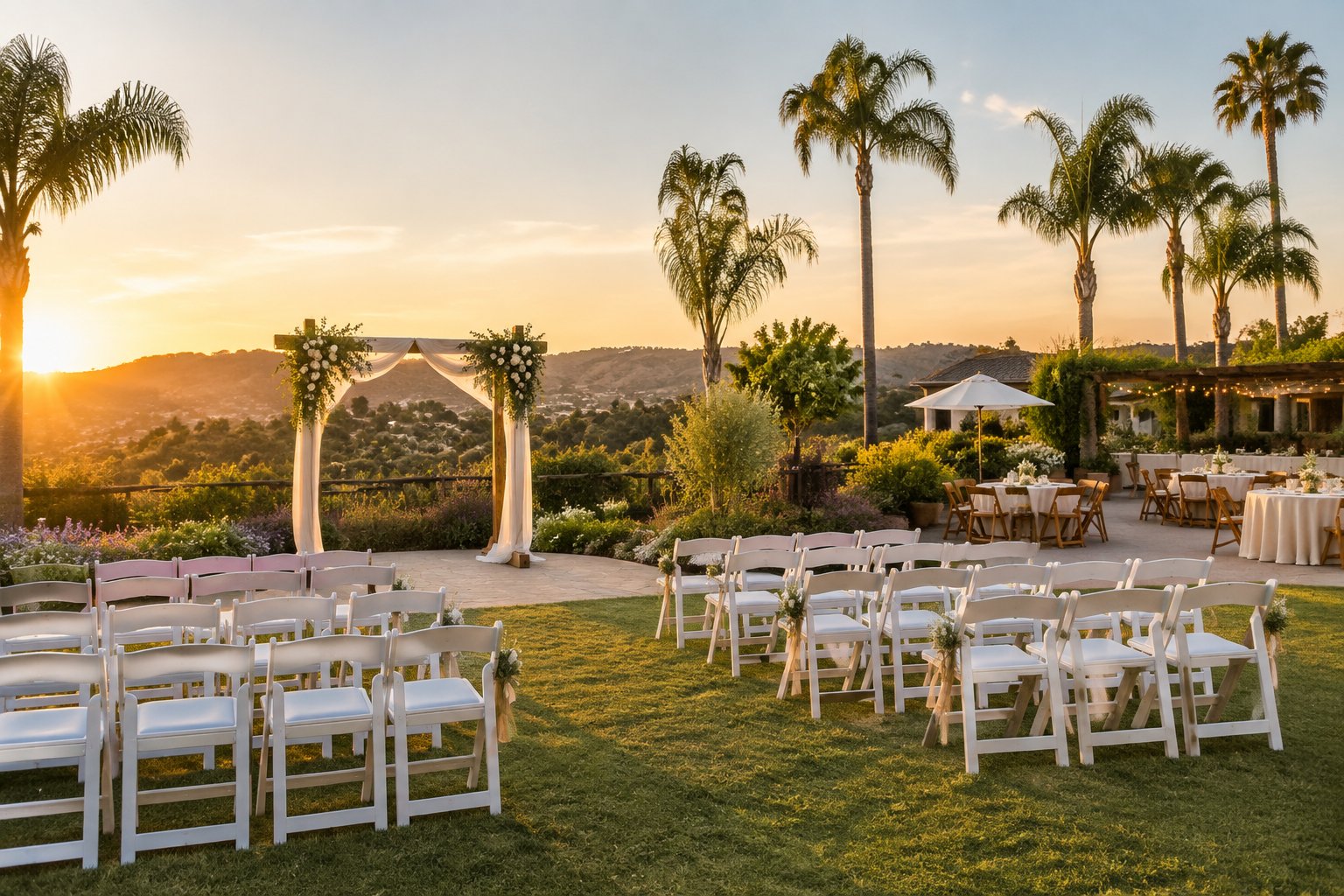
Look for a venue that fits your guest list, allows your preferred vendors, and includes useful items such as chairs, tables, setup time, or coordination. A venue with a higher starting price can still fit your budget when it bundles food, drinks, staffing, and rentals.
How Much Do Low-Cost Wedding Spaces Typically Charge?
Low-cost wedding spaces in Orange County range from under $1,000 for some public or community sites to about $3,500 for more complete venue rentals. Smaller farms, barns, gardens, restaurants, and indoor halls may fall between $2,000 and $10,000, depending on what you receive.
A space-only rental leaves you responsible for more wedding expenses. A restaurant might replace the rental fee with a food and beverage minimum, while an all-inclusive venue might quote a larger package price that covers catering, bar service, tables, linens, and coordination.
Use these figures as starting points:
- Public or community site: under $1,000 to $3,500
- Garden, park, or arboretum: about $1,000 to $5,000
- Restaurant or brewery: about $2,000 to $8,000
- Barn or farm: about $3,000 to $10,000
- All-inclusive package: about $10,000 to $60,000
Ask for a quote based on your date, guest count, ceremony plan, and reception hours.
Which Costs Are Usually Excluded From the Venue Price?
Venue prices often exclude catering, bar service, rentals, staffing, taxes, service charges, gratuity, insurance, and overtime. Outdoor sites can also require permits, portable restrooms, power access, heaters, lighting, and a weather backup.
Ask whether the quote includes:
- Tables, chairs, linens, and flatware
- Ceremony setup and reception setup
- Cleanup and trash removal
- Vendor access and loading time
- Security or event staff
- Corkage or outside-catering fees
- Sales tax and service charges
- Extra hours and late-night fees
- Required event insurance
A written sample invoice gives you a clearer comparison than a promotional starting price.
Top Picks by Wedding Style and Setting
The most affordable venue type depends on the experience you want and how much work you want to manage. Rustic sites can offer strong visual character, waterfront spaces bring a memorable setting, and restaurants or historic buildings often reduce décor needs through their built-in design.
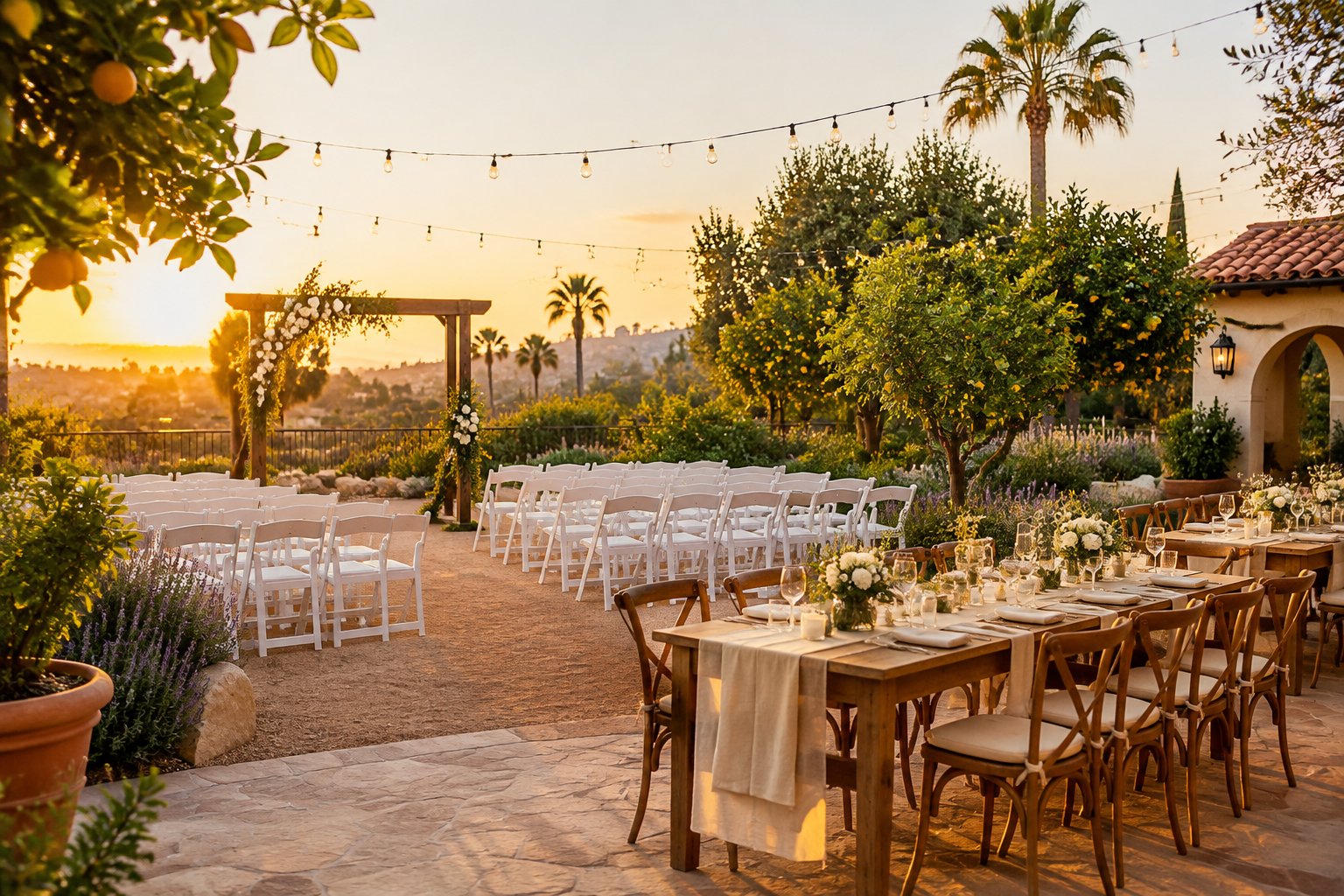
Compare the space, guest capacity, vendor rules, parking, weather plan, and included rentals along with the price. A beautiful venue can still become expensive when you need to supply every basic item.
Rustic and Garden Settings
Barns, farms, private gardens, and arboretums suit couples who want a relaxed outdoor celebration. Existing trees, lawns, flowers, and wood features reduce the need for large floral installations.
A rustic venue such as The Red Horse Barn can create a strong setting for casual décor, family-style dining, and outdoor photographs. Ask whether the rental includes ceremony chairs, reception tables, lighting, restrooms, parking, and a rain plan.
Garden and farm spaces can carry extra logistics costs. Check the surface for guest seating, ask about restroom access, and confirm whether power is available for catering and music. A site visit at your planned event time also helps you judge shade, heat, and sound limits.
Beachfront and Harbor Locations
Beach and harbor venues provide scenery that does much of the decorating. Public beaches, harbor rooms, yacht clubs, and nearby restaurants can support a smaller ceremony or reception with a coastal feel.
Public waterfront sites often require permits and have rules for amplified music, alcohol, décor, and event hours. Wind, sand, parking, and guest access also affect the day. A nearby restaurant or private room may cost more per guest while reducing rental, staffing, and setup needs.
For more coastal ideas, browse these affordable wedding venues near the beach.
Historic, Restaurant, and Indoor Spaces
Historic buildings, restaurants, breweries, galleries, and small banquet halls work well for compact guest lists. Their architecture, furniture, lighting, or food service can reduce the amount of décor and equipment you need to rent.
Restaurants frequently use a food and beverage minimum in place of a room fee. Ask whether the minimum includes tax, service charges, bar service, and private use of the room. Historic spaces may have restrictions on candles, hanging décor, music, and setup access.
Indoor venues also provide a built-in weather plan. Confirm the comfortable dinner capacity with a dance floor, not only the maximum posted occupancy.
How to Compare the Real Cost of Each Venue
Compare venues by the estimated final bill for the same guest count, date type, food plan, bar plan, and event hours. The rental fee alone cannot show which venue offers better value.

Create one comparison sheet for every venue. List the base fee, required minimums, included items, vendor charges, taxes, service fees, and estimated extras. This approach helps you compare a low site fee with a bundled package on equal terms.
Rental Fee vs. Food and Beverage Minimums
A rental fee charges for use of the space. A food and beverage minimum requires you to spend a set amount on meals, drinks, or both.
A restaurant may quote a $3,000 room fee, while another venue may waive the room fee with a $12,000 food and beverage minimum. The second option could be a better fit for a larger reception, while the first could suit a small gathering with outside catering.
Ask these questions:
- Is the minimum based on guest count?
- Does it include the ceremony meal and cocktail hour?
- Are tax and gratuity added afterward?
- Does unused minimum value disappear?
- Does the minimum apply to children or vendors?
Put the answers beside the rental fee so each quote uses the same format.
Catering, Bar, and Service Charges
Catering and bar service can become the largest part of your venue bill. Compare menu prices, staffing, rentals, service charges, gratuity, corkage, and alcohol rules together.
Ask whether the venue requires in-house catering or approved vendors. If outside catering is allowed, confirm kitchen access, insurance, setup time, cleanup duties, and any buyout fee. For bar service, ask about beer and wine limits, hard liquor, bartenders, alcohol sourcing, and corkage.
If you are choosing a caterer, these tips on how to choose the right wedding caterer can help you prepare better questions.
Guest Capacity, Rentals, and Vendor Rules
Your guest count drives seating, food, rentals, parking, staffing, and venue fit. Ask for the comfortable reception capacity with your planned tables, dance floor, DJ area, buffet, bar, and guest circulation.
Confirm whether the quote includes:
- Ceremony and reception chairs
- Tables, linens, glassware, and flatware
- Setup and breakdown
- Lighting and sound equipment
- Bridal or getting-ready rooms
- Parking and security
- Vendor access and storage
Review vendor rules before booking. A required preferred list, outside-vendor fee, or restricted delivery window can change the price and planning workload.
Public and Community Spaces That Can Lower Costs
Public and community venues often lower the site fee, especially for smaller weddings held on weekdays or during less requested seasons. Their lower rental price comes with more planning responsibility for food, rentals, permits, staffing, and cleanup.
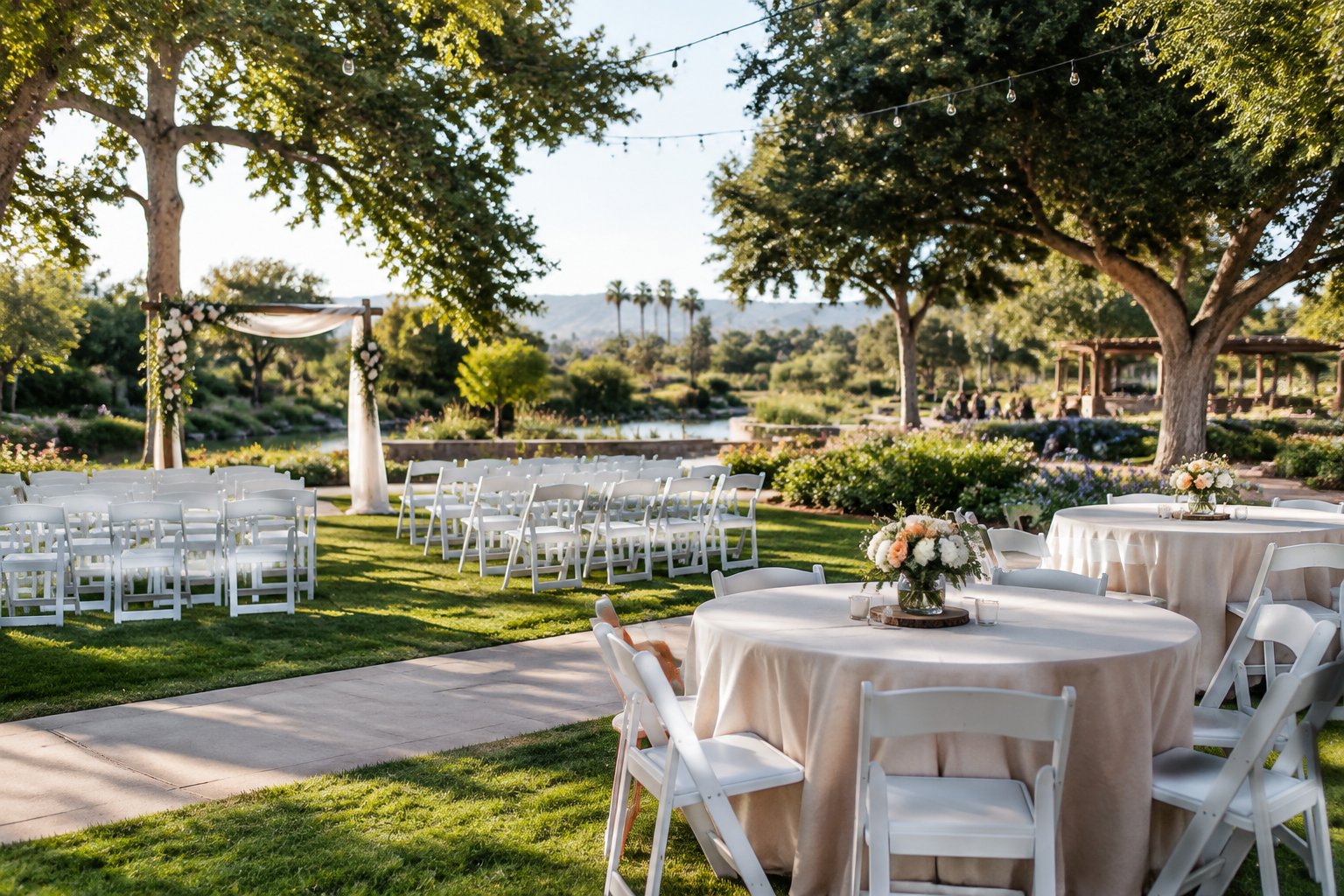
These spaces work best when you have a clear plan and a reliable team. Check every rule before paying a deposit, including alcohol service, amplified music, insurance, parking, and weather procedures.
City-Owned Venues and Community Centers
City halls, recreation buildings, senior centers, cultural rooms, and community halls can provide practical indoor space at a lower rental rate. Many have kitchens, restrooms, parking, tables, or chairs available as add-ons.
Ask about resident pricing, nonprofit rates, security deposits, cleaning requirements, and event-hour limits. Some locations allow private events only during certain hours or require an approved security officer.
A community center can suit a simple reception with a catered buffet, rented linens, and modest décor. Price the tables, chairs, delivery, setup, cleanup, and insurance before comparing it with a private venue.
Parks, Arboretums, and Outdoor Ceremony Sites
Parks and arboretums offer gardens, lawns, trees, and scenic ceremony areas. A permit may reserve the location for a set time, while a separate reception venue handles dinner and dancing.
Ask whether the permit includes exclusive use or only reserves a designated area. Confirm guest limits, parking, restrooms, trash removal, music rules, alcohol policies, accessibility, and rain procedures.
Outdoor sites need a detailed weather plan. Confirm whether tents, heaters, umbrellas, or an indoor backup are allowed and who pays for them. If the ceremony and reception happen in different places, include transportation and extra setup time in your budget.
Ways to Secure a Better Wedding Venue Rate
You can lower the venue cost through date flexibility, a focused guest list, and package negotiations. Ask for a complete quote before discussing discounts so you know which fee or inclusion creates the largest savings.
Choose a Weekday, Sunday, or Off-Peak Date
Friday evenings, Sunday afternoons, winter dates, and other less requested times often receive lower rates. Some venues offer reduced rental fees, smaller food minimums, extra hours, or upgraded inclusions for these dates.
Ask about:
- Weekday evening pricing
- Sunday brunch or afternoon packages
- Winter and summer availability
- Shorter reception blocks
- Date changes during slow periods
A lower rate helps only when the schedule works for your guests. Check travel, work schedules, ceremony timing, and end-of-night transportation before reserving the date.
Reduce the Guest List Without Losing the Experience
Guest count affects food, drinks, chairs, tables, staffing, restrooms, and room size. Reducing the list by 10 to 20 guests can lower several costs at once when pricing is per person.
Start with your must-invite group, then review additional guests against your budget and venue capacity. A smaller gathering can support a more personal menu, upgraded drinks, better photography time, or a more comfortable dance floor.
For a smaller celebration, these tips for choosing the perfect venue for a small wedding can help you match the room to your guest list.
Ask About Packages and Flexible Booking Terms
Venues often have room to adjust inclusions, especially for off-peak dates. If the price cannot move, ask about waived ceremony fees, included linens, extra setup time, upgraded appetizers, or a reduced outside-vendor charge.
Ask whether the venue can:
- Lock current prices into the contract
- Split payments into more installments
- Reduce the deposit
- Add a ceremony area at no cost
- Include setup or cleanup
- Permit a selected outside vendor
Record every agreed change in the contract or an attached addendum. A verbal promise does not provide the same protection as a written term.
Questions to Ask Before Signing a Venue Contract
A venue contract should state the full price, included services, vendor rules, timing, cancellation terms, and weather plan. Review the document with your partner and request written answers to every open question.
What Is Included in the Quoted Price?
Ask for a sample final invoice based on your date and expected guest count. Confirm the rental period, ceremony space, tables, chairs, linens, setup, breakdown, cleanup, staffing, parking, security, taxes, service charges, and gratuity.
Ask when payments are due, whether the deposit is refundable, how guest-count changes affect the bill, and what overtime costs. Check for food and beverage minimums, event insurance, service fees, corkage, and required vendors.
Your contract should identify the person responsible for your event and list every included item in clear language.
Are There Restrictions on Vendors, Timing, or Décor?
Ask whether you can select your own caterer, bar provider, florist, DJ, photographer, rental company, and coordinator. Confirm outside-vendor fees, insurance requirements, delivery rules, setup access, kitchen use, and cleanup responsibilities.
Review décor and timing rules for candles, sparklers, confetti, hanging items, amplified music, ceremony rehearsals, vendor arrival, and final exit. Ask for the exact noise cutoff and overtime rate.
For an outdoor celebration, inspect the weather backup space and confirm its capacity, cost, and decision deadline. Put the plan in the contract, including who makes the call and which services remain available after a location change.