
Cheap Wedding Venues Quad Cities: Budget-Friendly Picks
A beautiful wedding in the Quad Cities does not require a luxury ballroom. The best cheap wedding venues in the Quad Cities are flexible spaces such as community halls, parks, restaurant rooms, and smaller hotels because they let you control guest count, timing, catering, and rentals. That flexibility helps you spend on the parts of your wedding day your guests will remember.
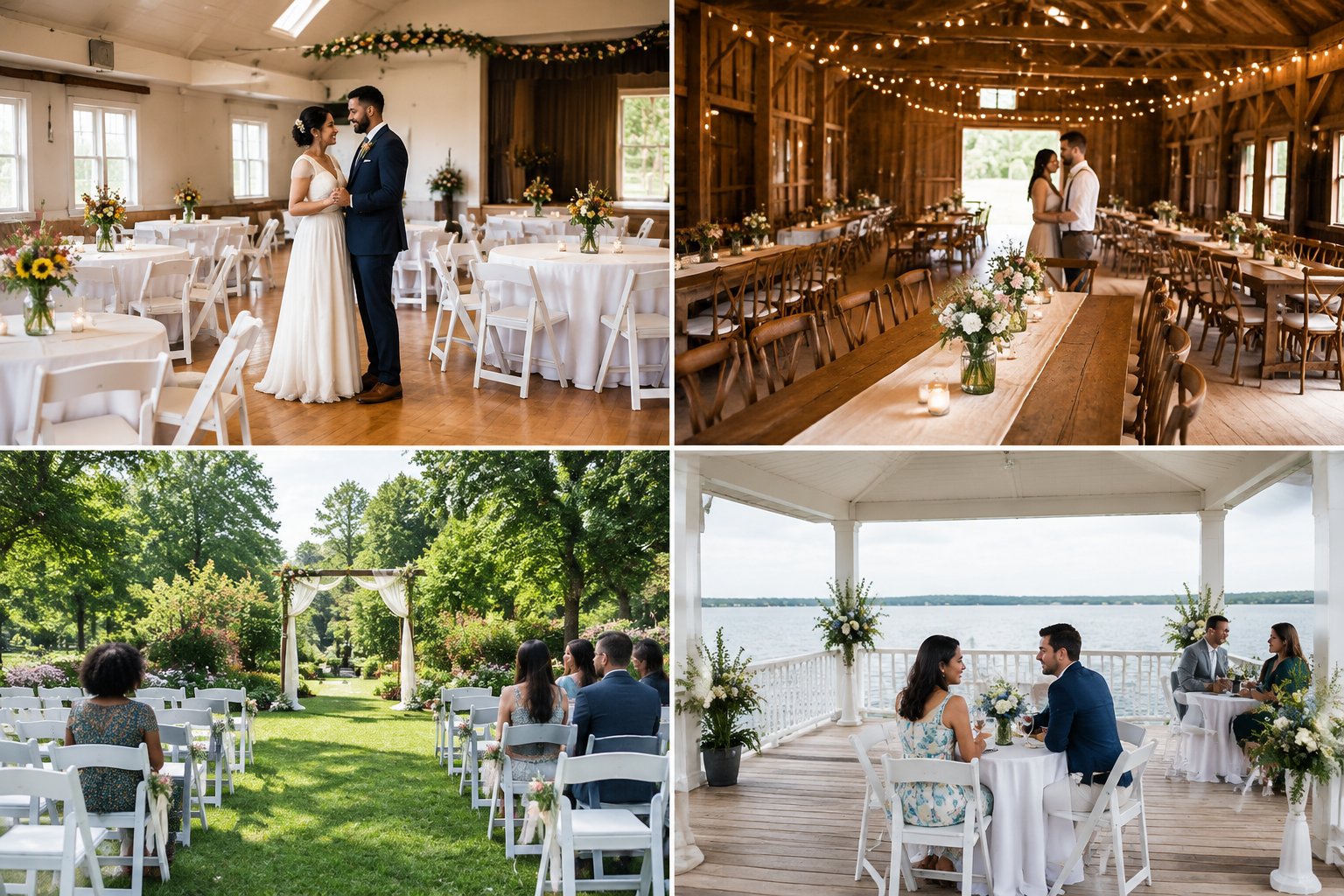
Your venue quote needs more than a low rental fee. Check food minimums, service charges, furniture, staffing, cleanup, alcohol rules, and weather plans before you compare prices.
A smaller guest list and an off-peak date can also open more affordable wedding venues in Davenport, Bettendorf, Moline, Rock Island, and nearby towns. Start by choosing your guest count and must-have features, then ask each venue for an itemized quote for the same date and schedule. That approach gives you a clear shortlist of Quad Cities wedding venues without stretching your budget.
What Makes a Venue Affordable?
An affordable wedding venue combines a manageable rental fee with useful inclusions and clear rules. A low-cost room becomes less attractive when you must add furniture, staff, kitchen access, insurance, or a separate ceremony space.
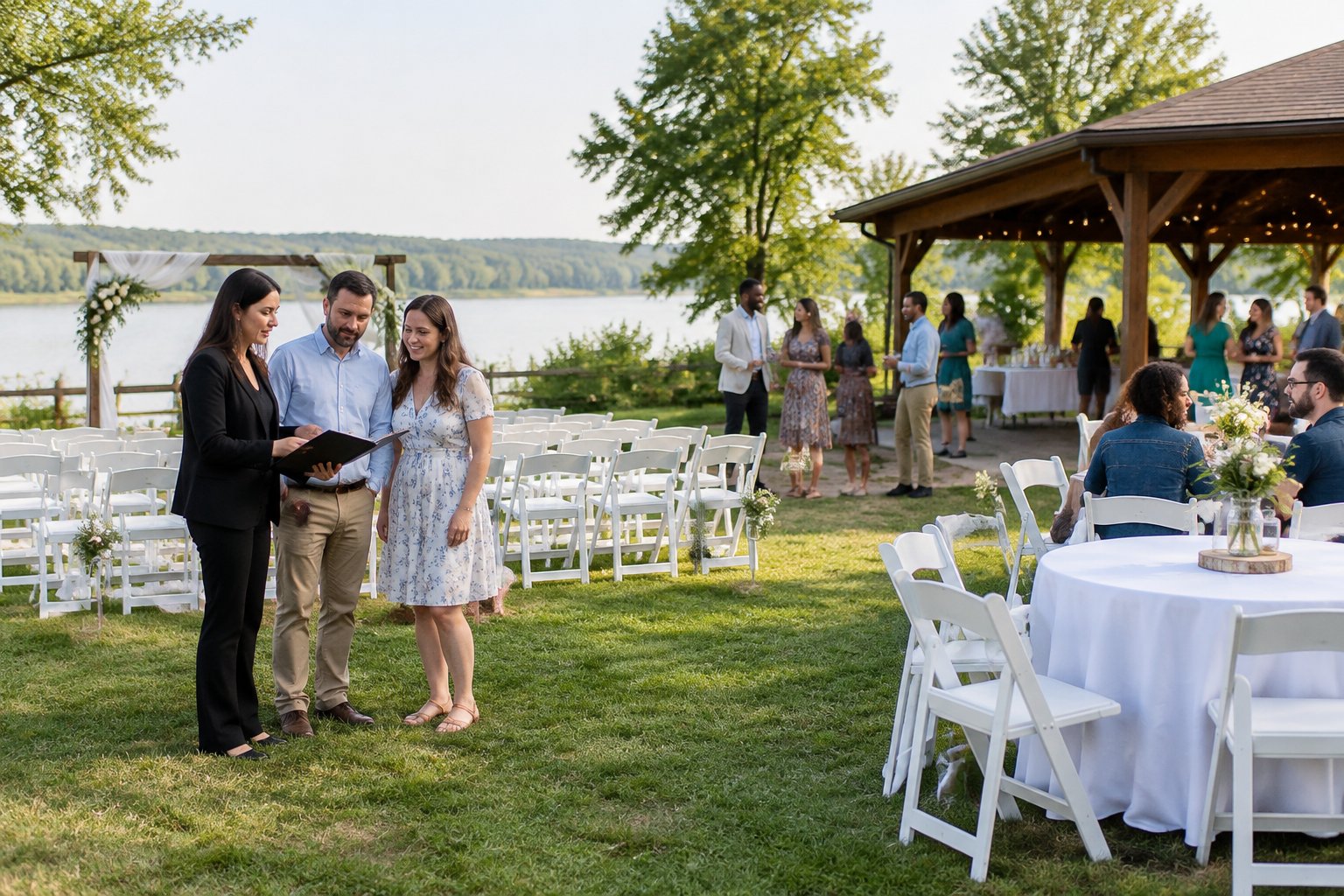
A venue with modern amenities, easy parking, and a practical rain plan can reduce the number of outside rentals you need. In-house catering can also simplify planning, though you should compare the meal price, service charge, and food minimum with outside catering options.
How Much Does a Low-Cost Celebration Really Cost?
Your final cost includes the space plus every required service. Build your estimate around:
- Venue rental and ceremony fees
- Tables, chairs, linens, dishes, and glassware
- Catering, bar service, cake cutting, and vendor meals
- Setup, cleanup, security, and event staff
- Insurance, permits, taxes, and service charges
- Lighting, sound, heating, cooling, or restroom rentals
- Rehearsal dinners or extra access hours
A community hall may have a modest room charge while placing furniture and cleanup on your budget. A hotel or restaurant may charge more for the room while including food service, staff, tables, and linens.
Divide the complete estimate by your guest count to compare value across different wedding venues.
Which Included Services Lower the Final Bill?
Included furniture, setup time, cleanup, parking, and a ceremony area often save more than a small discount on the rental fee. A built-in kitchen, basic sound system, getting-ready room, and indoor weather backup can also reduce outside vendor costs.
Ask whether the venue provides staff for setup and teardown. Confirm the number and style of tables and chairs, since an upgrade may carry an extra charge.
If the venue includes in-house catering, request the menu, beverage options, tax treatment, and service charge in writing. A venue with attractive architecture or landscaping can reduce décor spending. You can keep decorations simple when the space already provides character, good lighting, and a usable ceremony backdrop.
Questions to Ask Before You Book
Use the same questions for every venue:
- What does the rental fee include?
- How many hours cover setup, the ceremony, reception, and cleanup?
- Is there a separate ceremony or rehearsal fee?
- Are tables, chairs, linens, dishes, and glassware included?
- Is in-house catering required, and does a food minimum apply?
- Can you bring your own alcohol or caterer?
- What fees apply to outside vendors?
- Who handles setup, cleanup, and trash removal?
- What are the overtime, cancellation, and deposit terms?
- What is the written rain plan?
- Are parking, restrooms, entrances, and seating accessible?
- When must music end?
Request a written proposal with included and excluded items marked clearly before you pay a deposit.
Budget-Friendly Spaces by Wedding Style
Your style can guide you toward a lower-cost venue category. Historic rooms and hotels offer built-in service, barns and vineyards provide natural décor, and parks or riverfront spaces create memorable settings with fewer design needs.
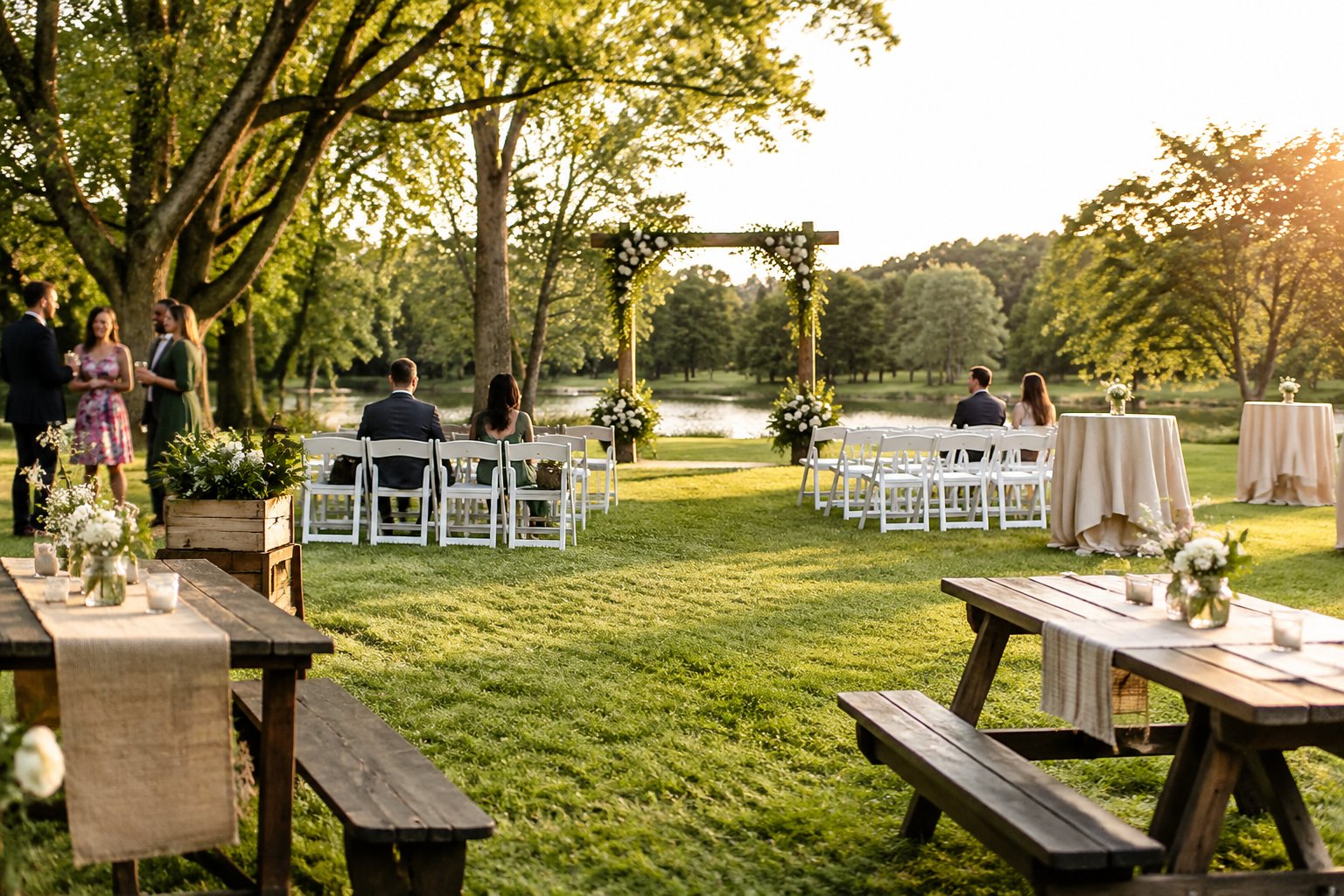
Ask about weekday, Sunday, morning, and off-season pricing for every space. Rates and inclusions change by date, guest count, and event format, so use venue names as starting points for current quotes.
Historic and Downtown Reception Rooms
Downtown spaces work well when you want convenient hotels, restaurants, parking options, and indoor climate control. The Hotel Blackhawk offers an elegant historic setting in Davenport, while The University Club provides a traditional club atmosphere for receptions and smaller gatherings.
The Stern Center gives you another type of downtown option with an event-focused setting. Historic and hotel venues may include catering, tables, linens, staff, and bar service in one package.
Ask whether those inclusions apply to your selected room and guest count. A downtown reception can also reduce transportation needs for guests staying nearby. Check parking fees, room blocks, music end times, and ceremony access before comparing the quote with a suburban or rural venue.
Barns, Vineyards, and Country Settings
Country venues suit couples who want a relaxed setting with open views and natural photo locations. Parker Run Vineyards, Tanglewood Hills, The Barn at Brophy Creek, Shadow Lake, and Rolling Meadows represent the kinds of vineyard, barn, lake, and country spaces worth comparing around the Quad Cities.
These venues often provide strong scenery, which can limit floral and décor spending. Ask about heating, cooling, restrooms, power, lighting, parking, rain coverage, and transportation.
A low site fee can require added rentals if the property does not include the infrastructure your guest count needs. Confirm the access window for vendors and the end time for music. If you plan to serve alcohol, ask about bartenders, permits, security, and approved beverage vendors.
Riverfront and Outdoor Celebrations
The Mississippi River and nearby parks offer scenic backdrops for ceremonies, cocktail hours, and relaxed receptions. Outdoor spaces work best when you have a written plan for rain, wind, heat, restrooms, power, seating, and guest movement.
Ask whether the rental covers the ceremony, reception, setup, and cleanup. A public site may require a permit, limit decorations, keep areas open to other visitors, or restrict amplified sound. Confirm every rule before booking vendors.
For a lower-cost outdoor celebration, choose a space with existing shade, attractive landscaping, nearby restrooms, and indoor access. A venue that already supplies chairs, tables, lighting, and a backup room can keep the total easier to manage.
Local Options Worth Comparing
The Quad Cities gives you a useful mix of urban, waterfront, museum, hotel, and lodge settings across Iowa and Illinois. Compare each option using the same guest count, schedule, food plan, and access hours.
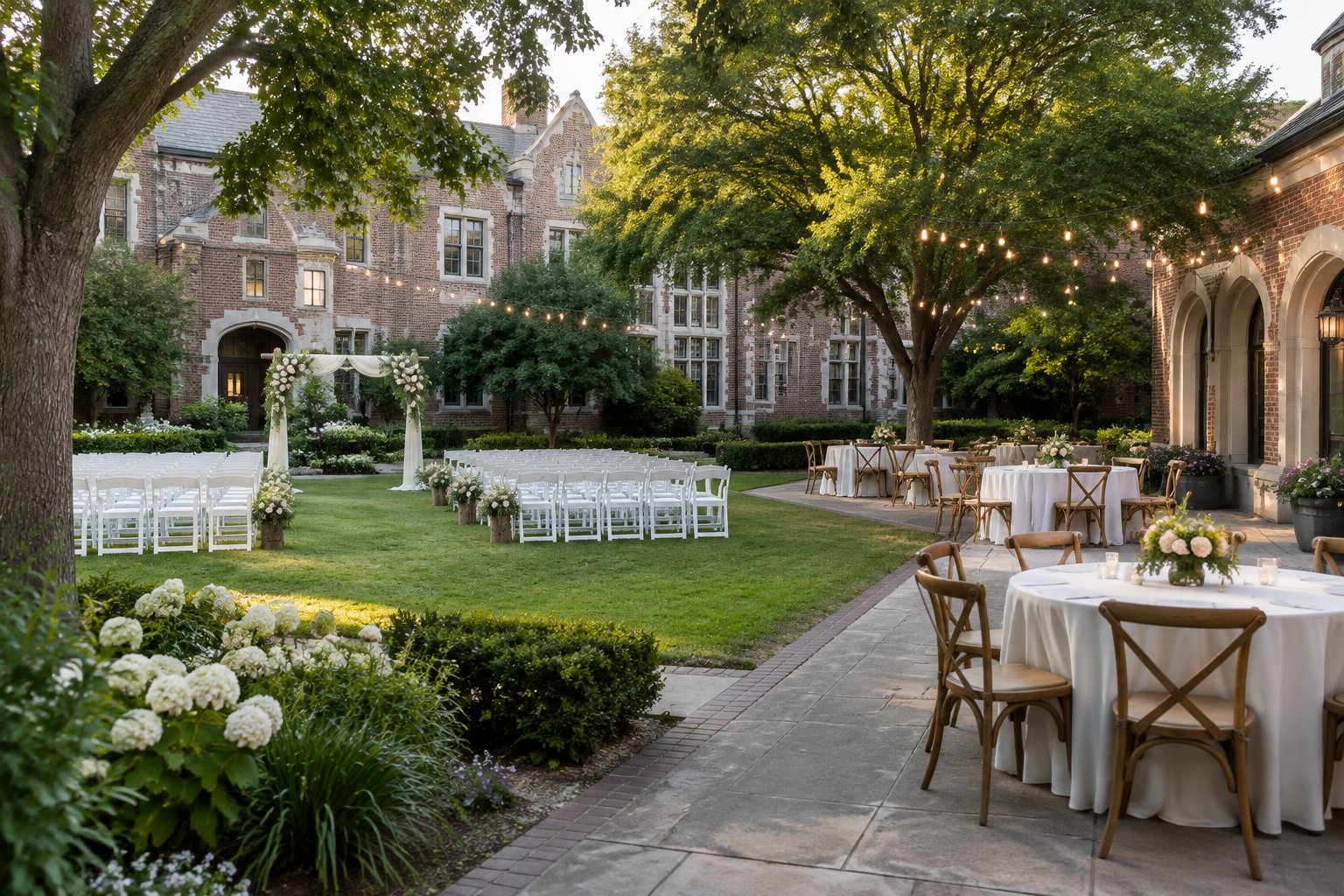
Davenport and Bettendorf can simplify guest travel and hotel planning. Moline and Rock Island provide Illinois choices, while LeClaire and nearby Iowa communities add river-town and country settings.
Davenport and Bettendorf Choices
Davenport venues give you access to downtown amenities, restaurants, hotels, and Mississippi River views. The RiverCenter works well for couples who need a large, flexible event facility, while The Figge Art Museum offers an arts-focused setting with distinctive architecture.
Ask both spaces about room size, ceremony options, catering rules, furniture, staffing, parking, and event end times. A large facility can be cost-effective when your guest list needs room for dining and dancing, though a smaller room may suit an intimate wedding with fewer rentals.
Bettendorf options can provide convenient access to major roads and hotels. Restaurant private rooms, club spaces, and smaller event rooms deserve comparison because they may package food and service with the space fee.
Moline and Rock Island Choices
Moline and Rock Island offer reception rooms, hotels, cultural spaces, and river-area properties. River View Lodge and Riverview Lodge are names worth checking for lodge-style or scenic celebrations, with current capacity and pricing confirmed directly with each property.
The right Illinois option depends on your guest count and service needs. Ask whether the venue permits outside catering, supplies tables and chairs, supports a ceremony onsite, and has an indoor backup for outdoor plans.
Check local lodging, parking, and transportation before choosing a venue across the river from most of your guests. A lower rental fee can lose its savings when you need extra shuttles or extended vendor access.
LeClaire and Nearby Iowa Choices
LeClaire gives you a river-town setting with restaurants, historic character, and nearby scenic areas. Smaller venues in LeClaire and surrounding Iowa communities can fit intimate weddings, rehearsal dinners, and casual receptions.
Ask about private dining minimums, room rental periods, noise limits, parking, and weather coverage. Restaurants can simplify food planning when their menu, staff, tables, and service are part of the booking.
Nearby Iowa properties may offer more outdoor space and flexible layouts. Price tents, restrooms, power, furniture, lighting, and cleanup before treating a country property as a low-cost choice.
Ways to Keep Venue Costs Down
The strongest savings usually come from your date, guest count, and event layout. Choose a time with lower demand, book a room that fits your attendance, and combine ceremony and reception access when the venue allows it.
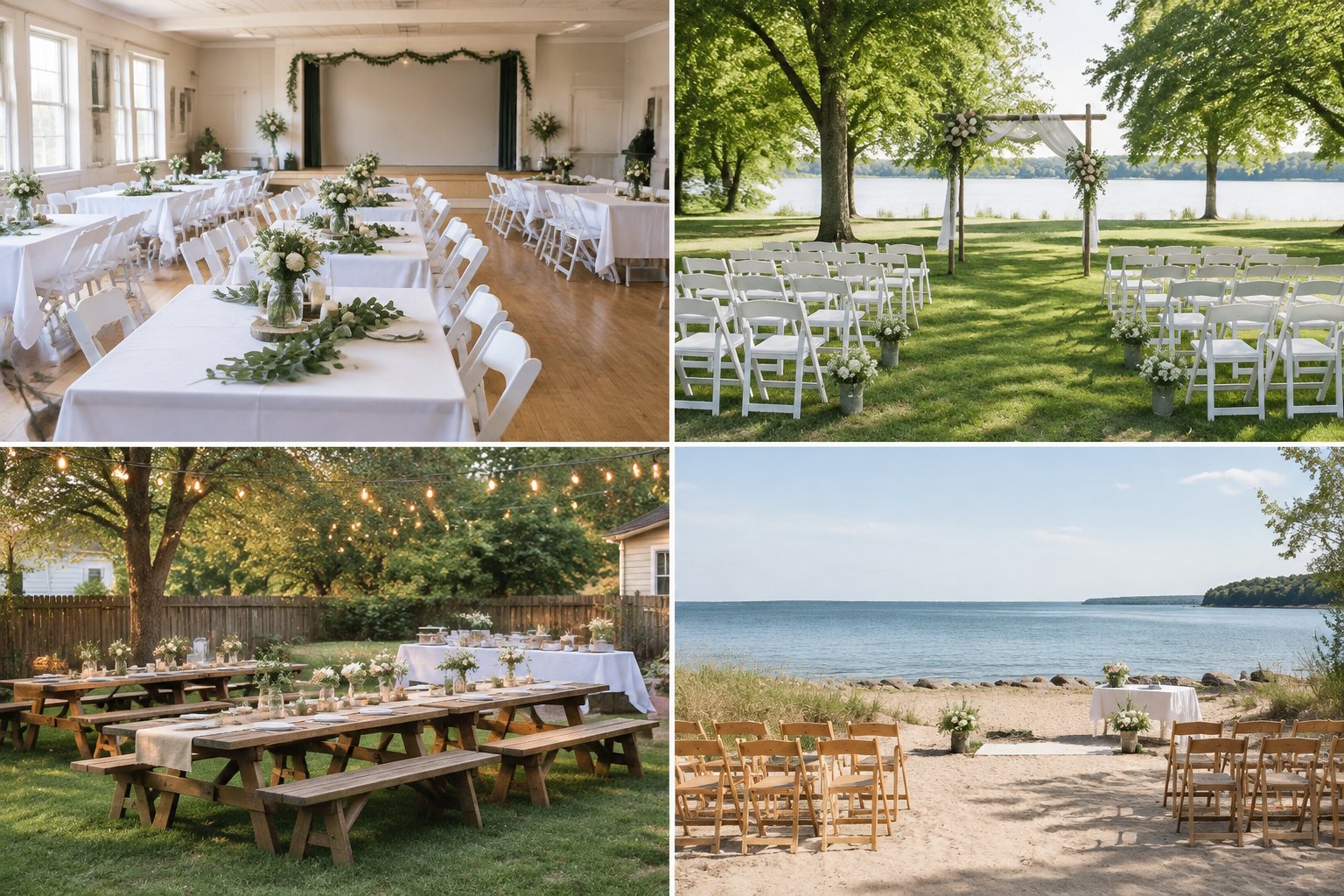
Ask for a complete quote for wedding venues in Iowa and western Illinois. Include every item your event needs so a low starting price does not hide required rentals or labor.
Choose an Off-Peak Date or Time
Friday, Sunday, weekday, morning, and winter dates can bring lower rental rates or better package terms. Ask venues to quote two or three dates with the same guest count and menu so you can compare the savings clearly.
A brunch or early afternoon reception can reduce bar hours, lighting needs, and late-night staffing. Confirm the full access window, including vendor setup and cleanup, before choosing a shorter schedule.
If you have a flexible month, request open-date specials. Get any discount, package change, or added inclusion written into the proposal and contract.
Match the Guest List to the Room
Your guest count affects the room size, food bill, furniture needs, and staffing. A smaller list can let you choose a private dining room, community room, garden, or intimate hotel space with lower costs.
Set the seated capacity based on your floor plan, including the dance floor, buffet, bar, DJ, gifts, cake, and accessible paths. A room that fits guests tightly may require a second space or a more expensive layout.
Ask for a quote at your expected count and at a lower count. This shows whether the venue has a fixed rental fee, a per-person minimum, or both.
Use One Location for Multiple Events
A venue that hosts your ceremony, reception, and rehearsal dinner can reduce travel, décor changes, and extra rental periods. Ask whether the ceremony room, cocktail area, reception room, and getting-ready space are included in one booking.
A room flip between ceremony and reception may require staff, a longer rental, or a separate transition area. Price those requirements before choosing this format.
When one property handles several events, confirm food service, access times, cleanup responsibilities, and guest flow for each event. A bundled arrangement works best when the written proposal covers the entire schedule.
How to Compare Quotes Before Signing
Compare complete event totals for the same date, guest count, hours, layout, menu, and weather plan. The lowest rental fee may not produce the lowest wedding cost after required services are added.
Rental Fees, Food Minimums, and Service Charges
Separate the base rental from catering and required charges in your spreadsheet. Record the room fee, ceremony fee, food and beverage minimum, service charge, tax, staffing, cleaning, security, and overtime.
Ask whether the food minimum includes alcohol, service charges, tax, cake, or late-night snacks. Confirm what happens if your final guest count falls below the minimum.
In-house catering can make planning easier when the menu and staffing are clear. Compare its full per-person price with outside catering, including delivery, kitchen use, servers, dishes, and cleanup.
Alcohol, Décor, and Vendor Restrictions
Ask whether the venue requires in-house catering, a preferred vendor list, or an approved bar provider. Confirm corkage, bartender, cake-cutting, outside-vendor, delivery, and trash fees.
Review decoration rules for candles, confetti, hanging items, floral installations, food trucks, and amplified music. Some spaces require venue staff to install décor or remove it before the rental ends.
For alcohol service, ask about permitted products, bartenders, insurance, security, last call, and local requirements. Put every restriction and fee in the proposal before you compare venues.
Build a Shortlist That Fits Your Priorities
Choose three to five venues that meet your capacity, location, style, and budget requirements. Create columns for rental, catering, minimums, rentals, staffing, alcohol, cleanup, taxes, service charges, parking, and weather backup.
Mark each item as included, extra, or still to confirm. Do not enter an unknown cost as zero. Request an updated written quote when a missing detail could affect your decision.
Then compare the all-in estimate per guest and review the contract terms, access hours, cancellation policy, accessibility, and rain plan. Keep the venue that fits your budget with the fewest unresolved costs and the clearest event plan.