
Cheap Wedding Venues Under $1,000: Realistic Options
A wedding venue under $1,000 is within reach when you keep the guest list small, choose a simple space, and check every fee before booking. Courthouses, community halls, public gardens, backyards, and private dining rooms offer practical settings for a budget-friendly wedding.
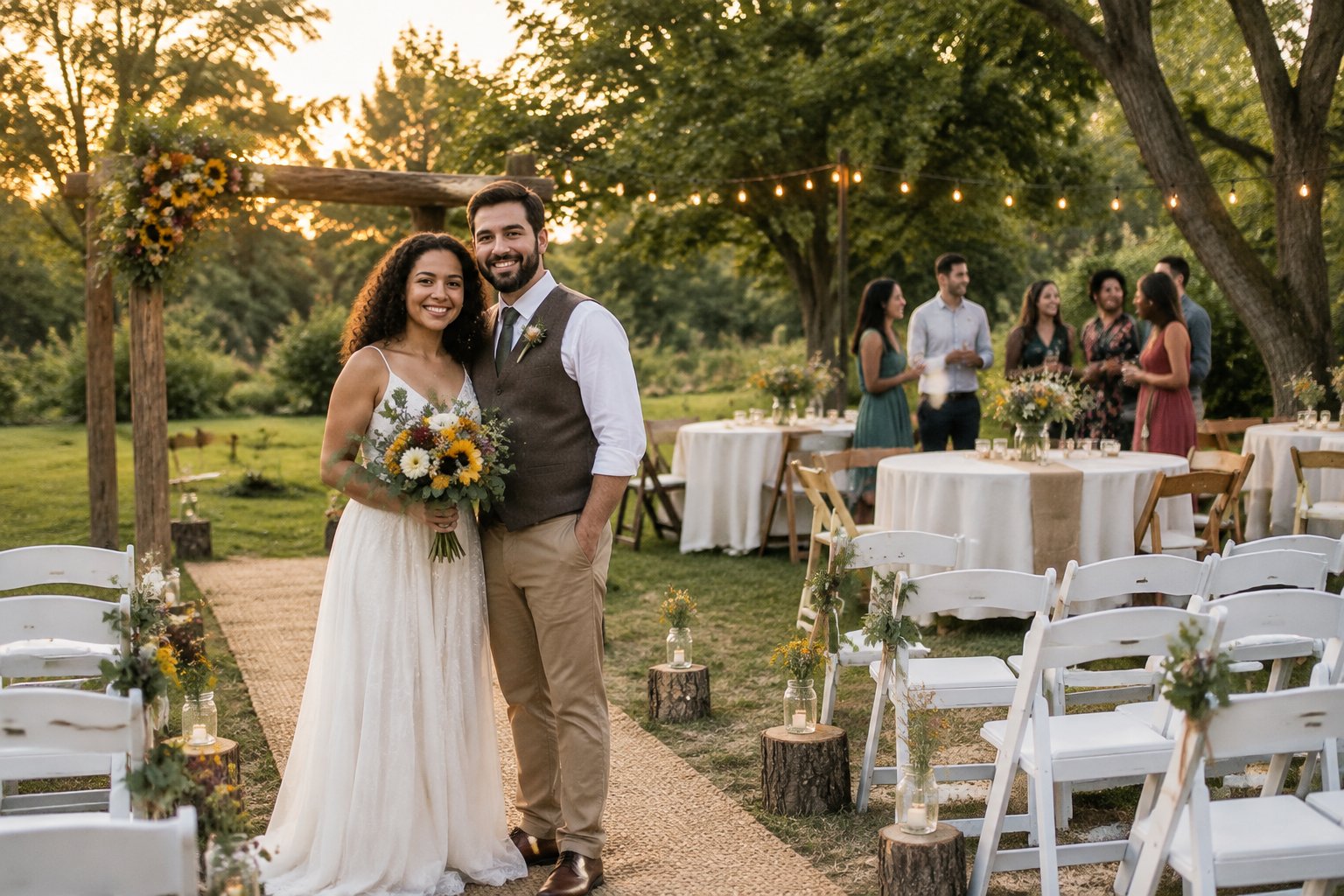
The best cheap wedding venues under $1000 for most couples are community centers, local parks, and small private spaces because they provide room for a ceremony at a rental price you can match to your guest count. Your $1,000 limit usually covers the venue rental itself, so plan separately for food, flowers, photography, attire, permits, and rentals.
Start by setting a firm venue ceiling, then ask for an itemized quote. A low hourly rate can rise after cleaning charges, overtime, security deposits, chairs, or insurance are added. If you want help comparing styles and locations, browse these cheap wedding venue ideas before contacting local spaces.
What Can a $1,000 Venue Budget Actually Cover?
A $1,000 wedding venue budget can cover a basic ceremony and reception space for a small wedding, especially on a weekday, during an off-season period, or for a shorter rental window. Your guest count and included services decide how far the money goes.
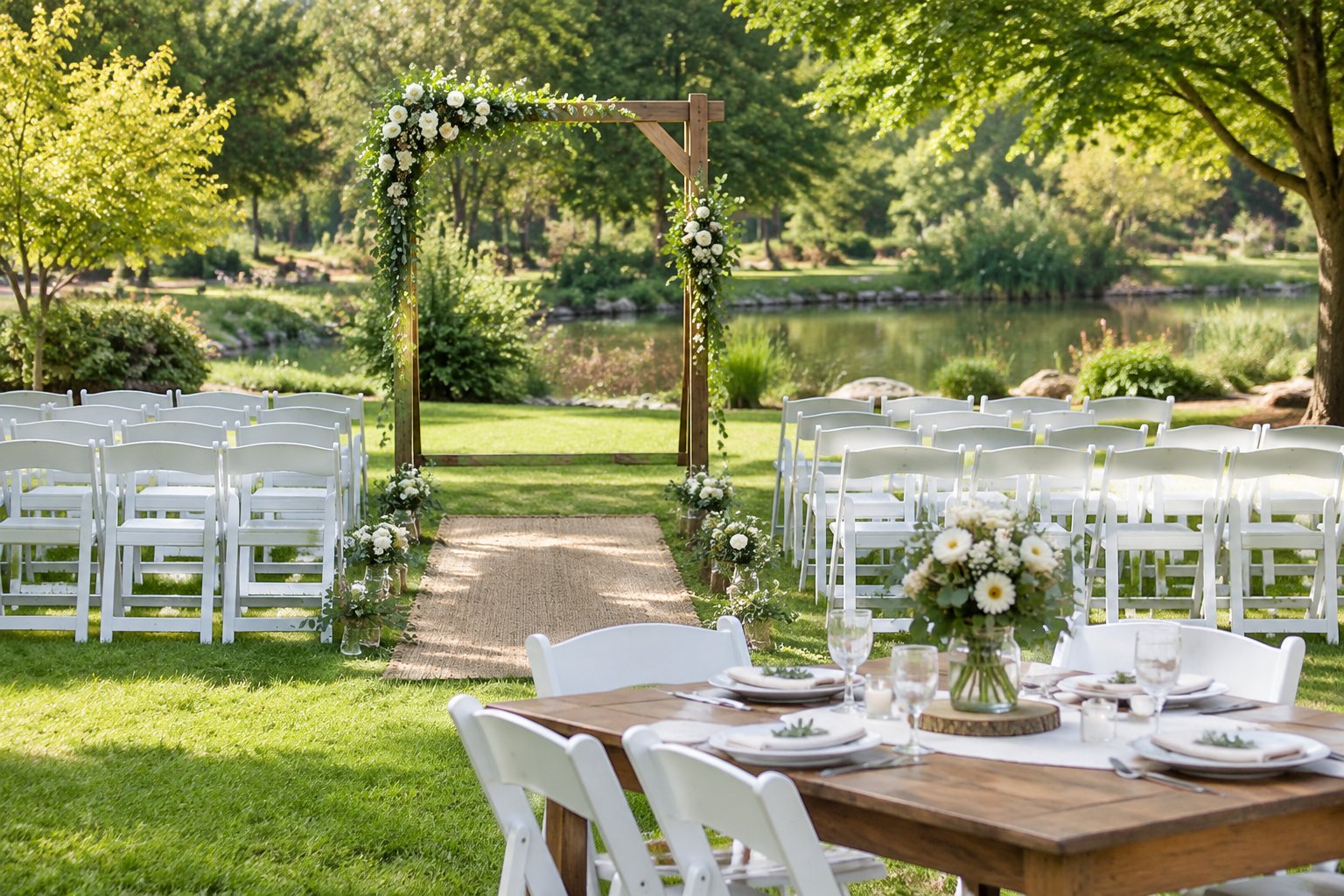
Venue Rental vs. Total Wedding Cost
A venue rental is one line in your wedding budget. It pays for access to a space for a set period, while your total wedding cost includes every service and item needed for the day.
A $700 rental leaves $300 for venue-related needs if you have a strict $1,000 venue limit. Ask whether the quote includes tables, chairs, restrooms, power, parking, setup time, and cleanup. A lower-priced room with included furniture may cost less than a cheaper empty room after rentals are added.
How Guest Count Changes Your Options
A small wedding gives you more choices because you need less seating, parking, food service, and floor space. A ceremony for 15 people might fit in a courthouse room, café, backyard, or private dining room.
A 60-person celebration needs a larger hall, more chairs, and stronger restroom and parking plans. Before searching, write down your guest count and preferred event length. A venue that fits 25 guests may become crowded at 45, even if the rental price stays the same.
Costs That Can Push a Booking Over Budget
Several charges can move a venue above your limit:
- Cleaning or trash removal fees
- Security deposits and event insurance
- Permit charges for parks or public spaces
- Extra hours for setup and breakdown
- Table, chair, linen, or sound equipment rentals
- Required security or approved vendors
- Overtime for late departures
Request the full price in writing, including taxes and refundable deposits. Keep a small reserve for required charges so your venue budget does not absorb money reserved for food or photography.
Best Venue Types for a Small Budget
The strongest low-cost choices include public facilities, private homes, and spaces with built-in scenery or furniture. Each option suits a different guest count, schedule, and level of do-it-yourself work.
Courthouse and City Hall Ceremonies
A courthouse wedding or city hall ceremony keeps the formal portion short and focused. You may pay a marriage license fee and ceremony fee, then host a meal or gathering elsewhere.
This works well for couples who want legal simplicity and a small guest list. Check appointment rules, guest limits, identification requirements, and whether photography is allowed inside.
Community Centers and Local Halls
Community centers, church halls, grange buildings, and local lodges provide flexible rooms for ceremonies and receptions. Many have restrooms, kitchens, tables, and chairs, which helps protect your wedding budget.
Ask about resident discounts, nonprofit rates, weekend pricing, required cleanup, and available kitchen equipment. A hall with a plain interior can look polished with one coordinated color scheme and a focused ceremony backdrop.
Parks and Garden Weddings
A garden wedding uses natural scenery as part of the decor. City parks, botanical gardens, picnic shelters, and public pavilions may offer affordable permits or hourly reservations.
Confirm the rules for amplified music, alcohol, tents, candles, decorations, and rain plans. Public spaces also need a clear plan for guest seating, restrooms, shade, and waste removal.
Backyard Weddings and Private Homes
A backyard wedding can provide a personal setting with flexible decor and a familiar kitchen. A friend or relative may offer the space for free or at a low cost, leaving more of your budget for food and rentals.
Measure the usable area before inviting guests. Check parking, restrooms, lighting, weather protection, noise limits, and access for older guests. A small guest list keeps the home comfortable and reduces rental needs.
Restaurants, Cafés, and Private Dining Rooms
A restaurant or café with a private room can combine your venue and meal location. Ask about minimum spending, room fees, service charges, menu limits, start and end times, and whether a ceremony can take place there.
This choice suits a small wedding with a meal-focused celebration. Compare the full minimum spend with the cost of renting a room plus outside catering.
Chapels and Rustic Barns
A chapel wedding offers a ready-made ceremony setting with built-in character. Small rustic barns, farms, and historic buildings can also work when owners rent a ceremony area for a short period.
Read the rental terms carefully. Some locations advertise a low ceremony price while charging separately for reception access, chairs, heating, restrooms, parking, or cleanup. For more ideas, explore affordable wedding venues that fit your preferred setting.
How to Find Affordable Options Near You
You can find affordable wedding venues near you by searching for community spaces, public facilities, private rooms, and short-term rentals with clear hourly pricing. Local government pages and direct phone calls often reveal options that large wedding directories miss.
Search Terms That Surface Lower-Cost Rentals
Use specific phrases that describe the type of space you need:
- “community center wedding rental near me”
- “city park pavilion wedding permit”
- “church hall wedding rental”
- “private dining room wedding”
- “small event space hourly rental”
- “garden ceremony rental”
- “historic building wedding rental”
Add your city, county, or neighborhood to each search. Review the venue’s official page, then call to confirm current rates, availability, and event rules.
Ask About Weekday and Off-Season Dates
Monday through Thursday dates and winter bookings may have different rates from peak Saturdays. Morning ceremonies, Sunday events, and shorter time blocks also fit some venues’ schedules at lower prices.
Ask for the price difference between a Saturday and a weekday. Give the owner several possible dates so you can respond to open availability.
Compare Hourly Rentals With Flat Fees
An hourly rental works well for a short ceremony or a small reception. A flat fee may offer better value when it includes setup time, furniture, cleanup, or access to a kitchen.
Calculate the full time you need, including vendor arrival and cleanup. A four-hour event with two hours of setup may require a six-hour booking.
Use Local Networks and Public Facilities
Ask libraries, neighborhood associations, parks departments, faith communities, schools, and small restaurants about event rentals. Wedding photographers, florists, caterers, and officiants also know spaces that serve local couples.
Read the facility’s rules before making assumptions about price or availability. Some public sites require permits, proof of insurance, or a separate reservation for amplified sound.
How to Compare Venue Quotes Without Missing Fees
Compare venue quotes by converting each option into one all-in number that includes rental time, required services, deposits, and rules affecting your other vendors. The lowest advertised price may not be the lowest usable price.

Questions to Ask Before Paying a Deposit
Ask these questions before signing:
- What is the total price, including taxes and required fees?
- How many hours does the booking include?
- When may vendors arrive for setup?
- What happens if you cancel or change the date?
- Is the deposit refundable?
- What guest count and activities does the rental allow?
- Who handles cleanup and trash?
Request answers by email or in the contract. Save the quote beside your wedding budget so later changes are easy to track.
Included Rentals, Setup, and Cleanup
Confirm whether tables, chairs, linens, lighting, sound equipment, and kitchen access are included. Ask who places furniture, removes decorations, takes out trash, and returns the room to its original condition.
A venue with basic furniture may save you from a separate rental order. Check the quantity and condition of every included item, especially if your seating plan depends on it.
Outside Vendor and Catering Rules
Some venues allow any licensed caterer, while others require an approved list or charge a kitchen fee. Ask about outside food, alcohol, bartenders, cake cutting, food trucks, and reheating equipment.
These rules affect your budget beyond the room rental. A lower-cost hall may fit your plans well if it permits a drop-off caterer and simple self-serve refreshments.
Insurance, Permits, and Security Deposits
Public parks, city buildings, and private properties may require event insurance or a special permit. Ask who applies for each permit, what coverage is required, and when proof must be submitted.
Separate refundable deposits from permanent fees in your budget. Confirm the return deadline and the conditions that could reduce the refund, such as damage, late cleanup, or overtime.
Ways to Make a Low-Cost Venue Look Intentional
A low-cost venue looks polished when you choose a space with strong natural features, limit the decor plan, and repeat a small set of colors and materials. Your design should support the room’s layout and the event schedule.
Choose a Venue That Needs Little Decorating
Look for gardens, courtyards, historic rooms, tree-lined parks, and homes with attractive outdoor areas. Natural light, greenery, wood, and interesting architecture reduce the need for large decorations.
Choose one focal point, such as an arch, ceremony backdrop, dessert table, or sweetheart table. Use matching linens, flowers, or paper details to connect that area with the guest tables.
Plan a Shorter Celebration
A short ceremony followed by a meal or dessert reception reduces rental hours and keeps the schedule easy to manage. A two-hour garden wedding or an afternoon café gathering may need less furniture, lighting, and staffing.
Share the exact guest arrival and departure times with the venue. Build setup and cleanup into the booking so overtime does not erase your savings.
Keep Food and Furniture Simple
Use a practical layout with one seating style and a small number of tables. Buffet trays, boxed meals, cake and coffee, or a family-style meal can suit an informal space and simplify service.
Choose food that works with the venue’s kitchen and power supply. Borrowed vases, rented folding chairs, seasonal flowers, and reusable signage keep the room coordinated without filling it with extra pieces.
Split the Ceremony and Reception Locations
Holding the ceremony in a park, courthouse, chapel, or backyard and the meal at a restaurant or home lets you pay for each space only as long as you need it. This approach also gives you more freedom when a single venue cannot meet every requirement.
Keep travel time short and tell guests where to park at each location. Confirm photography rules, accessibility, weather plans, and the transition time before booking either space.