
Cheap Wedding Venues Vic: Smart Ways to Save
Planning a wedding on a tight budget starts with the venue because the room, food, drinks, staffing, and guest count can shape nearly every other cost. Cheap wedding venues in Victoria usually include community halls, relaxed restaurants, warehouses, gardens, public spaces, and regional properties where flexible dates and smaller guest lists help keep spending under control.
A low hire fee does not always mean a low final bill. Compare the complete price for your guest count, including catering, beverages, furniture, cleaning, setup, ceremony access, and GST.
A venue with useful inclusions can offer better value than a cheaper space that leaves you arranging every supplier. Set your guest number and preferred format first, then request written quotes from several affordable wedding venues in Victoria.
You will have a clearer budget and a stronger starting point for wedding planning.
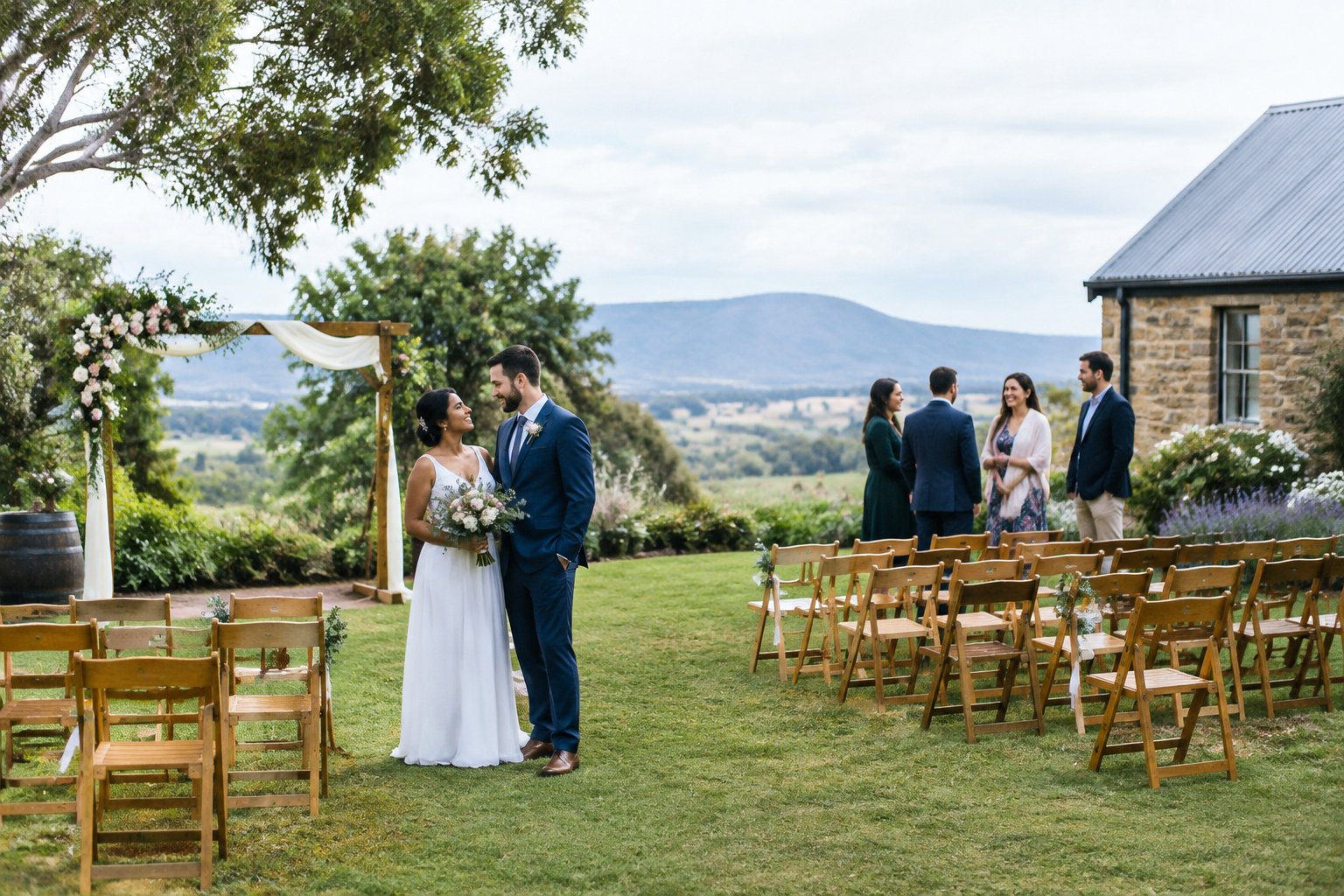
What Does an Affordable Victorian Wedding Venue Cost?
Many catered Melbourne receptions sit around $140 to $300 per guest, while hire-only spaces may charge a fixed fee or a minimum spend. Treat these figures as planning ranges because date, location, guest numbers, menu, drinks, and included services change the final quote.
Affordable wedding venues use several pricing models. A restaurant may set a minimum spend, a community hall may charge a venue hire fee, and a dedicated venue may offer wedding packages priced per person.
Compare each quote using the same guest number and reception style.

Understanding Per-Person Pricing
Per-person pricing links your food and beverage bill to the guest list. At $150 per guest, the package component is $6,000 for 40 guests, $12,000 for 80 guests, and $18,000 for 120 guests.
Ask whether the rate includes catering, drink packages, service staff, furniture, linen, crockery, glassware, and GST. Check whether children, suppliers, and guests with dietary needs have separate rates.
Minimum Spend, and Hire Fees
A minimum spend per event sets the amount you must spend on food and beverages. A venue hire fee charges for access to the property or room, with catering and other services priced separately.
Affordable Melbourne bookings may fall around $2,000 to $5,000 in minimum spend, $35 to $120 per person, or $300 to $2,500 in hire fees. These ranges give you a starting point for enquiries, so request a current written quote before you compare options.
Hire-only spaces give you more supplier choice. Price tables, chairs, glassware, kitchen access, cleaning, security, staffing, and setup time before deciding that the space costs less.
Why Guest Numbers Change the Real Venue Cost
Guest numbers affect the food bill, drink consumption, staffing, furniture needs, and room size. A smaller guest list also lets you choose private rooms, restaurants, and intimate event spaces that need less styling.
Ask venues for quotes at your minimum, likely, and maximum guest counts. A space with a low minimum spend may suit 40 guests, while a larger property could require a commitment that raises the cost of a small celebration.
What Is Usually Included in Wedding Packages?
All-inclusive wedding packages may include the reception room, canapés, a plated or shared menu, service staff, tables, chairs, linen, crockery, glassware, a dance floor, and basic audiovisual equipment.
Check every package for:
- Ceremony setup and wet-weather arrangements
- Drink packages and beverage service hours
- Cake cutting and service
- Menu tasting
- Coordinator or master of ceremonies
- Extra hours and late-night staffing
- Cleaning and pack-down
- Corkage for supplied wine
- Dietary meals and children’s meals
A package with fewer upgrades can suit your wedding budget better when you remove features you will not use. Read all conditions before paying a deposit.
Where to Find Good-Value Venues in Melbourne and Victoria
The strongest value appears across inner-north restaurants and warehouses, flexible city reception spaces, and regional properties with built-in scenery. Location affects venue price, transport, accommodation, supplier travel, and the amount you need to spend on decoration.
Compare the full guest experience, including parking, public transport, nearby hotels, accessibility, and wet-weather facilities. A regional venue with a lower hire price can add shuttle and accommodation costs, while a city venue can reduce guest travel.
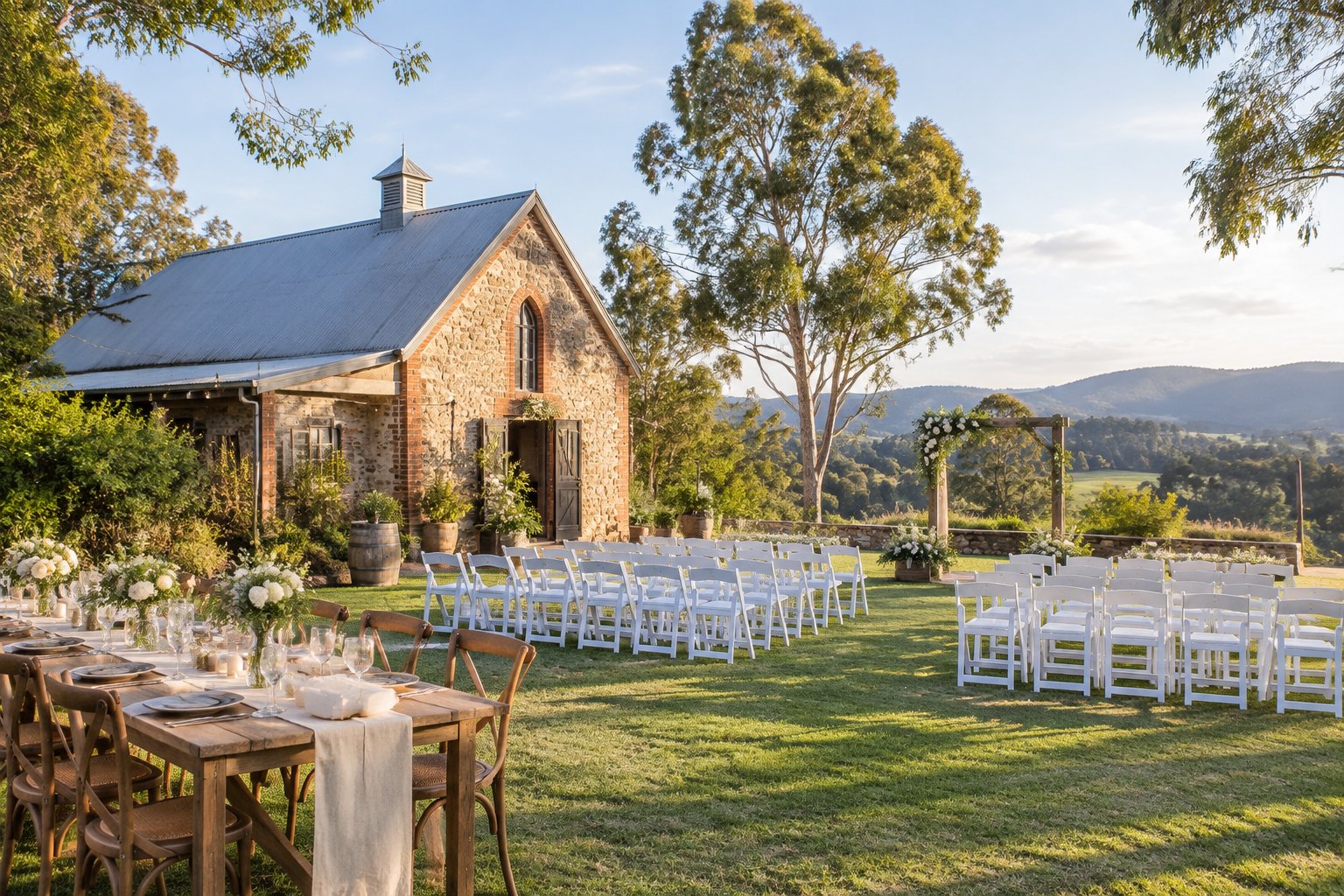
Inner-North Warehouses and Cafés in Collingwood, Fitzroy, Brunswick, and Thornbury
Collingwood, Fitzroy, Brunswick, and Thornbury offer restaurants, pubs, cafés, and warehouse-style rooms suited to small weddings and cocktail receptions. Their existing character can reduce the need for large floral displays or elaborate styling.
Ask whether tables, chairs, glassware, sound equipment, cleaning, and bar staff are included. Check supplier rules too, since some venues use approved caterers or beverage packages.
A central inner-north location can also help guests reach the wedding reception venue by public transport and reduce transfer costs.
Richmond, CBD, and Yarra River Reception Spaces
Richmond and Melbourne’s CBD provide hotels, restaurants, rooftops, and riverside rooms close to public transport and accommodation. These spaces work well for city celebrations, private dining, and shorter receptions.
A rooftop wedding venue or Yarra River room may use a hire fee or minimum spend. Ask about room access, beverage hours, lift access, noise rules, construction nearby, and indoor backup space.
Compare guest travel costs with the venue quote. City convenience can balance a higher room price when guests save on long transfers.
Yarra Valley, Dandenong Ranges, and Regional Escapes
The Yarra Valley and Dandenong Ranges suit couples seeking winery weddings, garden properties, rustic spaces, and outdoor wedding venues. Natural views and established gardens give you a styled backdrop with fewer decoration purchases.
Include supplier travel, guest accommodation, shuttle buses, lighting, heating, and extended setup time in your budget. Ask about road access and the plan for rain, wind, or cold weather.
A weekday lunch or winter date can open access to a larger property at a different package level. Confirm the full offer in writing.
Garden, Lakeside, and Outdoor Settings
A garden wedding, lakeside celebration, or outdoor wedding venue can provide atmosphere through trees, water, lawns, and open views. These features help keep floral and backdrop costs focused on key areas such as the ceremony and dining tables.
Check permits, bathrooms, power, lighting, accessibility, parking, noise limits, and weather protection. Outdoor venues also need a clear plan for wind, rain, heat, and wet ground.
Compare ceremony and reception access together. A property that supports both events can reduce transport and duplicate setup costs.
Which Venue Style Fits Your Budget and Guest List?
Small weddings usually gain the most control from restaurants, private rooms, and compact event spaces, while larger receptions need venues with efficient catering, guest flow, and dance-floor capacity. Choose the format before you compare prices because a cocktail reception, seated dinner, ceremony, and cultural celebration use space in different ways.
Your guest count should guide the room size, minimum spend, furniture plan, and service model. Ask for both seated and cocktail capacities because the numbers can differ sharply.
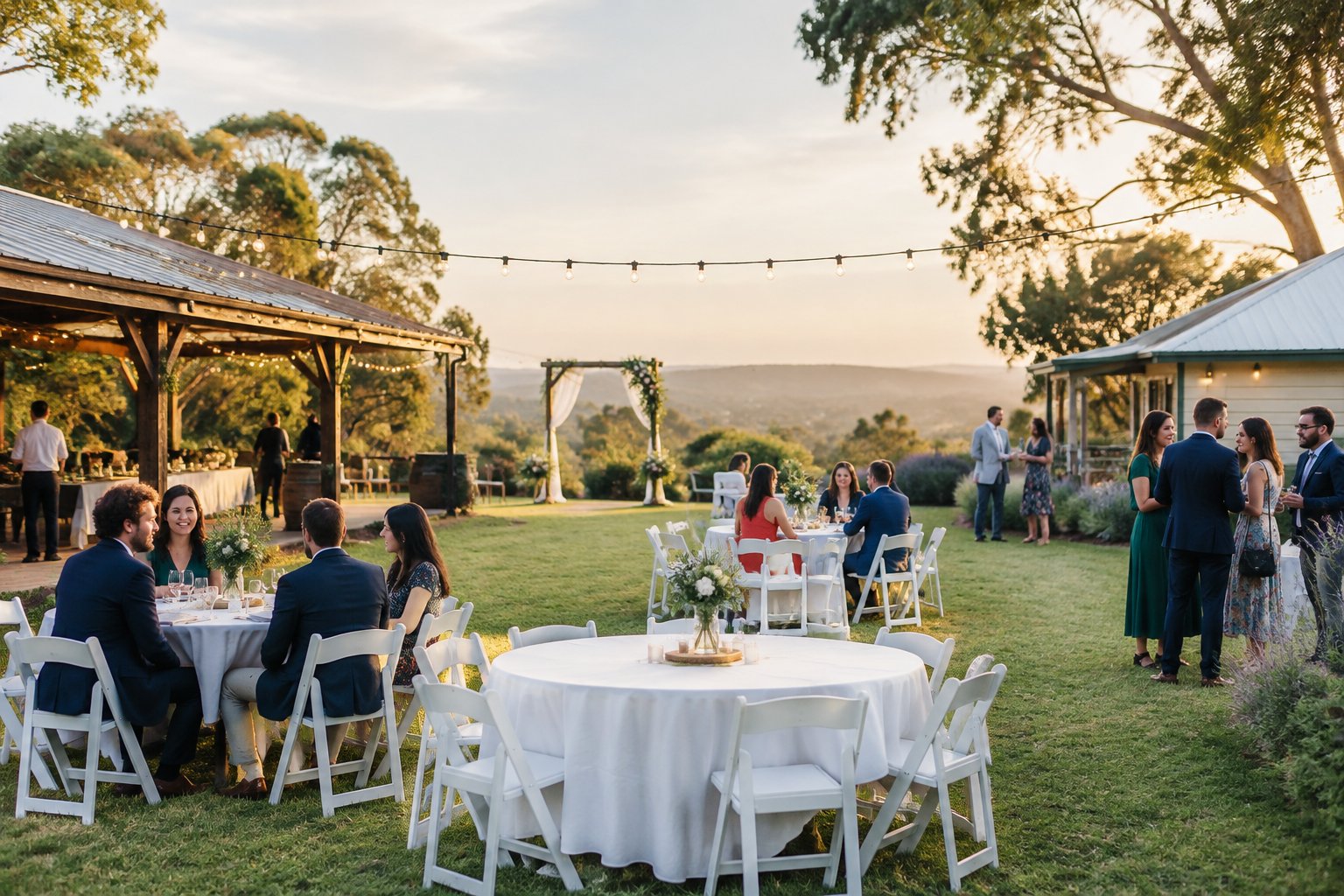
Small Restaurants, Private Rooms, and Micro Celebrations
Small wedding venues suit guest lists below 50 because food, drinks, staffing, and decoration stay easier to control. Restaurants, boutique hotels, private dining rooms, courtyards, and community halls can create a warm setting without paying for unused capacity.
Ask about weekday lunches, shared dining rooms, private rooms, and minimum spends that match your group. Smaller spaces also need fewer rentals and less wedding decoration.
For 20 to 40 guests, compare private dining, a small garden, a courtyard restaurant, and a boutique hotel room. Check accessibility and seating for older guests before booking.
Industrial and Rustic Event Spaces
Industrial spaces suit couples who want exposed brick, timber, high ceilings, or a relaxed wedding reception. Warehouses and rustic venues can support seated meals, shared dining, and cocktails with flexible layouts.
Ask about furniture, kitchen access, approved catering, sound limits, cleaning, loading access, and pack-down time. A blank room may require extra spending on lighting, tables, chairs, linen, and styling.
Existing walls, beams, windows, and artwork can carry much of the visual design. Price those built-in features before adding rentals.
Ballrooms and Convention Venues for Larger Receptions
Ballrooms and convention venues suit larger guest lists because they offer professional catering, guest flow, bathrooms, service access, and space for a dance floor. Options such as Vogue Ballroom, RACV City Club, and Lakeside Banquet and Convention Centre show how formal venues can serve different reception sizes.
Ask about minimum guest numbers, room dividers, table layouts, staging, audiovisual equipment, parking, and ceremony access. Larger rooms need enough guests to feel balanced, so confirm the layout before paying a deposit.
For cultural celebrations, ask about outside caterers, kitchen access, dietary menus, ceremony areas, entertainment, and extended setup time.
Rooftops, Estates, and Tea Houses
A rooftop wedding venue offers city views, while an estate or Olinda Tea House creates a garden or regional feel. Tatra Reception and Yarra Range Estate suit couples seeking scenic surroundings, while a lakeside venue can combine views with a structured banquet service.
Ask about weather backup, lift access, guest transport, heating, sunset timing, and lighting. Scenic venues reduce styling needs, yet remote locations can add supplier and accommodation costs.
Compare the setting’s built-in features with the travel plan before choosing the venue.
How to Reduce Venue Costs Without Reducing the Experience
Choose a lower-demand date, combine the ceremony and reception, select a focused food service, and use the venue’s existing features to reduce costs while keeping the day polished. These changes affect the structure of your booking, so discuss them before you sign a package.
A written comparison helps you see whether a cheaper package still includes staffing, furniture, food, drinks, cleaning, and ceremony support. Ask venues about alternate dates and package formats when the standard offer exceeds your limit.
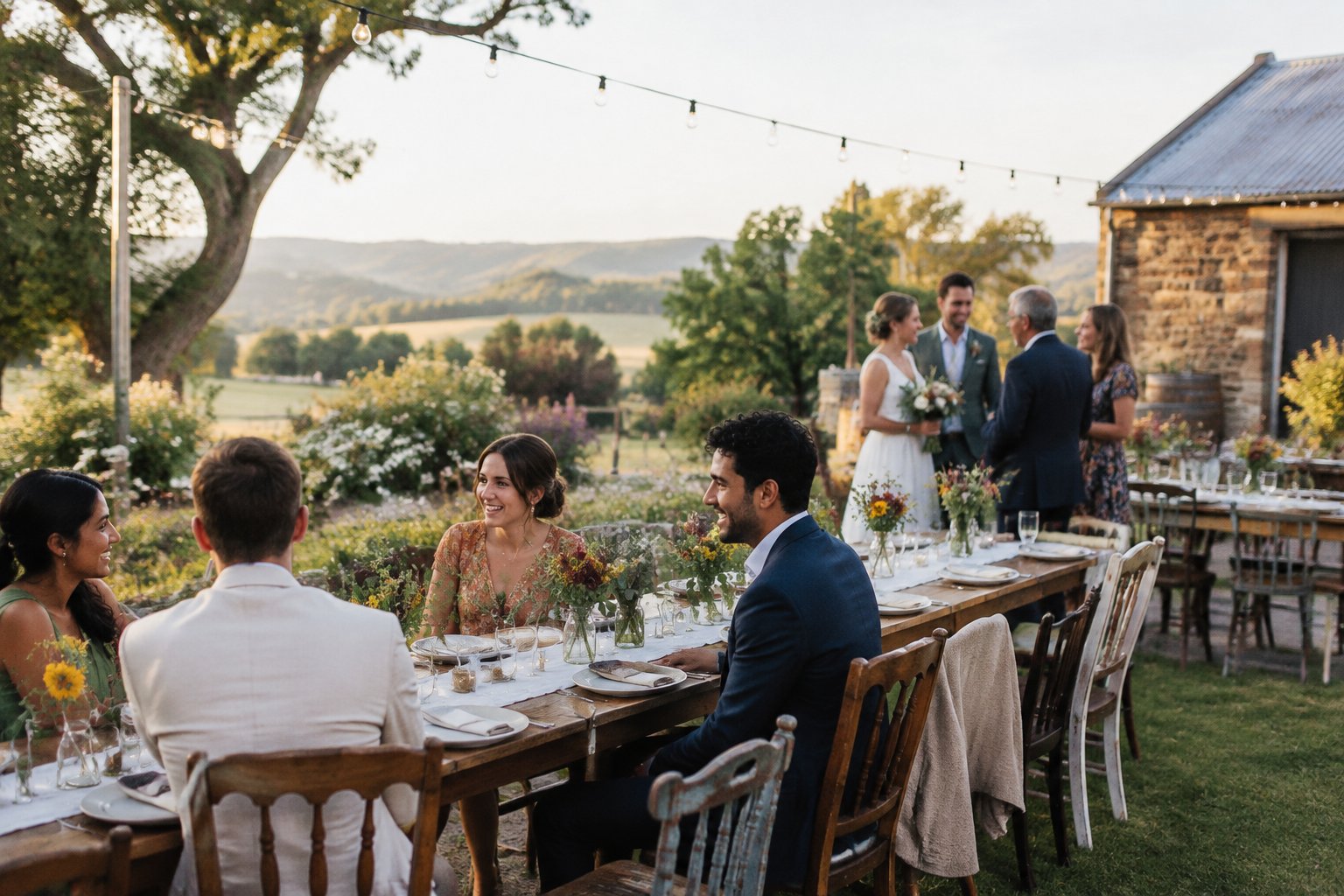
Why a Winter Wedding Can Deliver Better Value
A winter wedding, weekday booking, Friday event, or Sunday celebration can open different rates and package options. Venues have more reason to discuss flexible dates when demand is lower.
Ask about winter menus, indoor ceremony areas, heating, lighting, wet-weather access, and guest comfort. You can also request changes to inclusions, such as a shorter beverage period or a different menu.
Review travel and accommodation prices for guests before confirming a regional winter date.
Holding the Ceremony and Reception at One Venue
Holding the wedding ceremony and reception at one property reduces guest travel, duplicate furniture setup, and the need to coordinate two locations. Look for a venue with an outdoor option, indoor room, or ceremony area that converts smoothly for dinner.
Confirm whether the ceremony fee covers chairs, signing furniture, aisle setup, sound equipment, staff, and wet-weather arrangements. Ask how long the room conversion takes and where guests wait during the changeover.
A single-property schedule also helps you avoid transport delays between events.
Choosing Cocktail Service, Brunch, or a Shorter Reception
Cocktail service, brunch, lunch, or a shorter reception can reduce menu, staffing, and beverage costs when the format suits your guests. A cocktail event still needs enough food, seating for older guests, bar access, and space for speeches.
Ask for package prices at different service lengths. Compare a full dinner with a lunch, brunch, shared menu, or cocktail format using the same guest count.
Confirm the end time, music rules, supplier access, and late-night staffing before selecting a shorter booking.
Using Existing Features Before Buying Decorations
Use gardens, windows, exposed brick, timber, chandeliers, views, artwork, and built-in lighting as part of your design. Focus purchased decorations on the ceremony entrance, signing table, dining tables, and cake area.
Ask what furniture, linen, lighting, plants, signage stands, and ceremony pieces the venue already owns. Confirm whether you can move items and whether staff charge for setup.
A clear colour palette and a few repeated details can connect the room without filling every surface.
What to Ask Before You Sign a Venue Contract
Ask for every cost, supplier rule, timing limit, weather plan, and accommodation detail in writing before you sign or pay a deposit. The contract should match the quote, the package, the room layout, and the promises made during your tour.
Take the document home and check cancellation terms, payment dates, guest limits, overtime, cleaning, damage, insurance, and noise rules. Ask for written changes when a conversation produces a different offer.
Which Fees Are Not Included in the Initial Quote?
Ask about corkage fees, cake cutting, staffing, security, cleaning, overtime, ceremony access, furniture upgrades, linen, audiovisual equipment, supplier meals, dietary meals, GST, and minimum spends.
Request a line-by-line quote for your expected guest count. Check whether the venue charges for setup, pack-down, rehearsal access, early arrival, or additional rooms.
Also ask when prices can change and whether the contract fixes the quoted rates.
Can You Bring Your Own Suppliers and Alcohol?
Confirm the venue’s rules for wedding vendors, catering, alcohol, decorations, entertainment, and wedding photography. Some venues allow outside suppliers with approval, while others use preferred or exclusive teams.
Ask about corkage, kitchen access, delivery times, refrigeration, glassware, bar staff, insurance, and cleanup. Give your wedding photographer the venue’s access rules, lighting limits, and photography areas.
Write every approved supplier and exception into the contract.
What Are the Wet-Weather, Timing, and Setup Rules?
Ask when you can access the room, when suppliers can load in, how long setup takes, and when pack-down must finish. Confirm the wet-weather plan for outdoor wedding ceremonies, photographs, guest movement, and dining.
Check noise curfews, music volume, candle rules, confetti rules, heating, fans, power, parking, and accessibility. Ask who makes the weather decision and when the backup layout becomes active.
A clear schedule helps your wedding planner, master of ceremonies, photographer, and vendors work from the same plan.
Does the Venue Have Accommodation and Getting-Ready Space?
Ask whether the property offers accommodation, bridal suites, private getting-ready rooms, accessible bathrooms, storage, and secure areas for personal items. Check room release times, cleaning, breakfast, guest rates, and transport between nearby hotels and the venue.
A dedicated getting-ready room can improve the schedule for hair, makeup, photography, and supplier access. Confirm whether the space remains available after the ceremony and whether guests can use it during the reception.