
Affordable Wedding Venues Victoria: Smart Ways to Save
Finding affordable wedding venues in Victoria starts with one important choice: decide which Victoria you mean. Victoria, Australia offers Melbourne-area venues, wineries, farms, and gardens, while Victoria, BC brings harbor hotels, heritage buildings, community halls, and Vancouver Island scenery.
Each market has budget-friendly options when you match the venue to your guest count and spending plan.
Your guest list, event time, and venue inclusions shape the final cost more than the venue’s advertised hire fee. A low rental price can rise quickly after catering, staffing, rentals, setup, cleanup, and service charges are added.
Set your maximum wedding budget before you tour spaces, then ask every venue for a complete written estimate. Use the details below to compare affordable wedding venues with confidence and start contacting the locations that fit your celebration.
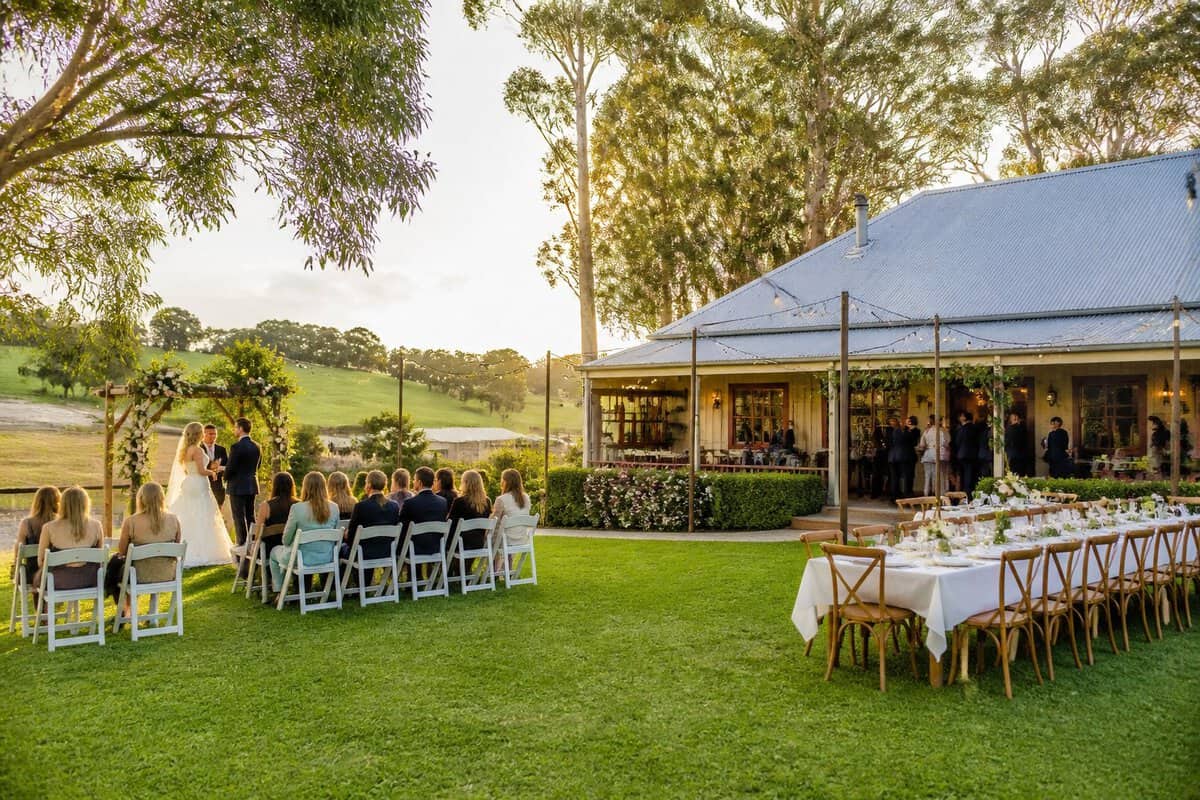
Start With the Right Victoria and Your Budget
The best starting point is to confirm your location, guest count, and full wedding budget before comparing wedding venues. That order helps you avoid irrelevant results and keeps attractive spaces within financial reach.
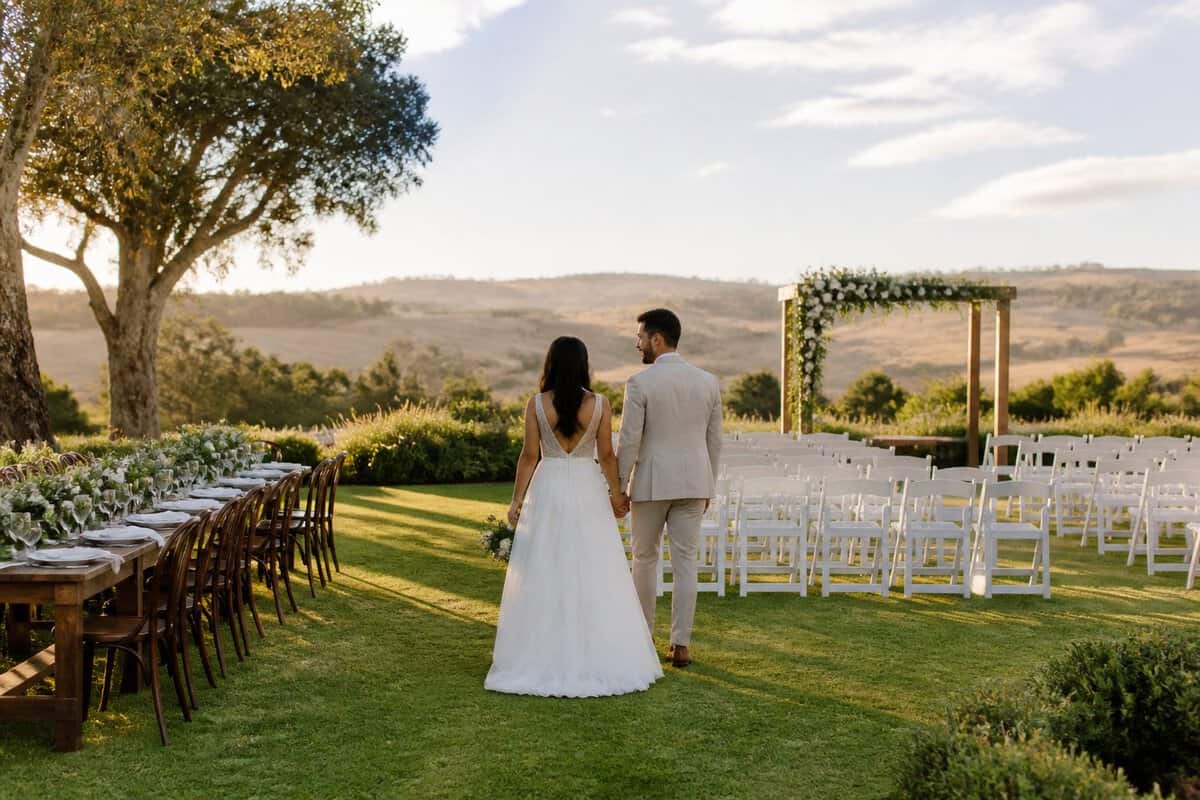
Victoria, Australia vs. Victoria, BC: Which Search Results Apply?
Victoria, Australia usually points to the state of Victoria, with many searches centered on Melbourne, Richmond, the Dandenong Ranges, regional wineries, and countryside properties. Search terms such as “Melbourne wedding venues” or “Victoria Australia wedding venues” will lead you toward that market.
Victoria, BC refers to the capital of British Columbia on Vancouver Island. Search results often include the Inner Harbour, downtown hotels, heritage properties, Metchosin, Olympic View, golf courses, and community halls.
Check the currency, phone area code, address, and travel details on every listing. A venue with the right name can still be several thousand miles from your intended celebration.
How Many Guests Can Your Budget Comfortably Support?
Your guest count controls food, drinks, seating, tableware, staffing, restroom needs, and room size. A smaller wedding gives you access to restaurants, private dining rooms, parks, boutique hotels, and intimate event spaces with lower minimums.
Create a guest range before you request quotes:
- 20 to 40 guests: restaurants, small hotels, gardens, and private rooms
- 40 to 90 guests: community halls, larger restaurants, golf clubs, and flexible event spaces
- 90 or more guests: hotels, banquet halls, wineries, farms, and full-service venues
Keep a separate allowance for vendors, attire, photography, transportation, ceremony fees, and contingency costs. A wedding planner can help you spot missing line items before you commit.
What Does a Venue Quote Usually Include?
A venue quote may include room hire, tables, chairs, basic staff, setup time, cleanup, catering, bar service, and access to a bridal suite. Each owner sets different rules, so treat the headline price as a starting point.
Ask whether the quote includes:
- Ceremony and reception access
- Tables, chairs, linens, glassware, and dinnerware
- Kitchen access or an approved caterer
- Bar staff, alcohol, and corkage
- Setup, breakdown, and cleaning
- Sound equipment, lighting, and dance floor
- Insurance, security, service charges, and taxes
- Overtime rates and payment deadlines
Request an itemized proposal so you can compare venues on the same basis.
How Much Should You Expect to Pay?
Expect wedding venue costs to range from a modest room-hire fee to a large per-person package, with the final figure driven by guest count, date, food, drinks, and included services.
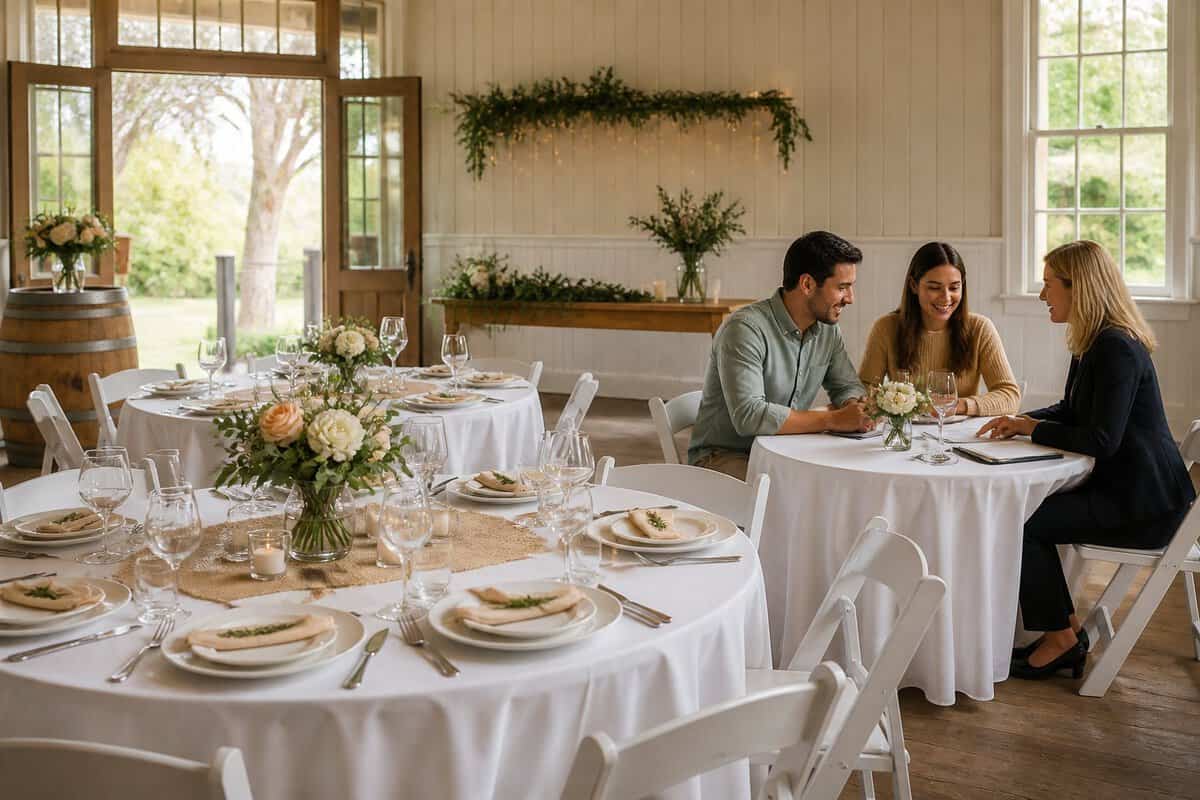
A venue that charges more upfront can still fit your budget if it includes catering, furniture, staff, and coordination. A low hire fee can require many outside rentals. Compare the full event cost before choosing.
Minimum Spend, Per-Person Pricing, and Hire Fees Explained
A minimum spend per event requires you to spend a set amount on food, drinks, or venue services. It may work well for a larger guest list, while a small wedding could leave you paying for unused capacity.
Per-person pricing covers each guest’s meal and sometimes drinks, service, linens, and basic furniture. Multiply the rate by your confirmed guest count, then add taxes, gratuities, and extras.
A hire fee pays for access to the space for a set period. Confirm the arrival time, event end time, cleanup window, rehearsal access, and overtime rate. Ask whether the ceremony and reception require separate bookings.
What Tagvenue Data Indicates About Typical Costs
Tagvenue listings show that Victoria venues span several pricing models, including hourly hire, day rental, minimum spend, and per-person packages. That range makes direct comparison important because two venues with similar photos may price the event in completely different ways.
Use listing prices as a screening tool, then request a current quote from the venue. Confirm the currency, date, guest count, catering requirements, taxes, and included equipment before adding any figure to your wedding budget.
How Catering, Floral Arrangements, and Bridal Suites Affect the Total
Catering often becomes the largest venue-related expense. Plated meals, staffed buffets, late-night food, bar packages, dietary choices, and cake cutting all affect the bill.
Floral arrangements cost less when the venue already has gardens, attractive architecture, or useful ceremony features. Ask whether you can bring your own florist and whether candles, hanging décor, or installations need approval.
Bridal suites add comfort and preparation space, though they can carry a separate fee or require a premium package. Check whether the room is included for the full booking period, shared with another event, or available only as an upgrade.
Which Venue Types Offer the Best Value?
Restaurants, community spaces, parks, hotels, farms, and wineries offer strong value when their format matches your guest count and service needs.
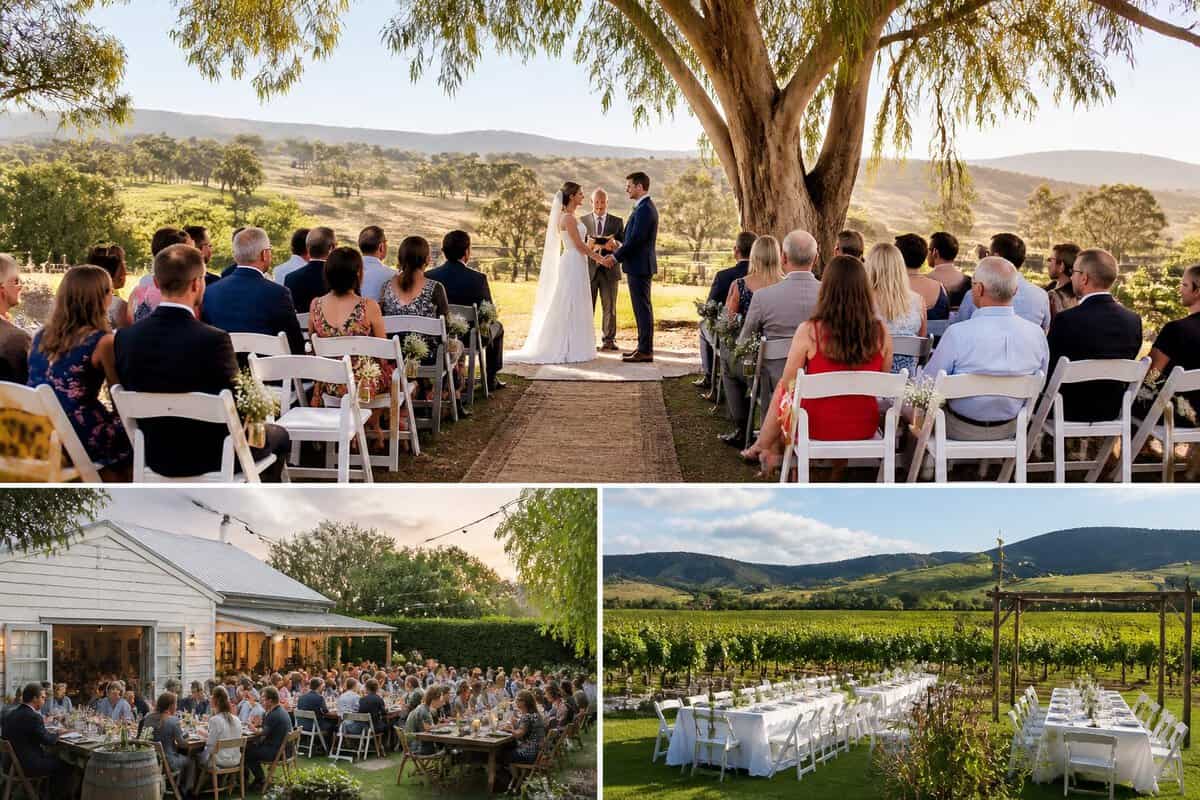
Choose a venue that reduces extra rentals and travel. A beautiful low-cost space can become expensive when it needs every table, chair, restroom, lighting fixture, and catering item brought in separately.
Restaurants for Intimate Receptions
Restaurants suit smaller weddings because the kitchen, staff, tables, chairs, and service systems are already in place. Private dining rooms can create a polished setting with less décor and planning work.
Ask about set menus, beverage minimums, private-room fees, cake policies, music limits, and exclusive use. A restaurant with a fixed package makes costs easier to estimate, while a custom menu gives you more control over the total.
Hotels With Bundled Services and Accommodation
Hotels can combine ceremony space, reception rooms, catering, guest rooms, parking, and bridal suites. A bundled wedding package reduces the number of separate vendors you need to coordinate.
Compare the package’s food and beverage minimum, room block terms, service charges, setup access, and breakfast arrangements. A hotel works well when guests travel from outside the area and need convenient accommodation.
Halls, Parks, and Community Spaces for Flexible Celebrations
Halls and community spaces often offer lower rental rates and flexible layouts. You can bring selected wedding vendors, choose your own menu, and control the room design.
Parks provide natural scenery and outdoor ceremony space, though you need permits, weather planning, restroom access, power, waste removal, and noise approval. Ask who handles setup and cleanup before you compare the rental fee with a full-service venue.
Winery Weddings, Farm Weddings, and Rustic Wedding Settings
Winery weddings, farm weddings, and rustic wedding venues create a strong setting with built-in character. Barns, vines, fields, and country views reduce the need for large floral or décor installations.
Review the wet-weather plan, road access, lighting, parking, restroom facilities, catering rules, and seasonal limitations. Rural venues may also involve shuttle costs and longer vendor travel.
Where to Look in Victoria, Australia and Victoria, BC
The strongest value areas differ by market: Melbourne’s outer regions offer rural and garden settings, while Victoria, BC combines harbor properties with golf courses and community halls outside the center.
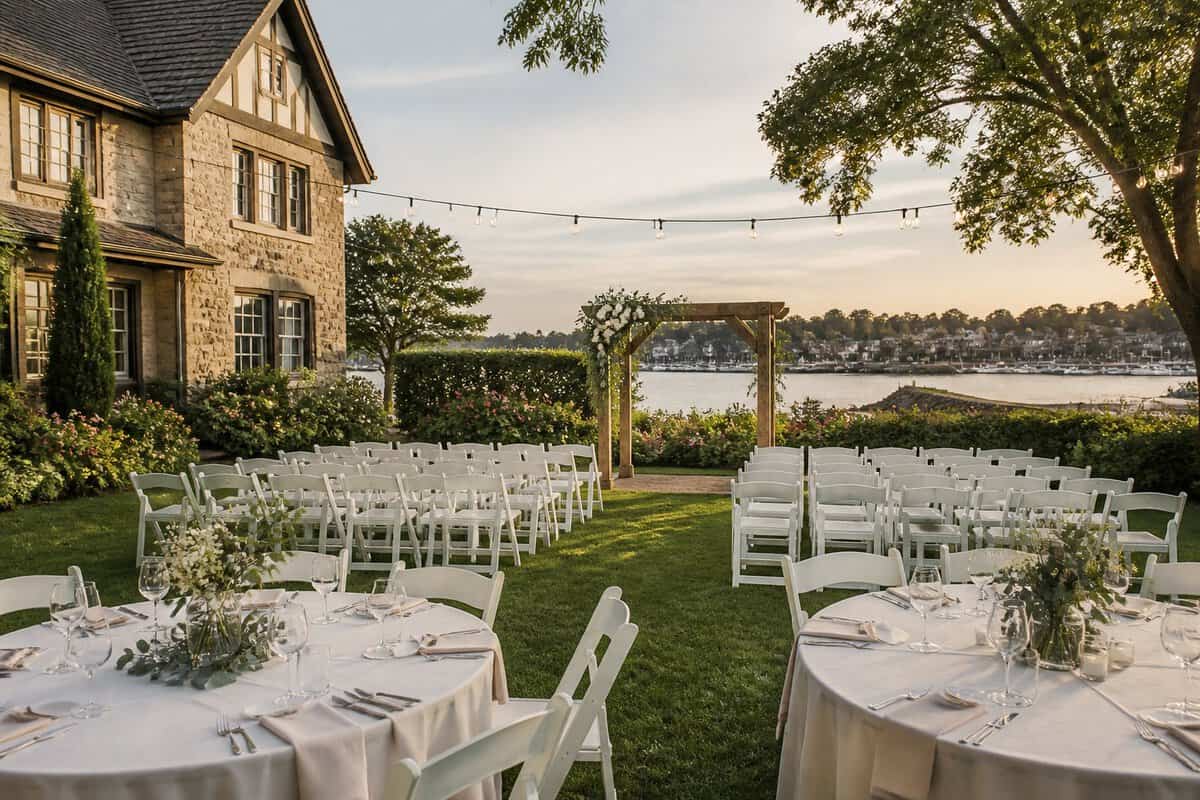
Search by neighborhood and venue type, then confirm travel time, access, and local rules. A venue farther from the city may offer more space for your money while adding transportation needs.
Melbourne, Richmond, and the Dandenong Ranges
Melbourne gives you restaurants, galleries, warehouses, gardens, and hotels across a wide price range. Richmond offers urban spaces with convenient transport and dining nearby.
The Dandenong Ranges provide gardens, forests, country estates, and smaller reception venues. Their scenery can reduce décor spending, though winding roads and guest transport deserve attention.
For Victoria, Australia, also compare wineries, farms, coastal venues, and regional event spaces. Ask whether the listed price is in Australian dollars and whether GST, catering, and staffing are included.
Inner Harbour Hotels and Heritage Spaces in Victoria, BC
Victoria, BC’s Inner Harbour provides hotels, historic buildings, restaurants, and waterfront event rooms. These spaces suit guests who want walkable accommodation and city attractions.
Heritage properties bring architectural detail that reduces the need for decoration. Ask about elevator access, music curfews, loading areas, accessibility, parking, and restrictions on candles or installations.
Downtown venues may have higher room rates, while their included furniture, staff, and guest convenience can reduce other costs.
Golf Courses and Community Halls Beyond the City Centre
Golf courses often provide attractive grounds, parking, dining service, and event staff. Community halls offer practical layouts and vendor flexibility at a lower room-hire price.
Metchosin Community Hall and similar spaces can suit relaxed celebrations with a local feel. Olympic View and other golf settings may appeal to couples who want scenic grounds and structured event service.
Check transit, taxi availability, shuttle needs, kitchen access, alcohol rules, and cleanup duties before booking a venue outside the city center.
Venue Examples Worth Comparing
Named venues help you build a comparison list, but current capacity, pricing, availability, and package rules must come directly from each property.
The examples below are most useful as starting points for venue research in Victoria, BC. Ask for a proposal based on your date, guest count, ceremony plan, and meal style.
Victoria, BC Hotels and Historic Properties
The Parkside Hotel & Spa offers a hotel setting with suites and event-planning considerations that suit couples who value on-site accommodation. Ask about reception spaces, catering, bridal suites, guest room blocks, and minimum spend requirements.
The Fairmont Empress brings a landmark downtown setting and formal event service. Its package structure, room options, food and beverage minimums, and date availability should be checked against your wedding budget.
The Union Club of British Columbia provides a historic atmosphere for couples considering an intimate or traditional celebration. Confirm guest capacity, room access, dining requirements, décor rules, and music limits.
Restaurant and Boutique-Stay Options
Pendray Inn and Tea House combines a heritage setting with boutique accommodation and dining features. Ask whether your preferred event format includes exclusive use, a private meal, ceremony access, and guest rooms.
The DoubleTree by Hilton Hotel & Suites Victoria offers hotel rooms and event services that can simplify guest logistics. Compare its wedding packages, reception capacity, catering choices, parking, and bridal suite terms with smaller properties.
Restaurants can work well for smaller weddings because food service and furniture are already part of the operating model. Request a private dining quote that lists room fees, menu prices, drinks, staffing, tax, and gratuity.
How to Verify Availability, Capacity, and Package Inclusions
Contact each venue with the same details:
- Preferred date and backup date
- Ceremony, cocktail hour, and reception needs
- Guest count and seating style
- Meal and bar preferences
- Desired end time
- Photography, music, and décor plans
- Guest room requirements
Ask the venue to confirm the maximum seated capacity, wet-weather plan, vendor rules, cancellation terms, deposit schedule, and overtime charges in writing. Visit the space at the same time of day as your planned event when possible.
How to Reduce Costs Without Sacrificing the Experience
You can lower venue costs by changing the date, reducing event hours, selecting one location, and comparing vendor rules before signing.
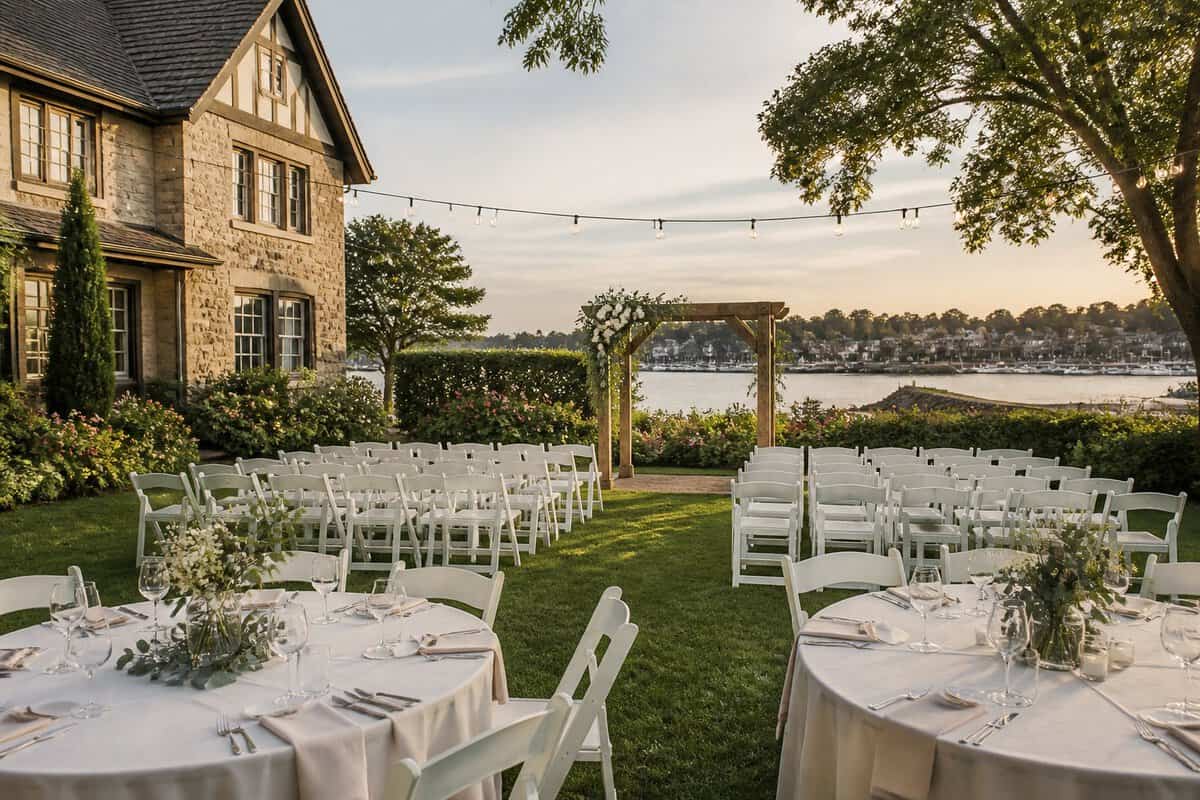
A thoughtful budget protects the details guests notice most, such as comfortable seating, good food, clear sound, smooth timing, and a setting that feels personal.
Choose Off-Peak Dates, Daytime Events, or Shorter Receptions
Friday, Sunday, winter, and shoulder-season dates often open more affordable options. Ask venues for their lower-rate periods and compare them with peak Saturday pricing.
A brunch, lunch, or afternoon reception can reduce food and bar costs. Shorter booking periods also lower staffing and overtime charges, provided your schedule allows enough time for setup, photos, dining, and cleanup.
Use One Space for the Ceremony and Reception
One venue eliminates guest travel between locations and reduces duplicate setup, furniture, staff, and décor needs. Ask whether the room can be reset during cocktails or whether a separate ceremony area is available.
Choose a space with a strong natural backdrop, useful lighting, and enough room for dining and dancing. A venue with built-in character limits the amount you need to spend on floral arrangements.
Compare Preferred Vendors With Outside-Vendor Flexibility
Preferred vendors can simplify wedding planning and may offer package rates. Outside vendors give you more choice and may lower costs for catering, rentals, music, or floral arrangements.
Ask whether outside vendors pay a fee, carry insurance, use approved kitchens, or follow specific arrival and cleanup rules. Compare the full quote, including delivery and staffing, before choosing the lower headline price.
Questions to Ask Before You Sign the Contract
Use these questions to identify costs that may not appear in the first proposal:
- What is the full minimum spend per event?
- Which taxes, service charges, gratuities, and security fees apply?
- What tables, chairs, linens, lighting, and sound equipment are included?
- Can you bring your own caterer, alcohol, florist, or DJ?
- What are the setup, cleanup, access, and overtime charges?
- What happens if your guest count changes?
- What deposit, cancellation, postponement, and refund terms apply?
- Is event insurance required?
- What is the wet-weather plan for an outdoor ceremony?
- Who handles vendor coordination on the wedding day?
Keep every answer with the contract and compare final totals across venues before you pay a deposit.