
Exclusive Use Wedding Venues: What to Know Before Booking
Exclusive use wedding venues reserve an agreed part of a property for your wedding party, giving you more privacy, control, and time to enjoy the setting. The strongest options combine private event spaces with clear access rules, attentive staff, and enough room for your guests to relax together.
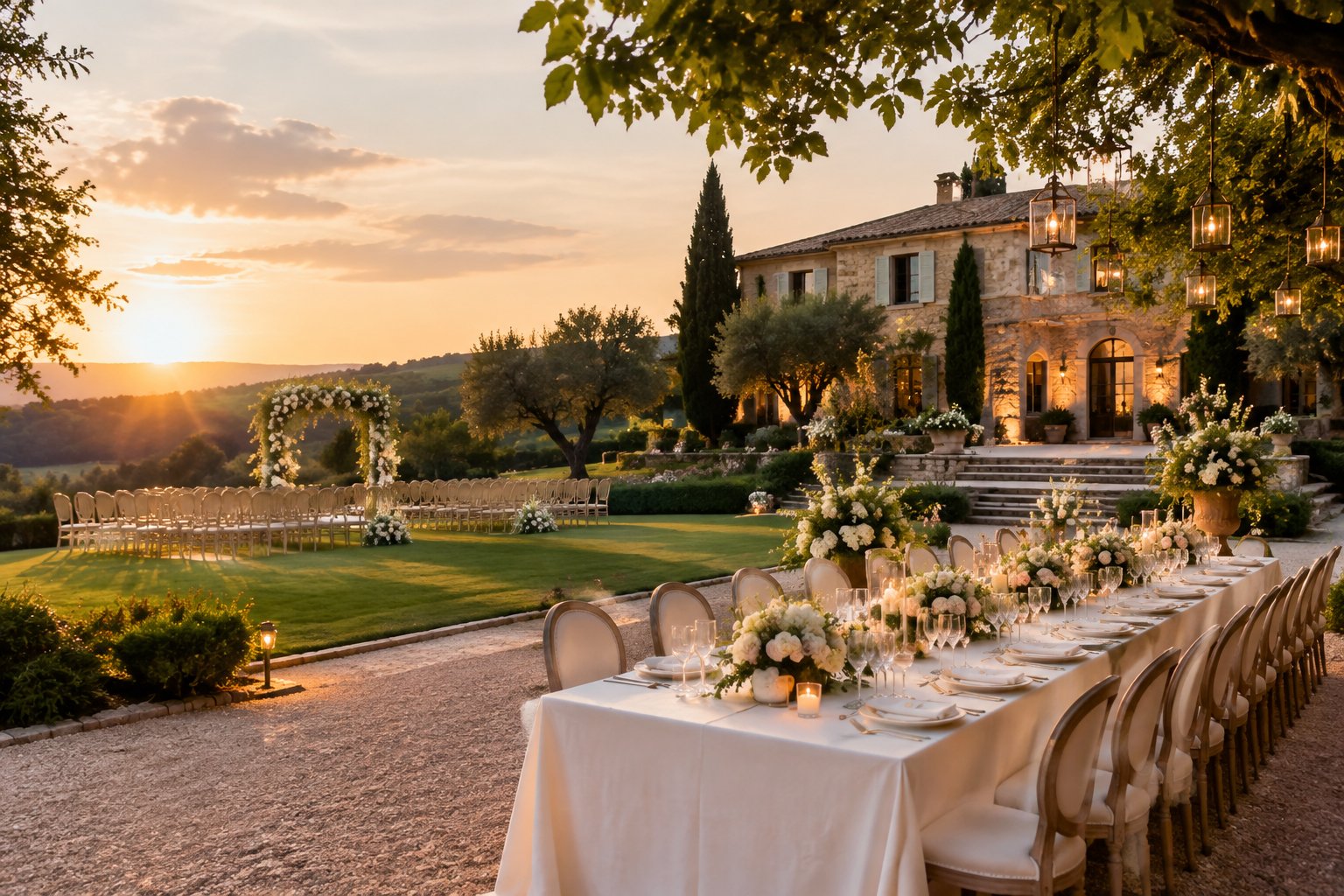
Before you book, confirm what “exclusive use” covers. Some venues provide the whole property for a wedding weekend, while others reserve only the ceremony and reception areas or host one wedding per day while other guests use shared facilities. If privacy, flexible timing, and an immersive guest experience are priorities, compare the written package details with your plans. Start by exploring wedding venue ideas and arranging viewings at properties that fit your guest list.
What Does Exclusive Use Actually Include?
Exclusive use includes the private spaces, access hours, staffing, and services written into your contract, so you should never rely on the phrase alone. Your agreement should identify the rooms and grounds reserved for your party, the time your access begins and ends, and whether other guests or events will be on-site.
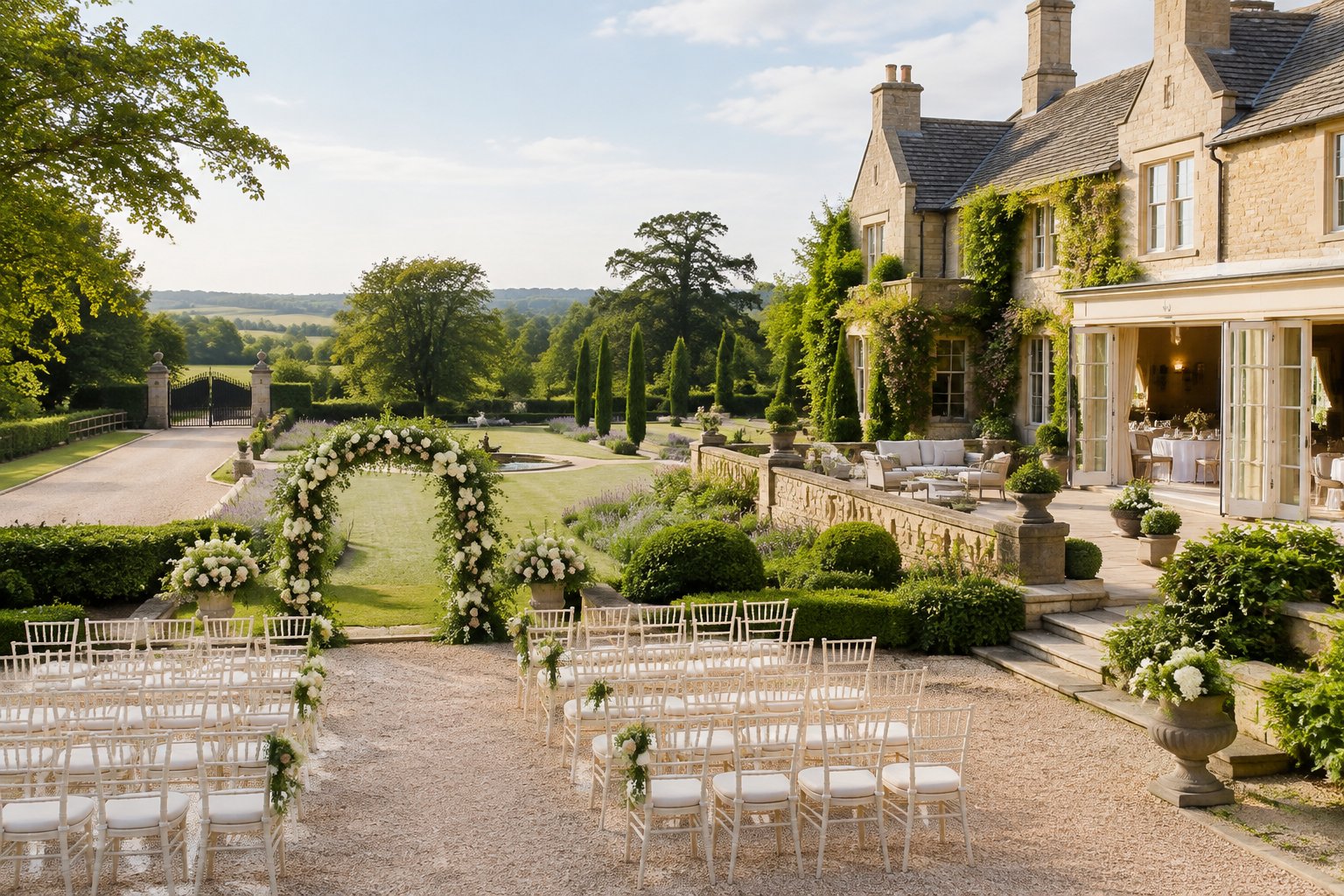
A venue may offer complete privacy across private grounds, or it may reserve a private terrace, firepit area, dining room, and selected guest rooms. Ask for a simple map or written schedule if the property has several buildings or public spaces.
Whole-Property Access vs. One-Wedding-a-Day Policies
Whole-property access gives your wedding party use of the agreed rooms, outdoor areas, and accommodation during a set period. This arrangement feels closest to a private house party because guest movement stays within your group.
A one-wedding-a-day policy means the venue will not host another wedding that day. It does not always mean the entire property is private. Hotel guests might still use the lobby, restaurant, spa, pool, or other shared areas. Ask whether the policy covers corporate events, private dinners, public visitors, and arrivals for the next booking.
Privacy, Staffing, and Vendor Freedom
Confirm whether complete privacy applies to every area your guests will use. Ask about photography locations, guest parking, breakfast service, outdoor lounges, and paths between buildings.
Staffing also shapes the experience. Identify your wedding coordinator, service manager, catering team, and overnight contact. Ask how many team members will be assigned to your event and who handles timeline changes.
Vendor freedom varies widely. A full-service exclusive use venue may provide catering, rentals, and décor through its own team. A dry-hire exclusive use venue may let you select vendors while placing rules on insurance, setup, cleanup, power, and delivery times.
Questions to Confirm in the Venue Contract
Get clear written answers to these points:
-
Which rooms, gardens, terraces, bars, and grounds are private?
-
What time does access begin, and when must the property be cleared?
-
Can suppliers arrive the day before?
-
Are guest bedrooms included, reserved, or priced separately?
-
Will other guests, visitors, or events be on the property?
-
Who manages the wedding on the day?
-
What music, décor, candle, fireworks, or firepit rules apply?
-
What happens if rain changes the ceremony or photography plan?
-
Is breakfast or a next-day gathering included?
-
What fees apply to overtime, cleanup, staffing, and damage?
Why Choose a Full Venue Takeover?
A full venue takeover gives you and your guests a private setting where the wedding timeline, shared spaces, and daily atmosphere center on your celebration. It suits couples who want a wedding weekend, a house party feel, or the relaxed character of a private estate.
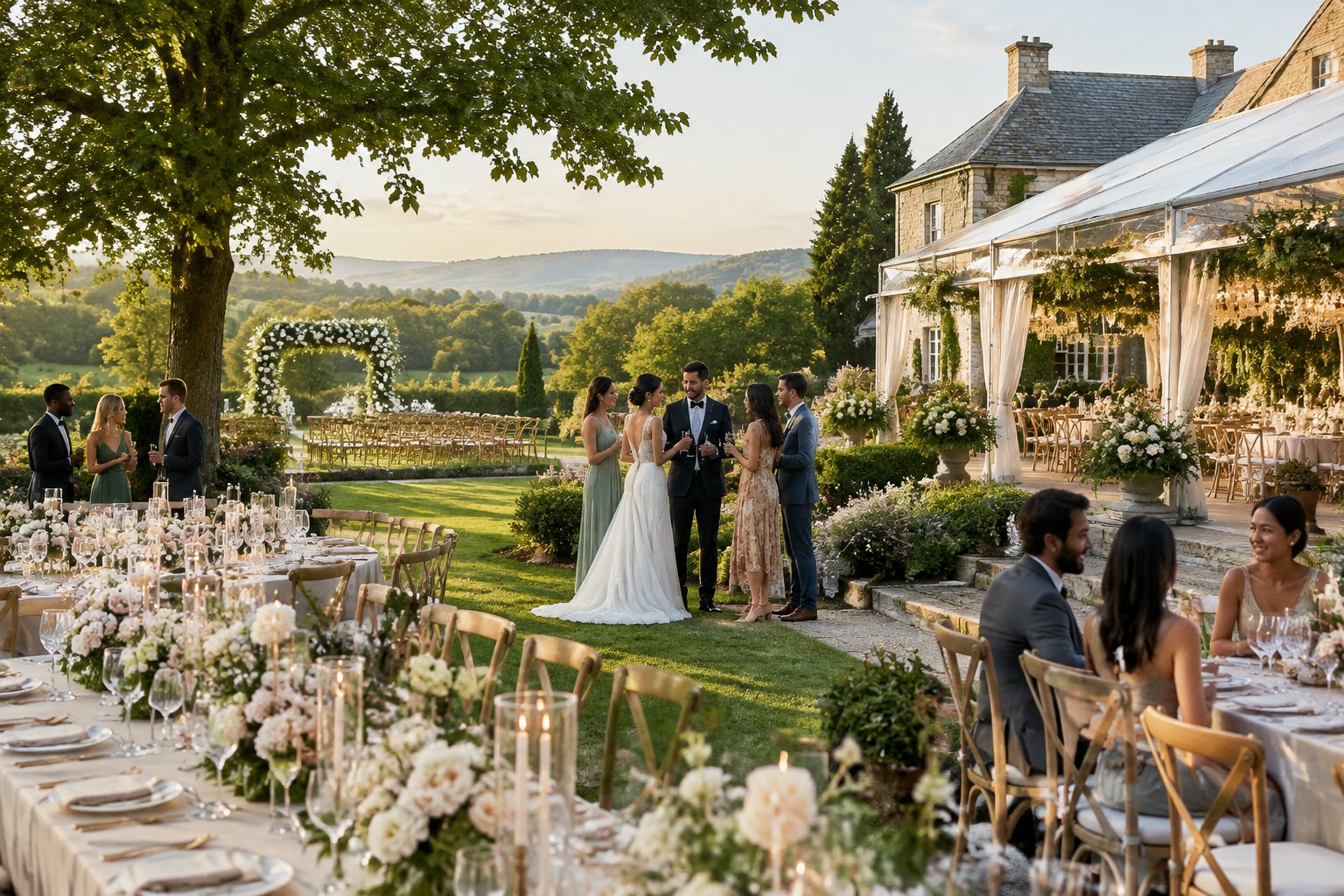
The added cost pays for access to more of the property and a larger service commitment. Compare the takeover price with nearby accommodation, guest transportation, extra meals, and the coordination required when your group is spread across several locations.
A More Relaxed, Personal Guest Experience
Your guests can move between their rooms, the ceremony space, dining areas, and outdoor spots within one private setting. They spend more time together and do not need to navigate public hotel areas during the celebration.
A private estate also gives your group room to create informal moments. Guests might gather around a firepit after dinner, enjoy coffee on a terrace, or continue conversations in a lounge without leaving the property. Clear quiet-hour and safety rules still apply, especially for outdoor areas.
Greater Control Over the Wedding Timeline
Exclusive use creates space for a timeline that fits your ceremony, meal, speeches, and entertainment. You can build in longer guest transitions, adjust the drinks reception, or move portraits when the light is best.
Flexibility does not remove the need for a schedule. Ask when vendors may load in, when music must end, how long cleanup takes, and whether staff charges begin after the contracted hours. Put every agreed timing in writing.
Turning a Single Day Into a Wedding Weekend
A takeover works well when your celebration includes a welcome dinner, rehearsal gathering, wedding day, and farewell breakfast. On-site rooms reduce travel between events and help guests stay connected throughout the visit.
Check the minimum stay, room count, cancellation terms, and meal requirements before inviting guests to commit. If the property cannot house everyone, plan nearby lodging and transportation early. A luxury wedding venue with partial accommodation can still work when the guest movement plan is clear.
Which Type of Setting Fits Your Celebration?
The best setting matches your guest experience, travel plans, weather needs, and preferred wedding style. A historic estate creates a formal backdrop, a city property simplifies access, and a villa or coastal site supports a destination-focused celebration.
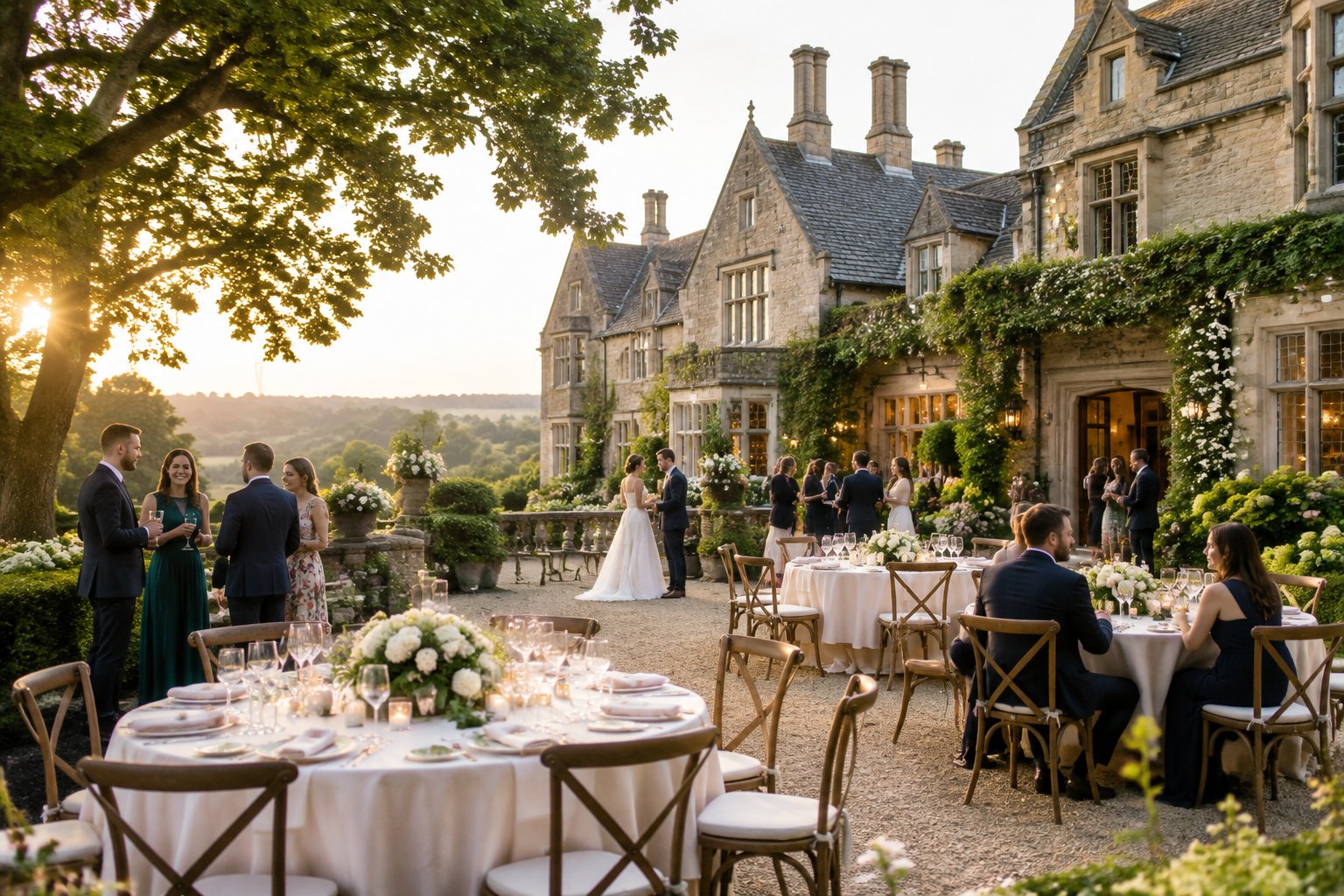
Use venue names as inspiration, then check the details behind the style. Logie Country House suggests a country-house atmosphere, One Devonshire Gardens points to a boutique urban setting, and Murrieta Mediterranean Villa evokes a warm destination feel. The property’s capacity, access terms, and service model determine whether it fits your plans.
Country Houses, Manors, and Historic Estates
Country houses, manors, and historic estates suit celebrations that need formal rooms, lawns, guest accommodation, or a house-party atmosphere. Their private gardens can support ceremonies, portraits, cocktails, and quiet guest spaces.
Ask about protected buildings, candle policies, furniture restrictions, accessibility, and sound limits. Historic properties can have uneven paths, narrow stairs, or room layouts that affect vendors and older guests. Request a rain plan that keeps the ceremony and reception connected.
City Townhouses and Boutique Hotels
City townhouses and boutique hotels place guests near airports, transit, restaurants, and cultural attractions. They work well when your guest list includes travelers who want easy access and a compact celebration.
Review the full property layout carefully. Your party might have private use of event rooms while other hotel guests share the lobby, elevators, breakfast area, or courtyard. Ask about street noise, loading access, parking, and the latest permitted music time.
Villas, Olive Groves, and Destination Properties
Villas, olive groves, and destination properties create a slower setting for multi-day events. Their outdoor spaces suit welcome meals, relaxed ceremonies, and long dinners built around local cuisine.
Confirm what the rental includes before comparing prices. Ask about beds, linens, kitchen access, local staffing, transportation, power, internet, and weather cover. Destination venues also require a plan for guests arriving at different times and for suppliers traveling from outside the area.
Coastal Escapes and Beach Celebrations
A beach wedding offers natural scenery and a casual guest experience, with ceremonies near the water and receptions under a covered terrace or tent. Coastal conditions require careful planning for wind, tides, sand, heat, and sudden rain.
Confirm whether the beach is private, permitted for ceremonies, or open to the public. Check accessibility for guests, restroom access, power for entertainment, and a protected indoor backup. Sea views are valuable, yet your contract should specify the usable event area and weather response.
What Do Wedding Packages and Costs Cover?
Wedding packages cover different combinations of venue access, food, drinks, staffing, rentals, accommodation, and planning, so compare each line item before judging the price. An exclusive use fee may cover the property and service team while charging separately for rooms, catering upgrades, taxes, gratuities, or additional event days.
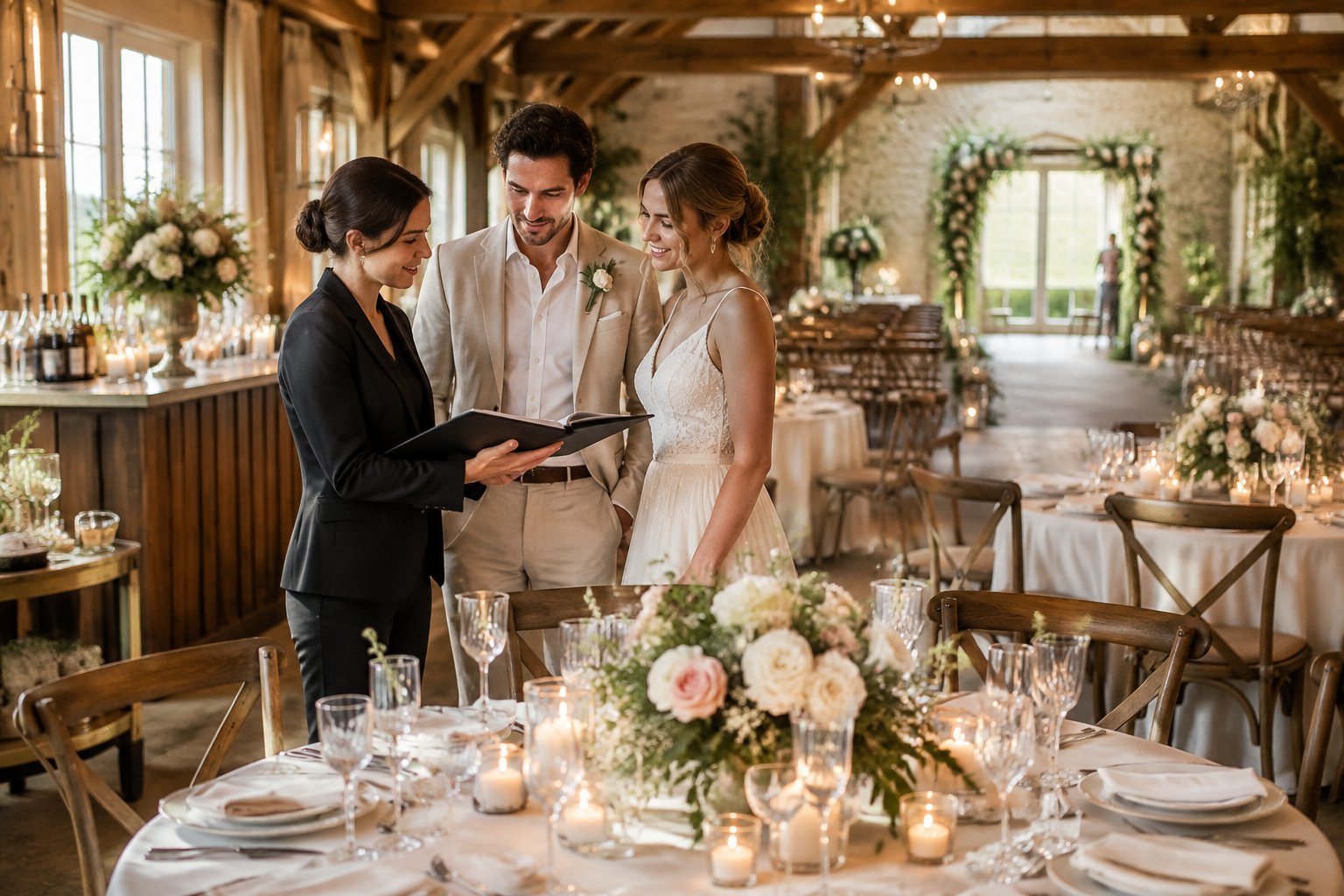
Create a side-by-side budget that includes the full stay and wedding weekend. Reviewing all-inclusive venues for weddings can help you see which services you want bundled and which details you prefer to arrange yourself.
Venue Hire, Accommodation, and Minimum-Stay Requirements
Venue hire may cover a ceremony area, reception room, outdoor spaces, tables, chairs, basic furniture, and a defined access window. Setup and cleanup hours deserve the same attention as the event itself.
Accommodation can be included in the takeover fee, held for your guests, or billed per room. Ask how many rooms are available, whether couples must fill a minimum number, and whether the venue requires one or more nights. Confirm check-in times, breakfast, accessibility, taxes, and cancellation rules.
All-Inclusive Packages vs. Bespoke Planning
All-inclusive wedding packages place several services under one agreement. They may include catering, bar service, linens, rentals, staffing, coordination, and a set décor plan. This approach reduces the number of contracts you manage and makes the initial budget easier to organize.
Bespoke planning gives you more control over menus, décor, entertainment, and suppliers. It also adds decisions and coordination work. Ask whether outside vendors are permitted, whether the venue charges corkage or supplier fees, and which package items are fixed or customizable.
Food, Drinks, and the Wedding Breakfast
The wedding breakfast is the main reception meal, whether you serve a plated dinner, family-style meal, buffet, or local cuisine. Ask for sample menus, tasting fees, children’s meals, vegetarian choices, allergy procedures, and late-night food.
Clarify what the bar package includes. Check the service period, house brands, premium upgrades, toast drinks, nonalcoholic choices, and corkage. Ask how staffing, rentals, cake cutting, service charges, gratuities, sales tax, and overtime appear on the final invoice.
How to Plan and Book With Confidence
You can book with confidence when the venue fits your guest count, room needs, legal requirements, timeline, budget, and weather plan in writing. Treat every viewing as a practical test of guest movement and service details, not only as a search for attractive rooms.
Use a written wedding planning guide to track questions, quotes, deadlines, and contract changes. Keep the venue’s answers with your budget and guest list so you can compare properties on the same terms.
Match Capacity and Overnight Rooms to Your Guest List
Start with your confirmed and likely guest numbers, then separate daytime guests from overnight guests. Check seated meal capacity, ceremony capacity, dance-floor space, accessible rooms, staff rooms, and parking.
Walk the route between bedrooms, ceremony areas, dining rooms, restrooms, and outdoor spaces. Measure whether the flow works for guests using mobility aids, children, or high heels. Ask where overflow guests will stay and how transportation will operate after the reception.
Check Curfews, Licences, and Weather Backups
Ask which licenses cover ceremonies, alcohol, amplified music, outdoor events, and fireworks. Requirements vary by location, so confirm responsibilities with the venue and local officials.
Review the rain plan during your viewing. Identify the exact backup room, its seated capacity, power access, heating or cooling, décor changes, and changeover time. Check wind plans for tents, beach ceremonies, candles, and outdoor furniture.
Build a Realistic Planning Timeline
Begin with your date, guest estimate, budget, and venue shortlist. After selecting a property, secure the contract and payment schedule, then confirm vendors, accommodation, menu choices, décor, ceremony details, and guest transportation.
Set deadlines for guest responses, meal selections, room assignments, final headcount, seating plans, and final payment. Ask the venue when it needs each item. Leave room for supplier deliveries, setup, rehearsal, portraits, and cleanup.
Use a Viewing Checklist Before You Commit
Bring a checklist and record details while you tour:
-
Exclusive-use areas and access times
-
Guest capacity and overnight rooms
-
Ceremony and reception backup spaces
-
Restrooms, parking, and accessibility
-
Music, curfew, candle, and firepit rules
-
Catering, bar, cake, and vendor policies
-
Setup, cleanup, storage, and delivery access
-
Coordinator coverage and emergency contact
-
Taxes, service charges, deposits, and cancellation terms
-
Nearby lodging and transportation options
Request a sample contract, current package, floor plan, and full fee schedule before paying a deposit. Compare those documents with the promises made during your viewing, then ask for any missing agreement to be added in writing.