
All-Inclusive Venues for Weddings: What to Know
All-inclusive venues for weddings bring the ceremony, reception, food, and key services into one coordinated package. You get fewer vendors to manage, a clearer planning process, and a team that already knows the space.
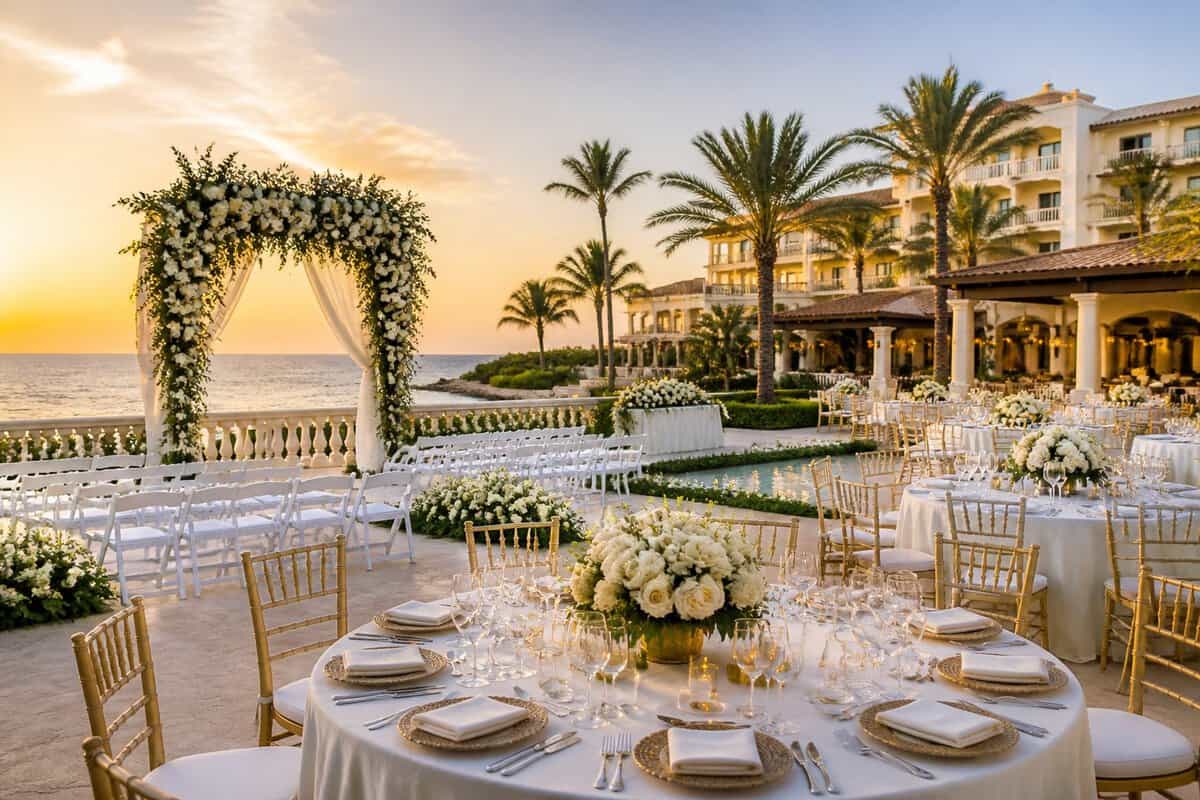
The best package gives you a clear total price while matching your guest count, style, and priorities. Package names vary widely, so read every inclusion, fee, and restriction before you sign.
You can use this format at a local hotel, restaurant, banquet hall, ballroom, or resort. If you want help comparing venues and costs, explore these all-inclusive wedding venues pros and cons before scheduling tours.
What Is Included in an All-Inclusive Wedding Package?
An all-inclusive wedding package usually combines the venue, ceremony and reception spaces, catering, rentals, and event coordination into one agreement. The exact wedding packages differ, so request a detailed list of services and guest limits.
Core Services Most Packages Cover
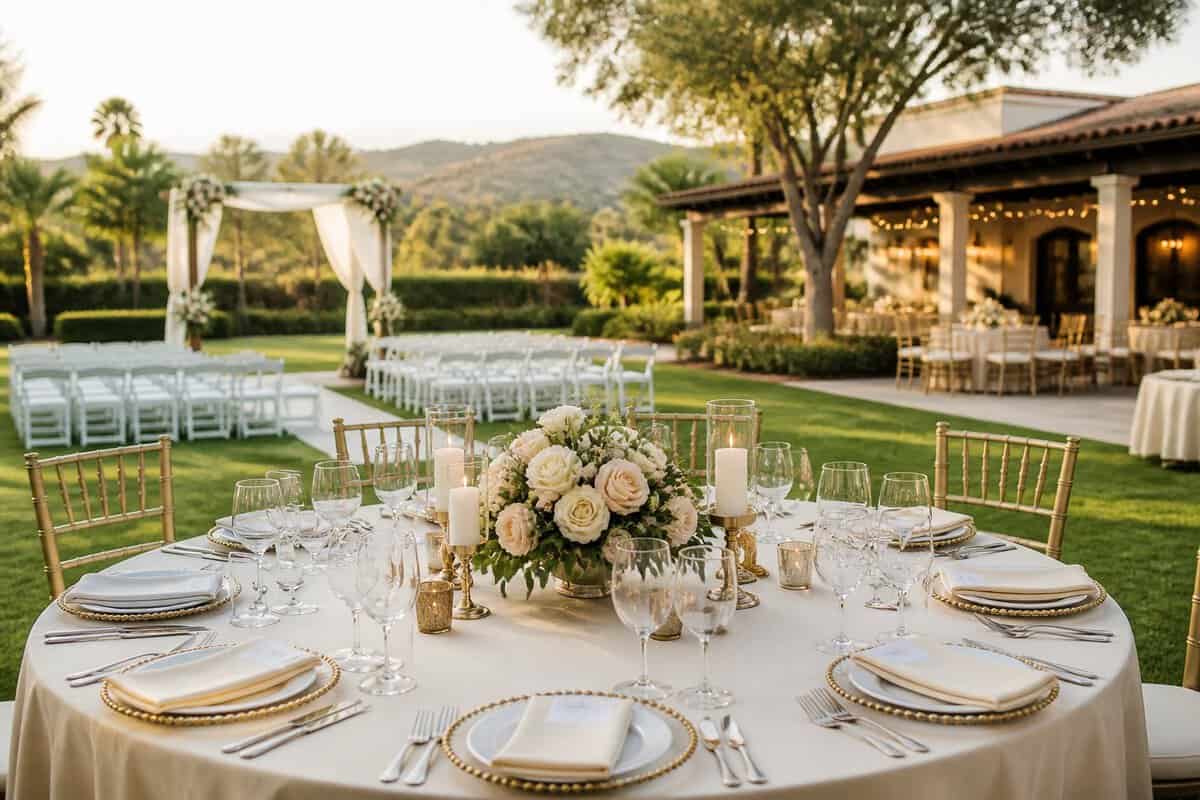
Most packages include the event space, tables, chairs, linens, dinnerware, glassware, and basic setup. Catering often includes a wedding menu, a cocktail hour, dinner service, and nonalcoholic beverages.
An open bar might include house beer, wine, and spirits for a set number of hours. Ask whether the package includes bartenders, mixers, champagne for the toast, and soft drinks.
Other common inclusions are:
- Wedding cake or a dessert station
- Basic floral arrangements
- Ceremony seating and an altar or arch
- Sound equipment
- An on-site coordinator
- Cleanup after the reception
- Limited entertainment, such as a DJ
Some venues include fireworks or a sparkler exit as part of a premium tier. Photography, videography, transportation, and guest accommodations receive separate treatment at many properties. For a broader checklist, review what most wedding packages include.
Common Add-Ons and Upgrades
Popular upgrades include premium liquor, custom cocktails, plated menu changes, late-night snacks, upgraded linens, specialty lighting, and larger floral installations. You might also add a live band, extended reception hours, enhanced entertainment, fireworks, or a multi-tier wedding cake.
Photography and videography frequently cost extra. Some resorts charge an outside-vendor fee if you bring your own professionals. Extra guests, private dining rooms, rehearsal events, and day-of transportation can also raise the price.
Ask for each upgrade in writing, including its unit price and any service charge.
What “All-Inclusive” May Not Include
The package name does not guarantee that every wedding expense is covered. Common exclusions include:
- Marriage license and legal ceremony fees
- Wedding attire and alterations
- Invitations and stationery
- Photography and videography
- Hair and makeup
- Décor beyond the listed items
- Guest travel and hotel rooms
- Gratuities, taxes, and service charges
- Insurance and vendor meals
A complimentary resort package might require a room block or a minimum number of nights. A local venue might include catering but charge separately for the ceremony space. Confirm who pays for each item before comparing prices.
How Much Do All-Inclusive Weddings Cost?
All-inclusive weddings range from modest local celebrations to luxury events priced at tens of thousands of dollars. Your total depends on guest count, location, menu, bar service, package level, season, and included rentals.
Understanding Per-Person Pricing vs. Flat Fees
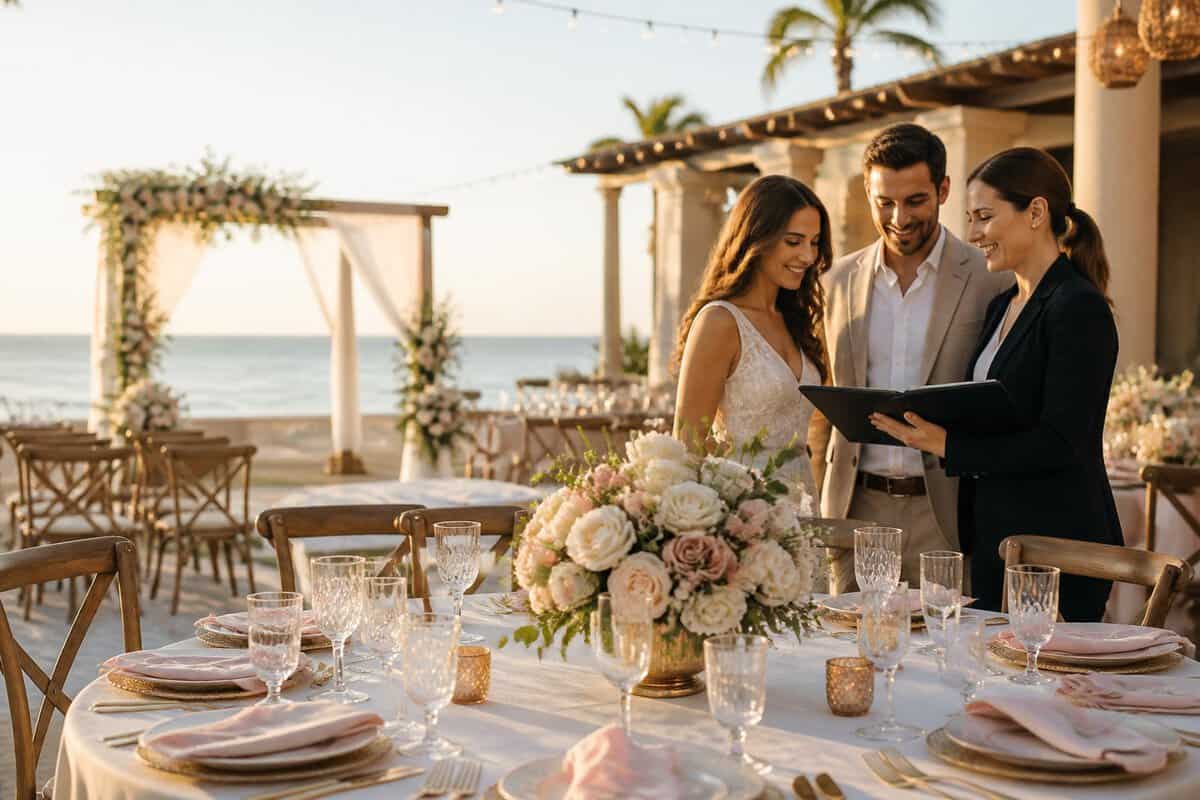
Per-person pricing covers costs that grow with attendance, such as food, beverages, cake, dinnerware, and chair rental. A package priced at $150 per guest costs $15,000 for 100 guests before taxes and fees.
Flat fees cover a fixed service or space. Venue rental costs, ceremony setup, coordination, and some entertainment may stay the same within a stated guest range.
Ask whether the quoted amount includes a minimum spend. A banquet hall might require 100 meals even when you invite 80 guests. A resort might offer a wedding package at no charge after you reserve a certain number of room nights.
How Venue Rental Costs, Taxes, and Service Fees Affect the Total
Start with the base package, then add venue rental costs, staffing, rentals, taxes, service charges, gratuities, and required insurance. Service charges often apply to food, drinks, and labor separately.
Banquet halls and ballrooms might list room rental as a standalone fee. Hotels sometimes waive or reduce that fee when you meet a food-and-beverage minimum. Resorts can separate the wedding package from guest room rates, so include both costs when you calculate the event experience.
Request a sample final invoice. It should show:
- Package price
- Guest count and minimums
- Rental and staffing fees
- Tax rate
- Service charge
- Gratuity policy
- Payment schedule
- Cancellation terms
For personal budgeting help, compare your estimate with guidance on how much you should spend on your wedding.
How Guest Count Changes the Budget
Guest count affects both direct and indirect costs. Each additional person can add dinner, drinks, cake, seating, favors, and transportation. A larger wedding group might also require a bigger ballroom, more staff, and extra restroom or parking arrangements.
Small guest lists benefit from packages with low minimums. Larger groups can gain value from volume discounts, room-block benefits, or private-use options. Run the quote at three attendance levels before booking, such as 50, 100, and 150 guests. Include children, vendors, and unexpected guests in the venue’s count rules.
Choosing the Right Setting for Your Celebration
The right setting should support your guest count, event style, travel needs, and desired schedule. A city venue keeps travel simple, while a resort creates a longer stay with dining and activities built into the experience.
Hotels, Restaurants, and Banquet Halls
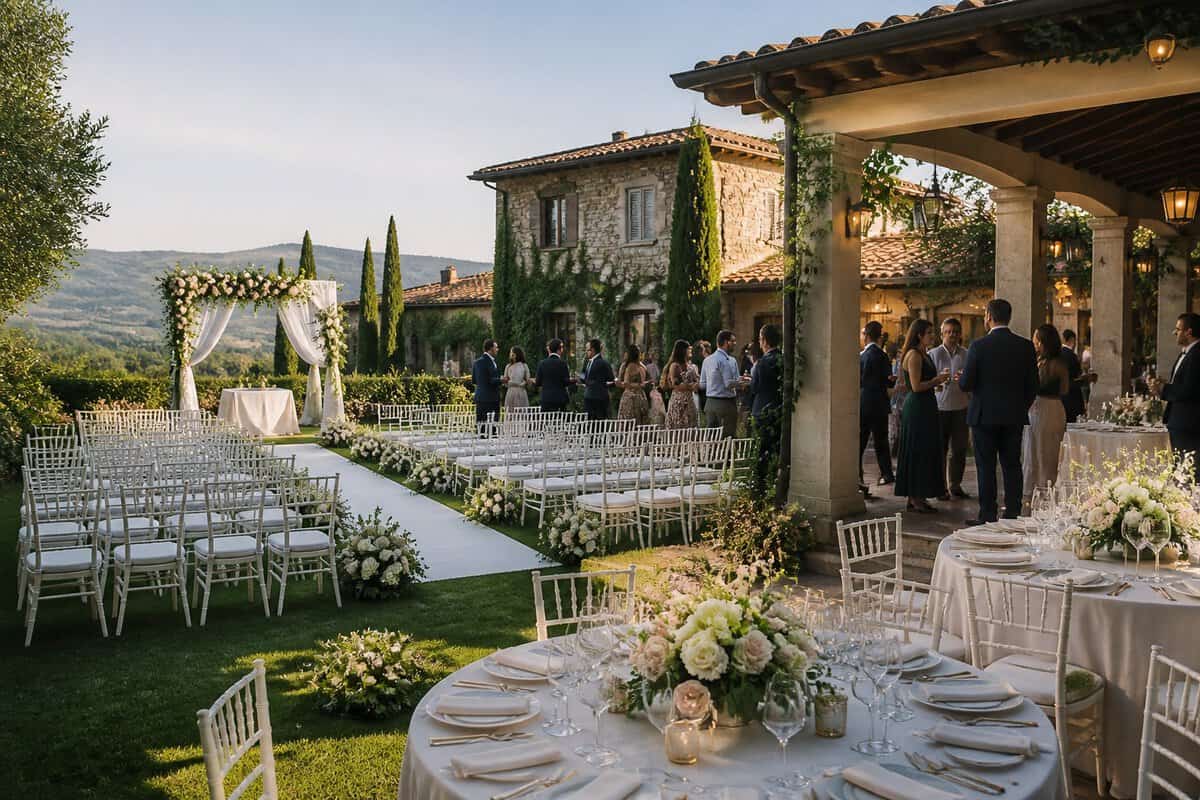
Hotels work well when you want guest rooms, meeting spaces, catering, and a wedding planner in one location. Ask about room-block rates, parking, checkout times, noise limits, and other events scheduled for your date.
Restaurants offer strong dining programs and a built-in kitchen. They suit intimate celebrations and couples who place the wedding menu at the center of the day. Confirm the private-room layout, bar rules, music limits, and options for ceremony and reception flow.
Banquet halls and ballrooms provide flexible floor plans for larger wedding groups. They often include tables, chairs, linens, and staff, while décor, entertainment, and floral arrangements receive separate quotes. Visit during an event to assess sound, lighting, restrooms, and guest movement.
Resorts and Beachfront Properties
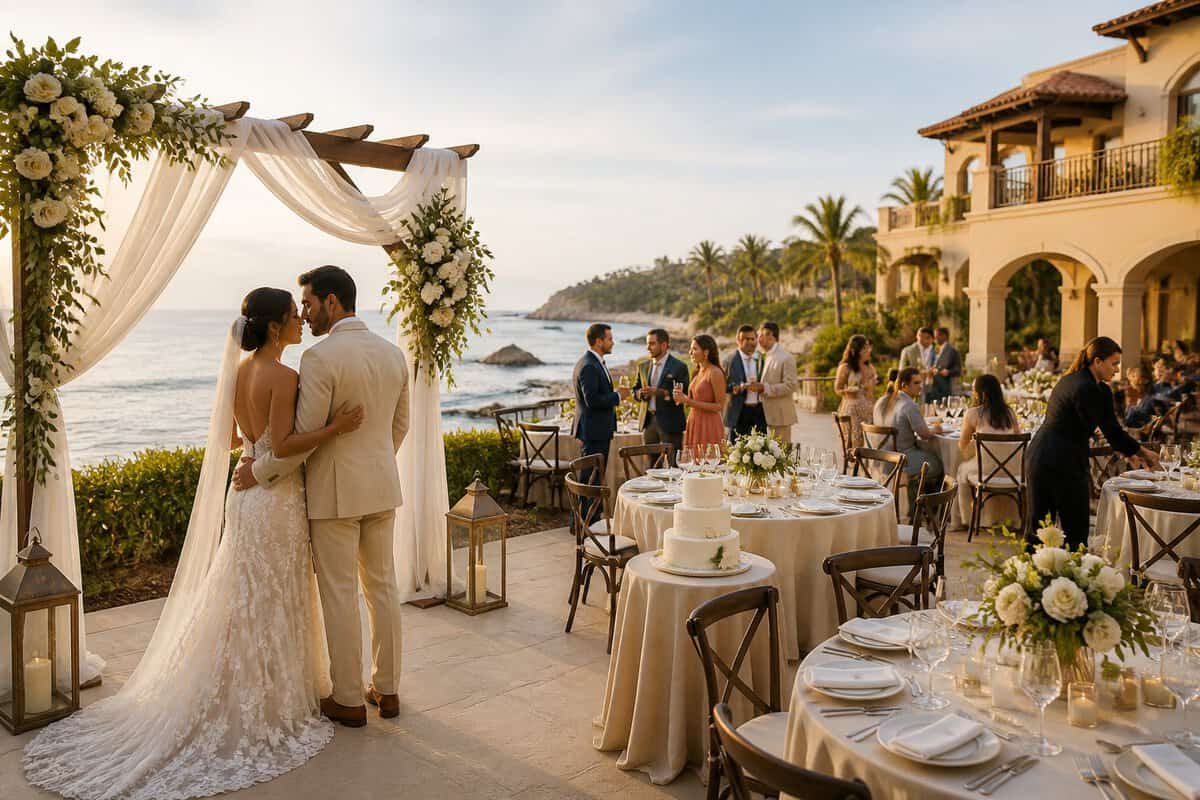
Resorts combine lodging, dining, activities, ceremony space, and reception services. A beachfront property gives you a scenic ceremony location, while an indoor ballroom or covered terrace provides a backup for rain, wind, or strong sun.
Ask about privacy, public beach access, photography rules, transportation across the property, and wedding-day noise. Confirm whether the open bar applies to the entire reception or only selected beverages.
Planning a Full Wedding Weekend
A full wedding weekend might include a welcome dinner, rehearsal event, ceremony, reception, brunch, and farewell gathering. Choose a property with enough dining spaces, guest rooms, parking, and staff for each event.
Create one schedule that includes guest arrival, check-in, transportation, quiet hours, and free time. A wedding weekend feels easier when guests receive a clear itinerary, dress guidance, weather notes, and contact information for the planning team.
Local Full-Service Venues vs. Destination Resorts
A nearby full-service venue offers easier access and familiar logistics, while an all-inclusive destination wedding bundles the celebration with a resort stay and guest activities. Compare travel costs, guest comfort, legal rules, and control over vendors before choosing.
When a Nearby Venue Makes More Sense
A local venue suits you when most guests live nearby, older relatives need easy travel, or you want frequent in-person planning visits. You can inspect the space several times and use local vendors for photography, flowers, music, transportation, and décor.
Local venues also make it easier to host a larger guest list. Guests can attend without booking flights or taking several days off work. Compare the full local bill with travel costs your guests would face at a destination.
Use a destination option only when the location and shared experience fit your guest list. The difference between a destination wedding and a local wedding can help you weigh those planning and travel factors.
What Destination Wedding Resorts Bundle
All-inclusive resorts commonly bundle ceremony setup, a reception location, catering, selected beverages, basic floral arrangements, a wedding cake, and an on-site coordinator. Some packages include a sound system, cocktail hour, room amenities, or a private dinner.
The resort stay remains a separate cost for many destination wedding packages. Guests pay for rooms, meals, drinks, and resort activities through their stay rate, while the couple pays the wedding package fee and upgrades.
Read the room-block rules carefully. A complimentary package might require a minimum number of room nights, a set number of guests, or a specific booking deadline. Legal ceremonies can require extra documents, translations, blood tests, or local fees.
Popular Caribbean and Mexico Destinations
Cancun and Costa Mujeres offer large resorts, airport access, beaches, and many destination wedding resorts. Punta Cana attracts couples who want broad resort choices and outdoor ceremony settings. Montego Bay provides beachfront properties and established wedding departments in Jamaica.
Compare flight routes, transfer times, weather patterns, hurricane policies, passport rules, and resort size. Ask whether the property hosts several weddings on the same day and whether your reception area remains private.
For more location ideas, browse these best wedding locations and compare them with your guests’ travel needs.
How to Compare Packages Before You Book
Compare packages line by line, then calculate the final price with taxes, fees, upgrades, and guest travel. A lower starting price can change quickly when you add the wedding menu, open bar, floral arrangements, entertainment, and extra hours.
Reviewing Food, Bar, and Reception Details
Ask for the complete wedding menu, including appetizers, entrée choices, vegetarian meals, children’s meals, dessert, cake servings, and late-night food. Confirm tasting dates, portion sizes, dietary accommodations, and whether chef fees apply to custom requests.
For the open bar, check the brands, service hours, signature drinks, mixers, wine list, champagne, and nonalcoholic beverages. Ask whether bartenders, glassware, ice, and setup are included.
Review the ceremony and reception layout together. Confirm the table count, dinnerware, linens, lighting, sound system, dance floor, cleanup, and rain plan. A package with attractive décor might still lack the floral arrangements, lounge furniture, or lighting you want.
Understanding the Wedding Planner’s Role
An on-site wedding planner manages venue details, schedules, setup, and preferred vendors. Ask when planning support begins, how often you can communicate, and who leads the event on the wedding day.
A venue coordinator focuses on the property. An independent wedding planner can represent your interests across design, guest logistics, contracts, and outside vendors. Clarify the planner’s authority, response time, staffing coverage, and emergency plan.
You can use this checklist for what should be included in a wedding planner when comparing service levels.
Questions to Ask About Flexibility and Restrictions
Ask these questions before paying a deposit:
- Can you customize the wedding menu?
- Can you bring outside vendors?
- Is there an outside-vendor fee?
- Can you extend the open bar or reception?
- Which beverages are included?
- Can you change floral arrangements?
- Is the wedding cake included for every guest?
- What happens during severe weather?
- Are ceremony and reception spaces private?
- What are the payment, cancellation, and rescheduling terms?
Request answers by email and attach the final package to your contract.
Making the Guest Experience Feel Seamless
A smooth guest experience comes from clear travel information, comfortable accommodations, thoughtful activities, and reliable plans for weather and access. Your guests should know what to expect before they arrive.
Accommodations and Group Travel Considerations
For wedding groups, compare room types, rates, deposits, booking deadlines, transportation, parking, and accessibility. Hotels and resorts might offer a room block, but ask how many rooms you must fill and who pays for unused rooms.
Send guests information about airport transfers, check-in, dress codes, local currency, passports, insurance, and emergency contacts. Keep wedding events close to guest rooms when possible, especially for older guests, children, and anyone with mobility needs.
A shared booking page or travel coordinator can reduce repeated questions. Give guests a payment timeline that separates room costs from wedding-related expenses.
Activities and Entertainment Beyond the Reception
Resorts provide activities such as pools, beach time, fitness classes, excursions, and group dining. Local venues can support welcome parties, city tours, winery visits, museum outings, or casual brunches.
Keep optional activities optional. Guests appreciate free time, clear prices, and advance notice about walking distance, physical demands, weather, and transportation.
Schedule entertainment that fits your group, such as live music at a welcome event or a quiet breakfast after the reception. Destination weddings work best when the itinerary leaves room for personal time.
Weather Plans and Accessibility Details
Ask where guests will go if rain, wind, heat, or storms affect an outdoor ceremony. Confirm the backup space, changeover time, covered walkways, cooling or heating, lighting, and communication plan.
Inspect ramps, elevators, restrooms, pathways, seating, parking, and shuttle access. Tell the venue about mobility, hearing, vision, food allergy, and nursing needs before the event.
Put weather and accessibility details in the guest itinerary. Confirm the final plan with the venue and wedding planner during the week of the celebration.