
What is the Difference Between a Destination Wedding and a Local Wedding? Exploring Your Big Day Options
When planning your special day, understanding the difference between a destination wedding and a local wedding can help you make the best choice for you. A destination wedding typically takes place in an exciting location away from home, while a local wedding is held in your hometown or nearby.
This key difference affects everything from your wedding ceremony venue to the logistics of inviting guests and managing travel costs.
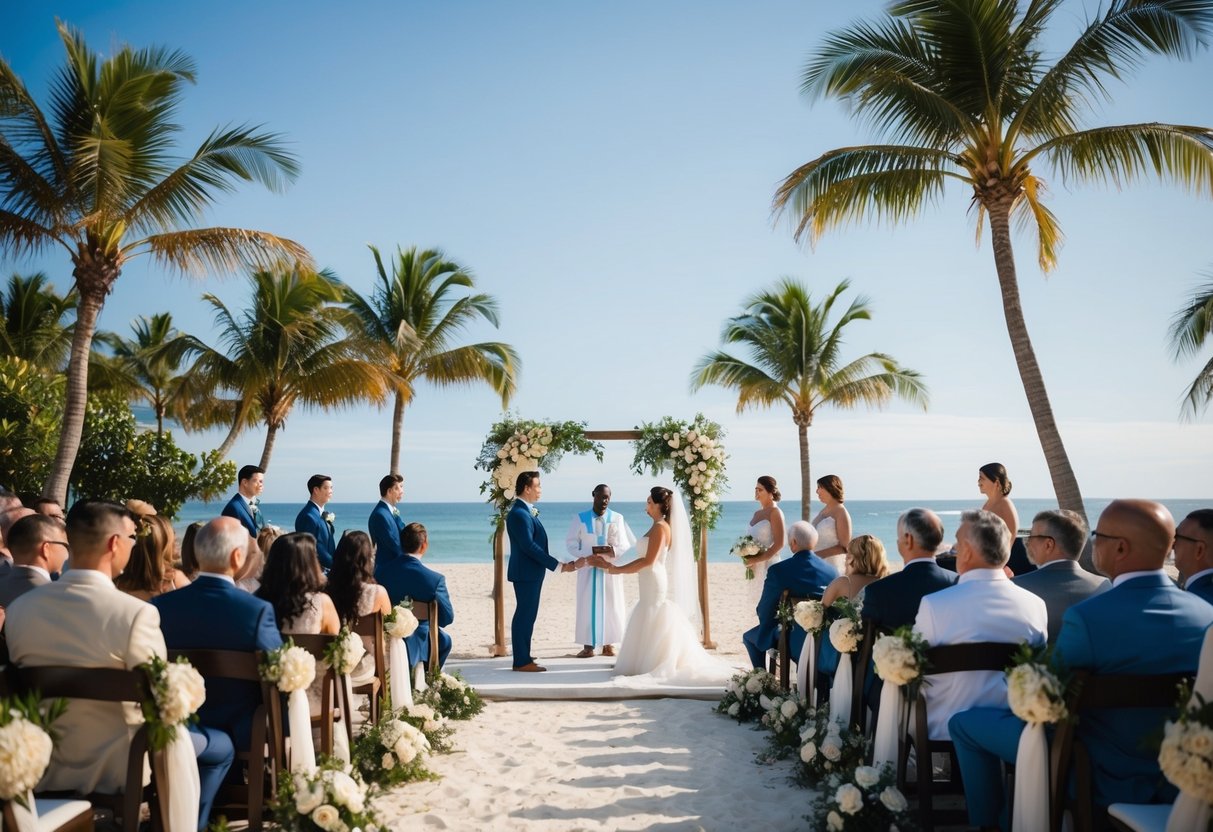
A destination wedding often combines your celebration with a mini-vacation for you and your guests. You might choose a beautiful beach resort or a charming mountain lodge to say your vows. In contrast, a local wedding can be more straightforward and familiar, allowing you to work closely with local vendors and venues.
Each option has its own advantages and challenges, so it’s essential to consider what matters most to you and your loved ones.
As you navigate the decision-making process, think about your budget and the time available for planning. A local wedding usually requires less travel planning, but a destination wedding could result in a memorable adventure for you and your guests.
Whichever route you choose, your wedding should reflect your style and vision.
Understanding Destination and Local Weddings
When planning your wedding, it’s important to know the distinctions between destination and local weddings. Each type has unique features that can influence your choices about venues, guest lists, and overall experiences.
Defining a Destination Wedding
A destination wedding takes place away from your hometown, often in a tourist location. Think about stunning backdrops like beaches or mountains that create a beautiful setting for your vows. Typically, these weddings involve travel expenses for you and your guests.
Many couples choose all-inclusive wedding packages, which simplify planning and often cover the venue, catering, and accommodations.
The guest list is usually more limited, encouraging a more intimate atmosphere. It’s a chance to celebrate with your closest friends and family while enjoying a mini-vacation together.
You can expect to work with local vendors who know the area and can help bring your vision to life.
Characteristics of a Local Wedding
Local weddings occur in your hometown or nearby locations where you feel comfortable. You are likely to have multiple venue options at hand, including local parks, churches, or banquet halls.
Since you know the area, it’s easier to manage logistics, making it less stressful when coordinating with local vendors.
The guest list can be much larger, allowing for more friends, family, and loved ones to join in your celebration. Typically, this leads to a traditional wedding atmosphere, complete with set customs like formal attire and classic ceremonies.
Local weddings often reflect your personal style and community, making it a unique and memorable experience tailored to you.
Planning and Coordination
Planning a wedding involves several important aspects, especially when comparing destination weddings and local weddings. Each option brings its own challenges and benefits in terms of organization and budgeting.
The Role of a Wedding Planner
A wedding planner can be a huge help for both types of weddings. If you choose a destination wedding, a planner who specializes in that location is important. They know the area, local vendors, and can recommend the best wedding packages.
For a local wedding, a planner can help you coordinate all the details, ensuring everything runs smoothly. They can assist with budget considerations, helping you find ways to save while still creating a beautiful experience.
Whether local or distant, a good planner can manage your timeline and handle unexpected issues, leaving you free to enjoy your special day.
Logistical Considerations
Logistics can be more complicated with a destination wedding. You’ll need to think about travel costs and arrange accommodations for your guests. This can include blocks of rooms at hotels or other lodging options nearby.
Planning a local wedding is generally easier regarding logistics. You already know the area, and coordinating with local vendors and venues can be more straightforward.
Be sure to consider your wedding date carefully, as local events can affect availability. Having a clear plan for guest transportation is important for ensuring everyone arrives when needed.
Budgeting and Costs
When planning your wedding, understanding the financial aspects is crucial. The costs can vary significantly between destination and local weddings. Knowing how to budget effectively can save you money and stress.
Cost Comparison
Destination weddings often have unique costs. A common advantage is the option for an all-inclusive resort. This can streamline expenses by bundling accommodations, dining, and wedding services together.
On average, a destination wedding can cost around $41,000. In contrast, local weddings might average $35,000.
Costs for local venues can add up when considering decorations, catering, and rentals.
Accommodation expenses for destination weddings usually fall on guests. However, this can be a burden and needs careful consideration in your budget. A smaller guest list for a destination wedding may also help manage overall costs.
Managing Wedding Budget
Managing your wedding budget effectively is key to avoiding surprises. Start by creating a detailed budget list. Include items like venue options, food, decorations, and transportation.
Each expense can quickly add up. Make sure to factor in additional costs such as travel, tips, and taxes.
Also, consider prioritizing your spending. Decide on what aspects of your wedding are most important to you, whether it’s the dress, the food, or the venue.
This way, you can allocate funds where they matter most.
Keeping track of every expense and adjusting as needed will help you stay within your wedding budget.
Legal and Formal Considerations
When planning a wedding, understanding the legal and formal requirements is crucial. This section covers the necessary marriage license requirements and how cultural traditions might impact your wedding choice.
Marriage License Requirements
Obtaining a marriage license can vary greatly between destination and local weddings.
For a local wedding, you typically need to apply at your county clerk’s office with valid identification, and the process is often straightforward.
In contrast, a destination wedding can involve complex legal requirements. Different countries and states have unique laws.
For example, you might need specific documents, such as birth certificates or proof of residency.
Some destinations also require waiting periods before the wedding can occur or may need a local officiant.
Make sure to thoroughly research the requirements of your chosen location to avoid any surprises.
Cultural and Traditional Impacts
Cultural practices can play a big role in your wedding choice. Many destinations have unique wedding traditions that add charm to your big day.
If you’re considering an elopement or an intimate beach wedding, local customs can deeply influence your ceremony.
For instance, certain regions may require blessings or rituals that are rooted in their culture. By understanding these traditions, you can create a more meaningful experience for yourselves and your guests.
A destination wedding can also serve as a romantic getaway. It’s a chance to explore new cultures while celebrating your love. Embrace the local customs to make your day even more special!