
Cost of Designer Wedding Photography: What You’ll Pay
The cost of designer wedding photography is commonly $5,000 to $15,000 or more in the United States, with many experienced professionals charging about $3,000 to $8,000 for full wedding-day coverage. Your final quote reflects the photographer’s creative style, experience, availability, coverage plan, editing work, albums, travel, and level of service.

A designer wedding photographer gives you more than a set number of images. You receive a planned visual story, a consistent artistic look, professional preparation, reliable equipment, careful editing, and guidance that helps you feel at ease throughout the day.
Premium services also give you more choices for albums, prints, and multi-day coverage. Before you compare prices, decide which parts of your wedding photography experience matter most.
If you want images with an editorial feel, a polished client experience, and heirloom products, request proposals from photographers whose full galleries match your vision.
What Designer Wedding Photography Typically Costs
Designer wedding photography costs about $5,000 to $15,000 or more for premium coverage in the United States, while experienced photographers in many markets charge $2,500 to $8,000. The average wedding photography cost is lower because it includes every service level, from short coverage by newer photographers to full-service luxury collections.
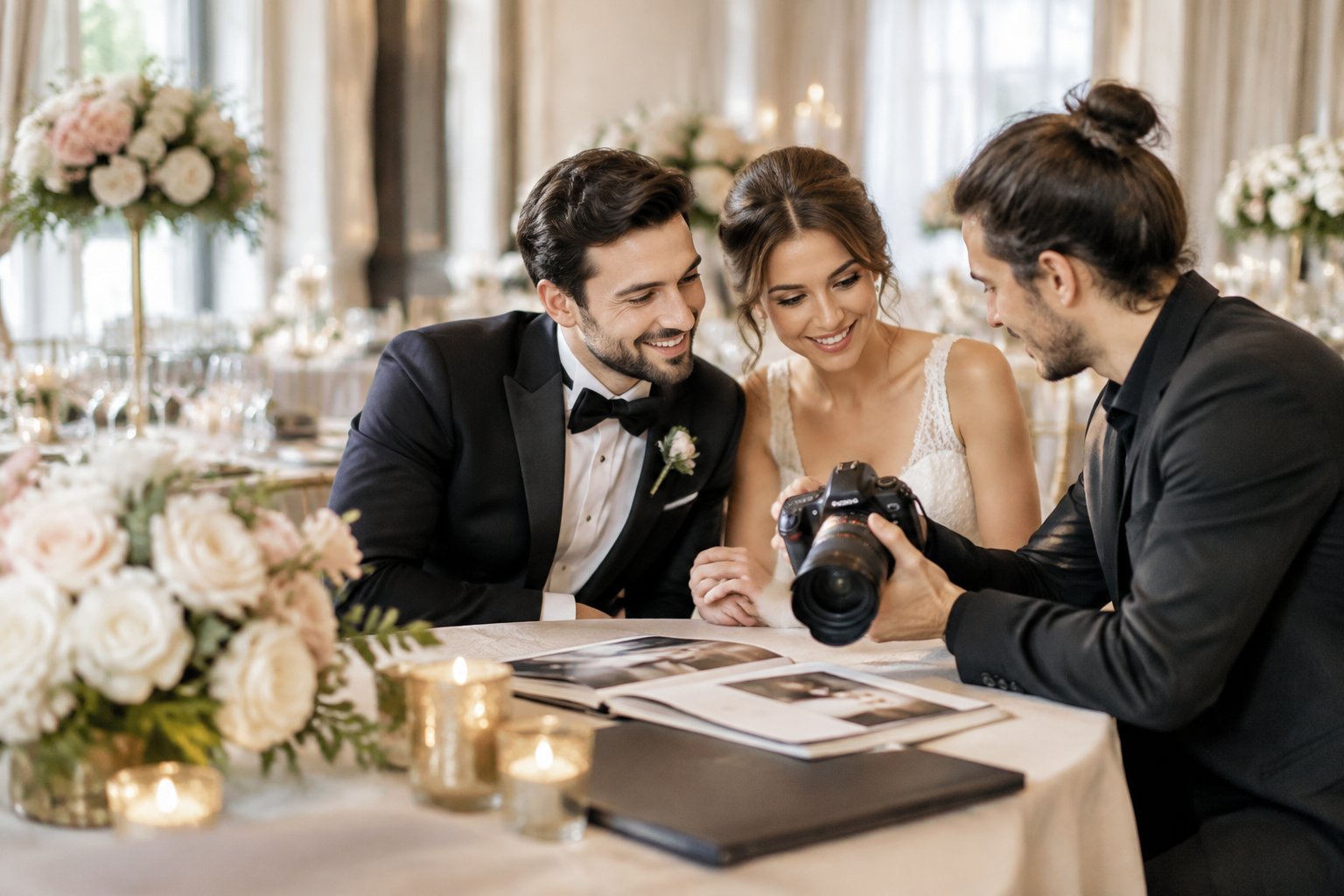
Your quote should show the hours, team members, products, editing, travel, taxes, and payment schedule. Package names such as “signature,” “luxury,” or “designer” have no fixed industry definition, so compare the written details.
2026 Price Ranges for Designer and Luxury Coverage
These ranges provide a practical starting point for 2026 planning:
- Budget coverage: $1,000 to $2,500
- Experienced professional: $2,500 to $6,000
- Premium or designer coverage: $5,000 to $15,000
- High-profile luxury coverage: $15,000 to $30,000 or more
A short ceremony package costs less than full-day coverage because it requires fewer shooting hours, less planning, and less post-production. A designer collection can include a second photographer, engagement session, custom album design, rehearsal dinner coverage, or travel support.
Hourly pricing can help you estimate a small event, though most full weddings use collections. You can compare short-event rates with this guide to how much a wedding photographer costs for an hour.
How the National Average Compares With Premium Pricing
The Knot 2025 Real Weddings Study places the national wedding photographer average near $3,000 for couples married in 2025. WeddingWire and other planning platforms show that location, package size, and photographer experience create wide price differences.
That national figure gives you a useful benchmark for standard professional coverage. It does not describe the full designer market. A luxury wedding photographer may charge more because the service includes a limited booking calendar, extensive planning, editorial production, multiple photographers, custom post-production, and physical artwork.
A quote above the national average makes sense when the photographer’s full galleries, process, contract, and deliverables support the price. A high fee alone does not establish designer quality.
How Much of the Wedding Budget Should Go to Photography
Plan to place about 10% to 15% of your wedding budget toward photography, with a higher share when photographs are among your top priorities. A $50,000 wedding budget could support a photography investment of $5,000 to $7,500 before add-ons and taxes.
Your allocation should include more than the base collection. Reserve funds for albums, extra coverage, travel, engagement sessions, rush delivery, and sales tax when those items are separate. A useful budget worksheet can help you allocate a wedding budget before you request quotes.
What Makes a Photographer a Designer-Level Investment
A designer-level investment combines a clear creative vision with reliable production, strong communication, and a polished experience from consultation through album delivery. The price reflects the photographer’s artistic judgment and the business systems that protect your wedding memories.
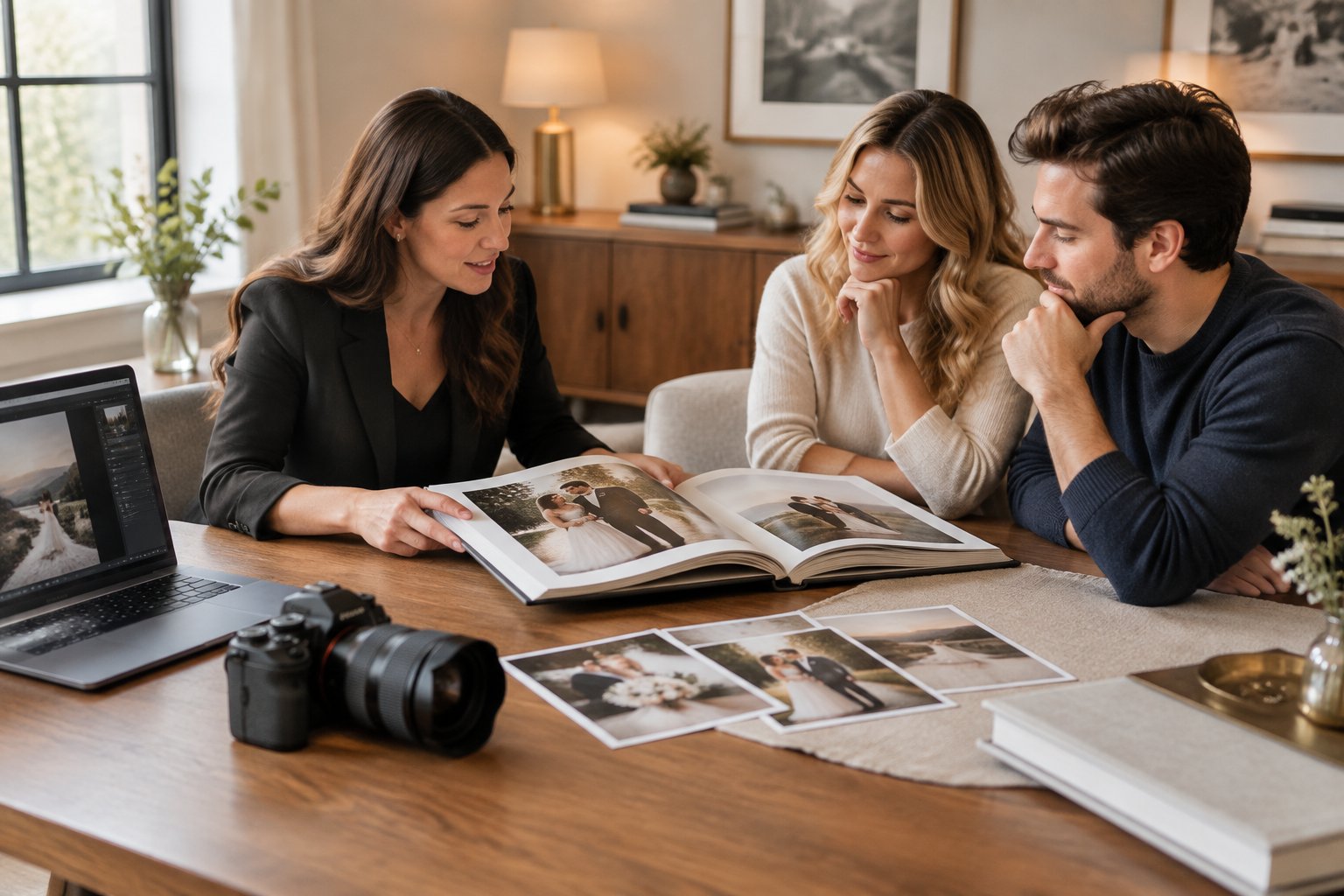
You should evaluate the work in complete galleries, not only selected images on social media. Look for consistent color, varied compositions, natural expressions, and confident images in difficult lighting.
Creative Vision, Portfolio Consistency, and Demand
A designer wedding photographer has a recognizable approach to light, composition, color, and storytelling. Their portfolio should show that approach across indoor ceremonies, outdoor portraits, dark receptions, family groups, and candid moments.
Consistency also applies to the client experience. Clear planning documents, prompt communication, timeline support, and calm direction help you enjoy the day while your photographer works with purpose.
Demand influences pricing because photographers with limited availability must choose fewer weddings each year. Published work, relationships with planners and venues, and recognition through groups such as Fearless Photographers can also strengthen market position.
Review whether those markers connect to the style and service you want.
Why Photographer Experience Level Changes the Price
A photographer’s experience level affects decision-making under pressure. An experienced professional knows how to handle changing light, tight timelines, large family groups, weather shifts, difficult venues, and emotional moments without disrupting your celebration.
You also pay for judgment before the wedding. A skilled photographer can help build a workable timeline, identify portrait locations, plan family formals, and coordinate with your planner. Those choices create more time for meaningful images and reduce rushed transitions.
Ask how many weddings the lead photographer has photographed, who will attend your wedding, and whether you will receive a gallery made by that specific person.
The Business Costs Behind Professional Reliability
Your fee supports more than the hours spent holding a camera. A professional wedding photographer pays for camera bodies, lenses, lighting, memory cards, computers, editing software, gallery hosting, backups, insurance, taxes, marketing, and administrative work.
Professional liability insurance helps protect the photographer and venue when an accident or claim occurs. Backup cameras, duplicate files, and written contracts support continuity when equipment or plans fail.
Editing can take many hours after the wedding. Culling, color correction, detailed retouching, gallery design, album preparation, and client revisions all form part of the production time included in a premium quote.
What Is Included in a Premium Photography Package?
Premium wedding photography packages usually include full-day planning, extended wedding day coverage, professionally edited digital images, online gallery delivery, and a defined process for albums or prints. Extras such as raw files, rush delivery, and rehearsal dinner coverage require careful contract review.
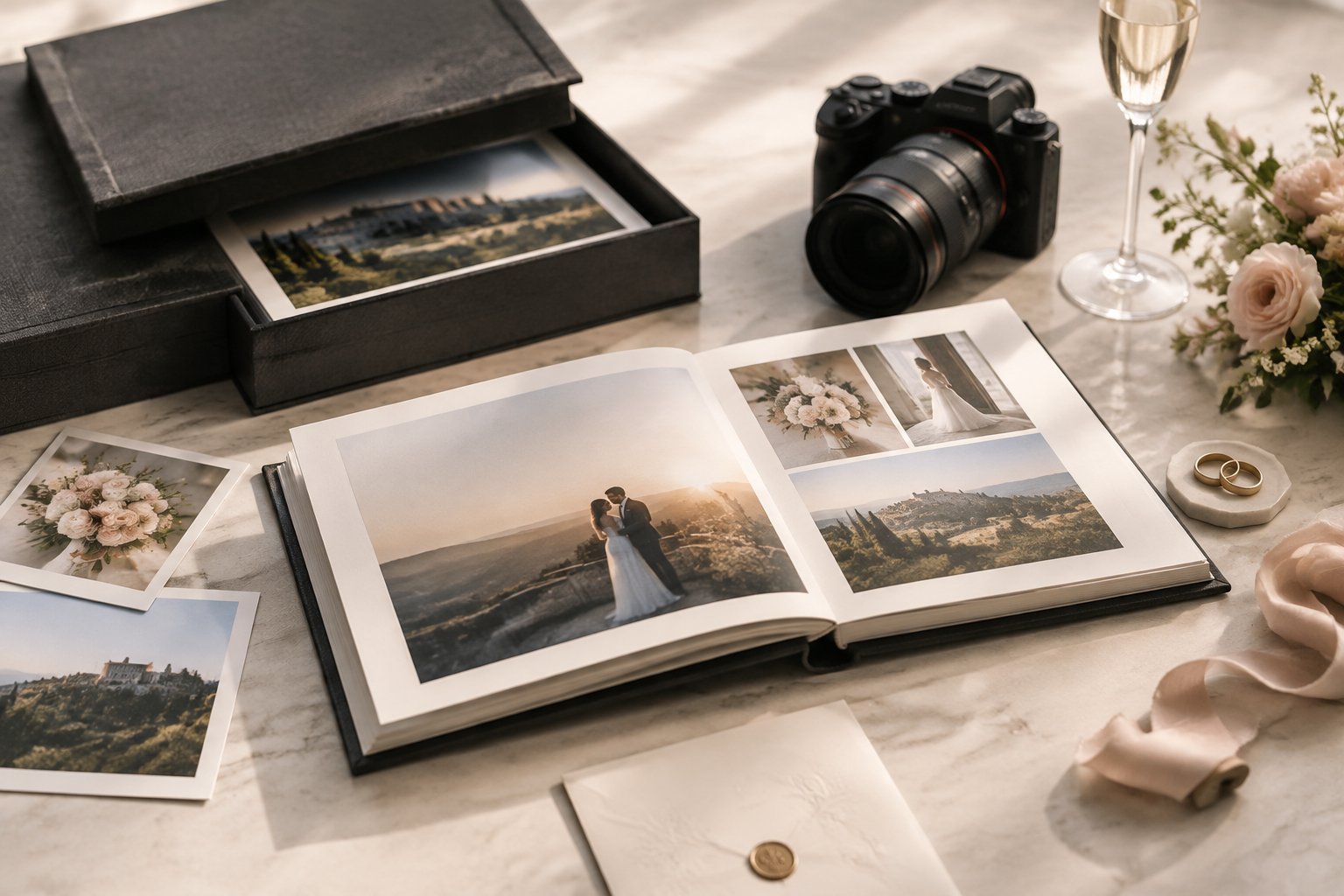
Package terms differ from studio to studio. Ask for exact hours, image rights, delivery dates, album specifications, travel fees, overtime rates, and the name of every photographer assigned to your wedding.
Wedding Day Coverage and a Second Shooter
Full-day coverage can run from preparation through the reception, speeches, dancing, or exit. Build the start and end times around the moments you want preserved, including travel between locations and time for family portraits.
A second shooter adds another trained photographer to the team. This person can document separate preparation locations, capture different ceremony angles, photograph guests during portraits, and cover the reception while the lead photographer works with you.
Ask whether the second shooter is a regular team member, an associate, or a contractor. Confirm who edits the images and whether the lead photographer reviews the final gallery.
Engagement Sessions and Rehearsal Dinner Coverage
An engagement session gives you time to learn how your photographer guides movement and expression. It also produces photographs for announcements, a wedding website, or reception displays.
Rehearsal dinner coverage adds another chapter to your story. It works well when family speeches, welcome events, cultural traditions, or destination gatherings hold special importance.
Some packages include one of these services, while others price them separately. Check the session length, location limits, edited image count, travel rules, and delivery schedule before you compare totals.
Edited Digital Images, Galleries, and Turnaround Times
A premium collection should include a curated set of edited digital images delivered through a private online gallery. Ask whether the images receive color correction only or receive additional retouching, since the terms describe different levels of work.
Image counts vary with wedding length, guest count, and shooting style. A larger number does not automatically indicate stronger coverage. Review a complete gallery to see how the photographer handles the full story.
Ask for the promised delivery window in writing. Rush delivery can shorten that period for an added fee. Confirm how long the gallery remains available and whether the studio maintains an archive after delivery.
Albums, Prints, and Heirloom Keepsakes
A wedding album turns digital photographs into a physical record you can keep in your home. Premium albums may use archival paper, thick pages, custom covers, linen, leather, or other materials selected during a design appointment.
Ask how many pages and images the base album includes, how revisions work, and what extra spreads cost. A package may list “album included” while leaving the size, cover, and page count open.
A print release gives you permission to print images for personal use. It does not always transfer copyright or allow commercial use. Raw files and raw file access are separate questions, and many photographers do not include unedited files because they represent an unfinished stage of the work.
Which Factors Raise or Lower Your Final Quote?
Your final wedding photography cost rises with longer coverage, complex logistics, additional events, extra photographers, and custom products. A shorter timeline, single venue, off-season wedding date, and local location can reduce the quote.

Give each photographer the same core details when requesting proposals: wedding date, venue, estimated guest count, event schedule, desired style, and product priorities. Comparable information produces more useful quotes.
Wedding Date, Season, and Coverage Hours
Saturday dates during spring and fall often carry higher wedding photography prices because demand is strong. Friday, Sunday, winter, and weekday dates can create more availability and different collection options.
Coverage hours affect the fee directly. Start with the first moment you want photographed and end with the last important event. Add time for venue changes, transportation, family formals, detail styling, and sunset portraits.
Overtime rates should appear in the contract. Ask when overtime begins, who approves it, and whether the rate applies to the lead photographer, second shooter, or entire team.
Location, Venue Logistics, and Travel
Travel costs reflect mileage, parking, tolls, flights, lodging, meals, permits, and time away from the studio. A nearby venue with easy access has a different production burden from a remote site with restricted parking or multiple buildings.
Venue rules also affect the work. Some locations limit flash, restrict movement during the ceremony, require insurance certificates, or set loading and setup windows. Share those rules before booking so the photographer can price and plan accurately.
Destination weddings may require coverage across several days. Ask whether travel is built into the collection or billed separately.
Guest Count, Multi-Day Events, and Styling Requirements
A large guest count increases the time needed for family photographs, guest coverage, reception details, and coordination. A second shooter helps cover simultaneous activity and gives the team more reach.
Multi-day events can include welcome parties, cultural ceremonies, rehearsal dinners, farewell brunches, or next-day portraits. Price each event by coverage hours, travel, staffing, and editing requirements.
Styling also affects production. Elaborate fashion, floral installations, stationery, tablescapes, and architectural venues may need dedicated detail time, lighting equipment, location scouting, or coordination with a planner. Tell your photographer which design elements need priority coverage.
How to Compare Proposals Before You Book
Compare proposals by matching scope, service, protections, and final products line by line. The lowest total can represent less coverage, fewer edited images, limited rights, or separate charges that appear later.
Start with the lead photographer’s portfolio and contract. Then verify the second shooter, online gallery delivery, print release, insurance, backup plans, and payment terms.
Questions to Ask About Full Galleries and Backup Plans
Request two or more complete wedding galleries from the photographer assigned to your date. Check preparation, ceremony, portraits, reception details, dancing, low light, and family photographs.
Ask these questions before signing:
- How many cameras and backup bodies will be available?
- How are memory cards copied and stored after the wedding?
- What happens if the lead photographer becomes ill?
- Who edits the gallery?
- How long are files archived?
- What happens if the venue loses power or weather changes the timeline?
- Does the photographer carry professional liability insurance?
A full gallery shows consistency across an entire wedding. Social media highlights show only a small selection.
Understanding Deposits, Overtime, Travel, and Add-Ons
Your contract should state the retainer or deposit amount, remaining payment dates, cancellation terms, postponement rules, overtime rate, travel charges, taxes, and delivery schedule.
Check whether the date becomes reserved when you sign, when the retainer clears, or at another point. Ask how a date change affects availability and payments.
Add-ons can include an engagement session, extra coverage, rehearsal dinner coverage, album upgrades, parent albums, prints, rush delivery, and additional retouching. Request a complete price list before you commit.
How to Assess Value Beyond the Package Total
Value comes from the photographer’s artistic fit, planning skill, reliability, communication, and ability to work within your venue and timeline. Compare the lead photographer’s full galleries, editing style, response time, contract clarity, and album quality.
Look at the number of hours included, then account for planning meetings, timeline work, travel, shooting, editing, gallery delivery, and album design. A photographer who offers strong guidance and a dependable process may provide better value even when the package total is higher.
Choose the proposal that protects your highest priorities. Put every promised service and product in writing before you pay the retainer.
Regional Price Context Outside the United States
UK wedding photography, Australian wedding photography, and Canadian wedding photography use different currencies, tax systems, markets, and package structures. Currency conversion helps with broad comparison, while local quotes give you the accurate planning number.
Travel between countries can add flights, lodging, insurance, permits, and extra days. Ask whether the quoted price includes those costs.
UK Wedding Photography Pricing
UK wedding photography often ranges from about £1,000 to £4,000 for professional coverage, with luxury photographers charging more for full-day service, albums, second photographers, and destination work. London and other high-cost markets frequently sit above regional prices.
A quote may include coverage from bridal preparation through the first dance, while albums, engagement sessions, and additional hours remain separate. Review whether VAT is included and confirm the photographer’s delivery timeline.
You can compare local benchmarks with this guide to the average cost of a wedding photographer in the UK.
Australian Wedding Photography Pricing
Australian wedding photography commonly falls near AUD $2,500 to $8,000 for professional full-day coverage, with luxury and destination collections extending beyond that range. Sydney, Melbourne, and popular coastal locations can command higher fees.
Travel distances can be substantial, especially for rural, island, or remote venues. Ask whether accommodation, flights, fuel, and assistant costs are included in the proposal.
Check the package’s coverage hours, edited image delivery, album options, GST treatment, and cancellation terms before converting the price to U.S. dollars.
Canadian Wedding Photography Pricing
Canadian wedding photography frequently ranges from about CAD $2,000 to $6,000 for experienced coverage, while premium studios and destination specialists may charge CAD $7,000 or more. Toronto, Vancouver, Montreal, and other major markets can show higher pricing.
Canadian proposals may list taxes separately, so confirm the final total before comparing it with a U.S. package. Travel between provinces can also affect the fee.
Ask whether the collection includes a second photographer, engagement session, album, high-resolution files, print rights, and gallery hosting. Those details create a fair comparison across currencies.