
Wedding Photography Cost: 2026 Pricing and Packages
For most U.S. couples, the cost of wedding photography in 2026 falls between $2,500 and $6,500, with many couples spending about $3,000 to $4,500 for professional coverage. Shorter coverage, newer photographers, or smaller celebrations may cost less, while experienced photographers, major cities, luxury packages, and destination weddings can push prices above $10,000.
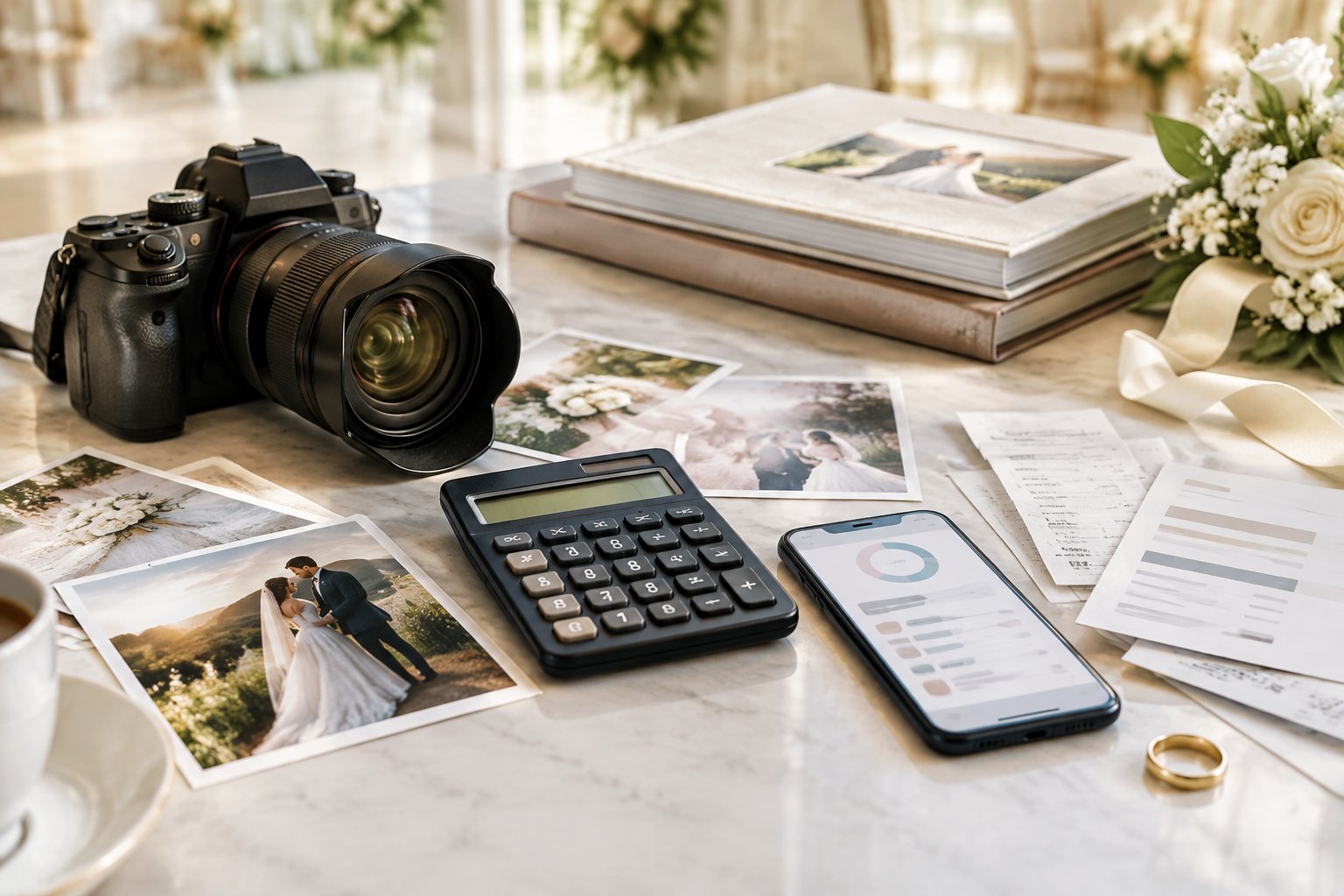
Your quote reflects more than the hours spent taking photos. It also covers planning, equipment, insurance, backup systems, editing, gallery delivery, travel, and the photographer’s skill in handling a fast-moving wedding day. If you are ready to compare coverage options for your date, reach out to photographers early so you can review complete packages before your preferred vendors book up.
What Couples Pay in 2026
The average wedding photographer cost in the United States is about $3,000 to $4,500 in 2026, with package prices ranging from roughly $1,500 to $12,000 or more. Your final wedding photography pricing depends on coverage, experience, location, date, team size, and included products.

What Is the Average Wedding Photographer Cost?
A useful planning range is 10% to 15% of your total wedding budget. For a $30,000 wedding, that places photography near $3,000 to $4,500.
A typical quote may include:
- Six to eight hours of wedding-day coverage
- One professional wedding photographer
- Professionally edited digital images
- An online gallery
- Personal printing rights
- Planning support and timeline guidance
Some photographers price by the hour, with rates near $175 to $500 per hour. Package pricing often gives you a clearer total because it combines coverage with delivery services and products. You can compare hourly pricing in more detail with this guide to how much does a wedding photographer cost for an hour.
Wedding Photography Price Ranges by Experience Level
Experience affects wedding photographer prices because established professionals bring a deeper portfolio, faster decision-making, reliable workflows, and backup plans.
| Experience level | Common 2026 range | What you may receive |
|---|---|---|
| New photographer | $1,000–$2,500 | Shorter coverage, one photographer, digital gallery |
| Developing professional | $2,500–$4,500 | Six to eight hours, edited images, planning support |
| Established professional | $4,500–$8,000 | Full-day coverage, strong portfolio, second shooter options |
| Luxury or sought-after specialist | $8,000–$15,000+ | Custom coverage, premium albums, refined service |
Review complete wedding galleries when comparing experience. A highlight reel shows a photographer’s strongest images, while a full gallery shows consistency across getting ready, ceremonies, family photos, portraits, receptions, and difficult lighting.
How Location and Date Affect Wedding Photography Prices
Large metropolitan areas often have higher wedding photography rates because business costs, demand, and travel time increase. Prices also rise for Saturdays during spring and fall, when calendars fill quickly.
You can find lower pricing by considering:
- A Friday, Sunday, or weekday wedding
- An off-season date
- A local photographer who does not need lodging
- A smaller celebration with fewer locations
- Booking well before peak dates fill
WeddingWire listings can help you compare local photographers, though each quote still needs a close review of hours, deliverables, and fees.
What Wedding Photography Packages Include
Wedding photography packages combine coverage time, photographer services, edited files, delivery tools, and optional printed products. Read each package as a list of deliverables so you know what you will receive and when you will receive it.

Coverage length sets the schedule, while professional editing and online delivery shape your post-wedding experience. Albums, print credits, and parent products add tangible value when you want family keepsakes.
How Many Hours of Coverage Do You Need?
Choose hours by working backward from the last moment you want photographed and adding the earliest moment that matters.
| Wedding format | Suggested coverage |
|---|---|
| Courthouse ceremony or elopement | 2–4 hours |
| Ceremony and portraits | 4–6 hours |
| Standard wedding day | 8 hours |
| Multiple locations or cultural events | 10–12 hours |
Eight hours may cover getting ready, the ceremony, portraits, dinner, speeches, and dancing. Add time when preparation locations are separate, transportation takes longer, or you want a photographed exit.
Coverage is continuous time for many photographers. Ask whether you can split hours across the day, and confirm the overtime rate before signing.
What Professional Editing and Digital Delivery Should Include
Professional editing should cover color, exposure, cropping, skin tones, and image consistency. Ask whether the photographer selects the final images, how many files you can expect, and whether advanced retouching costs extra.
Online gallery delivery should state:
- The expected delivery window
- How long the gallery remains active
- Download access and file resolution
- Sharing and privacy settings
- Whether you receive a print release
A print release gives you personal printing rights. It does not transfer copyright or provide unedited RAW files. Confirm whether high-resolution files are included and whether the photographer keeps backup copies.
Which Prints and Albums Are Worth Adding?
A wedding album creates a finished record you can hold and revisit. Choose archival paper, a durable cover, and enough pages for the story you want to tell.
Useful additions include:
- A wedding album
- A print package
- A print credit
- Parent albums
- Canvas prints
- Fine-art enlargements
Compare the size, page count, paper type, cover material, and revision process before purchasing. A print credit gives you flexibility, while a completed album provides a designed product with less work for you.
What Drives Your Final Quote
Your final quote rises with extra people, added sessions, travel, longer coverage, and products that require additional labor. A photographer may also price for the planning and production work that happens before and after your wedding day.
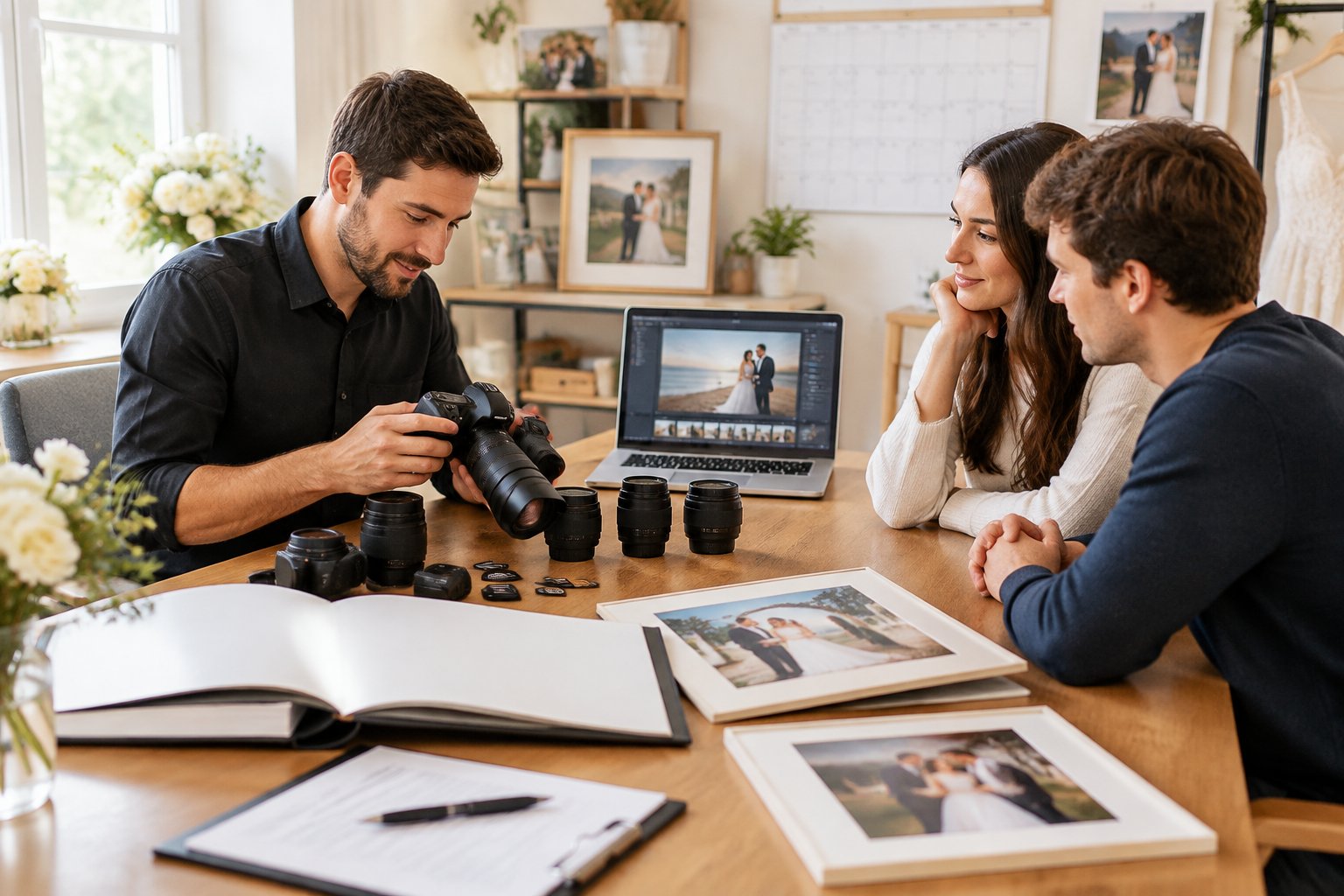
Ask for each add-on as a separate line item. This makes it easier to choose the services that protect the moments you care about most.
When Is a Second Shooter Worth the Cost?
A second shooter is valuable when important events happen at the same time or across different locations. One photographer can focus on you while the other captures guests, family reactions, preparation, or another part of the venue.
Consider adding one when:
- You and your partner get ready in separate places
- Your guest list is large
- The venue has several floors or wide grounds
- You want multiple ceremony angles
- Cocktail hour and portraits overlap
- Your schedule includes cultural traditions
A small wedding at one location may work well with one experienced photographer. Ask whether the second shooter is an associate or a named member of the lead photographer’s team.
How Engagement Sessions and Bridal Portraits Affect Pricing
An engagement session adds planning, shooting, editing, and gallery delivery. It gives you engagement photos for announcements and lets you practice working with your photographer before the wedding.
Bridal portraits require a separate session with styling, hair and makeup timing, and location planning. They can be useful when you want carefully planned portraits of your attire before the wedding day.
When comparing packages, confirm:
- Session length
- Location limits
- Number of outfits
- Edited image delivery
- Rescheduling rules
- Travel charges
You may save money by booking a combined package, though the session should still fit your schedule and style.
What Destination and Travel Charges Should You Expect?
Destination weddings may add mileage, airfare, lodging, rental transportation, parking, baggage, and meals. A destination wedding photographer may also charge for travel days or extended availability.
Request a written travel estimate that separates:
- Photographer fees
- Assistant or second-shooter travel
- Lodging nights
- Transportation
- Parking and tolls
- Vendor meals
- Travel-day coverage
Ask whether the photographer handles bookings or expects you to arrange lodging. Clarify the policy for weather delays, canceled flights, and venue changes before you sign.
How to Choose the Right Coverage and Style
Choose coverage that follows your wedding timeline and a photographer whose style matches the way you want the day to feel. Your schedule determines how much time you need, while wedding photography styles shape the images and the amount of direction you receive.
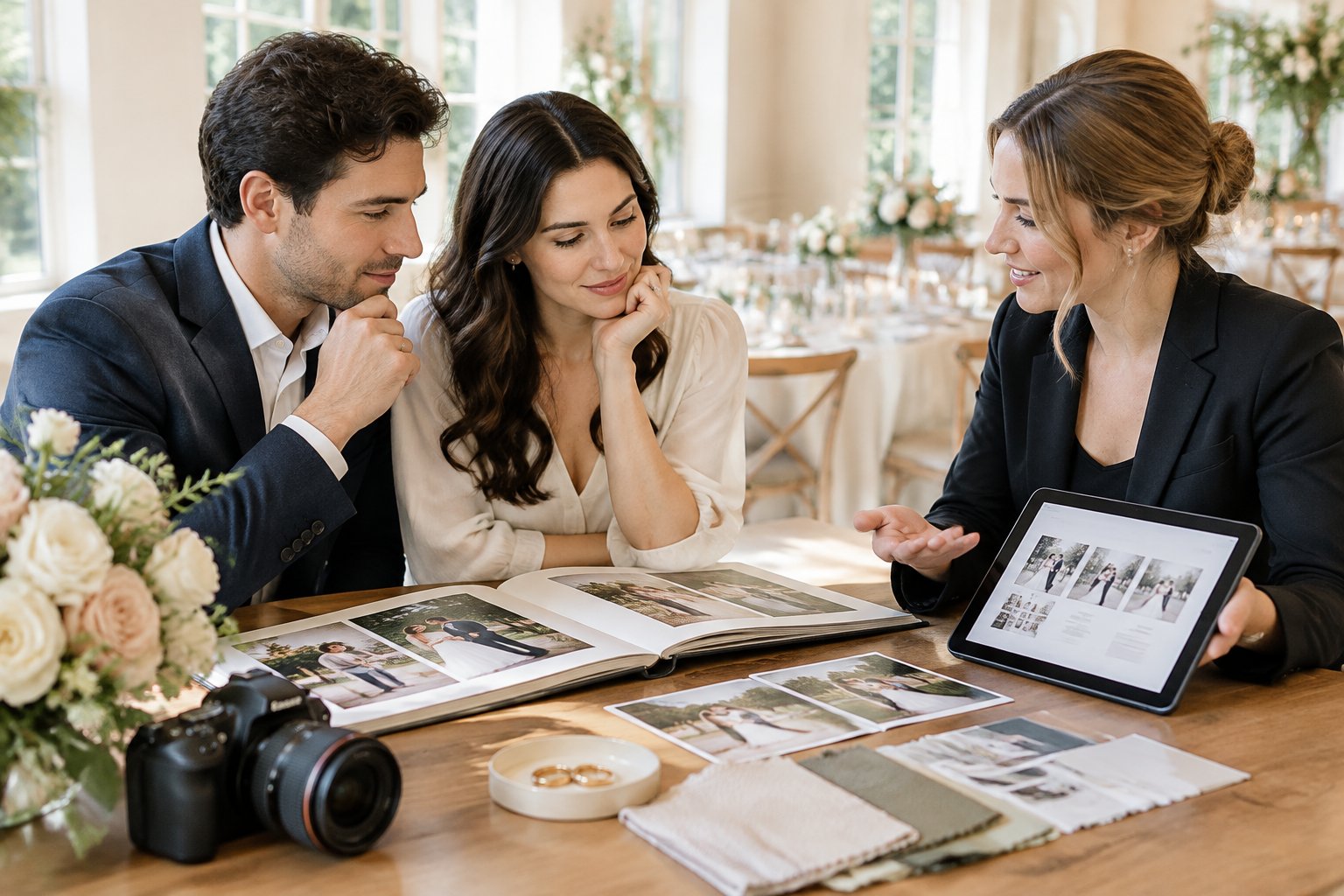
Review full galleries from real weddings. Look for consistent work in bright outdoor light, dim receptions, crowded dance floors, family portraits, and emotional moments.
Matching Coverage to Your Wedding-Day Timeline
List every event you want photographed, then mark its location and start time. Include preparation, details, first looks, family portraits, the ceremony, cocktail hour, reception events, and the exit.
A sample eight-hour schedule might include:
- Two hours of preparation and details
- One hour for first look and portraits
- One hour for ceremony and family photos
- Four hours for reception events and dancing
Add buffer time for transportation, large family groups, outfit changes, and formal traditions. Share your draft timeline with each photographer so your quotes reflect the same work.
How Wedding Photography Styles Influence Value
Documentary photography emphasizes unscripted moments and limited direction. Editorial photography uses more posing and careful composition. Fine-art work focuses on light, color, and a polished visual style. Traditional photography gives more attention to formal groups and family portraits.
Style can influence value through:
- Amount of portrait direction
- Planning and location scouting
- Lighting equipment
- Editing approach
- Film development or hybrid coverage
- Time needed for formal photographs
Choose a style you will enjoy viewing years from now. A photographer’s portfolio should show that style across complete galleries, not only selected social media images.
When One Photographer Is Enough
One photographer fits an intimate wedding with one location, a compact timeline, and limited simultaneous activity. An experienced professional can cover the key events while keeping communication simple.
A second photographer becomes more useful as the guest count, venue size, and schedule complexity increase. Ask how one photographer would cover your preparation, ceremony, portraits, and reception before deciding.
How to Compare Quotes and Contracts
Compare quotes by matching hours, shooters, deliverables, rights, travel, taxes, and overtime. The lowest starting price may change after you add services that another photographer includes.
A clear proposal should show the package total, payment schedule, cancellation terms, delivery timeline, and every possible extra fee.
How to Compare Wedding Photography Packages Fairly
Create a side-by-side list with the same categories for every photographer:
- Coverage hours
- Number of photographers
- Engagement session
- Edited image delivery
- Online gallery
- Print release
- Album or print credit
- Travel and overtime
- Turnaround time
- Total price with taxes
Check whether “full day” has a defined number of hours. Ask whether the package includes a minimum image count, a sneak peek, album design, or gallery hosting.
What to Check in a Wedding Photography Contract
Your wedding photography contract should identify the date, venue, photographer, coverage hours, deliverables, payment schedule, and cancellation policy.
Read the clauses covering:
- Retainer and installment dates
- Rescheduling and postponement
- Photographer illness or emergency
- Backup equipment
- Image backup and storage
- Overtime rates
- Travel and meal requirements
- Copyright and printing rights
- Gallery delivery and access
- Model release and portfolio use
Make sure every promised item appears in writing. Verbal assurances about albums, turnaround, or a second shooter do not protect you if the contract leaves them out.
Questions to Ask Before You Book
Ask each photographer:
- Who will photograph the wedding?
- Have you photographed at this venue or a similar location?
- How many images do you deliver?
- What editing and retouching are included?
- When will the gallery arrive?
- What happens if the wedding runs late?
- What backup cameras and storage systems do you use?
- Are travel, meals, parking, and taxes included?
- Can you show two or three complete wedding galleries?
- What happens if you become unavailable?
Clear answers help you compare service quality alongside price.
How to Stay Within Your Photography Budget
A practical wedding photography budget reserves about 10% to 15% of your total wedding spending for photography, then assigns priority to coverage before products and extras. Set the amount before requesting quotes so package upgrades do not control your decisions.
Set a Realistic Wedding Photography Budget
Start with your total wedding budget and choose a photography range. A $30,000 wedding may support $3,000 to $4,500 for photography, while a smaller celebration may need a more focused coverage plan.
Include possible costs for:
- Coverage hours
- Second shooter
- Engagement session
- Albums and prints
- Travel
- Overtime
- Sales tax
- Tips
Use a written budget so you can see the full amount due at booking, during planning, and after delivery. This guide to how to allocate a wedding budget can help you place photography alongside other major expenses.
Where to Save Without Sacrificing Important Moments
Save by reducing unused coverage, choosing a weekday or off-season date, hiring locally, or selecting digital delivery first. Protect the hours that include preparation, vows, family portraits, and reception events you want to remember.
You can also:
- Book one photographer for a small wedding
- Choose a print credit instead of a large album
- Add parent albums later
- Use a shorter engagement session
- Select a newer photographer with a strong full-gallery portfolio
- Hold the ceremony and reception at one location
Keep professional coverage for moments that are difficult to recreate. Guest photos can supplement the gallery, though they cannot replace a planned backup and experienced wedding-day coverage.
Plan for Overtime, Tips, and Post-Wedding Purchases
Ask for the overtime rate before booking and keep a time buffer in your schedule. A late ceremony, delayed portraits, or extended dancing can add unexpected charges.
Many couples also budget for a tip when the photographer provides excellent service, though tipping practices vary. Review your contract and local expectations before deciding.
Post-wedding purchases may include albums, extra spreads, wall art, parent albums, canvas prints, and additional retouching. Reserve part of your budget for these products if they matter to you, or choose digital delivery and add printed pieces after you have reviewed the gallery.