
Cost of Wedding Videographer: Prices and Packages
Your wedding videographer cost will usually land between $2,000 and $6,500 in the United States, with many couples budgeting about $2,300 to $4,000 for polished coverage. A short highlight video costs less, while full-day filming, multiple cameras, cinematic editing, and extra crew raise the final price.
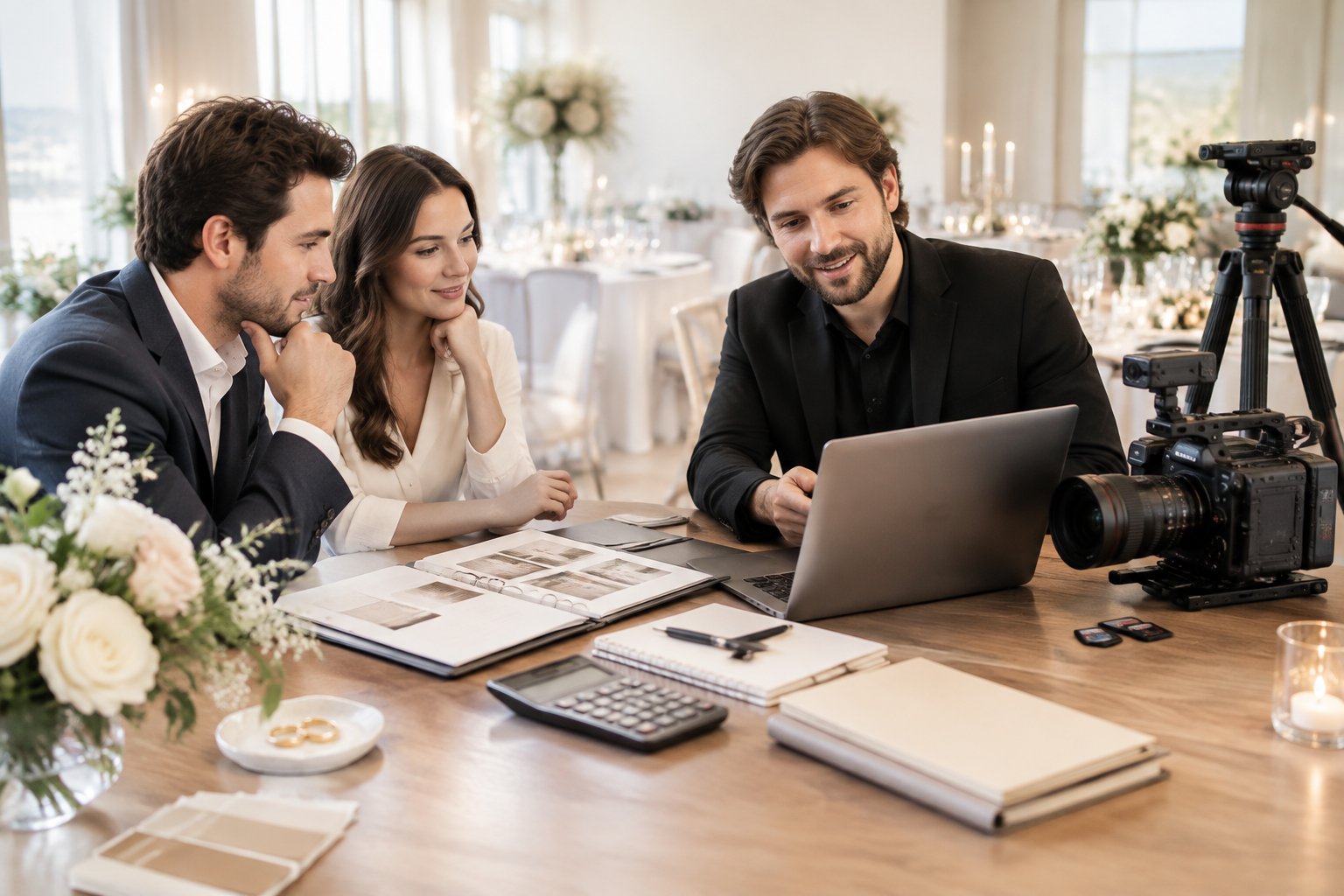
A wedding video preserves voices, movement, vows, speeches, and moments that still photos cannot capture. Start by deciding which parts of your day you want to revisit, then ask each wedding videographer to price those priorities clearly.
How Much Should You Budget for Wedding Videography?
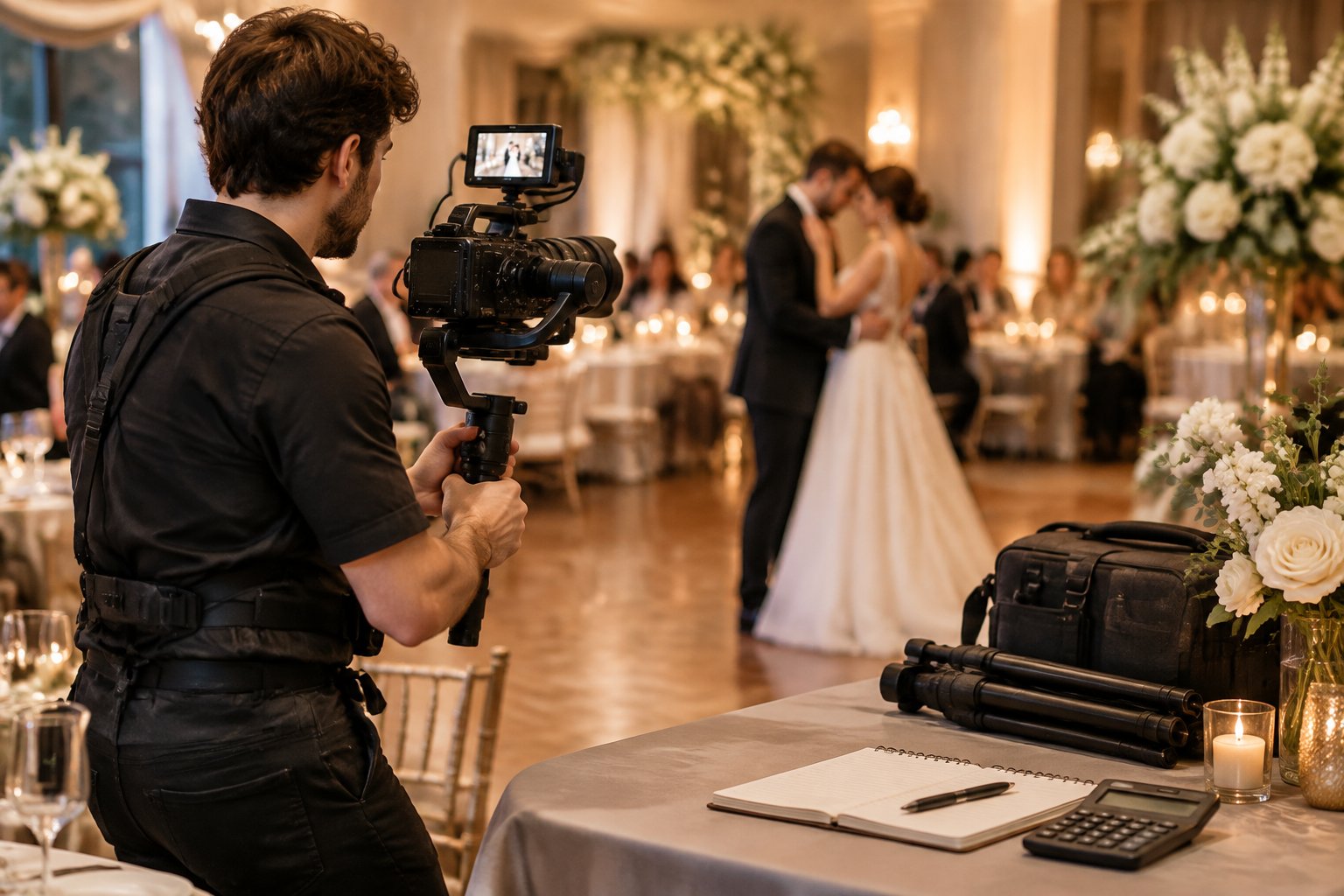
A practical U.S. budget for wedding videography is $2,000 to $6,500, with many couples spending around $2,300 to $4,000 for a polished wedding film and ceremony coverage. Your quote reflects the length of filming, editing time, crew size, location, and final deliverables.
National Averages and Why Sources Differ
Published averages range because companies measure different packages and couples. A basic wedding videography package with one filmmaker and a short highlight reel sits near the lower end.
Full-day coverage with multiple videographers, extended edits, and advanced audio reaches the upper range. The Knot Real Weddings Study has placed the national average near $2,300 in recent reporting. The Zola Wedding Cost Index has reported higher averages in the $3,200 to $4,800 range.
These figures can both guide you when their package details, survey groups, and locations differ. Ask what each average includes before using it as your target. A quote for six hours and a highlight film does not compare directly with a full-day wedding film and full ceremony edit.
What Percentage of Your Wedding Budget to Set Aside
Set aside about 5% to 10% of your total wedding budget for wedding videography. A $40,000 wedding budget would place video near $2,000 to $4,000, depending on how strongly you value full coverage and finished edits.
You can use how to allocate a wedding budget to place videography alongside photography, venue, catering, and entertainment. Couples who care deeply about hearing vows and speeches again may choose a higher video allocation and trim less meaningful extras.
How Location Changes the Final Quote
Large metro areas and destination locations often carry higher wedding videography pricing because labor, travel, lodging, insurance, and local demand affect the quote. A rural venue might have lower base pricing while adding mileage or overnight travel fees.
Request a written travel policy. Check whether parking, hotel costs, permit fees, and travel time appear in the wedding videographer pricing before you compare totals.
What Do Wedding Video Packages Include?
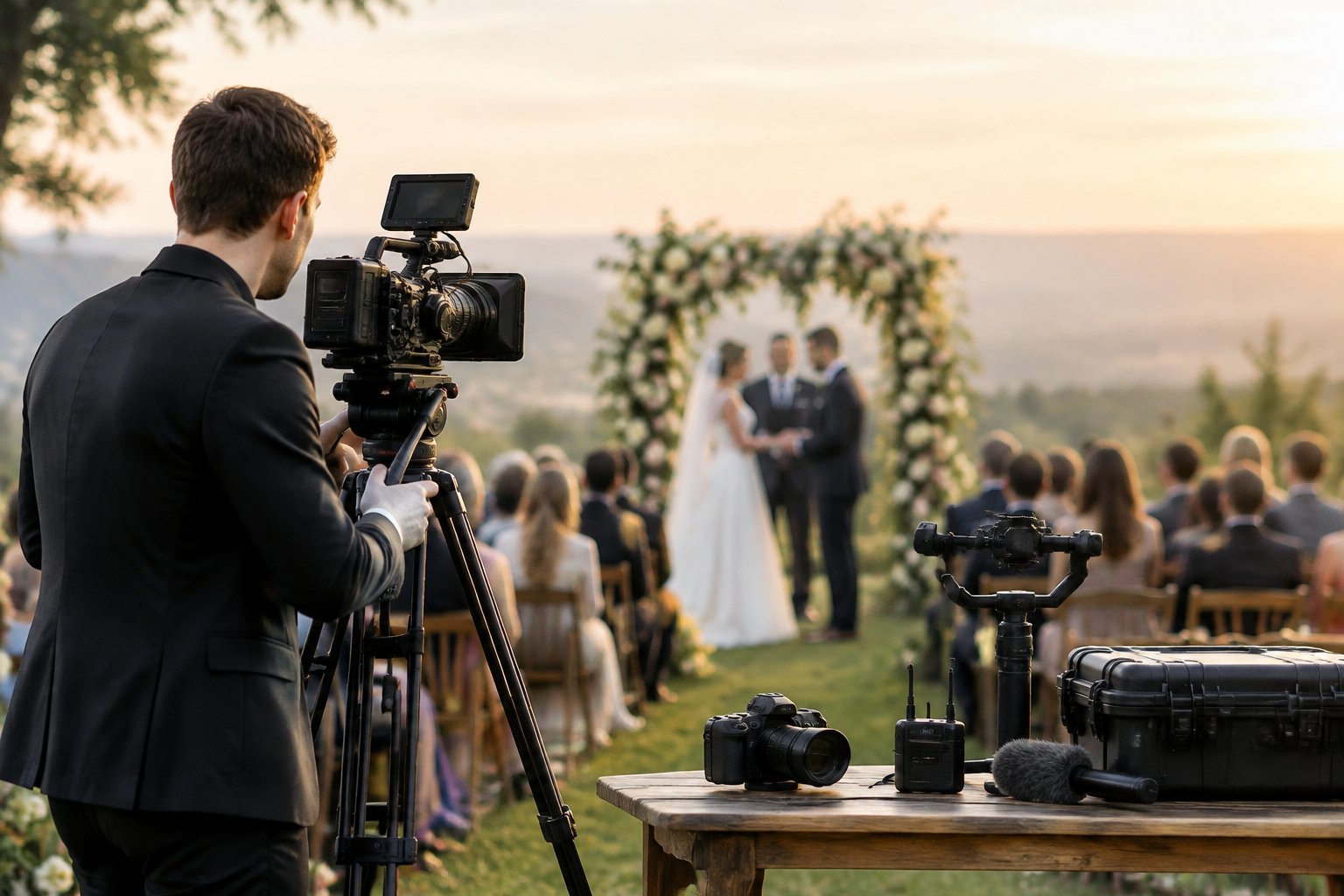
Wedding videography packages combine filming hours with specific edited videos and delivery terms. Compare the number of filmmakers, coverage window, audio plan, film length, revision policy, and delivery date before choosing a package.
Basic Coverage and Highlight-Only Options
A basic wedding videography package may include four to six hours with one wedding videographer and a short highlight reel. Coverage often focuses on the ceremony, portraits, key reception moments, and selected preparation footage.
A highlight film might run from three to eight minutes. It uses music, brief vows, reactions, and major moments to create a compact wedding video. Ask whether ceremony audio, speeches, drone footage, and raw files are included or priced separately.
Standard Packages With Ceremony and Reception Coverage
A standard package often provides eight to ten hours of coverage, ceremony filming, reception coverage, professional audio, and a highlight film. Many packages add a full ceremony edit or separate ceremony edit so you can watch the vows from start to finish.
Confirm how the filmmaker handles overlapping events. If both partners prepare in different locations, multiple videographers may be needed to cover both rooms without missing key moments.
Premium Cinematic Productions
Premium packages focus on a longer cinematic wedding film, expanded coverage, several camera angles, carefully recorded vows and speeches, and detailed post-production. A wedding film may include interviews, personal audio, licensed music, professional color grading, and audio mixing.
Ask how long the finished edits will be and how many revisions you receive. A cinematic wedding film can require many hours of editing after the wedding, so the package description should explain the creative process and delivery schedule.
What Drives the Price Up or Down?
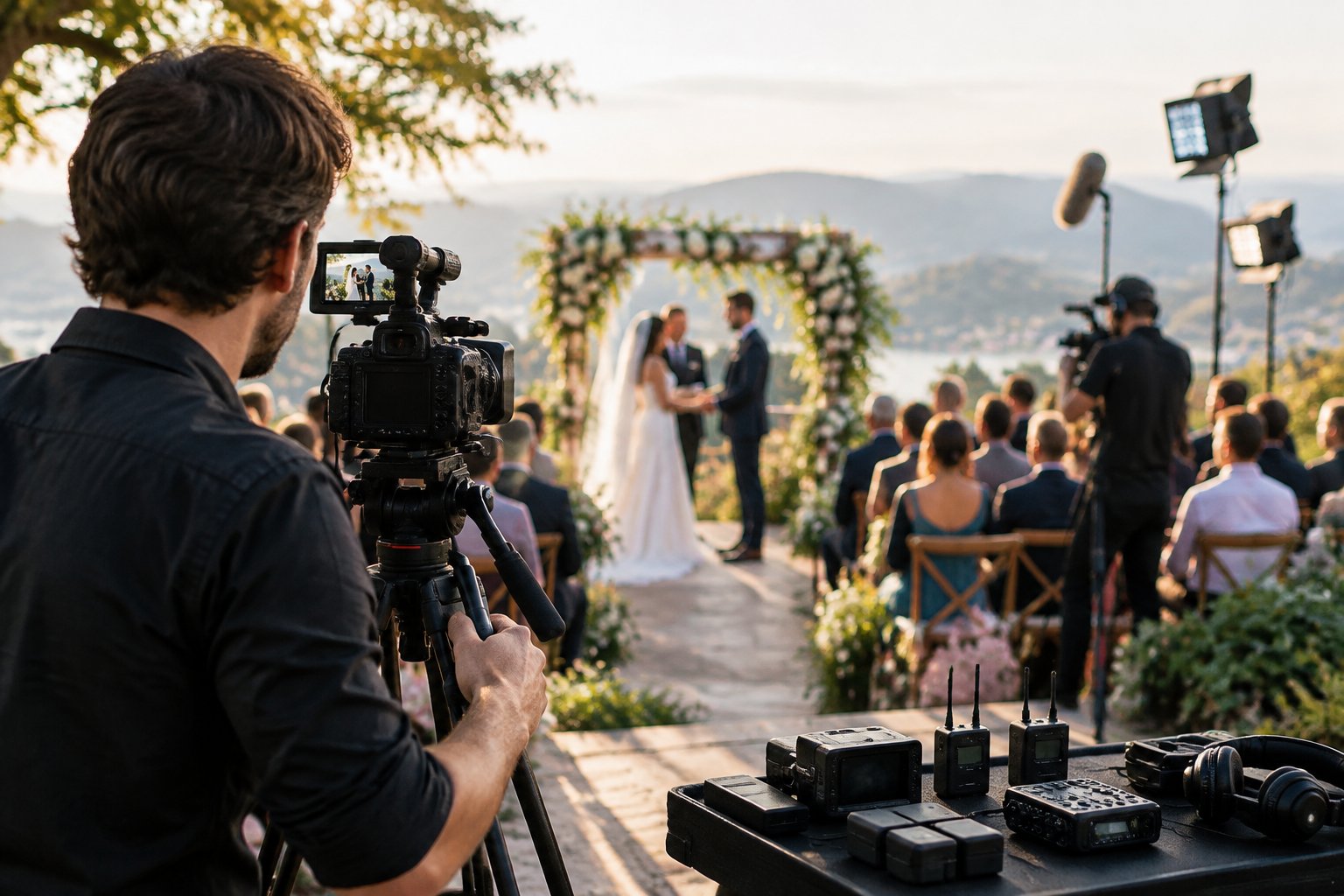
The largest price changes come from coverage hours, crew size, editing demands, travel, and the date of your wedding. A clear quote connects each charge to a service you can identify.
Coverage Hours and Overtime
More coverage increases both filming labor and editing time. A six-hour booking might cover the ceremony and early reception, while eight to ten hours can include preparation, first look, ceremony, dinner, dances, and late-night celebrations.
Ask for the wedding videographer cost per hour for extra coverage before signing. Check the overtime rate, minimum booking period, and whether the rate applies to every videographer on the team.
Experience, Team Size, and a Second Shooter
An experienced filmmaker charges for years of shooting, planning, storytelling, equipment, insurance, and business time. A second shooter raises the quote while giving you extra angles and simultaneous coverage.
A second shooter helps when preparation takes place in separate locations, when the guest list is large, or when the ceremony and cocktail hour overlap. Ask who will film your wedding and whether an associate replaces the person whose work you reviewed.
Editing Work and Production Quality
Post-production can take far longer than the wedding day itself. A short highlight edit requires less work than a feature film with full vows, speeches, interviews, several camera angles, and custom sound design.
Professional color grading gives footage a consistent look across cameras. Audio mixing helps balance vows, speeches, music, room sound, and personal messages. Ask whether these services are included in the quoted wedding videographer cost.
Travel, Venue Rules, and Wedding Date
Travel fees can include mileage, flights, lodging, parking, and meals. Venue rules may require insurance certificates, filming permits, designated camera positions, or restrictions on lights and tripods.
Saturday dates during peak wedding season often command higher rates because demand is strong. An off-season or weekday date can open more package choices, though you should confirm availability before changing your plans.
Which Add-Ons Are Worth Paying For?
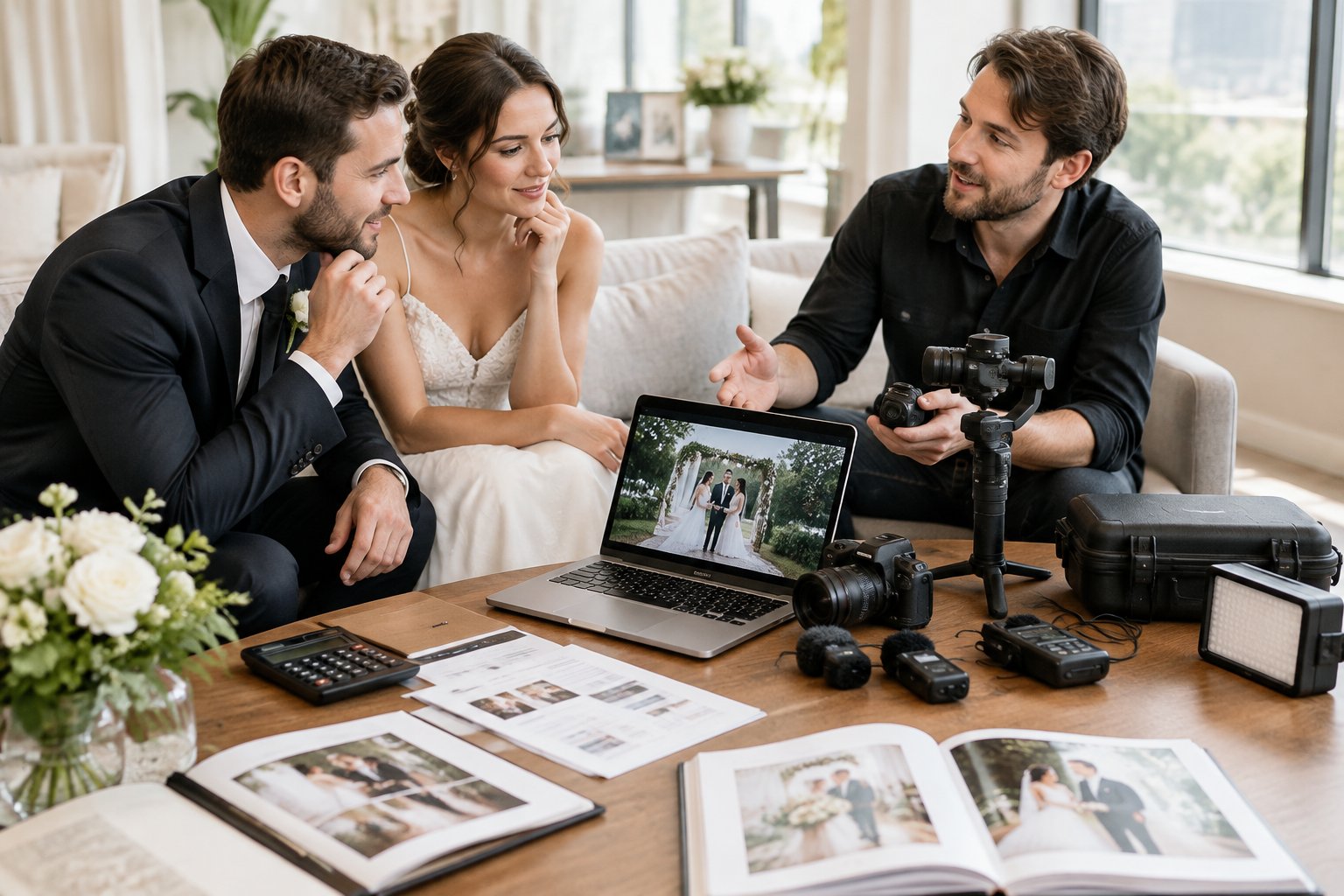
The most useful add-ons preserve moments that are difficult to recreate, especially clean audio, complete speeches, and coverage of events happening at the same time. Choose extras according to your venue, schedule, and plans for using the finished wedding video.
Drone Footage and Aerial Venue Views
Drone footage adds wide views of a property, coastline, mountain setting, or outdoor ceremony. It has greater value when the venue landscape is part of your story.
Ask whether the operator carries required certification and insurance. Weather, airspace restrictions, venue permission, and local rules can prevent a planned flight, so your contract should explain the backup plan.
Same-Day Edits and Social-Ready Clips
A same-day edit creates a short video from footage captured earlier that day and shows it during the reception. It requires a filmmaker to edit on-site under intense time pressure, making it a premium upgrade.
Short vertical clips work well for sharing with friends and family after the wedding. Ask how many clips you receive, their format, music licensing terms, and delivery date.
Raw Footage Delivery: What You Actually Receive
Raw footage delivery gives you unedited camera files, which can preserve extra moments that do not appear in your finished films. Files may require significant storage and may contain separate camera angles, muted clips, test recordings, and long pauses.
Ask whether the quote includes all cards, audio files, and camera angles. Confirm the delivery format, storage method, file retention period, and whether you receive permission to edit or share the footage.
Hiring a Wedding Content Creator
A wedding content creator focuses on quick, phone-based photos and videos for social sharing during or soon after the event. This service complements a wedding videographer when you want immediate clips while your filmmaker focuses on a polished wedding film.
Compare the creator’s coverage hours, posting approach, file delivery, privacy terms, and relationship with your photographer and videographer. Keep the roles clear so extra people do not block important camera positions.
How to Compare Quotes and Get Better Value
Your best value comes from matching the quote to the moments and finished videos you want. A lower price can leave out ceremony audio, full speeches, backup equipment, or editing work that you expected.
Questions to Ask Before You Book
Ask each wedding videographer:
- How many hours are included?
- How many filmmakers will attend?
- Who will film the wedding?
- What audio equipment will be used?
- Which edited videos are included?
- Is a full ceremony edit included?
- How long will the finished videos be?
- When will you receive them?
- How many revisions are included?
- What happens if the filmmaker becomes ill?
- Are travel, overtime, taxes, and venue fees included?
- How long are files retained after delivery?
Read the contract for cancellation terms, music licensing, privacy permissions, meal requirements, and backup plans.
How to Compare Deliverables Rather Than Just Prices
Create a side-by-side list showing coverage hours, camera operators, audio recording, highlight film length, full edits, raw footage, delivery timing, and revisions. Then compare complete totals, including travel and overtime.
Review full wedding films, not only short promotional clips. Look for clear vows, balanced speeches, steady camera movement, natural skin tones, clean cuts, and storytelling that fits your preferred style.
Ways to Reduce Costs Without Sacrificing Key Moments
Reduce the coverage window around events you care about least. You might begin filming before the ceremony for preparation and first look, then end after the main dances if late-night footage has low value to you.
Choose one finished film plus a full ceremony edit, book an off-season date, or ask about a weekday package. Keep professional audio and complete coverage of vows and speeches high on your priority list, since those moments cannot be recreated after the wedding.