
Destination Wedding Itinerary for Guests: A Clear Guide
Your destination wedding itinerary for guests should answer four questions at a glance: where to go, when to arrive, what to wear, and which events require your attendance. A clear schedule turns a long weekend into an easy travel experience, especially when guests are traveling across time zones or staying at an all-inclusive resort.
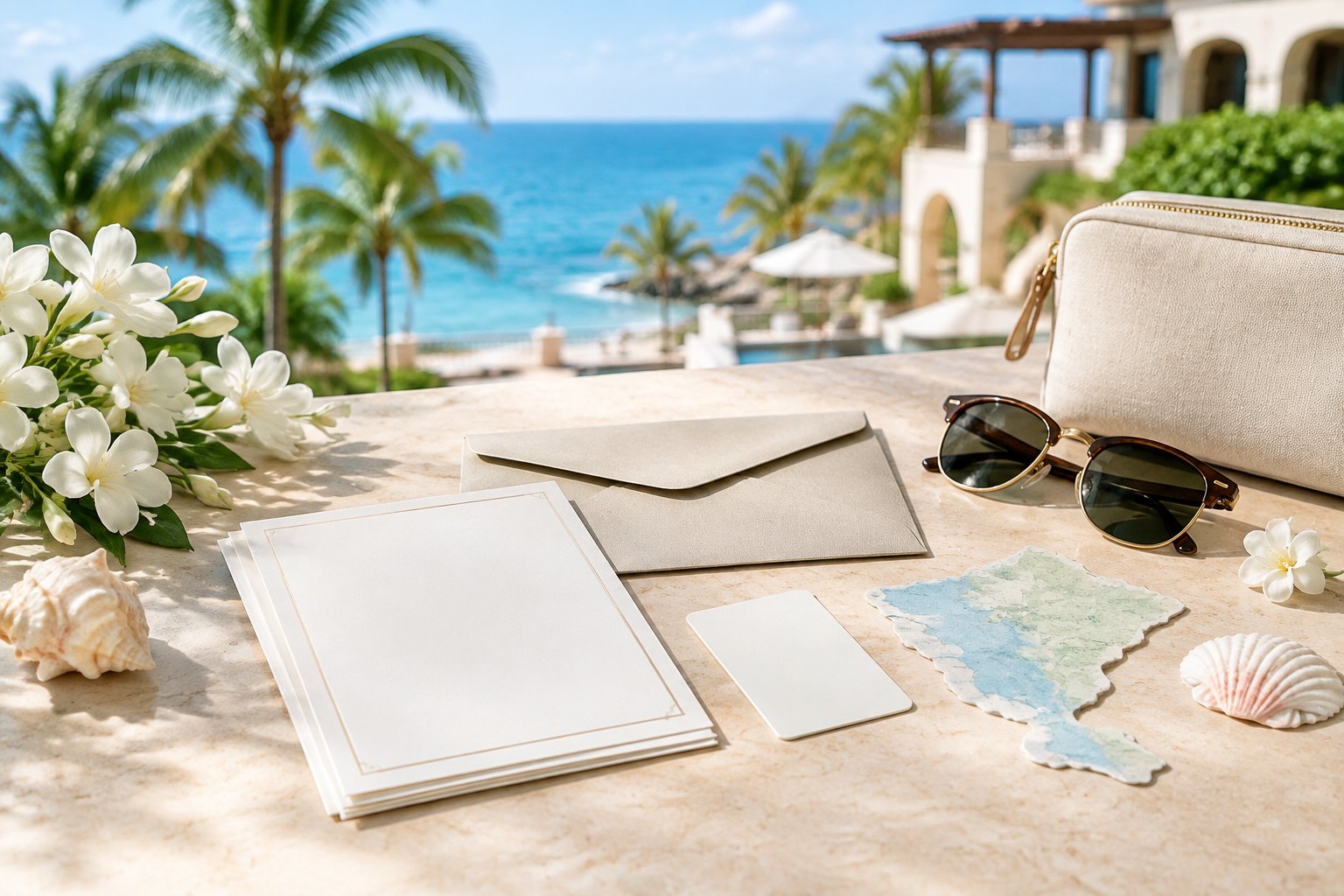
The best format combines a day-by-day plan with practical travel details. Include flight guidance, hotel information, airport transfers, event locations, dress codes, meal notes, and free-time suggestions.
Mark each activity as required, optional, or limited to the bridal party so guests can plan without guessing. Use a digital version for updates and a compact printable version for arrival. You can also review a destination wedding checklist to catch travel details before invitations go out.
What Guests Need Before They Travel
Guests need flight guidance, confirmed accommodations, and a clear transportation plan before they book their trip. Put these details in one easy-to-find place, including booking deadlines, estimated transfer times, and a contact for travel questions.
Guests should know whether they need a passport, entry documents, travel insurance, or destination-specific health paperwork. A complete plan helps guests compare flight times, choose the right room, and reach each event without stress.
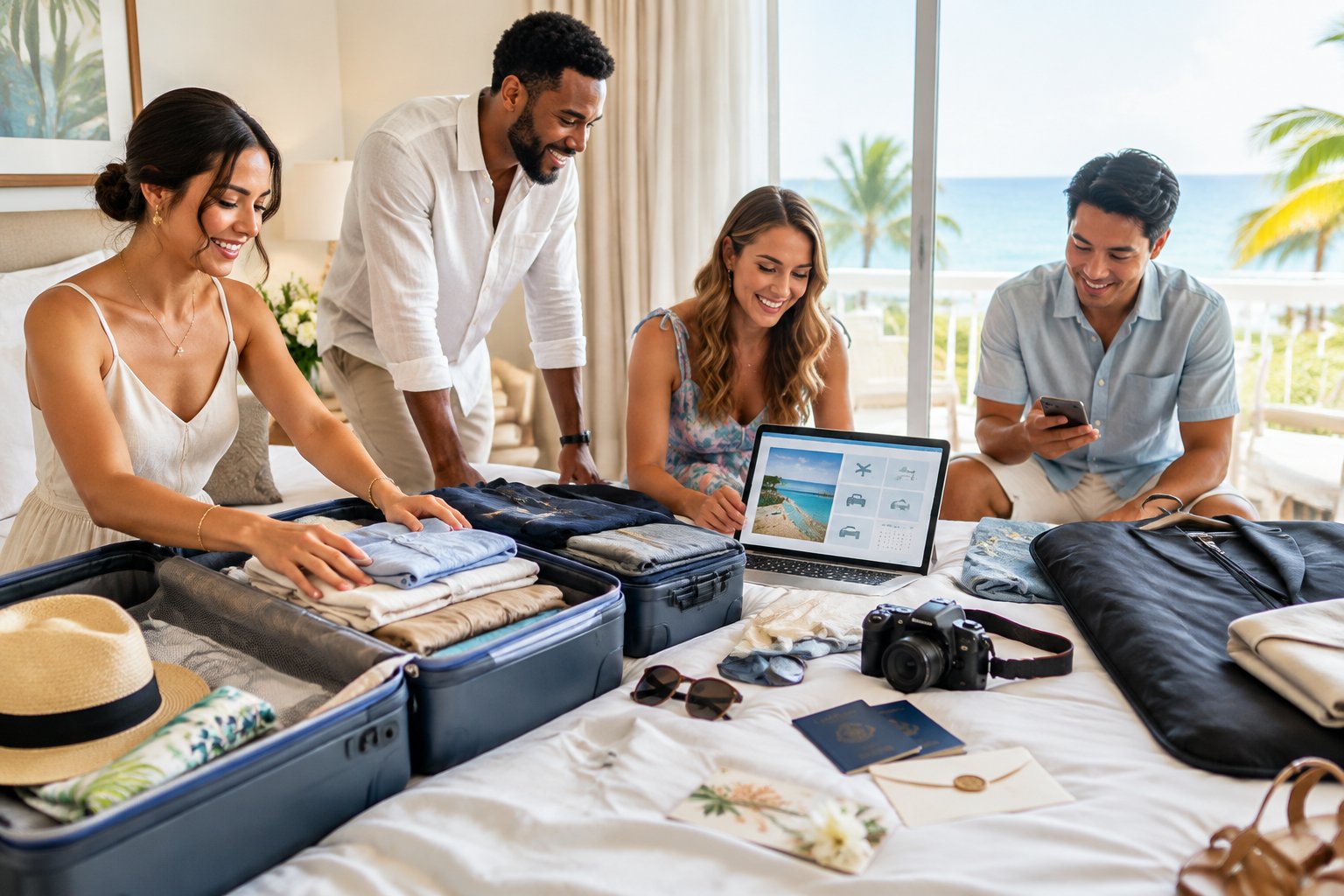
Flight, Airport, and Arrival Details
List the closest airport, recommended arrival window, and flight-booking deadline. Add the airport code, local time zone, and instructions for international arrivals. If guests need to clear customs before meeting a driver, include that step.
Share the name of the transportation provider, pickup location, emergency phone number, and process for late arrivals. A note such as “collect luggage before meeting the shuttle representative” removes a common source of confusion.
Accommodations, Room Blocks, and Check-In
Give guests the hotel or resort name, booking link, room-block code, deadline, nightly rate, taxes, and cancellation terms supplied by the property. State whether the room block includes breakfast, resort fees, or access to an all-inclusive resort package.
Explain check-in and checkout times, luggage storage, accessibility requests, child policies, and any required deposit. If guests can stay at another property, explain how they will reach the wedding venue and group events.
Transportation Between the Airport, Hotel, and Events
Create a simple transfer chart with pickup times, meeting points, vehicle details, and estimated travel times. Identify which rides are included and which guests must arrange themselves.
For off-site events, include return transportation and a backup contact. Add walking directions or a map pin when the venue is large. Build extra time into transfers for traffic, security checks, weather, and guests who need mobility support.
How to Build a Guest-Friendly Wedding Weekend Schedule
A guest-friendly wedding weekend itinerary gives guests structure while protecting time for rest, exploring, and personal plans. Start with the required wedding events, then add hosted meals and optional activities around arrival and departure patterns.
A destination wedding weekend feels easier to attend when the schedule leaves room for sleep, pool time, local sightseeing, and unexpected delays.

Balance Hosted Events With Free Time
Schedule one main hosted activity per time block and leave open periods between major events. Guests who arrive early can relax, while those with late flights can join when they are ready.
Add optional ideas such as a beach morning, local tour, resort activity, or spa appointment. Include estimated costs and booking instructions when guests need to reserve or pay for an activity. Protect a quiet window before the ceremony so guests can change, rest, and prepare.
Label Optional, All-Guest, and Wedding-Party Events
Use clear labels beside every item:
- All guests: welcome party, ceremony, reception, or farewell brunch
- Optional: excursion, yoga class, beach outing, or spa treatments
- Wedding party: rehearsal, getting-ready time, portraits, or private dinner
- Family only: cultural ceremony, blessing, or private gathering
Color coding works well in a digital schedule. Add a short note when attendance affects meals, transportation, or seating.
Set Realistic Travel and Transition Times
Place travel time directly into the schedule. A 6:00 p.m. dinner at a second venue may require a 5:15 p.m. shuttle departure, not a 6:00 p.m. arrival reminder.
Allow time for hotel elevators, room changes, restroom breaks, photos, and venue security. Give guests a specific meeting point and arrival window. Keep ceremony arrival earlier than the listed start time so seating feels calm.
A Four-Day Destination Wedding Itinerary Example
A four-day destination wedding itinerary gives guests one arrival day, one preparation day, a dedicated wedding day, and a relaxed departure period. You can adjust the timing for flight schedules, guest ages, local customs, and venue distance.
This destination wedding weekend itinerary keeps required events easy to spot while leaving space for personal plans.
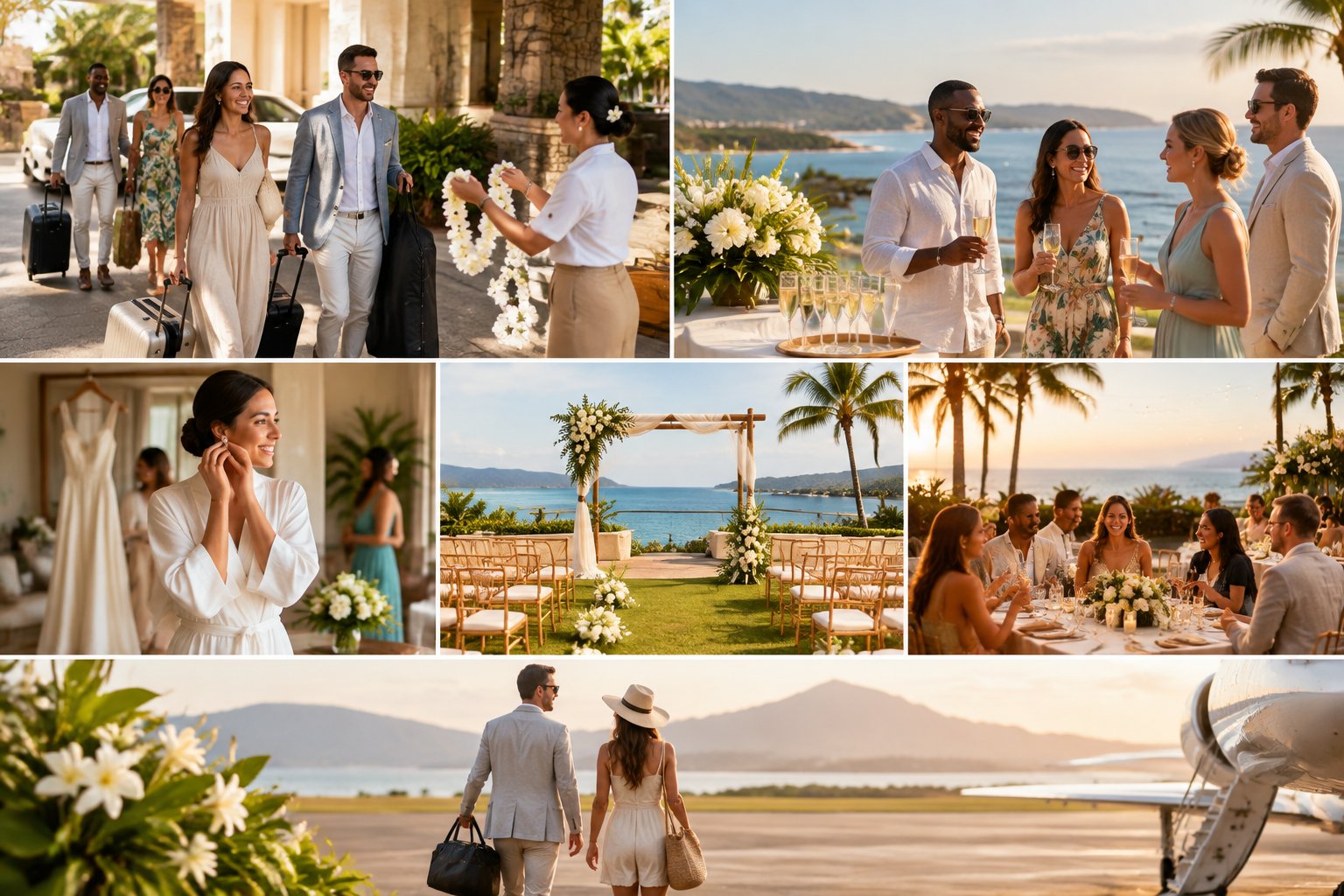
Day One: Arrival and Welcome Party
Morning and afternoon
- Guests arrive, complete airport transfers, and check in.
- Welcome bags wait at the front desk or in guest rooms.
- Guests receive a printed schedule and contact card.
- Open time allows for unpacking, swimming, or a nap.
Evening
- 6:00 p.m.: Casual welcome party near the pool or beach
- 7:00 p.m.: Welcome dinner with brief remarks
- 9:00 p.m.: Free evening
Keep the first night relaxed. Guests arriving on later flights should be able to join without missing a formal program.
Day Two: Leisure Time, Rehearsal, and Rehearsal Dinner
Morning and afternoon
- 8:00 a.m. to 10:00 a.m.: Breakfast
- 10:00 a.m. to 3:00 p.m.: Free time, excursions, or spa treatments
- 3:30 p.m.: Optional group activity
- 5:00 p.m.: Wedding-party rehearsal
Evening
- 6:30 p.m.: Rehearsal dinner for invited guests
- 8:30 p.m.: Return to the hotel or free evening
Tell guests who is invited to the rehearsal dinner. Give the wedding party a separate arrival time, attire note, and transportation detail.
Day Three: Ceremony, Cocktail Hour, and Reception
Morning and afternoon
- 8:00 a.m. to 10:00 a.m.: Breakfast
- 10:00 a.m. to 2:00 p.m.: Free time and getting ready
- 3:00 p.m.: Guest shuttle departs
- 3:30 p.m.: Guest arrival and seating
Evening
- 4:00 p.m.: Ceremony
- 4:30 p.m.: Cocktail hour
- 5:30 p.m.: Dinner and reception
- 9:30 p.m.: Reception ends
- 9:45 p.m.: Shuttles return to the hotel
Include the ceremony location, weather plan, dress code, and transportation instructions in a prominent box.
Day Four: Farewell Brunch and Departures
Morning
- 9:00 a.m. to 11:00 a.m.: Farewell brunch
- 11:00 a.m. to 1:00 p.m.: Free time and checkout
- 12:00 p.m. onward: Airport transfers by departure time
List shuttle times by flight window. Tell guests where to store luggage if they depart after checkout. A farewell brunch works best when guests can attend without rushing to the airport.
What to Include for Each Wedding Event
Every event entry should show the time, location, arrival instructions, dress code, and attendance label. Guests need quick answers they can read from a phone while moving through a resort or unfamiliar town.
Keep each entry short, then link to expanded travel details on the wedding website.
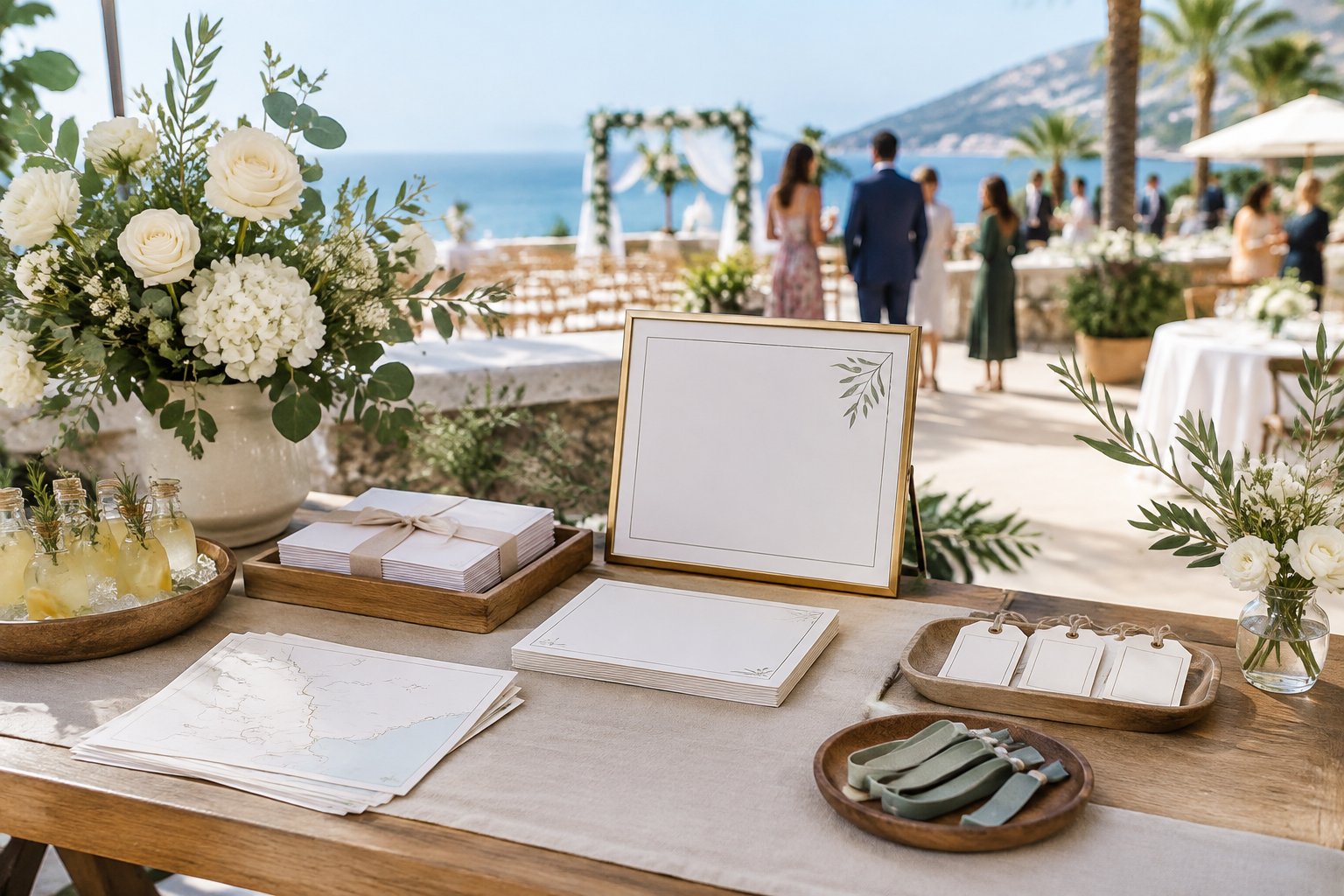
Times, Locations, and Arrival Instructions
Write the start time, recommended arrival time, end time, and meeting point. Use the local time zone and spell out dates to prevent confusion.
Include the building name, room or lawn name, floor, and a map link. State whether guests should walk, take a shuttle, meet in the lobby, or check in with a host. Add a phone number for the wedding coordinator or assigned guest contact.
Dress Codes From Resort Casual to Black Tie
Use familiar language with one practical example:
- Resort casual: sundress, linen shirt, trousers, and sandals
- Cocktail: dress, jumpsuit, suit, and dress shoes
- Formal: floor-length dress, dressy jumpsuit, dark suit, or tuxedo
- Black tie: tuxedo or formal evening gown
Mention weather, uneven ground, sand, religious customs, and indoor air conditioning when those details affect clothing or footwear. Explain whether jackets, ties, or formal shoes are required.
Wedding-Day Details Guests Actually Need
Give guests the ceremony start time, seating time, venue entrance, unplugged-ceremony request, and weather plan. Identify whether a first look is private, since guests only need the public ceremony schedule.
Include cocktail hour timing, reception location, meal style, bar information, accessibility support, and shuttle departure times. The wedding coordinator should manage vendor changes and behind-the-scenes adjustments, while guests receive only confirmed information that affects their plans.
Create and Share the Right Version of the Itinerary
Create one detailed master wedding timeline and a shorter guest-facing wedding itinerary that contains only information guests need. The master file can include vendor arrivals, setup tasks, payment reminders, and private wedding-party notes.
The guest version should focus on movement, attendance, attire, meals, and contact details. A clean format prevents guests from confusing a vendor task with an arrival instruction.
Master Wedding Timeline vs. Guest Version
The master timeline may include:
- Vendor load-in and setup
- Hair and makeup appointments
- Photography schedules
- Ceremony processional order
- Catering and rental details
- Transportation dispatch notes
- Wedding-party call times
The guest version should include:
- Arrival and departure guidance
- Hotel and room-block information
- Required and optional events
- Event times and locations
- Dress codes
- Shuttle details
- Contact information
Use different file names, such as “Wedding Master Timeline” and “Guest Weekend Schedule,” so the versions are easy to identify.
Using a Destination Wedding Itinerary Template
A destination wedding itinerary template gives you a repeatable structure for every day. Start with the date, event name, attendance label, time, location, dress code, transportation, and notes.
A practical destination wedding itinerary template can use this format:
| Date and event | Time | Location | Guest details |
|---|---|---|---|
| Welcome dinner | 7:00 p.m. | Ocean Terrace | Resort casual, lobby shuttle at 6:30 p.m. |
| Ceremony | 4:00 p.m. | Garden Pavilion | Arrive by 3:30 p.m., formal attire |
| Farewell brunch | 9:00 a.m. | Palm Room | Casual attire, luggage storage available |
Add a version date at the top. Review every time, location, and shuttle detail with the venue and transportation provider before sharing it.
Share Updates Through Google Docs and Your Wedding Website
Use Google Docs for an editable working file and your wedding website for the guest-ready version. Set editing access carefully so guests can view approved details while you and your wedding planner manage changes.
Send one update message when a major detail changes. Highlight revised information with a date stamp, then remove outdated instructions from the main schedule. Keep a downloadable PDF available for guests with limited service, and place the coordinator’s contact information on every page.