
Do 50 Guests Include Bride and Groom? Understanding Your Wedding Guest Count
When planning your wedding, couples often ask whether the bride and groom count in the guest total. The simple answer is yes, they should be included in the headcount when you’re figuring out your total number of guests. This is important because it can affect how much food you need, seating arrangements, and even the venue’s capacity.
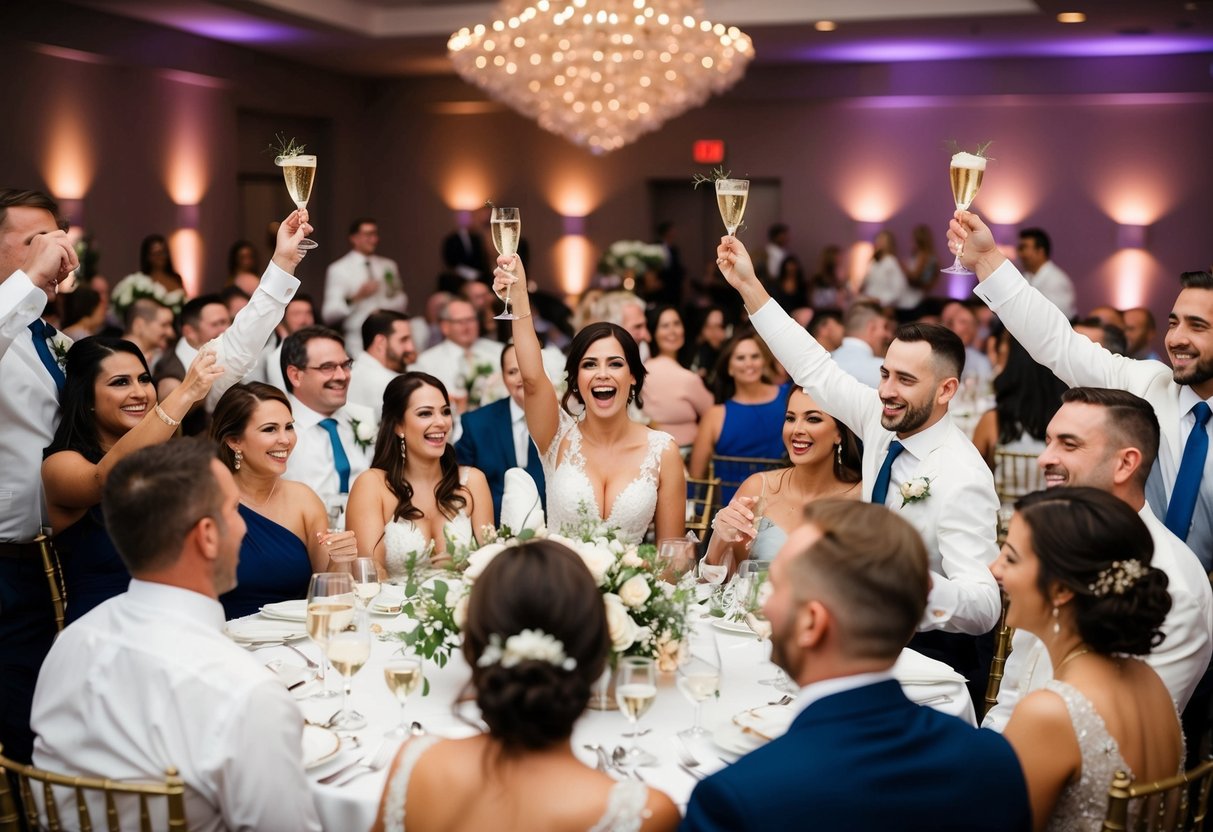
Getting the correct guest count can help you avoid unnecessary stress as you approach your big day. Understanding this detail allows you to focus on the guests who matter most while ensuring everyone has a great time, including yourselves. The right count helps you make informed choices about your wedding budget and arrangements.
So, if you’re planning for 50 guests, remember to count yourselves as part of that number. By keeping this in mind, you can streamline your planning process and create a more enjoyable celebration for everyone involved, especially for you as the couple.
Determining the Guest Count
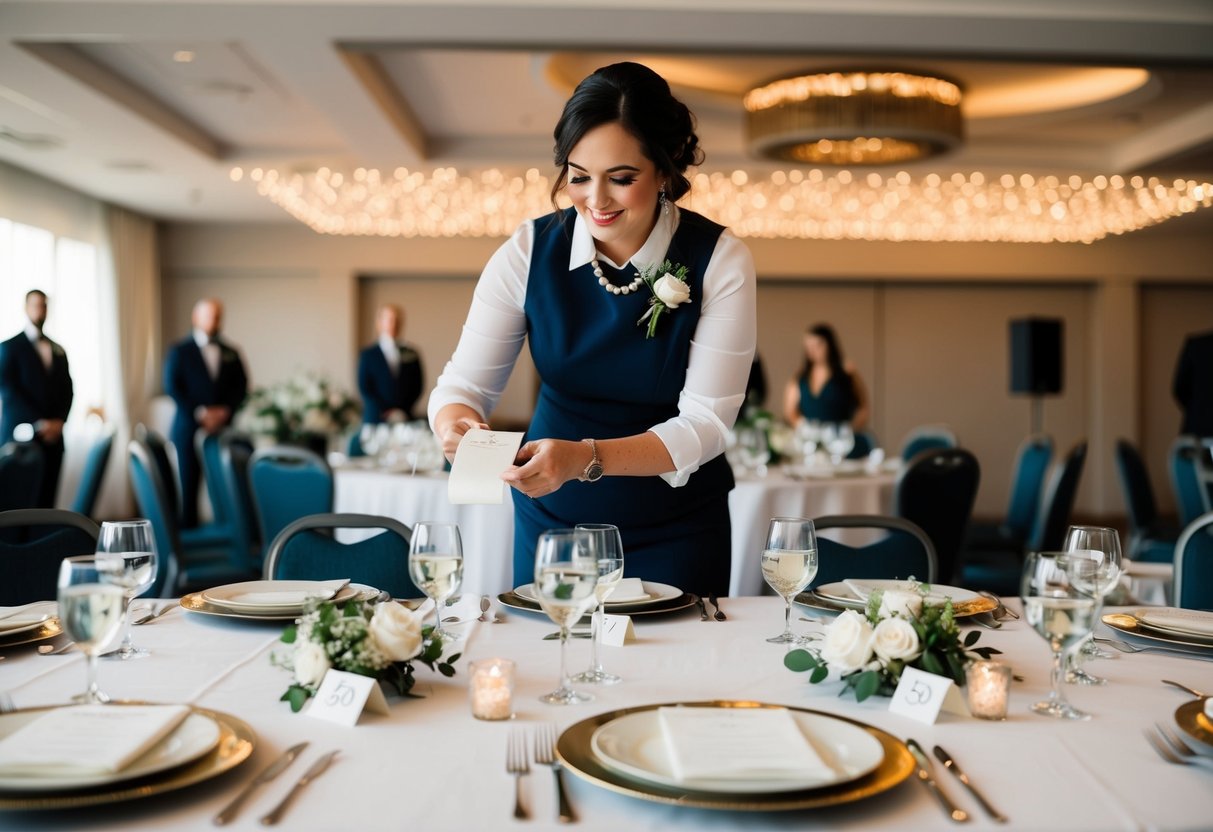
When planning your wedding, understanding how to calculate your guest count is essential. This includes more than just listing names; it involves knowing who to include in your total number for the final headcount. Here are some key factors to consider.
Including the Bridal Party
Your bridal party is a big part of your special day. Typically, you should include them in your guest count because they play an important role in the ceremony and reception.
To calculate this, note how many bridesmaids and groomsmen you plan to have. Don’t forget about any additional roles, like flower girls or ring bearers.
For example, if you have 5 bridesmaids and 5 groomsmen, that adds up to 10 people. Including them in your guest list helps you create a balanced seating chart and ensures everyone is accounted for when arranging meals.
Accounting for Immediate Family and Close Friends
Immediate family and close friends are also crucial to your wedding day experience. Their presence is often expected, making them essential parts of your guest count.
Start by listing your parents, siblings, and their families. It’s a good idea to ask about any additional close relatives or friends you’d like to invite.
For instance, if you have 4 immediate family members and 6 close friends, that’s 10 spots filled. This step helps ensure that the people who matter most to you are included in the celebration and makes for a smoother planning process.
Estimating Out-of-Town Versus Local Guests
Estimating your out-of-town versus local guests helps give a clearer picture of your total guest count. Guests who travel for your wedding may need accommodations, which can affect planning.
First, consider the number of friends and family living far away. Then, think about how many local guests you expect to attend.
For example, if you estimate 15 out-of-town guests and 35 local guests, your guest count currently sits at 50. Knowing these numbers will help with logistics, such as seating arrangements and catering decisions, making your wedding day as enjoyable as possible for everyone.
Guest List Considerations and Etiquette
When planning your wedding guest list, it’s essential to think about the balance between both families and how to manage additional guests. Understanding these elements will help you create a thoughtful and enjoyable experience for everyone.
Balancing Guest Lists from Both Sides
To ensure fairness, consider dividing your guest list into sections based on family and friends. A common approach is to separate it into three parts:
- Bride’s family: One-third of the guest list.
- Groom’s family: One-third of the guest list.
- Couple’s friends: The remaining third.
This method keeps the planning process organized and prevents any one side from feeling left out. Remember to discuss with both families about inviting mutual friends, which can help build unity.
Make sure to communicate openly if there are any disagreements over guests. Clear dialogue will ease tension and maintain harmony during the planning stages.
Managing Plus-Ones and Children
Deciding on plus-ones and whether to include children can add complexity to your guest list. It’s important to set clear guidelines.
-
Plus-Ones: If you’re comfortable with guests bringing a companion, consider limiting plus-ones to partners or significant others. This helps control the total number of attendees while ensuring your friends feel supported.
-
Children: Decide if you will invite children from your guests. If you choose not to, inform guests in advance. A polite note can help set expectations.
Ultimately, creating a comfortable atmosphere is key. You want everyone to feel welcome without overwhelming your venue capacity.
Seating Chart Strategies
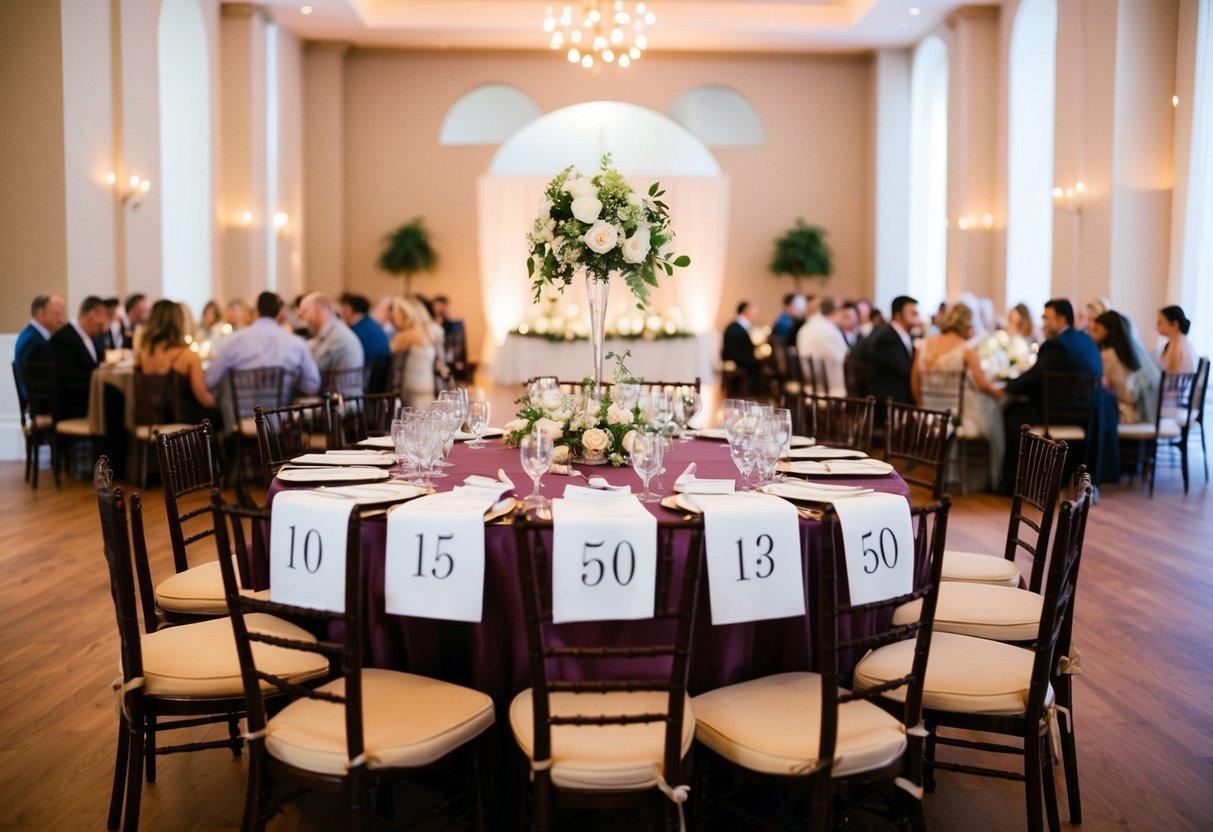
Planning your seating chart is essential for creating a pleasant atmosphere. A thoughtful layout and clear seat assignments can help guests feel comfortable and encourage meaningful interactions. Here are key strategies to consider as you organize your wedding seating arrangements.
Creating a Cohesive Layout
Start by visualizing the space where your reception will take place. Consider the shape of the tables and how they fit together. It’s often best to create a mix of large and small tables to encourage conversation.
You might want a focal point, like a head table for you and your partner. Arrange tables so guests can see you while enjoying their meal. Label your tables clearly to avoid confusion.
Think about grouping guests based on their relationships. This helps create a cozy atmosphere and makes mingling easier. As you plan, consider your final headcount to ensure every guest has a seat.
Assigning Seats for a Smooth Celebration
When assigning seats, think about the dynamics of your guest list. Place relatives and close friends together, but be mindful of any potential conflicts. You can use a seating chart to outline specific arrangements.
Consider creating a sweetheart table for just you and your partner. This can provide an intimate space while allowing guests to sit together. If your guest list is large, clearly label each table to simplify seating arrangements.
You might also provide a seating card for each guest. This ensures everyone knows where to go and helps prevent chaos as guests arrive. Planning these details makes for a memorable, stress-free celebration for you and your loved ones.
Deciding on the Size of Your Wedding
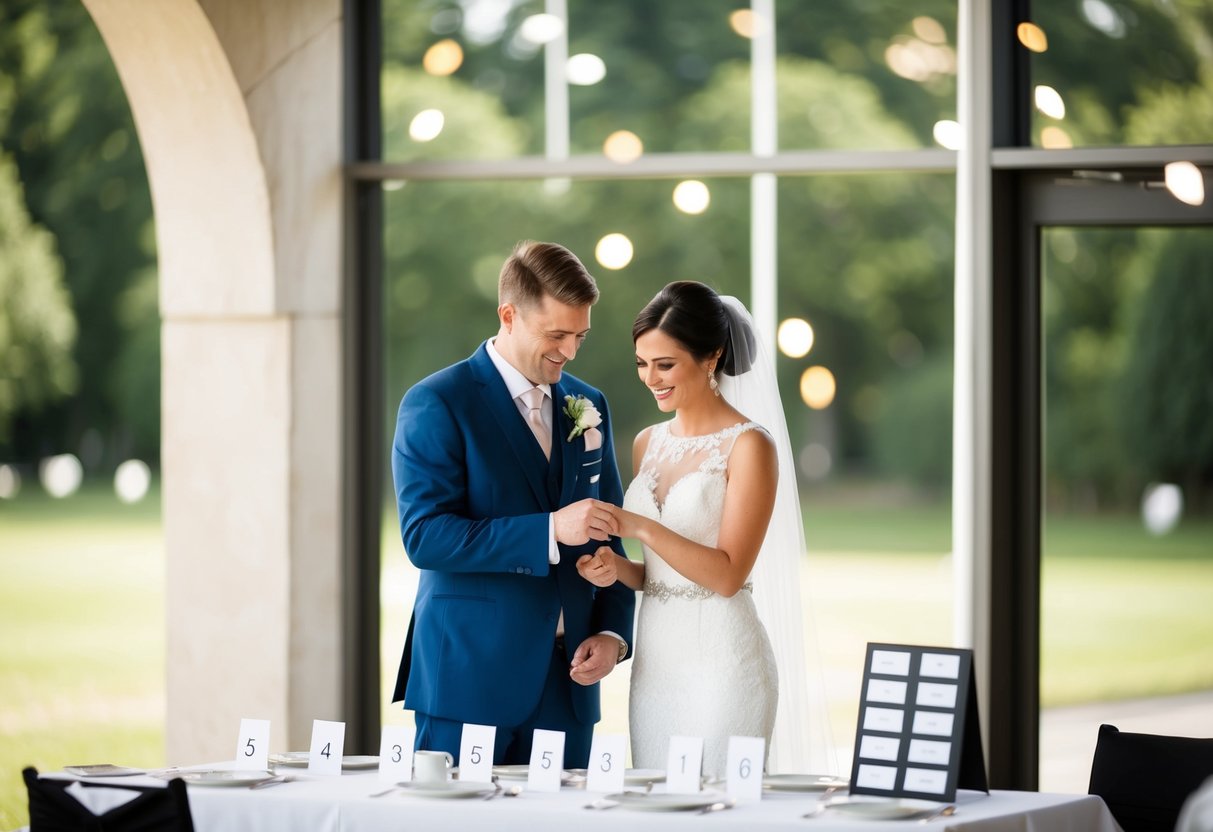
Choosing the size of your wedding is an important decision. It can affect everything from your guest list to your budget and venue. Let’s look at how to navigate this choice.
Opting for a Small or Large Wedding
A small wedding usually has under 50 guests. This intimate gathering allows you to connect more closely with those you care about. It creates a cozy atmosphere, making your special day feel personal. You can even consider elopement if you want something very private.
On the other hand, if you envision a large wedding with over 150 guests, you will have a big celebration. This can include all your friends, extended family, and maybe even colleagues. Keep in mind that larger weddings might require more planning but can create a lively atmosphere.
When considering your wedding party, keep in mind the number of attendants you want. A small wedding might need fewer people in the wedding party, while a larger event could accommodate more.
Considering Venue and Budget
The venue you choose plays a major role in your wedding size. Some places are ideal for small weddings, while others can host large gatherings.
Look for venues that fit your style and can comfortably hold your expected guests.
Your budget is crucial here, too. Costs per person can add up quickly when you consider food and drink.
A smaller guest list allows for higher quality catering and a more personalized experience.
Remember to balance your dream wedding with what you can afford. You don’t want to stretch your budget too thin.
Prioritize what’s most important to you and your partner, so your wedding reflects your wishes.