
Do All Flowers Have to Match for a Wedding? Finding the Perfect Floral Harmony
Choosing flowers for your wedding can feel overwhelming, especially when considering whether they all need to match. However, you don’t have to make all your wedding flowers match to create a beautiful and cohesive look. Your personal style can shine through with a mix of colors and types that reflect your unique taste.
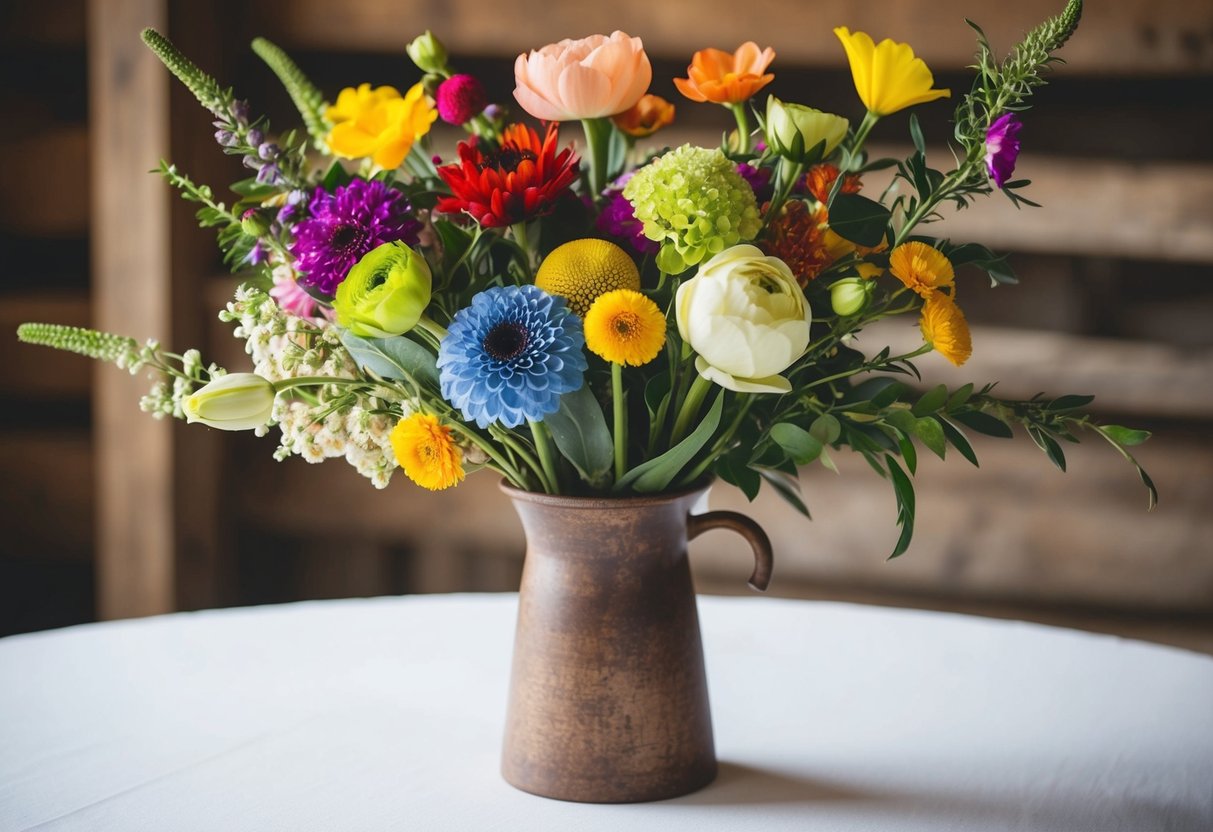
Many couples are embracing diverse palettes that add character to their big day. Mixing different shades or even opting for different flower varieties can bring a fresh and modern touch to your wedding decor. This approach allows you to stay true to your vision while still creating harmony in your floral arrangements.
By exploring various floral options, you can ensure your wedding flowers enhance the overall aesthetic of your event without being strictly uniform. This freedom can lead to more creativity and fun in your planning process, making your special day even more memorable.
Determining Your Wedding Style and Theme
Choosing flowers for your wedding is closely tied to your overall wedding style and theme. Understanding how your color palette, seasonal blooms, and floral designer fit into the mix will help you create a beautiful visual story.
Selecting Your Color Palette
Your color palette sets the tone for your wedding. Think about the mood you want to create. Popular choices include soft pastels for a romantic feel or vibrant colors for a fun atmosphere.
When selecting colors, consider the season. For spring, think about using light pinks and greens. In fall, deep reds and oranges can make a stunning impact. You can also opt for a mix of shades within the same color family for depth. This helps your flowers work seamlessly with your wedding decor.
Incorporating Seasonal Blooms
Seasonal blooms not only add freshness but also enhance the theme of your wedding. They are often more affordable and easier to find, making them a smart choice.
For a spring wedding, consider tulips or peonies. Summer offers options like sunflowers and daffodils. Autumn weddings can feature chrysanthemums and dahlias. Winter weddings can include evergreens or amaryllis for a festive touch.
Incorporating these blooms connects your flowers to the natural beauty of the season. It also keeps your floral design cohesive and engaging for your guests.
Understanding the Role of a Floral Designer
A floral designer plays a key role in bringing your vision to life. Working with a professional can streamline the process of choosing the right blooms. They will help blend your color palette and seasonal flowers into cohesive arrangements.
Discuss your wedding style with your floral designer. Whether you want elegant arches or simple bouquets, they can guide your choices. Their expertise can transform your ideas into a gorgeous reality that complements your wedding decor.
By collaborating closely, you can create stunning floral displays that tell your unique visual story and enhance your special day.
Floral Arrangements and Bouquets
Creating beautiful floral arrangements and bouquets is essential for your wedding’s overall look. You can mix and match flowers to enhance the harmony of your day. Here are key ideas for creating stunning floral designs that complement your wedding theme.
Creating a Harmonious Look
When planning your floral arrangements, focus on how they will work together. Use flowers that share similar colors but differ in shades, textures, and shapes. For instance, combining light pink roses with deeper magenta blooms can create a lovely gradient effect.
Consider using greens, such as eucalyptus or ferns, to add dimension. Choose centerpieces that reflect your bridal bouquet to maintain a cohesive feel throughout the venue. You want guests to see a consistent theme without everything being identical.
Bouquet Style to Complement the Wedding Dress
Your bridal bouquet should enhance your wedding dress, not compete with it. If your dress is intricate or heavily detailed, consider a simpler bouquet with fewer blooms. A cascading bouquet might match well with a flowing gown, while a round bouquet suits structured dresses nicely.
Pay attention to the colors and patterns in your dress. If you have delicate lace or beading, your flowers can echo those elements. This creates a beautiful connection between your dress and the floral arrangements, making both stand out.
Matching Bridesmaid Bouquets with Dresses
Bridesmaid bouquets should complement their dresses while also coordinating with your bridal bouquet. You can choose a style similar to yours but vary the types of flowers or colors. For instance, if your bouquet is a mix of peonies and lilies, the bridesmaids could carry bouquets filled with just peonies.
It’s important to think about the sizes too. Bridesmaid bouquets can be slightly smaller than yours. This helps to highlight you on your special day. Make sure the colors of their bouquets align with the bridesmaid dresses. Soft pastels or vibrant hues can pull the entire look together beautifully.
The Practicalities of Wedding Florals
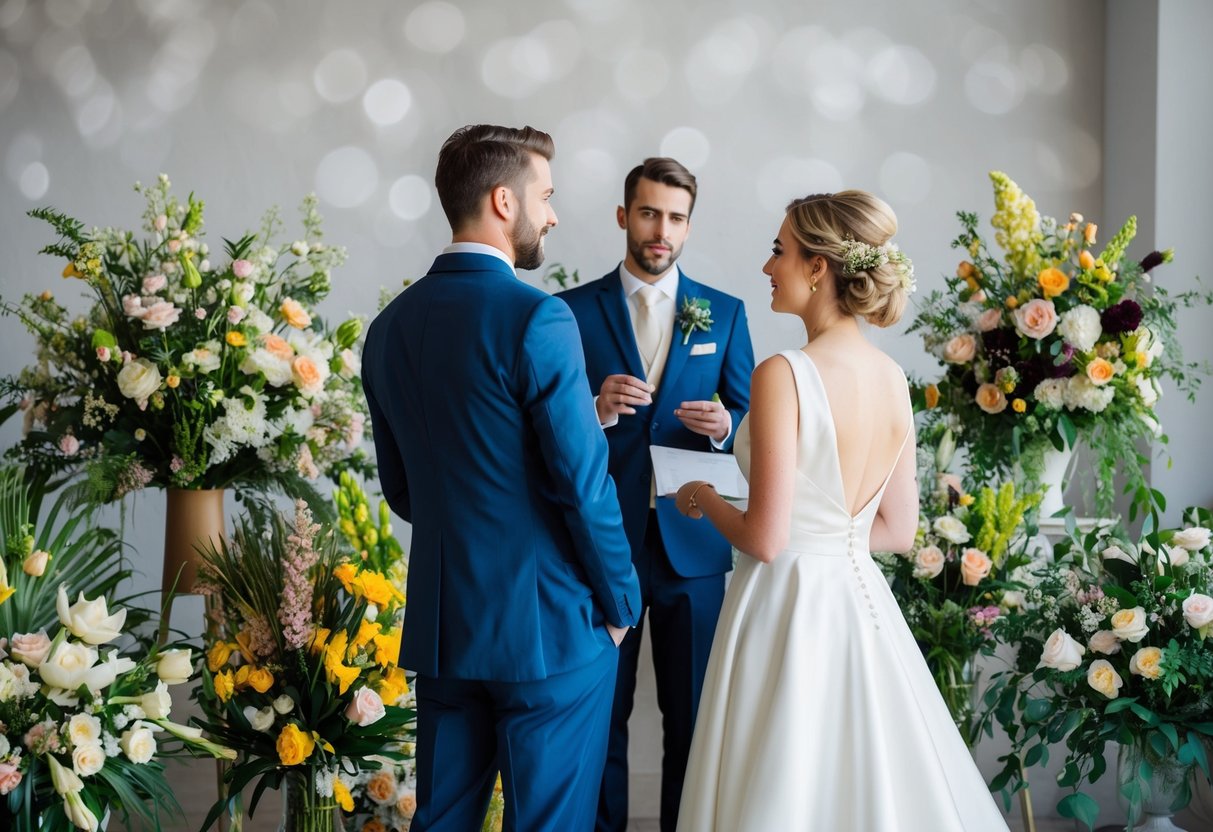
Selecting flowers for your wedding involves several important factors. You’ll want to consider hiring a professional florist, how your venue influences flower choices, and how to achieve color harmony throughout your décor.
Working with a Professional Florist
Choosing a professional florist can make a big difference in your wedding planning. A skilled wedding florist understands how to create arrangements that fit your vision. They can help you select flowers that not only match but also complement your chosen color palette.
When working with a florist, be open about your style and budget. Share any inspirations or ideas you have. They can help you design stunning wedding centerpieces and bouquets that highlight the unique theme of your wedding celebration.
Considering the Venue and Overall Decor
Your venue plays a crucial role in your floral choices. Different locations have distinct atmospheres that may influence your flower selection. Whether you’re in a garden, a ballroom, or a rustic barn, the surroundings should enhance your floral arrangements.
Consider how the flowers will blend with existing décor. For example, if your venue features warm wood tones, consider flowers that offer contrast, like deep reds or vibrant oranges. This approach can help your wedding flowers stand out while still feeling like part of the overall décor.
Achieving Colour Harmony
Color harmony is key to making sure your flowers look great on your special day. You want your flowers to connect with the overall color palette of your wedding.
Consider using varying shades of the same color to create depth or adding accents that highlight key colors in your theme.
Mixing different types of flowers can also achieve visual interest without clashing. For example, combining roses with wildflowers in similar tones creates a lovely and cohesive look.
Your goal is to create a seamless flow that ties everything together, from the bridal bouquets to the wedding party flowers.