
Do All RSVPs Show Up? Understanding Response Rates for Your Event
Planning an event can be exciting, but it often comes with its worries too. You may wonder if all your RSVPed guests will actually show up.
On average, about 60 percent of confirmed guests typically attend, while close friends and family can see a turnout as high as 75 percent.

Every event is unique, so understanding attendance percentages can help set your expectations. Life happens, and sometimes guests have last-minute changes that keep them from attending. This reality can be tough, but knowing the numbers can help you prepare better.
Being proactive about your RSVPs can ease some of that worry. Asking guests to confirm their attendance early can give you a more accurate headcount. This way, you can focus less on who might not show and more on enjoying your special day with those who do.
Understanding RSVP Etiquette

RSVP etiquette is important for both hosts and guests. Knowing how to properly respond to invitations helps ensure events run smoothly. Understanding the basics and the need for timely replies can enhance everyone’s experience.
Basics of RSVP Requests
When you receive an event invitation, it often includes an RSVP request. This usually comes in the form of a card or an online RSVP form. It’s polite to respond whether you can attend or not.
-
Check the Details: Make sure to read the invitation carefully. Look for the date by which you need to respond.
-
Respond Promptly: If you can attend, indicate your acceptance. If you cannot, let the host know as well.
Ignoring the RSVP can create extra work for the host, who may be trying to finalize plans based on your response. Proper etiquette respects their time and effort.
Importance of Timely Responses
Timeliness in RSVPing is crucial. When you reply quickly, you help the host plan better. This is especially important for catering and seating arrangements.
-
Avoid Last-Minute Changes: Responding late can lead to confusion and might even affect the event’s overall success.
-
Consider the Host’s Needs: Your prompt RSVP shows appreciation and consideration for their hard work.
When it comes to event invitations, timely responses show respect. They also help create a positive atmosphere for everyone involved.
Planning for Attendance

Planning for attendance is vital when organizing any event, especially a wedding. You want to ensure that your guest list and seating arrangements work smoothly. Understanding how to manage RSVPs effectively will help make your wedding day joyful for you and your guests.
Creating a Comprehensive Guest List
Start by compiling a detailed guest list. Include everyone you want to invite, from close friends to distant relatives. This list will serve as the foundation for your wedding invitations.
When making the list, consider categories such as family, friends, and coworkers. This helps in organizing guests into groups for better seating.
Don’t forget to collect addresses and contact information. This will make sending out invitations easier and more efficient. Aim for clarity and accuracy to avoid confusion later.
Managing the Guest Count
Once your invitations are sent, managing your guest count is crucial. Use an RSVP system to track responses. This could be through online forms or traditional response cards.
Expecting a 100% turnout is risky, as not everyone who RSVPs will show up. It’s wise to plan for about 70-90% of your invitees. This balance can prevent issues with food and seating.
Keep a running tally of responses. Update your master guest list regularly to maintain accurate numbers. This helps in making necessary adjustments as the date approaches.
Designing the Seating Chart
Creating a seating chart is an essential part of your wedding planning. A well-designed chart ensures that guests feel comfortable and enjoy the event.
Start by grouping guests who know each other. This encourages conversation and connection. Consider dynamics, such as groups with shared interests or family ties.
Make adjustments based on RSVPs. If you have unexpected guests, having a flexible seating plan will help. Use tools like seating chart software or simple spreadsheets to visualize arrangements.
Dealing with No-Shows and Follow-Ups

When planning an event, dealing with no-shows can be frustrating. However, knowing how to expect them and effectively follow up with guests can help manage the situation.
Expecting and Addressing No-Shows
It’s important to recognize that no-shows can happen for various reasons. Guests may have last-minute emergencies, forgetfulness, or simply hesitate to say no.
To prepare for potential no-shows, consider sending reminders. A week before your event, reach out with a friendly message to confirm attendance. This can help remind your guests about the wedding reception and also gauge if anyone cannot make it.
You might also want to include a line encouraging guests to let you know if their plans change. Clear communication can make a big difference in reducing no-shows.
The Art of Follow-up with Guests
Following up after sending invites is key to staying connected. A simple call or message asking if guests will attend can help.
For wedding guests, express your excitement and share details about the event. This helps build anticipation and commitment to show up.
If someone indicates they can’t attend, ask why. Understanding the reasons can guide you in planning future events. You could also create a small survey to gather feedback on your invites and how to improve attendance.
Keeping a positive tone during follow-ups can make guests feel valued and more likely to respond. These personal touches show you care, creating a stronger bond and encouraging attendance.
Special Considerations for Wedding Events
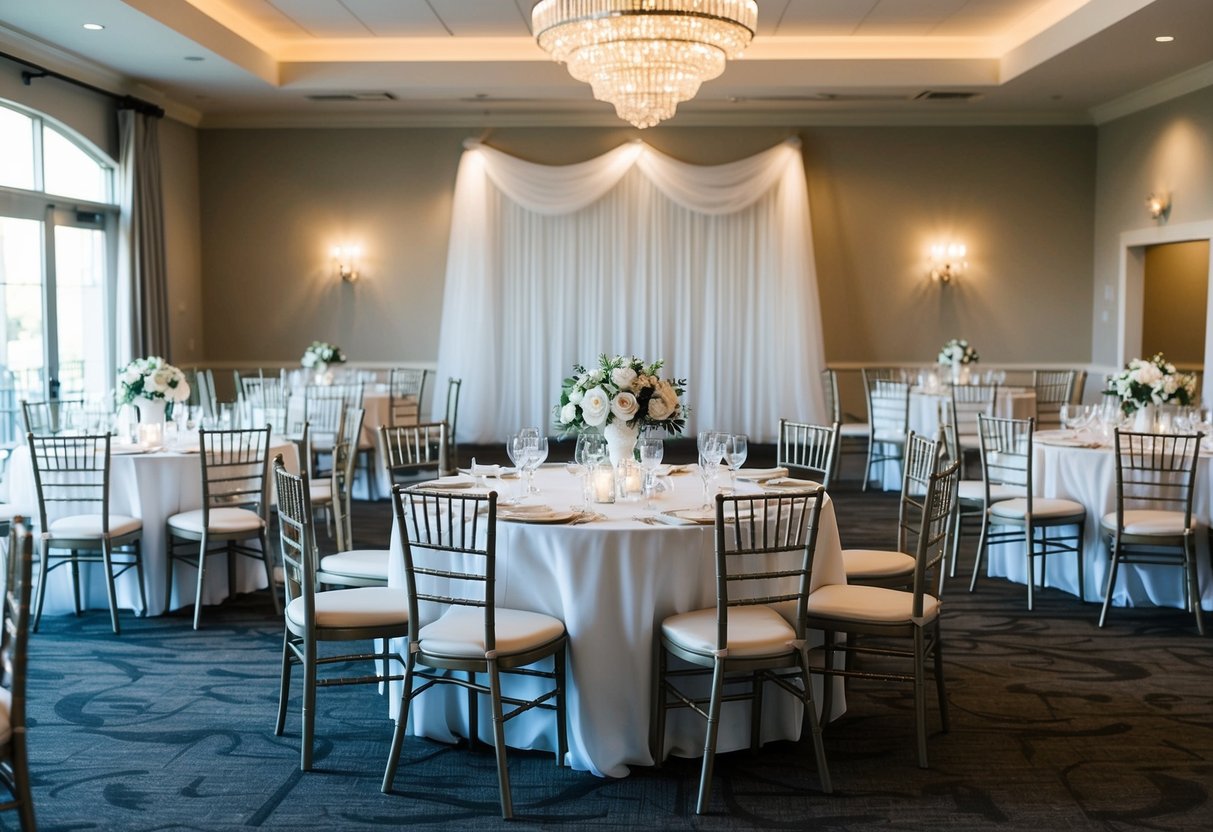
When planning your wedding, it’s crucial to account for unique details that may affect your guests’ experience. Special circumstances like destination weddings or post-wedding activities can impact RSVP outcomes and attendance.
Destination Wedding Logistics
If you’re having a destination wedding, logistics become more complex. You should provide all the necessary information on your wedding website. Include details like travel options, accommodation recommendations, and local attractions.
Encourage guests to RSVP early since travel plans can be costly. Clearly outline deadlines so that they have enough time to book flights and rooms. Consider creating a group rate with nearby hotels for better pricing.
You may also want to mention any travel restrictions or health guidelines. Being transparent about logistics helps ensure your guests feel prepared and excited to celebrate with you.
Handling Post-Wedding Events
After the main event, you can consider hosting a post-wedding brunch or gathering. This is a great way to reconnect with your guests and thank them for attending.
When planning, let guests know about these events through your wedding website. Make it clear whether the brunch requires an RSVP.
If you’re having a brunch, include menu options, location details, and any costs involved. This way, you can keep your guests informed and enhance their experience. It also shows your appreciation for their presence.
Don’t forget to ask about dietary restrictions during the RSVP process. This ensures everyone can enjoy the meal and feel included in the festivities.