
Do All Weddings Have a Rehearsal? Exploring the Importance of Wedding Previews
When planning a wedding, you might wonder if a wedding rehearsal is necessary. Not all weddings require a rehearsal, especially if your ceremony is small and simple. For many couples, a formal rehearsal offers a chance to practice the ceremony, helping everyone feel more comfortable on the big day.
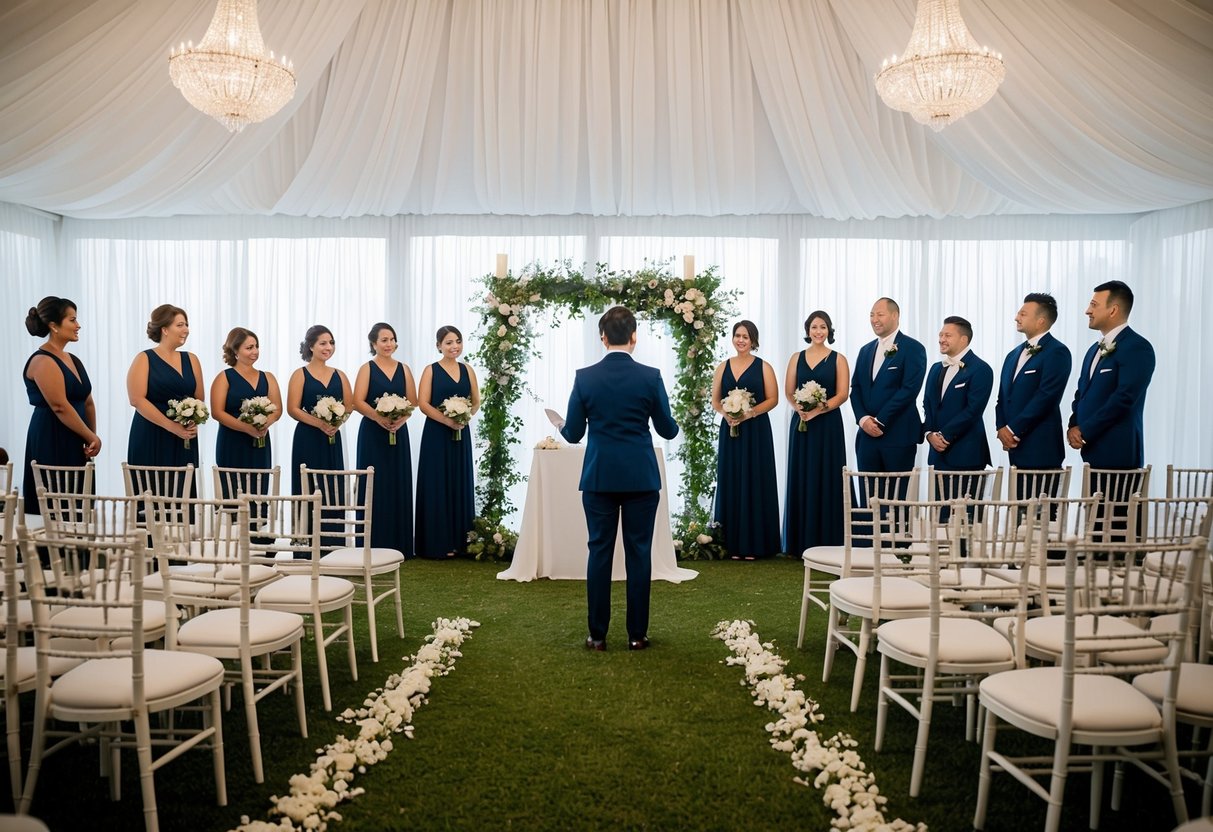
If you have a larger wedding party or special traditions in your ceremony, holding a rehearsal can be beneficial. It provides an opportunity to clarify roles and make sure everyone knows what to expect, reducing stress as the wedding day approaches.
You can gather your wedding party, family members, and officiant to walk through the events.
Understanding Wedding Rehearsals
Wedding rehearsals are important events that help make the ceremony run smoothly. They allow everyone involved to practice their roles and understand the flow of the day. From the officiant to the wedding party, each participant has a key role.
Purpose of the Rehearsal
The main purpose of a wedding rehearsal is to practice the ceremony. You’ll run through the processional, where the wedding party walks down the aisle. This helps everyone get comfortable with their positions and timing.
The rehearsal also gives you a chance to fix any potential issues. You can discuss details like where the musicians will be positioned and how the ring bearer and flower girl will act. This practice helps create a truly memorable experience.
Key Participants
Several key participants are involved in the rehearsal. First, the officiant plays a crucial role in leading the practice. They will guide you through each part of the ceremony.
The wedding party, which includes bridesmaids, groomsmen, the ring bearer, and flower girl, will also participate. Ushers are important too, as they’ll learn how to help guests find their seats. You may also want musicians there to practice their cues for the processional and recessional.
Typical Rehearsal Activities
During the rehearsal, you will go through the entire ceremony step-by-step. Start with the processional, practicing how everyone enters and takes their places. Make sure the ring bearer and flower girl know their roles well.
Next, review any readings or special music. Discuss how long each segment will last and how everyone should line up for the recessional. This time allows for questions and ensures everyone feels prepared and comfortable for the big day.
Planning the Rehearsal
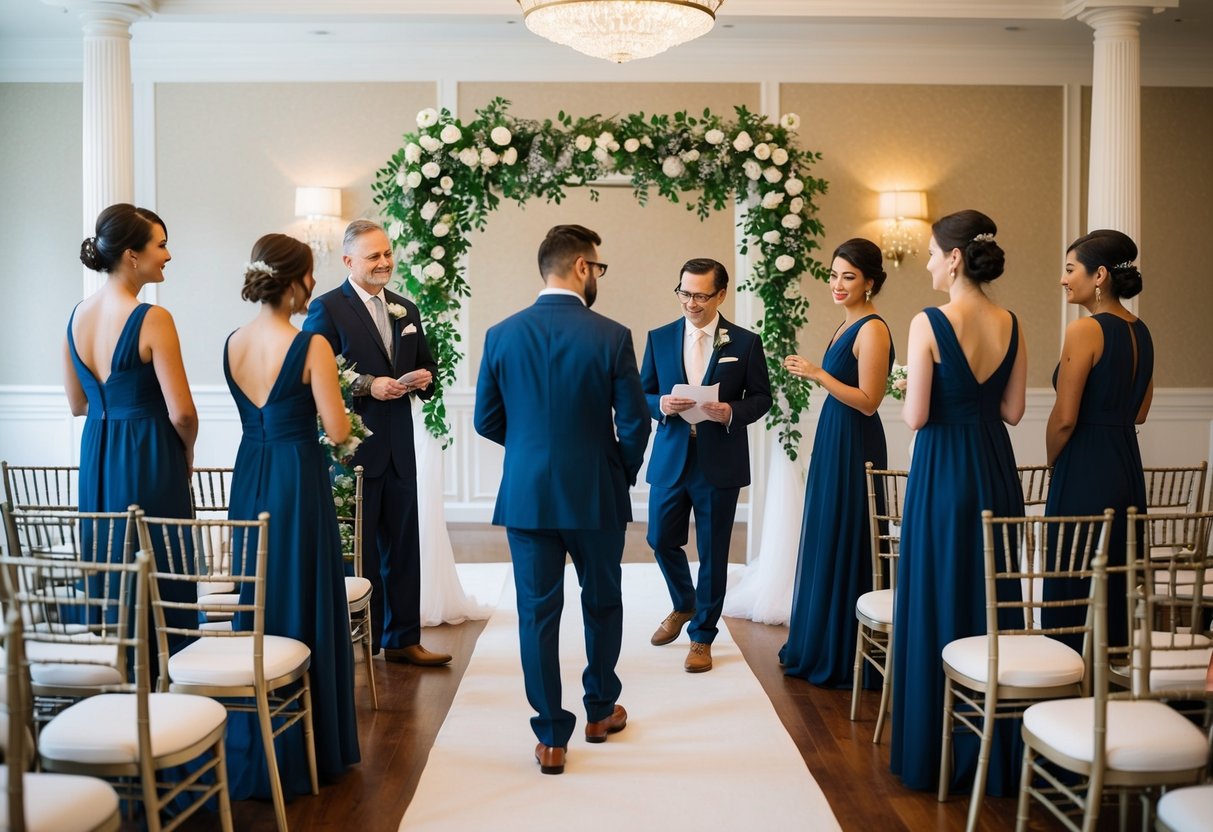
When planning your wedding rehearsal, you’ll want to consider the location, schedule, and the roles of any involved parties. Each detail matters to ensure everything goes smoothly for your big day.
Selecting the Rehearsal Location
Choosing the right location for your rehearsal is essential. Typically, this will be at your ceremony venue. It helps everyone get familiar with the space.
Communicate with the venue manager to reserve a time. Most couples prefer to rehearse the day before the wedding, so coordinate this well in advance.
Be sure to check if there are any restrictions on the use of the space. If you’re using a different location, ensure it replicates the environment of your actual ceremony. This familiarity will make everyone feel more comfortable.
Creating a Rehearsal Schedule
Having a clear rehearsal schedule helps everyone know what to expect. Start by determining how much time you’ll need. Usually, 30 to 40 minutes is sufficient for a typical ceremony.
You can break the rehearsal into steps: walk-throughs, practice scripts, and timing for different parts. Send this schedule to all participants, including your wedding planner and rehearsal coordinator.
Include specific times for each part of the rehearsal so people can be punctual. This communication helps reduce confusion and delays, making the rehearsal more efficient and enjoyable.
Role of the Wedding Planner
Your wedding planner plays a big part in making the rehearsal go smoothly. They help coordinate everything, so you can focus on practicing.
If you have a day-of coordinator, ensure they attend to assist with the rehearsal. They’ll manage the flow of the event and keep everyone on task.
Discuss your expectations with your planner ahead of time. Share specific roles for important participants like bridesmaids and groomsmen. Clear communication about these roles ensures everyone knows their responsibilities during the rehearsal.
The Rehearsal Dinner
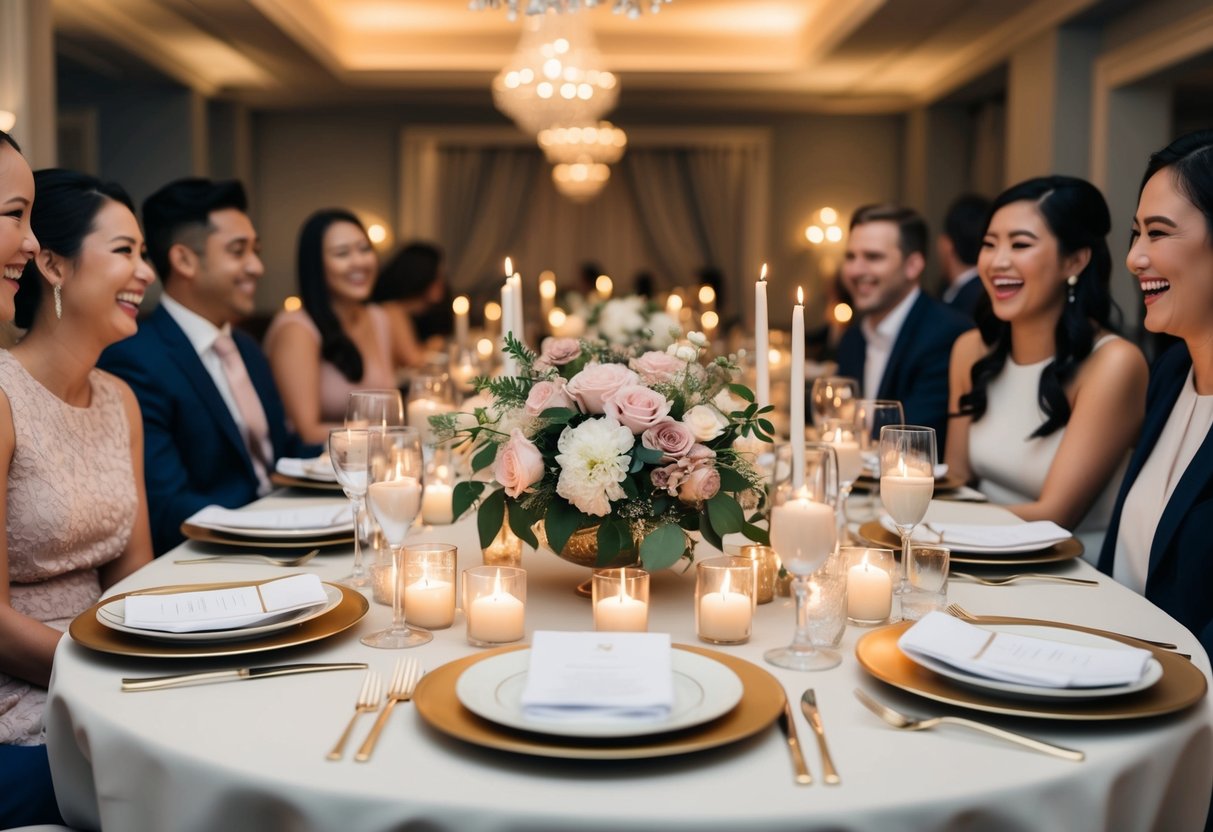
The rehearsal dinner is an important part of your wedding weekend. It sets the stage for the big day ahead, bringing together close family and friends in a relaxed setting. Here’s what you need to know to make it special.
Setting the Tone for the Wedding Weekend
The rehearsal dinner serves as a warm-up for the wedding celebration. It’s typically held the night before the wedding and allows everyone involved to unwind. This event helps everyone feel more comfortable with each other, especially the bridesmaids and groomsmen who will play key roles the next day.
Choose a venue that reflects your style, whether it’s a casual backyard gathering or a formal restaurant. The atmosphere should be welcoming and enjoyable. If possible, include personal touches like a slideshow of memories or a fun toast to start the festivities.
Organizing the Dinner
Organizing the rehearsal dinner involves several steps. Start by deciding on a date, which is usually set for the evening before the wedding. Next, choose a location that fits your budget and theme.
Consider the guest list carefully. Typically, it includes immediate family, the bridal party, and close friends. This is a time for intimate conversation, so keep the guest count manageable.
Don’t forget about food! A sit-down dinner or buffet can work well, depending on your style. Incorporating favorite dishes or local cuisine can add a personal touch.
Invitations and Guest Management
When it comes to rehearsal dinner invitations, you can choose to send formal invites or keep it casual with a group message. Make sure to emphasize that this gathering is a warm-up for the wedding.
Managing guest responses is key. Use RSVP tools or apps that help track who’s coming. It’s polite to remind guests of any dietary restrictions they may have.
Lastly, make sure everyone knows where and when to gather. Clear communication will help everyone feel included and excited for the wedding weekend ahead.
Day-Before Wedding Preparations
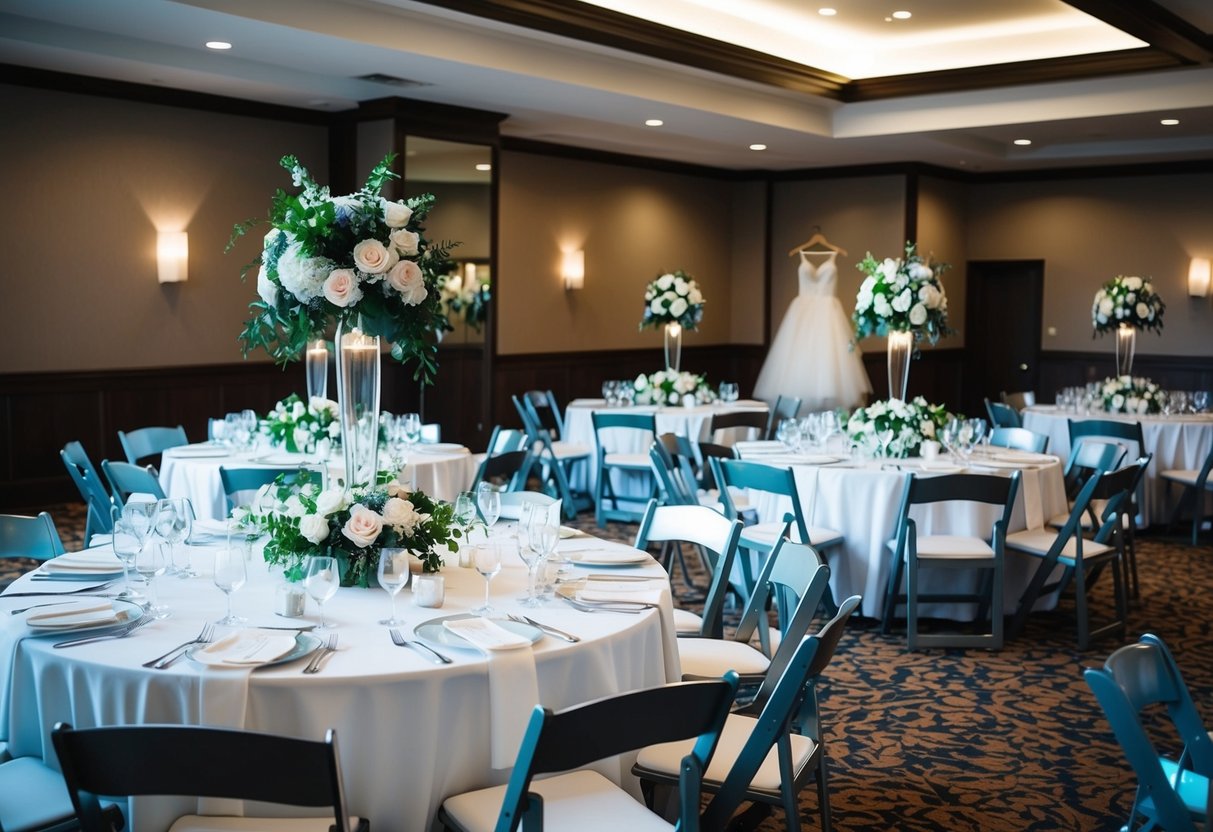
As the big day approaches, you want to be sure all the details are in order. Preparing the day before can help ease your mind and ensure everything runs smoothly on your wedding day.
Finalizing Wedding Day Details
On the day before your wedding, focusing on the final touches is essential. Gather your bridal party, including your bridesmaids, to review schedules and roles for the ceremony. This is a great time to assign specific tasks to each member so everyone knows what to expect.
Make a checklist of essential items to bring, such as the wedding bands, rings, and personal belongings. Have a conversation with your wedding coordinator to ensure all arrangements are on track, from the venue setup to vendor arrivals. Confirm any last-minute changes and double-check timing to avoid issues.
Managing Pre-Wedding Jitters
Feeling pre-wedding jitters is common as the day gets closer. Try to set aside some time for relaxation with your bridal party.
Engage in fun activities, like a spa day or a movie night, to help ease tension.
Communicating with your wedding coordinator can also help. They can address any concerns you might have about the day’s logistics.
Consider practicing deep breathing or meditation techniques to calm your nerves. Remember, it’s okay to feel anxious; embracing those feelings can help you enjoy the moment even more.