
Do Aunts and Uncles Come to Rehearsal Dinner? Exploring Family Involvement in Wedding Celebrations
Planning a wedding involves many decisions. One of them is deciding who should be invited to the rehearsal dinner. This gathering is a special time for family members and the bridal party to come together before the big day. Aunts and uncles can certainly be invited if you feel close to them or if they are involved in the wedding.
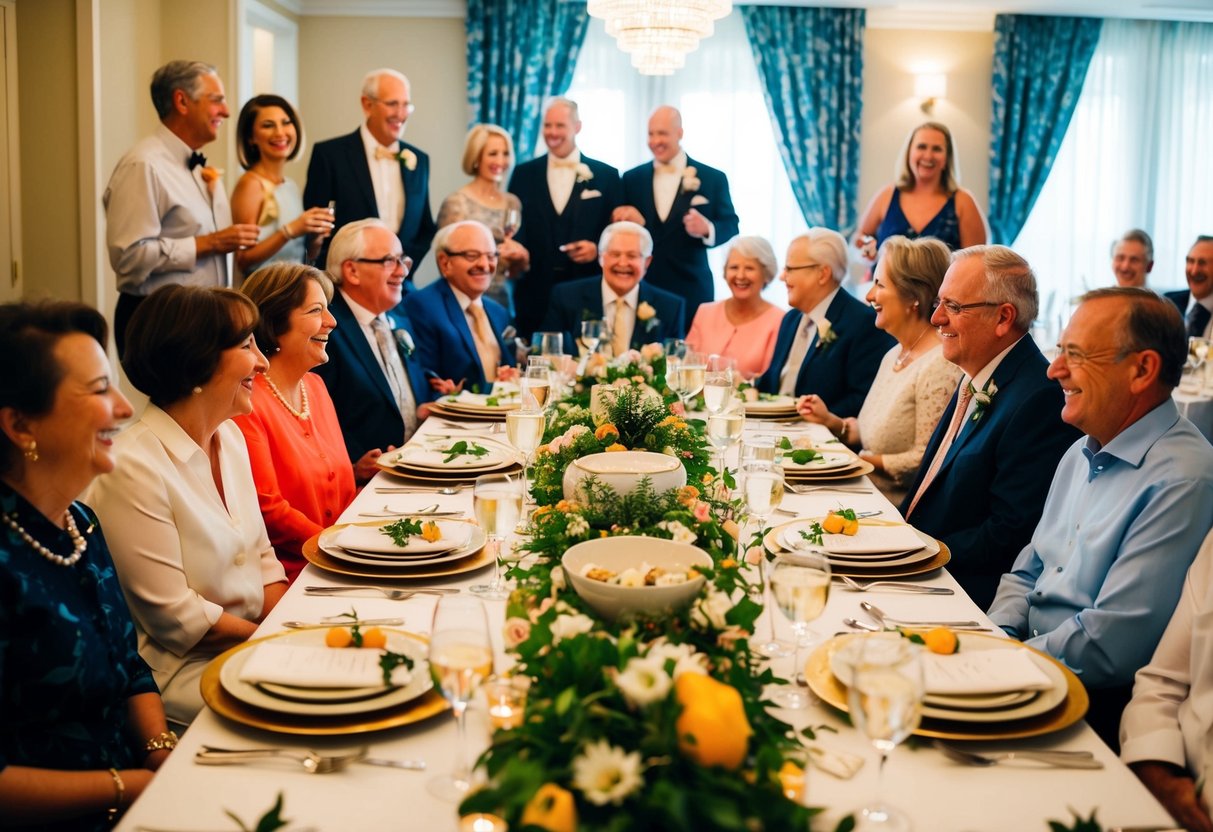
Including these family members can help make the event feel more personal and engaging. It allows everyone to connect and celebrate in a relaxed setting. You want your rehearsal dinner to be memorable, and having aunts and uncles there can add to the joy and support around your wedding celebration.
If you’re unsure about the guest list, consider your relationships with your extended family. This can guide you in deciding whether to send an invitation to aunts and uncles. Remember, it’s about creating a welcoming atmosphere for those who matter most to you.
Understanding the Rehearsal Dinner

The rehearsal dinner is an important event that welcomes family and friends before your wedding day. It serves as a moment to relax and bond with those closest to you. This section covers its significance and how to invite guests properly.
Significance of the Rehearsal Dinner
The rehearsal dinner typically takes place after the wedding rehearsal. This gathering allows everyone involved in the wedding to connect and share in the excitement.
The immediate family members, wedding party, and officiant often attend. This helps everyone feel more comfortable before the big day.
Additionally, it’s a chance to express gratitude. You can thank those who played key roles in your journey. By honoring friends and family, you create a warm atmosphere filled with love and support.
Invitation Etiquette and Guest List Composition
When planning your guest list, be mindful of who to invite. Generally, you should include close family, the wedding party, and sometimes close friends.
Including aunts and uncles can enhance the event’s intimacy. They often play important roles in your life and adding them shows appreciation for their support.
Be careful not to exceed your budget. More guests means higher costs. Consider the venue size and overall atmosphere you want.
Ensure your guest list aligns with your vision for the event. Creating a comfortable setting helps everyone enjoy themselves and strengthen bonds before the wedding day.
Determining the Invitees

Choosing who to invite to your rehearsal dinner is an important decision. You want to create a welcoming atmosphere for those closest to you while considering family dynamics and special circumstances. Here are key aspects to consider.
Immediate vs. Extended Family
Start by focusing on your immediate family. This includes your parents, siblings, and any children involved in the wedding. They play a primary role in your wedding journey.
Next, consider your extended family. This group often includes aunts, uncles, and cousins. If you have a close relationship with certain aunts and uncles, it’s appropriate to invite them. You can create a balance by inviting those who make your wedding party feel supported.
Special Considerations for Out-of-Town Guests
Out-of-town guests should be a priority on your list. If family members are traveling specifically for the wedding, inviting them to the rehearsal dinner shows that you value their presence.
Make sure to include those who might not know others attending. A welcoming environment can help them connect with family and friends before the big day.
Offering a chance to mingle can ease their nerves and make the wedding celebration even more enjoyable.
Role of Personal Preferences and Family Dynamics
Your personal preferences play a significant role in your invite list. Consider whose presence matters most to you and your partner.
Family dynamics can also influence your choices. If you have a complicated relationship with certain relatives, think carefully before inviting them. You want the dinner to be an enjoyable experience for everyone involved.
Creating a list based on these factors can help you keep things organized and meaningful. Aim for a gathering that feels right for both of you.
Planning Tips for a Memorable Rehearsal Dinner

Creating a memorable rehearsal dinner involves careful planning in several key areas. You’ll want to keep budgeting in mind, choose the right venue, and think about seating arrangements to make everyone feel comfortable and included.
Budgeting for the Event
Start by setting a clear budget for your rehearsal dinner. Decide how much you are willing to spend and allocate funds for different categories like food, drinks, venue, and decorations.
You may want to look for cost-effective options. For instance, a backyard BBQ can be a charming and affordable alternative to a more formal setting.
Don’t forget about potential unexpected expenses. Setting aside a small portion of your budget—around 10%—for surprises can help you stay on track. Consulting with a wedding planner may help you discover ways to maximize your budget.
Selecting the Venue and Creating Ambiance
Choosing the right venue is crucial for setting the mood of your rehearsal dinner. Think about locations that feel personal and intimate, such as a family member’s home, a favorite restaurant, or a local park.
Once you’ve selected a venue, focus on creating a warm ambiance. Use simple decorations like string lights, flowers, or themed table settings.
You can also create a fun vibe with background music that fits your style. This attention to details helps make the evening feel special.
Rehearsal Dinner Seating Chart and Arrangements
Planning the seating chart is essential for ensuring everyone feels comfortable during the dinner. Think about how family dynamics may affect seating.
Mix different groups—like friends and family members—to encourage conversation. You can create a welcoming environment by placing name cards at each seat.
Make sure to consider space needs. Larger groups might benefit from long banquet tables, while smaller gatherings work well with round tables for better intimacy.
A clear seating plan helps everyone feel included and engaged throughout the event.