
Do Both Sets of Parents Go on Wedding Invitations? Clarifying Tradition and Modern Practices
When planning your wedding, you may wonder about including both sets of parents’ names on the invitations. Yes, you can include both sets of parents on your wedding invitations, regardless of who is paying for the celebration. Many couples choose to list both families to honor their contributions and involvement in the event.
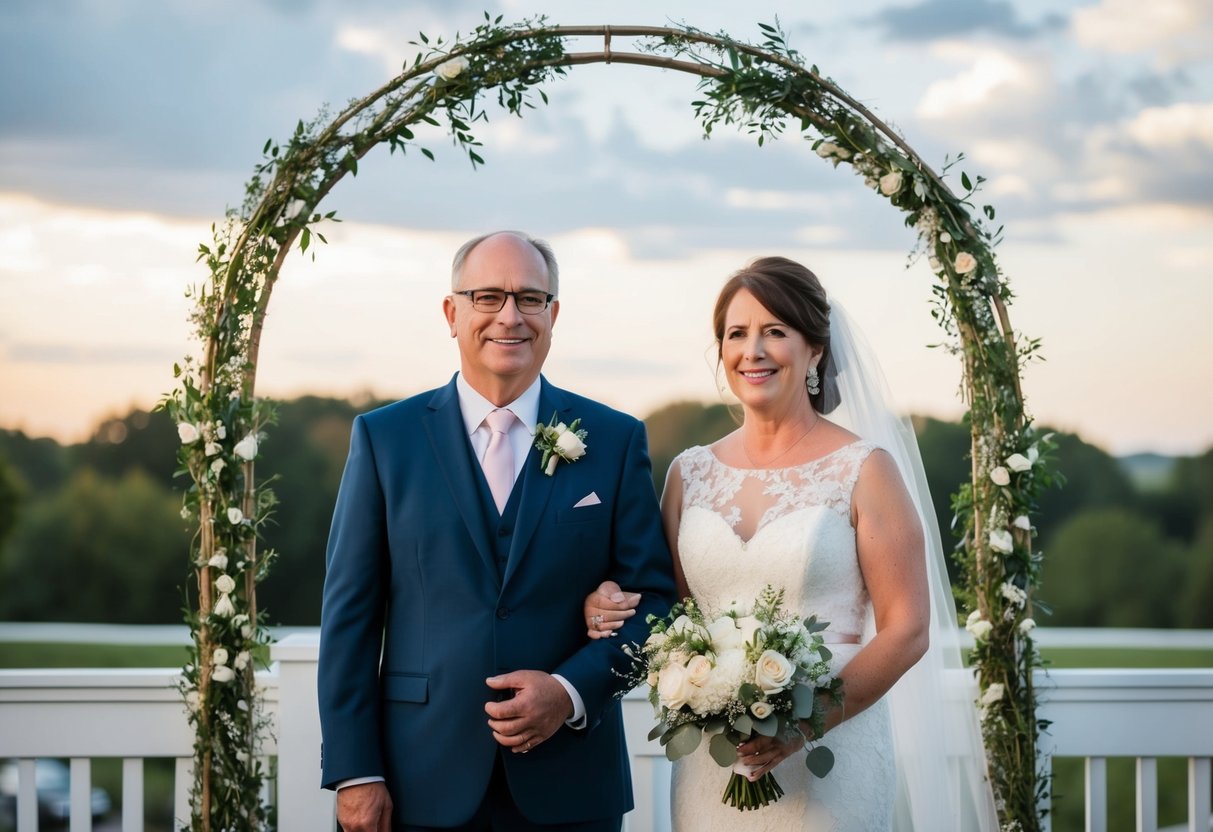
Traditions can vary, so it’s important to consider your own family customs. In some cultures, naming both sets of parents is not just polite but also customary. This inclusion respects family dynamics and recognizes everyone’s role in your special day.
Whether you are working with a traditional format or a modern approach, combining both sets of parents’ names can enhance the invitation’s warmth. This reflects a sense of unity and celebration that makes your wedding all the more meaningful.
Wedding Invitation Fundamentals
Understanding the basics of wedding invitations is essential. Invitations set the tone for your special day and provide important information to your guests. This section will explain the role of invitations in wedding etiquette and guide you on how to address the host line effectively.
The Role of Invitations in Wedding Etiquette
Wedding invitations are more than just a piece of paper; they reflect the formality of your event. Following traditional wedding invitation etiquette helps convey respect to your guests.
When crafting your invitation, consider formal invitation wording that aligns with the style of your wedding. This includes selecting the right phrases and structure. For instance, using the phrase “request the honor of your presence” is common for religious ceremonies.
Don’t forget to consider modern wedding invitation etiquette, which allows for flexibility. You might choose to include parents’ names if they are significant contributors to the wedding. Including both sets of parents is a kind way to acknowledge their support.
Deciphering the Host Line
The host line informs guests who is inviting them to the wedding. It usually appears at the top of the invitation and can be personalized based on your family situation.
A traditional format lists parents’ names, such as “Mr. and Mrs. John Smith.” If both sets of parents are involved, you can write, “Mr. and Mrs. John Smith and Mr. and Mrs. David Johnson.” This clear structure is courteous and informative.
In modern weddings, there’s more flexibility. You can decide how to phrase it based on who is contributing. Many couples choose to include their names along with their parents’ to reflect shared responsibility.
This approach not only adheres to proper etiquette but also adds a personal touch to your wedding invitation.
Parental Inclusion on Invitations
Including both sets of parents on wedding invitations can show respect and honor family connections. Understanding how to navigate various family dynamics is essential for creating an invitation that fits your situation.
Incorporating All Parents Equally
When planning your wedding invitation, consider including the names of both the bride’s and groom’s parents. This practice acknowledges the importance of all families involved. Traditionally, the parents contributing financially appear at the top. If both sets are equally involved, you can list them together.
Example Format:
- Bride’s Parents: Mr. and Mrs. John Smith
- Groom’s Parents: Mr. and Mrs. Michael Johnson
For same-sex couples, use the same format, ensuring both sets of parents are included. This approach promotes unity and respect among families.
Addressing Complex Family Dynamics
Modern families come in various forms, such as divorced, remarried parents, or step-parents. When families are blended, it becomes essential to communicate openly with them. This includes deciding how to reference each parent in the invitation.
For blended families, you might write:
- Mother: Ms. Jane Doe (stepmother, if applicable)
- Father: Mr. John Smith (bio or stepfather)
In cases of deceased parents, you can honor their memory by including their names along with a phrase such as “in spirit,” if desired. Be mindful of your unique family structure while drafting your invitations. This ensures everyone feels valued and included.
Crafting the Perfect Wedding Invitation
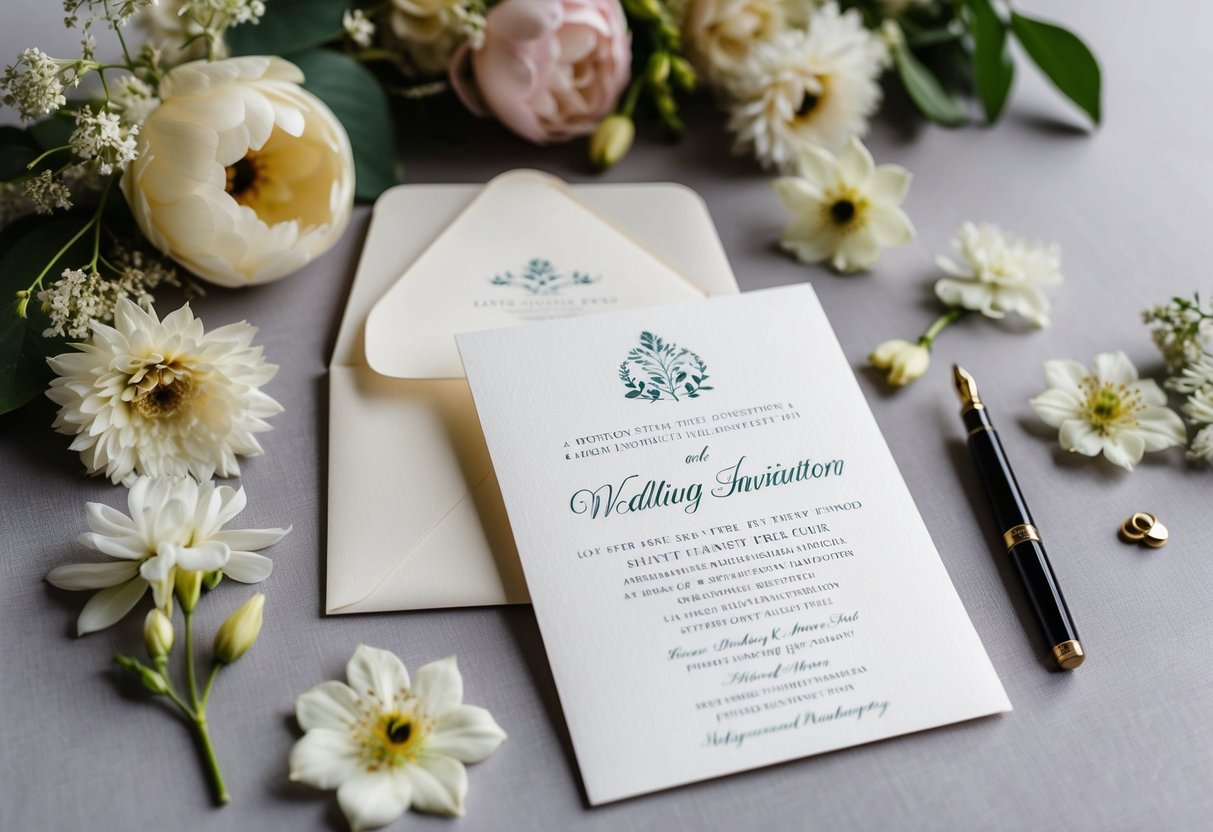
Creating the perfect wedding invitation is an important step in planning your big day. This involves choosing the right wording and following etiquette for different hosting situations. Let’s break down these key elements to make your invitations special.
Choosing the Right Wording
When it comes to wording your invitation, you have options. You can go for formal wording or keep it informal.
For a formal invitation, start with the full names of both parents. For example, you might say:
“Mr. and Mrs. John Smith and Mr. and Mrs. David Johnson request the honor of your presence at the wedding of their children…”
If you choose an informal tone, feel free to simplify it. Just the first names can work well:
“You’re invited to the wedding of Jane and Mike.”
Keep in mind who is hosting. If both sets of parents are involved, listing the mother’s name first is a gracious option, especially in traditional contexts. This small detail can make a big difference.
Etiquette for Different Hosting Situations
Understanding the hosting situation can guide how you word the invitations. If your parents are hosting, it is customary to include their names. Use proper titles without abbreviations: Mr., Mrs., or Ms..
For example, if only one parent is hosting, you might say:
“Mrs. Jane Smith requests the pleasure of your company…”
If the couple is hosting the wedding themselves, simply use their names and omit parental titles:
“You are cordially invited to celebrate the marriage of Jane and Mike.”
Make sure to match your invitation’s tone with the style of your wedding. If you’re planning for a more relaxed event, an informal approach works well. Use wording that feels authentic to both you and your partner.
Beyond the Invitation
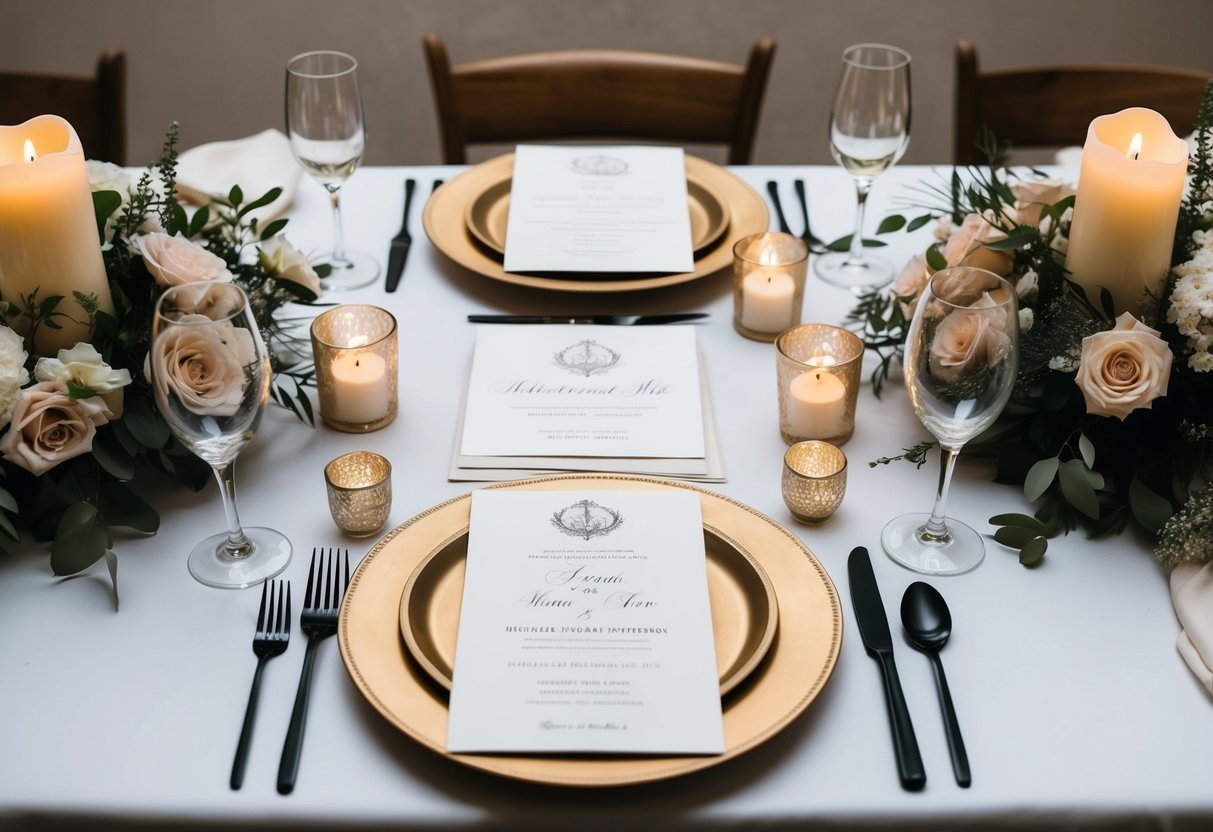
Including both sets of parents on wedding invitations can set the stage for a broader celebration that reflects love and unity. It also acknowledges the contributions of all families involved in the wedding planning.
Acknowledging Contributions
When both sets of parents are included, it shows that you value their roles in your journey together. This could mean that they helped financially or offered support in other ways, such as planning aspects of the ceremony or reception.
You might consider recognizing each family’s contributions in other ways. For instance, during the ceremony, you could invite all parents to give a short welcome speech. You might also include them in key moments, like lighting a unity candle together.
Creating a program can help outline their roles. A simple list of “Hosts of the Wedding” can go a long way in showing gratitude. This acknowledgment encourages a sense of unity, making everyone feel included.
Creating a Unified Celebration
A wedding with both sets of parents involved fosters love and inclusion. You can enhance this sense of unity by including family traditions or cultural elements from both sides.
Consider ways to honor each family during the celebrations. You could have special dances featuring your parents, such as a mother-son or father-daughter dance.
Additionally, select wedding party members from both families. This could include the maid of honor, best man, bridesmaids, and groomsmen.
Encouraging family members to play roles in the ceremony helps reinforce bonds and creates a supportive atmosphere.
Even small touches, like matching corsages for mothers or boutonnieres for fathers, can reflect inclusion. Addressing invitations together can also symbolize unity.
These actions create an inviting and warm setting for everyone involved.