
Do Bride and Groom Greet Guests? Exploring Wedding Etiquette
It’s your wedding day, a joyous occasion that you’ve been looking forward to! One important question many couples face is whether they should greet their guests.
Yes, the bride and groom should greet their guests, as it shows appreciation for their presence and adds to the warmth of the celebration.
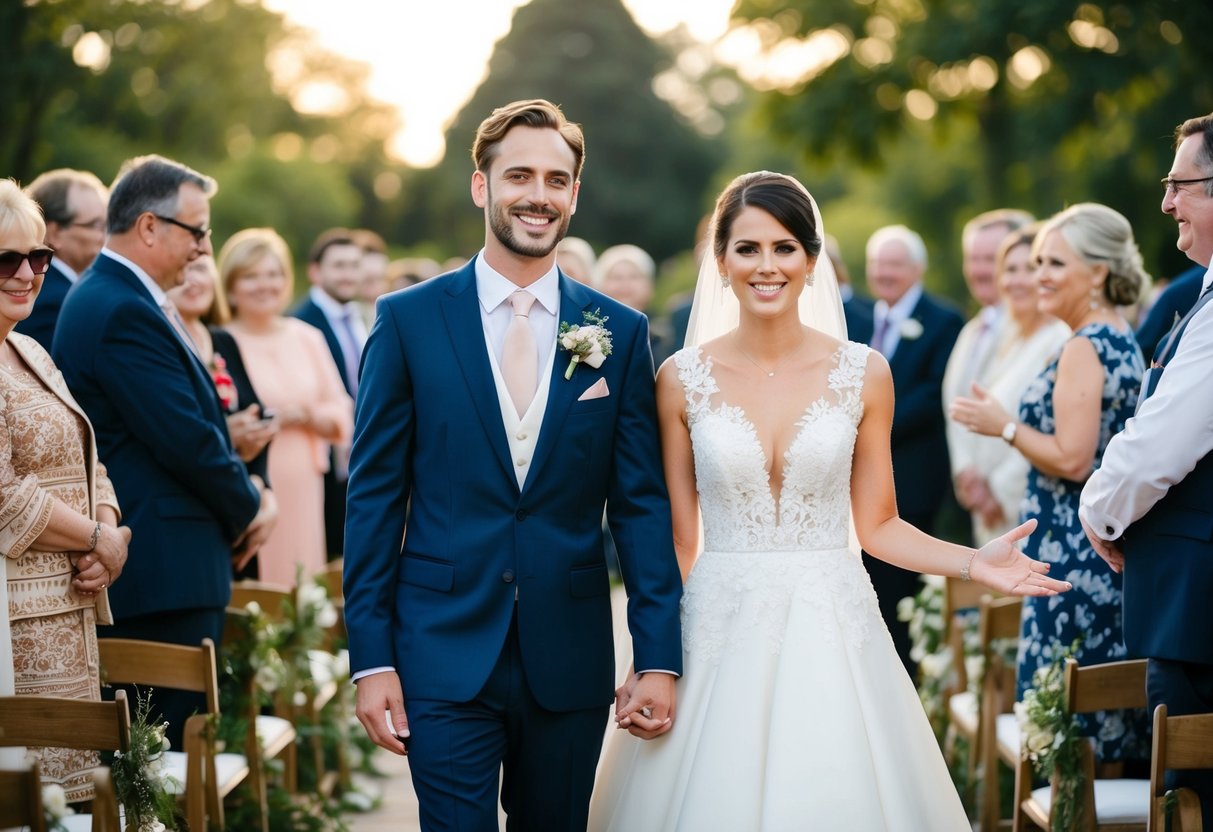
As you stand before family and friends, taking the time to acknowledge each person helps create special memories. It’s not just about you; it’s about sharing your happiness with everyone who has come to support you.
Engaging with your guests can make them feel valued and included in this significant moment.
You might wonder about the best way to greet everyone. A receiving line is a popular choice, but there are other options too.
Whatever you decide, make sure to plan a way to thank your guests for sharing in your celebration.
The Role of Greeting in Wedding Etiquette
Greeting your guests at your wedding is an important part of the day. It adds a personal touch that can make everyone feel valued and welcomed. Understanding the significance of this gesture and the expectations surrounding it can enhance your guests’ experience.
Significance of Personal Touch
When you greet your guests, it shows that you appreciate their presence. A warm welcome helps create a joyful atmosphere. This personal touch can leave a lasting impression.
You might want to consider receiving lines. This traditional practice allows you to thank each guest individually as they arrive or leave. Standing with your partner and parents can make the moment feel special.
Small gestures, like making eye contact or sharing a smile, can mean a lot. These small actions contribute to a relaxed and celebratory environment.
Expectations for the Bride and Groom
Guests often expect to see the bride and groom during key moments of the day. It’s good etiquette for you to greet them as they arrive and say goodbye as they leave.
Be prepared to spend time interacting with your guests. While it can be busy, try to address as many attendees as possible. Personal greetings can make guests feel significant.
Consider designating trusted friends or family members to help facilitate greetings. This way, you can connect with everyone without feeling overwhelmed. This support ensures that your day flows smoothly.
Planning the Greeting Process
Greeting guests at your wedding is an important part of the day. It lets you acknowledge and thank everyone for celebrating with you. Planning how you will greet your guests can help make this process smooth and enjoyable.
Receiving Line Essentials
A receiving line is a traditional way to greet guests. Usually, this line includes you, your partner, and your family members, such as parents and siblings. It’s typically set up at the reception venue or after the ceremony.
As guests arrive, they move through the line, allowing you to greet each person individually. This ensures that no one is missed, especially if you have a large guest list.
The key is to keep the line flowing to avoid long waits. A wedding planner can help manage this process effectively.
Alternatives to Traditional Receiving Lines
If a receiving line doesn’t fit your style, there are other options.
You could greet guests during the cocktail hour instead. This casual approach allows for more relaxed conversations.
Another option is to visit each table during the reception. This can feel more personal and gives you time to connect with everyone.
You might also consider a mingle time where you and your partner float around the venue. Choose what feels right for you and your wedding day atmosphere.
The Wedding Reception’s Social Dynamics
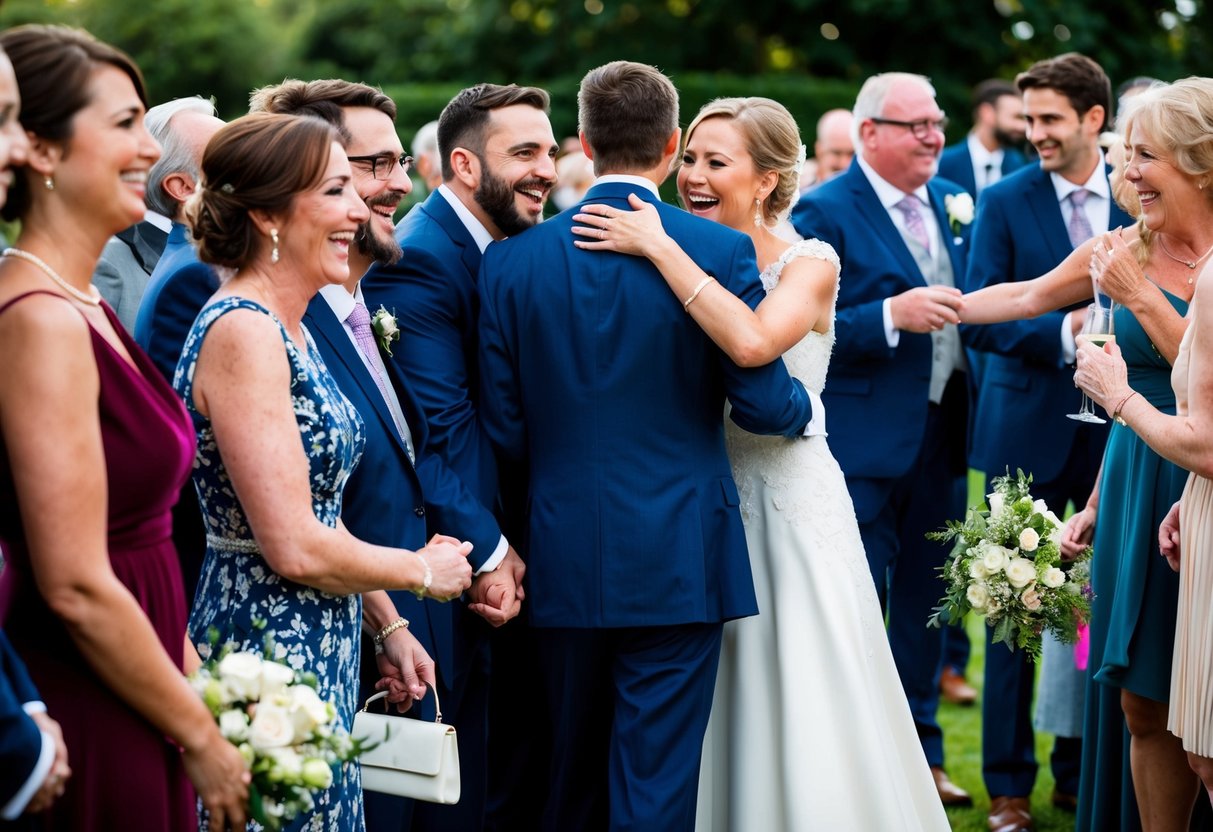
At a wedding reception, the social interactions are a crucial part of the celebration. It’s important for you as the couple to navigate greetings and guest interactions to create a warm and inviting atmosphere.
Integrating Greetings During the Celebration
Greeting guests is a key part of your reception. You can choose to do this during specific times like the cocktail hour or right after the ceremony. Joining your guests at the reception encourages connections.
You may want to create a seating plan that mixes friends and family. This way, everyone feels included.
Consider a receiving line if your guest list is large. This helps you ensure you greet everyone personally. Remember to keep the greetings short and sweet to keep the celebration flowing.
Navigating Guest Interactions
As the bride and groom, you may feel pulled in many directions throughout the reception. It’s good to keep an eye on your guests while you enjoy the dance floor and festivities.
Make time to mingle with your wedding party as well. They will appreciate your attention and help create a lively atmosphere.
Be aware of any guests who might feel lonely or out of place. A quick greeting can brighten their day. Encourage your family and friends to help engage others in conversation, ensuring a lively vibe throughout the evening.
Post-Wedding Guest Engagement
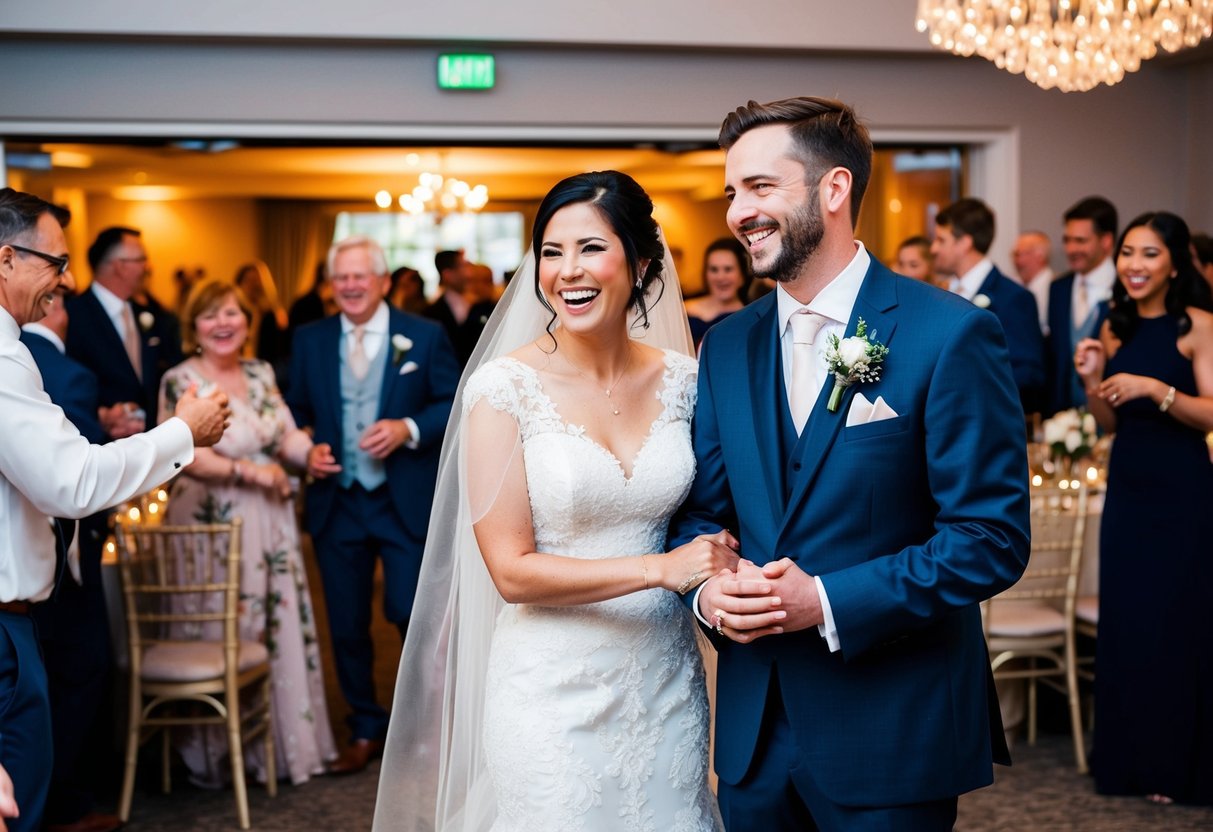
After your wedding, it’s important to continue showing appreciation to your guests. Engaging with them through meaningful gestures and speeches reflects your gratitude for their support and presence on your special day.
Thank-You Gestures and Speeches
Sending thank-you notes is a personal and thoughtful way to express your appreciation. Aim to send these notes within three months of the wedding.
In your note, mention the specific gift received or the moments shared. This personal touch makes your thank-you more sincere.
If you plan to give a speech at a reception or gathering after the wedding, take the opportunity to thank your guests collectively. Acknowledge their love and support, and share a few heartfelt moments from the wedding day.
This creates a lovely connection between you and your guests that lasts longer than the celebration.