
Do Bride and Groom Sit with Parents at Rehearsal Dinner? Understanding Seating Etiquette
At a rehearsal dinner, seating arrangements can be an important part of the evening. Typically, the bride and groom sit with their parents at the rehearsal dinner. This creates a warm atmosphere that brings families together before the big day. This event is not just a dinner; it’s a special time for everyone involved in the wedding rehearsal to bond and enjoy each other’s company.
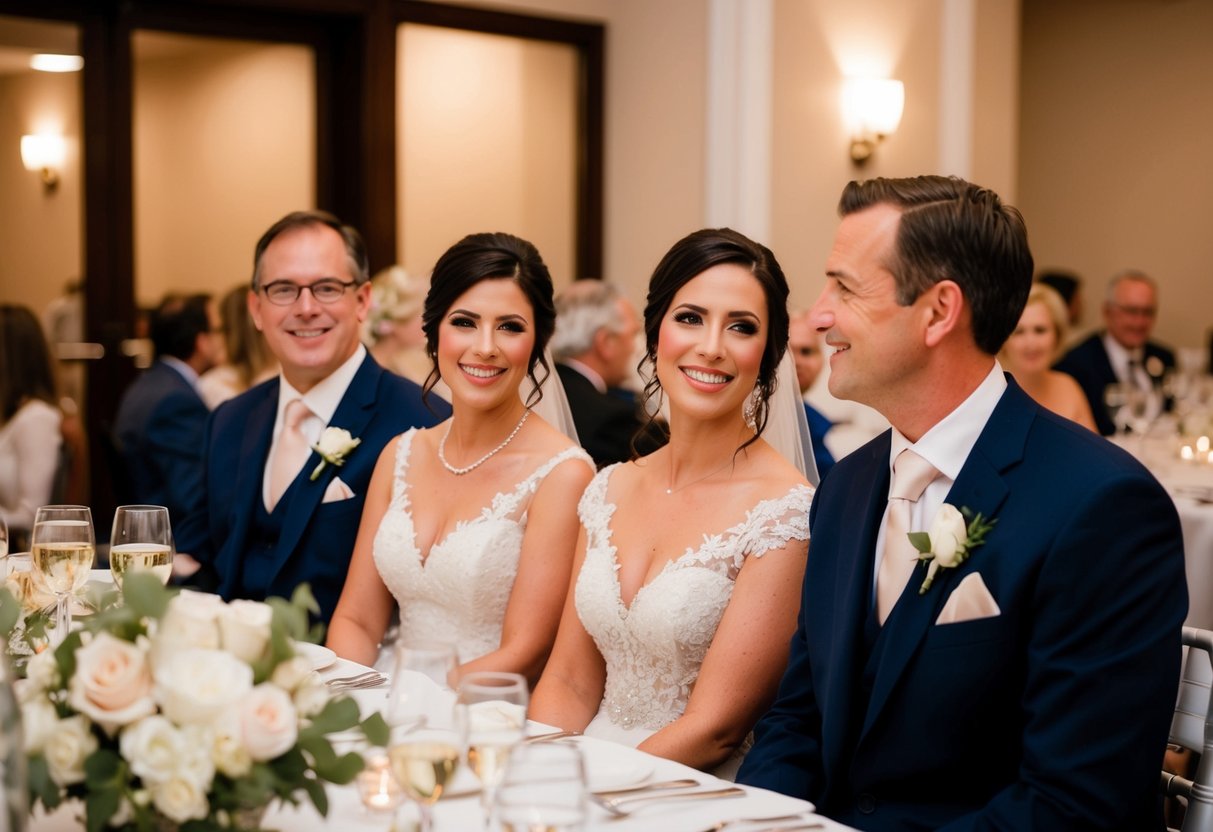
During wedding planning, you might wonder how to arrange the seating to make everyone feel comfortable. Having the bride and groom sit with their parents is a common tradition, allowing for meaningful conversations and the chance to celebrate the upcoming wedding. This setting encourages family members to connect with each other before the excitement of the main event.
When you think about your rehearsal dinner, remember that it is a chance to relax and prepare for the wedding day. You can create an inviting space where close family and friends can share stories and laughter. The seating arrangement plays a key role in making this gathering memorable for everyone involved.
Understanding the Rehearsal Dinner
A rehearsal dinner is an important pre-wedding event that brings the wedding party and close family together. It allows everyone to connect before the main celebration. This dinner often sets the tone for the wedding weekend and includes specific roles and guests.
Significance of the Rehearsal Dinner
The rehearsal dinner is not just another meal; it serves several important purposes. This event gives everyone a chance to relax and bond before the big day. It often includes a run-through of the wedding ceremony, helping everyone understand their roles.
Typically hosted the night before the wedding, it allows out-of-town guests to feel welcomed. You may also use this opportunity to thank your wedding party for their support. Gifts, speeches, or toasts often occur here, creating lasting memories before the festivities begin.
Key Participants in the Rehearsal Dinner
Knowing who attends the rehearsal dinner can help you plan better. Key participants include the bride and groom, their parents, and the wedding party, which consists of bridesmaids, groomsmen, the flower girl, and the ring bearer.
Spouses or partners of these participants are usually invited as well. You can choose to include additional family members or close friends, especially if they are contributing to the wedding weekend. Out-of-town guests often appreciate being included, as it helps them feel part of the celebration.
Planning Your Rehearsal Dinner
Planning your rehearsal dinner is a fun way to celebrate before the big day. You’ll want to focus on three main areas: selecting the venue, crafting the guest list, and deciding on dinner etiquette. Each step is important to create a warm and memorable gathering.
Selecting the Venue
Choosing the right venue sets the tone for your rehearsal dinner. Think about your style and budget. You can opt for a cozy restaurant, a backyard gathering, or a banquet hall. Each option has its charm.
Consider the following:
- Capacity: Make sure it fits your guest list.
- Location: Choose a spot convenient for everyone.
- Ambiance: Look for a place that reflects your personality as a couple.
A smaller, more intimate gathering allows for deeper conversations. If you prefer a larger space, ensure it can accommodate all attendees comfortably.
Crafting the Guest List
Your guest list is key to a successful rehearsal dinner. Start with family and the wedding party, then consider close friends and any special guests. Remember, this is often a smaller event than the wedding reception.
Tips for your guest list:
- Keep it intimate: Aim for around 20-30 people.
- Include parents: Traditionally, parents of both the bride and groom are present.
- Consider relationships: Invite those who are close to you both.
You can send out dinner invitations that clearly explain the event. This ensures everyone knows the purpose and importance of the gathering.
Deciding on the Dinner Etiquette
Dinner etiquette plays a big role in how your rehearsal dinner feels. While it tends to be more relaxed than the wedding reception, some guidelines enhance the experience.
Key points to consider:
- Seating Arrangements: Often, the couple sits at the head table with their parents. This encourages family bonding.
- Speeches: Allow parents and close friends to share short toasts. This adds a personal touch.
- Dress Code: Decide if you want a formal dinner or a casual celebration. Communicate this through your invitations.
It’s essential to create a welcoming environment for all your guests. Make sure they feel comfortable celebrating with you.
The Etiquette of Seating Arrangements
Creating a seating arrangement for the rehearsal dinner is an important task. It helps everyone feel comfortable and included. You want to think about who should sit where to ensure a pleasant atmosphere.
Seating Chart Fundamentals
Start by making a list of everyone invited to the rehearsal dinner. This includes the bride and groom, their families, the wedding party, and close friends. With this list, you can begin drafting a seating chart.
Traditionally, the couple sits at the center of the table, often adjacent to their parents. For proper etiquette, the groom’s parents should be situated near the bride and groom. This helps foster good relationships among families.
You can also use a table layout to visualize your seating chart ideas. This makes it easier to see how many seats you need and who fits best together. Remember to consider the size and shape of the table when planning.
Factoring in Family Dynamics
Family dynamics play a significant role in your seating arrangements. It’s essential to consider personal relationships. You may want to avoid seating family members who don’t get along near each other.
Consider creating a balance. Place a mix of family members and friends together to encourage conversation. You could seat the bride’s family on one side and the groom’s family on the other. This promotes interaction between both sides.
If there are any sensitive issues, plan accordingly. Open discussion with family members can help you understand their preferences. This careful planning shows consideration for everyone involved.
Bride and Groom’s Seating Preferences
Ultimately, the bride and groom’s comfort is a top priority in seating arrangements. Talk with them about their preferences. They might have specific requests about who they want close by.
If they have favorite family members or friends, make sure to incorporate those seating preferences. Placing their loved ones nearby can help ease any pre-wedding nerves.
Remember, keeping the couple’s wishes in mind fosters a positive atmosphere. It makes the rehearsal dinner more enjoyable for everyone. Adjustments can always be made if certain dynamics require it. This flexibility shows thoughtfulness and care about the seating arrangements.
Additional Rehearsal Dinner Highlights
Rehearsal dinners are a great time to add some personal touches that reflect your style and make your guests feel special. Choosing a meaningful theme and setting a dress code can enhance the atmosphere. Incorporating toasts and speeches adds a warm, heartfelt touch to the evening.
Choosing a Theme and Dress Code
Selecting a theme for your rehearsal dinner can create a fun and engaging atmosphere. Consider what represents you and your partner best—whether it’s a casual beach vibe or a formal classic dinner.
Once you decide on a theme, think about the dress code you want to set. Will it be formal, semi-formal, or casual? Communicate this to your guests through invitations or a group message. This helps everyone feel comfortable and styled appropriately.
For instance, if you choose a rustic theme, casual attire like sundresses and collared shirts may work well. Alternatively, a more upscale theme might call for cocktail dresses and suits. A clear dress code shows your guests you value their attendance.
Incorporating Toasts and Speeches
Rehearsal dinners often include toasts and speeches. These create a sense of warmth and bonding among friends and family. Encourage your loved ones to share personal stories or memories. These can evoke laughter or even tears.
You might want to start with a toast yourself to welcome everyone and thank them for being part of your journey. It’s also thoughtful to invite your parents to speak, as their insights can add depth to the celebration.
As a guideline, keep speeches short and heartfelt, ideally under three minutes. This ensures guests remain engaged without losing interest. You can also prepare a small program to let everyone know when to expect speeches. This allows time for heartfelt moments without rushing.