
Do Bride and Groom’s Parents Sit Together at Reception? Exploring Seating Arrangements and Traditions
When planning your wedding reception, seating arrangements can be a tricky but important decision. You might wonder if the bride and groom’s parents should sit together at the reception. Traditionally, the parents of both the bride and groom sit at the same table. This often creates a warm atmosphere for family and friends.
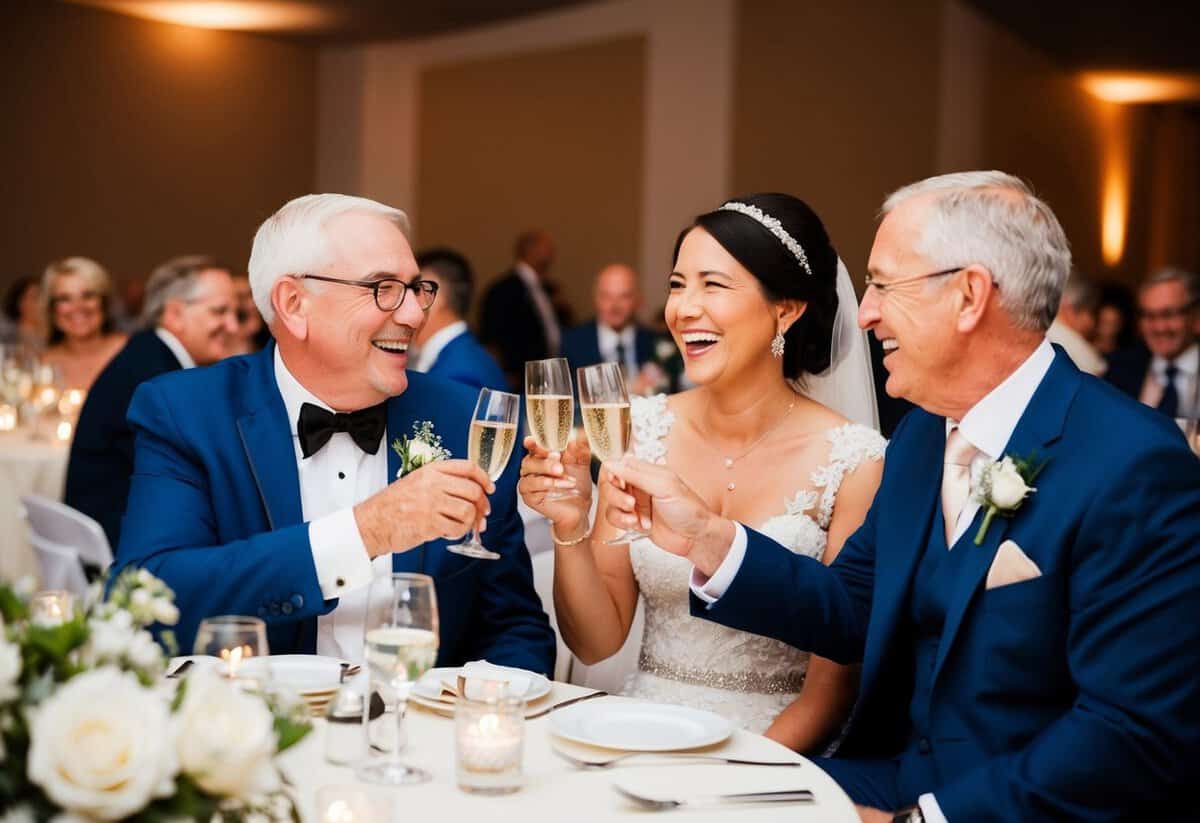
This seating choice not only respects wedding etiquette but also helps bridge the two families. Keeping the parents together can encourage connections and foster a sense of unity on your special day. However, in cases where parents are divorced or have other circumstances, you may need to consider alternative arrangements to ensure everyone feels comfortable.
Understanding these dynamics can make a big difference in planning your reception. By giving attention to the seating arrangement, you can set the tone for a joyful celebration that brings everyone together.
Seating Basics at Wedding Receptions
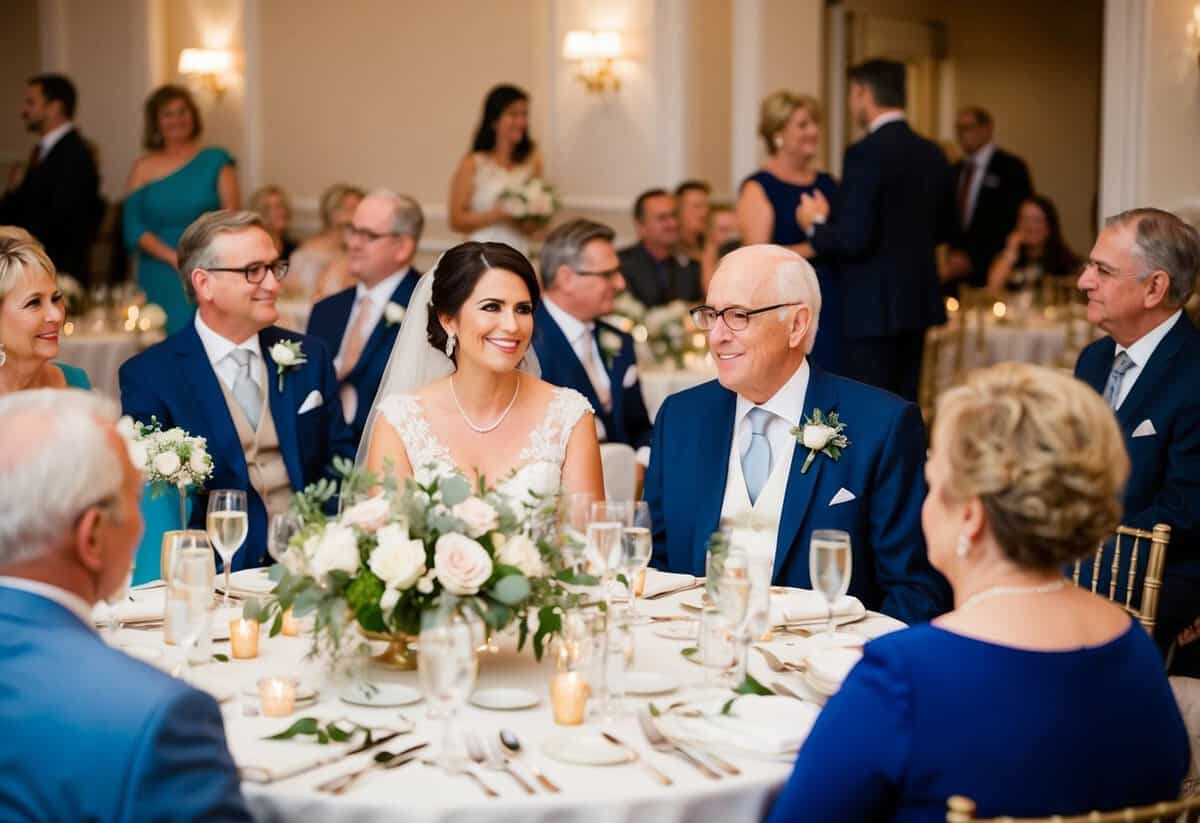
When it comes to wedding reception seating, there are a few key options to consider. Your choices can help set the mood for the event and make everyone feel included.
You might choose a head table or a sweetheart table. The head table typically includes the wedding party, while the sweetheart table is just for you and your partner. This option allows for a more intimate setting.
Creating a seating chart is essential. It helps guests find their places easily and avoids confusion. You can use a printed chart or a DIY board.
Consider how your families fit into the seating plan. Traditionally, both sets of parents sit together at the top table, along with siblings and honored guests. It can help make everyone feel comfortable and connected.
Next, arrange seating guests with care. Place close family members and friends near the front. This makes for great conversations and a warm atmosphere.
Don’t forget about the wedding party! They should be seated at a table near you. This way, they can celebrate and support you throughout the reception.
Seating for the Parents of the Bride and Groom
When planning your wedding reception, seating arrangements for your parents play a crucial role. Many couples want to honor family dynamics while ensuring everyone feels comfortable during the celebration. Here are some options to consider.
Traditional Seating Arrangements
In traditional setups, the parents of the bride and groom typically sit at a family table. This table often includes siblings and grandparents. The bride’s parents generally sit on her side, while the groom’s parents sit on his side. This arrangement promotes family unity during the reception.
If the officiant attends, they might also join this table. Each family’s members sit together to facilitate conversation and bonding. Ensure that you consider any potential awkwardness if parents are divorced. In that case, separate tables may be better to maintain peace and comfort.
Modern and Flexible Seating Options
Modern weddings embrace flexibility. You might opt for separate tables for each set of parents, especially if there are divorced parents or blended families involved. This allows everyone to feel comfortable and reduces tension.
You could also create a “singles table” to include other relatives or close friends. This helps guests feel more included and provides both sets of parents with the opportunity to mingle.
Some couples choose reserved seating at different tables which allows parents to sit near other supportive family members. The goal is to create an enjoyable atmosphere for everyone.
Managing Special Family Dynamics
Family dynamics can be complex, especially with divorced or blended families. Here, you need to address any concerns early in the planning process. It’s vital to have a clear and open conversation about seating preferences.
Consider separate parent tables if parents do not get along. This option helps avoid uncomfortable interactions.
If you have blended families, it may be helpful to mix family members at tables to foster connections. A thoughtful arrangement can ensure that each family feels included while minimizing any potential stress for you and your guests.
Honoring VIP Guests and Special Considerations
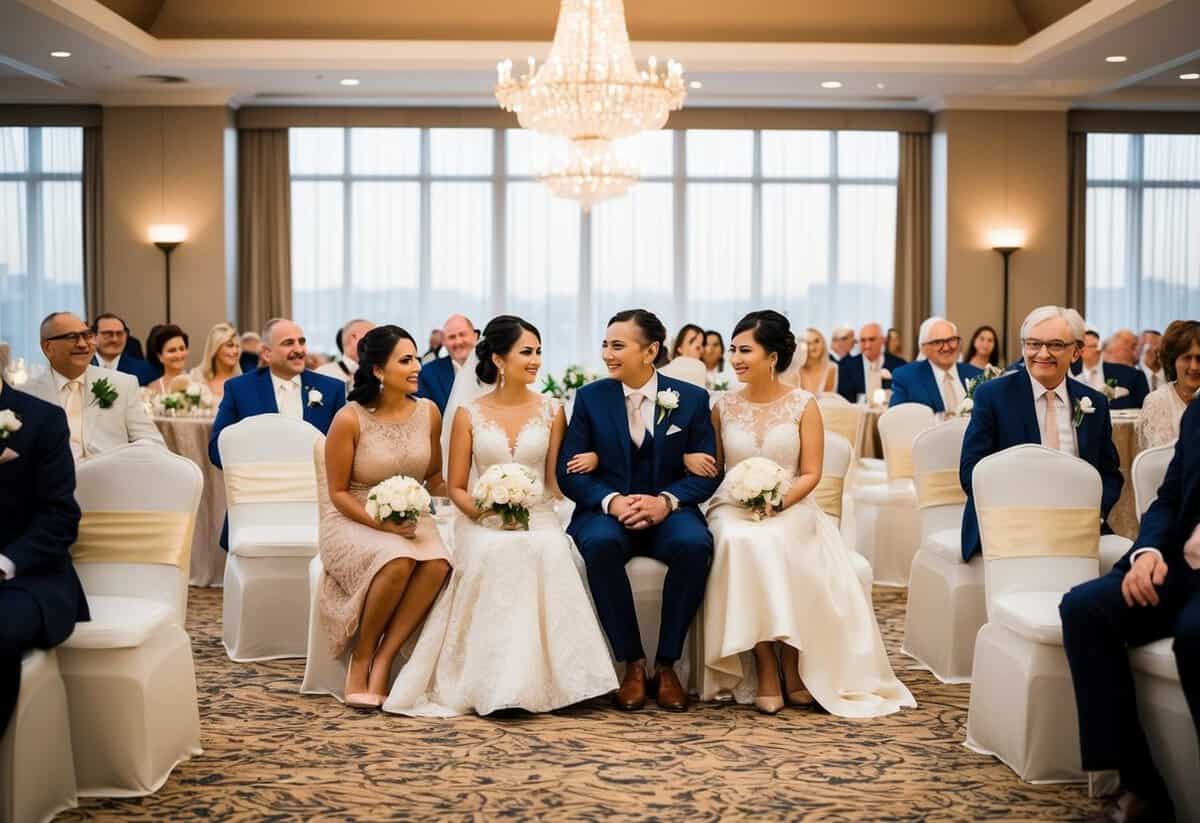
It’s important to make sure that your VIP guests feel special and comfortable during your wedding reception. Proper seating arrangements help honor these guests and address any specific needs they may have. Below are two key areas to focus on.
Accommodating Elderly Guests and Accessibility Needs
When planning your guest list, consider the needs of elderly guests. They may require additional support and comfort throughout the event. If you have family members like the mother of the groom or grandparents, make sure they are seated at a table that is easy to access.
Provide seating that allows for mobility aids, like walkers or wheelchairs. Choosing a table close to the bathroom and dance floor can enhance their experience. You may also want to arrange for an escort to help them to their seats if needed. Remember, small gestures can make a big difference!
Seating for Same-Sex Parents and Couples
If your guest list includes same-sex parents or couples, it’s essential to honor their relationships with thoughtful seating. Make sure they feel included by placing them at prominent tables, possibly near the best table, where you and your partner will be seated.
Consider how you label tables as well. Avoid traditional titles like “Bride’s family” and “Groom’s family” and instead use neutral names. This shows sensitivity and respects all kinds of families. Ensure your seating chart reflects diversity and love, which is the heart of the celebration.
Role of Wedding Planners in Seating Strategies
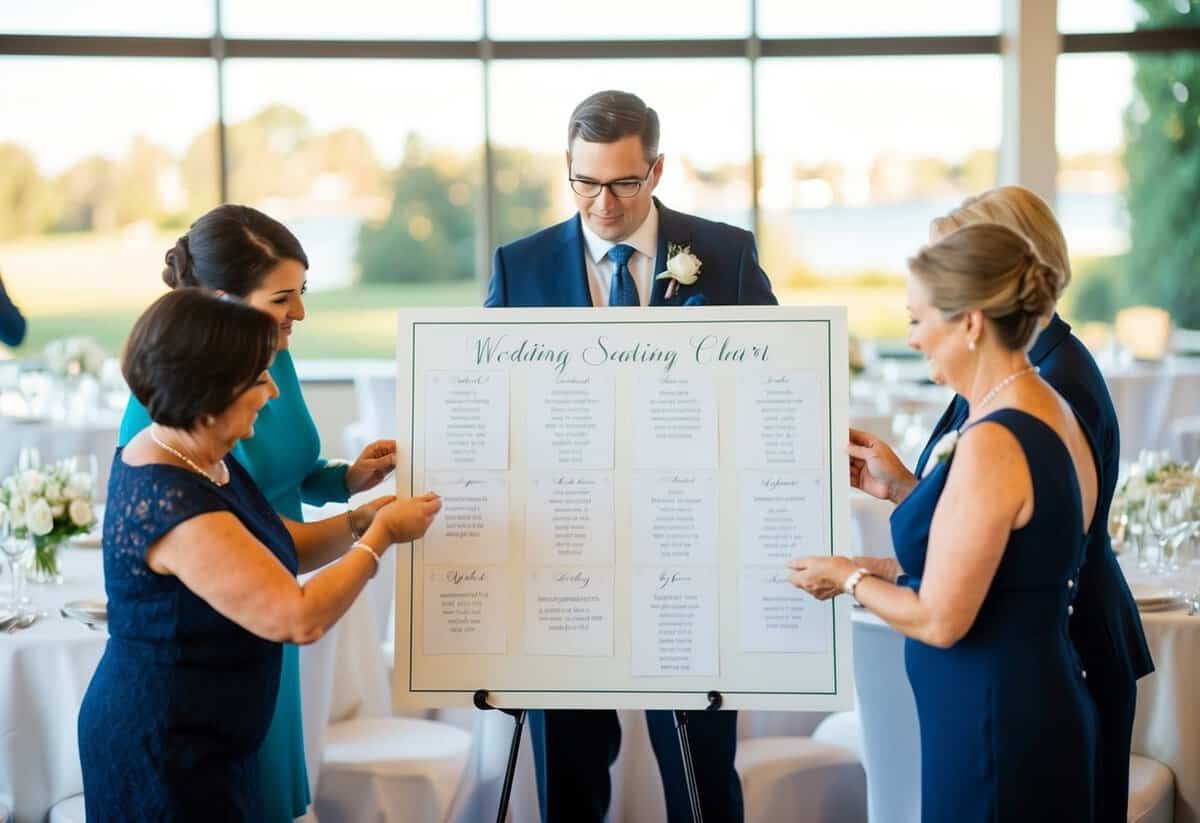
When it comes to seating arrangements, wedding planners play a key role. They help you think through who sits where, ensuring everyone has a good time.
A well-organized seating chart makes a big difference. It can prevent awkward moments and promote conversation among guests. Planners often gather information about your guests to create effective tablemates.
They consider relationships and dynamics when planning. For instance, you might want your parents at their own table or with close friends. A planner will balance these preferences while keeping peace among families.
During the process, planners might use a seating arrangement chart to visualize placements. This can help identify any challenging combinations, like seating the bride’s and groom’s parents together or apart.
Good communication is essential. Your planner will ask questions about who should sit with whom. This way, your guests will feel comfortable and enjoy the celebration.
They also keep your vision in mind. Whether you envision formal tables or casual clusters, a planner will tailor the seating strategy to fit your style.
In short, having a wedding planner can relieve some stress. You can focus on enjoying your big day while they handle the logistics of seating your wedding guests.