
Do Brides Get Two Rings? Exploring the Tradition Behind Wedding and Engagement Rings
As you prepare for your big day, you might wonder about the number of rings a bride should receive. Traditionally, brides get two rings—an engagement ring and a wedding ring. The engagement ring is usually given during a proposal, symbolizing the promise of marriage.
On wedding day, the bride receives the wedding ring, which represents the vows and commitment shared between partners.
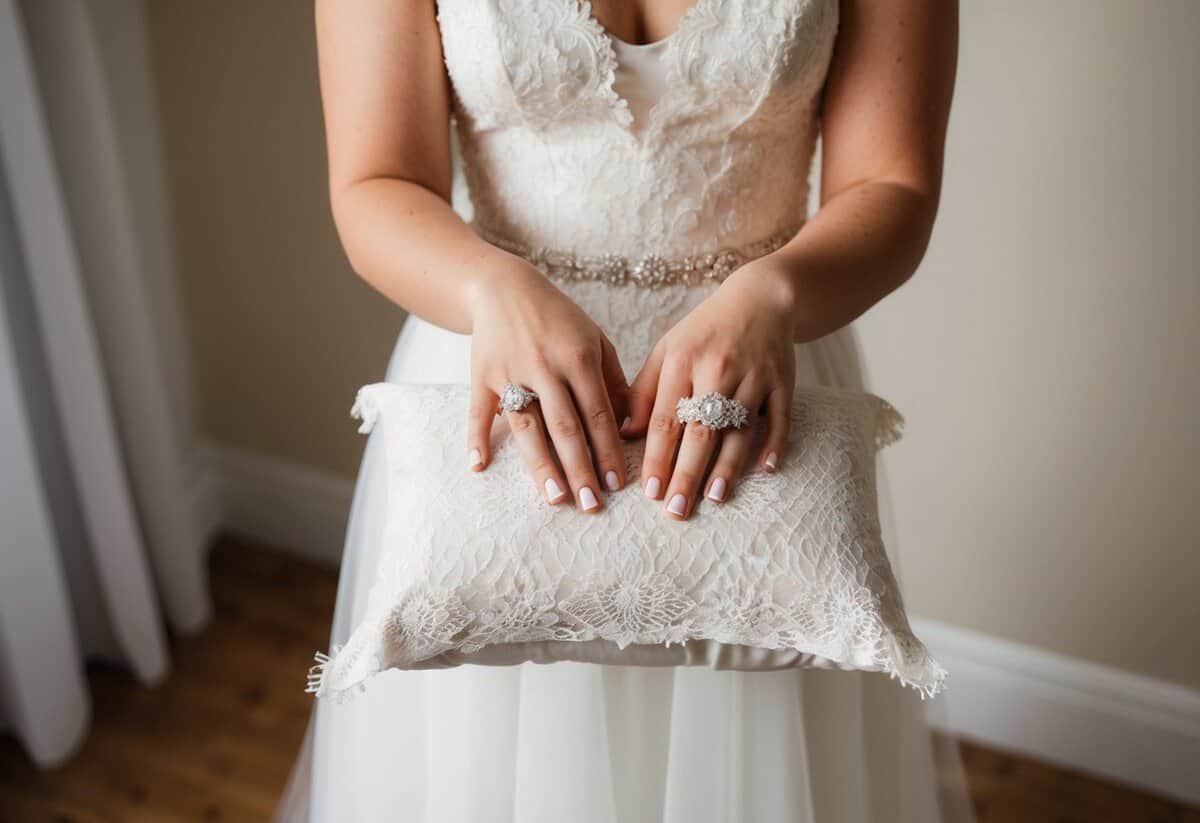
This dual-ring tradition is a beautiful way to celebrate both the journey towards marriage and the milestone itself. It’s common for couples to follow this custom, but ultimately, it comes down to personal preference. Some brides choose to wear just one ring, while others embrace the full tradition of wearing both.
Understanding the significance behind these rings can enhance your wedding experience. It’s not just about the jewelry; it’s about the love and commitment they represent in your journey of marriage. Knowing that you will wear these symbols of love can make the entire process even more special.
The Tradition of Two Rings
When it comes to marriage, many brides receive two rings: an engagement ring and a wedding band. Each ring holds special meaning that reflects commitment and love.
Engagement Ring Significance
The engagement ring is often given during the proposal as a promise of marriage. This ring is traditionally worn on the ring finger of your left hand. It often features a diamond or another gemstone, symbolizing love and commitment.
Engagement ring etiquette suggests that the ring should be worn with the diamond facing outward. Many couples choose rings that complement each other while also expressing personal style. This first ring represents the start of your journey together, marking the moment when you make a lifelong commitment.
Wedding Band Symbolism
The wedding band comes next and is exchanged during the ceremony. It often has a simpler design, symbolizing unity and the bond between you and your partner.
Traditionally also worn on the left hand, the wedding band can be made of various materials, such as gold, silver, or platinum. Many brides wear both the engagement ring and the wedding band together after the wedding day.
This practice signifies the transition from engagement to marriage. Wearing two rings together creates a connection to both the promise made and the commitment celebrated on your special day.
Choosing the Rings
Selecting bridal rings is an exciting process that can reflect your personality and story. When choosing your rings, consider personal preferences and cultural aspects that may influence your decisions.
Factors Influencing Ring Selection
Many factors play a role in your choice of rings. Start by considering the type of gemstones you love. Diamonds are traditional, but you might prefer something unique like rubies or emeralds.
Personal preference is key. Do you want a classic halo-style ring or something more modern?
Think about how the rings will look together as a wedding set. Symmetry can enhance your design.
Many brides opt for stacking rings, placing the engagement ring amidst two wedding bands for balance.
Don’t forget about comfort! A ring that feels good will let you enjoy it every day. Look at eternity rings if you want to symbolize your love and commitment with stones that go all around the band.
Cultural and Personal Considerations
Your cultural background can influence ring selections. In some cultures, brides wear multiple rings to signify different stages of their relationship.
Think about what these rings mean to you. They are more than just jewelry; they represent love and commitment.
If you want bling, there are options with additional accents that add flair. You might also choose to wear a ring on your right hand, showcasing personal style.
Discuss ring choices with your partner. This choice can reflect your journey together and what’s important to both of you. Personal significance will make your rings even more special.
Wearing the Rings
When it comes to wearing your rings, there are many traditions and personal choices involved. You have options that reflect your style and commitment, whether it’s keeping it simple or going for a bold look.
Conventions and Variations
Traditionally, brides wear two rings: an engagement ring and a wedding band. The engagement ring is typically worn on the third finger of your left hand during the wedding ceremony.
After the vows, you slide on the wedding band. Some brides opt for a third ring, known as an eternity band, which symbolizes everlasting love.
Bridal sets are also popular because they include a matching engagement ring and wedding band. These sets are designed to pair perfectly, enhancing your finger’s look.
In contrast, other brides might choose a mix of styles, like a diamond band with a tungsten ring for everyday wear. It’s all about what feels right for you!
Mix and Match: Combining Different Styles
You can absolutely mix and match different styles together. Many brides today are layering multiple wedding rings to create a unique look.
For instance, adding a third wedding ring, or a second wedding ring, can provide depth and personality. Consider a double wedding ring approach, where you wear two wedding bands with your engagement set. This can offer a striking visual balance.
You could even layer a classic diamond band with an eternity band for a sparkling effect. Matching rings can also blend well with statement pieces, giving your rings a special flair.
Beyond the Wedding: Additional Rings
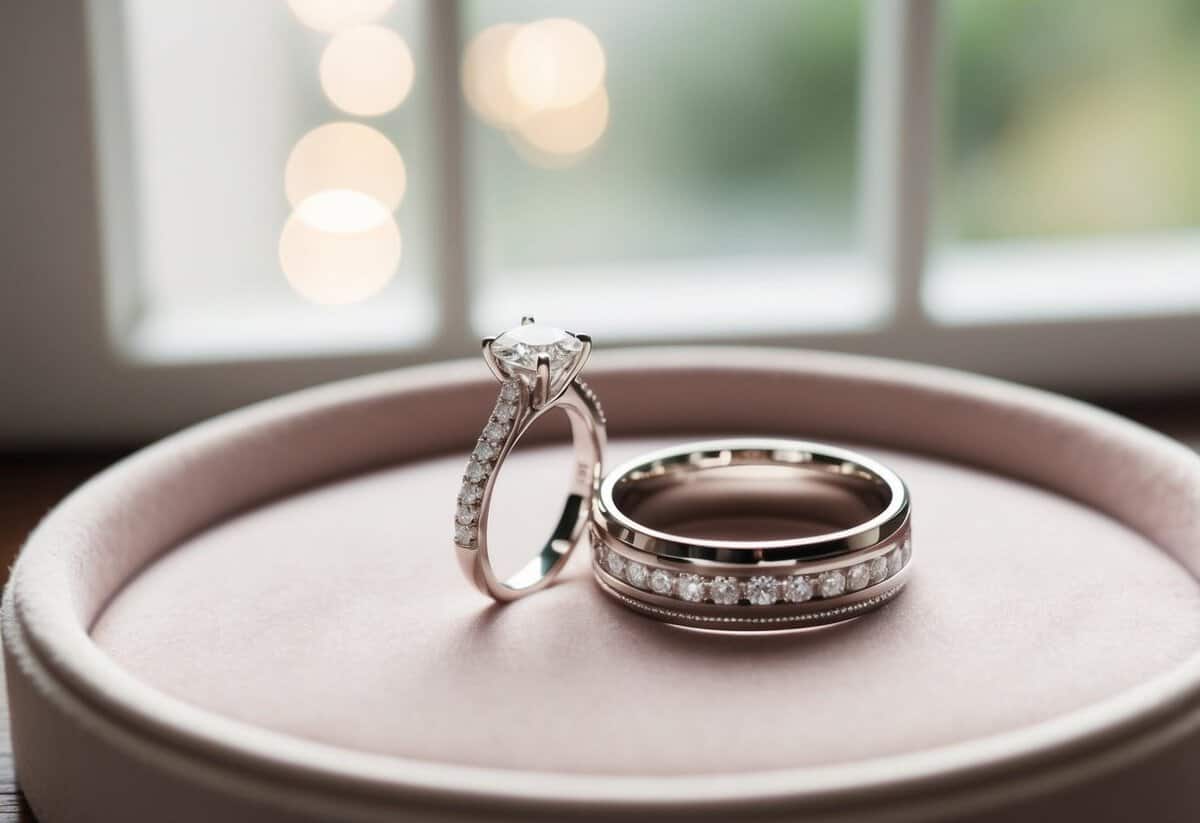
Wearing additional rings can be a meaningful way to celebrate your marriage and significant life milestones. These rings can serve as symbols of love, commitment, and cherished memories.
Anniversary and Eternity Rings
An anniversary ring is often given to mark special milestones in your marriage, such as yearly anniversaries or major events like the birth of a child.
These rings can feature different stones or designs that reflect your unique journey together.
Eternity rings represent unending love. They are typically set with stones that go all the way around, symbolizing the eternal nature of your bond.
Couples often receive them to celebrate significant anniversaries, such as a ten-year milestone. Both types of rings can enhance your bridal set, adding depth and meaning to your wedding jewelry.
Redefining Traditions with Push and Promise Rings
Push rings, also called motherhood rings, are given after the birth of a child. They symbolize the unity of marriage and the new life you have created together. These rings can feature birthstones or other meaningful designs that celebrate your growing family.
Promise rings can also mark special commitments beyond engagement and wedding. They signify promises made between partners at any stage of the relationship. Whether it’s a vow to support each other or a statement of love, these rings deepen the connection you share. Many couples choose styles that resonate with their personal story and values.