
Do Brides Parents Pay for Second Wedding? Here’s What You Need to Know!
As you plan your second wedding, you might wonder about the role of parents in covering costs. Traditionally, the bride’s parents paid for the first wedding. However, for a second wedding, it’s often different. Many couples today take on the expenses themselves, or costs are shared among parents and the couple.
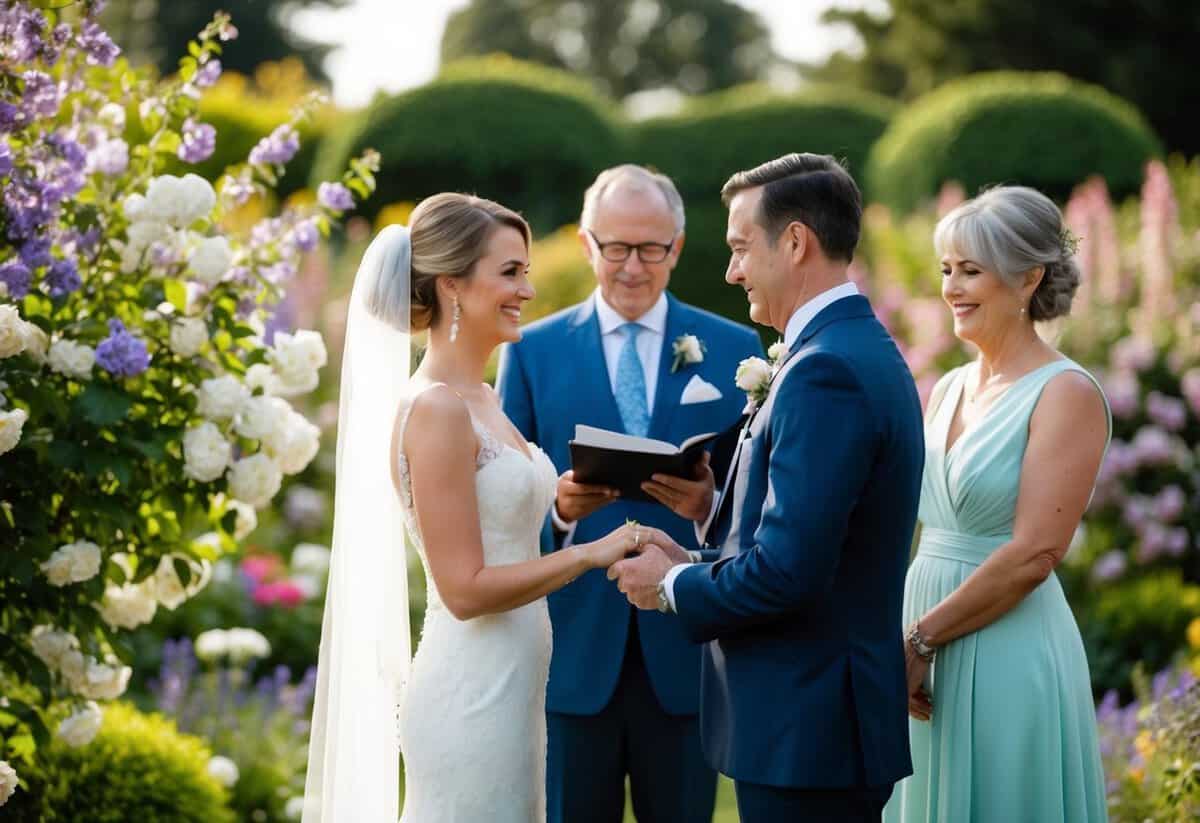
Understanding second wedding etiquette can help you navigate these choices. Since many second-time brides and grooms are older and potentially more financially stable, it’s common for them to pay for their own celebrations. However, every family is unique, and financial support can still vary widely depending on each family’s situation.
Deciding who pays can be influenced by personal preferences and the dynamics of your families. Keep communication open, and ensure everyone feels included in the wedding planning process. This way, you can create a memorable day that reflects your love and the joining of two families.
Understanding Financial Responsibilities for a Second Wedding

When planning a second wedding, financial responsibilities can be different from a first wedding. Your situation might involve discussions about who pays for what. It’s essential to be clear about these roles as you prepare for your special day.
Evolving Wedding Etiquette
Traditionally, the bride’s parents covered wedding expenses. However, this idea is changing. Many families now share costs more equally.
For a second wedding, you may find that both sets of parents or even the couple themselves contribute. This shift comes from the understanding that many couples are older and more financially stable.
Clear communication is important. You should discuss your budget openly and decide who can help with the wedding costs. This approach can prevent miscommunication later on.
Second Wedding Expenses
Planning a second wedding often involves different expenses compared to a first. Common costs include the venue, catering, attire, and entertainment.
You might also want to consider additional elements, such as a rehearsal dinner or honeymoon. While these may not apply to everyone, they can add to your overall budget.
Since you or your partner may already have significant experience, feel free to prioritize what matters most to you. Create a detailed budget that includes both essential and optional items.
This way, you can celebrate in a style that feels right without overspending.
Role of Bride’s Family
In the case of a second wedding, the bride’s family might have a different role. Their participation can greatly depend on family dynamics and financial situations.
Some parents may choose to contribute, while others may not feel obligated. It’s crucial to have discussions about expectations and financial responsibilities before making plans.
Your family’s willingness to help can change based on past experiences or personal circumstances. Involving both families in the conversation can create a more inclusive wedding experience.
Ultimately, each family should feel comfortable with the financial arrangements to ensure that the day is joyous and memorable.
The Nitty-Gritty of Wedding Budget Allocation

When planning a second wedding, understanding how to allocate your budget is essential. Each aspect of the ceremony and reception can have unique costs, so it’s important to be organized and think carefully about what’s most important to you.
Allocating for the Essentials
Start by listing out the key expenses. This typically includes the ceremony and reception, wedding dress, photography and videography, and catering.
- Ceremony and Reception: Consider venue fees, which can range significantly based on location and size.
- Wedding Dress: Many brides opt for a simpler or more budget-friendly dress for their second wedding.
- Photography and Videography: Capture the day without overspending. Consider hiring a photographer for just the ceremony or reception.
- Catering: This can include food, drinks, and the wedding cake, which both play a central role in the celebration.
Understanding these costs can help you prioritize your spending.
Unique Considerations for Second Weddings
Second weddings may have unique dynamics, which can affect your budget.
Lodging Costs for Bridesmaids: If your bridal party is traveling from afar, you might need to budget for their accommodations.
Guest Transportation: Depending on your venue, you may want to arrange transport for guests. This ensures everyone arrives safely and on time.
Don’t forget about reception alcohol. Offering drinks can enhance the atmosphere but should be planned carefully based on your budget.
You may also want to consider floral arrangements that fit your style and budget. Many brides opt for seasonal flowers to save costs while adding beauty to the day.
By identifying these specific expenses, you can create a balanced budget that aligns with your vision for the celebration.
Key Elements of Wedding Planning

Planning a second wedding comes with unique considerations. It’s essential to focus on key elements that can help make your special day memorable and enjoyable for you and your guests.
Choosing the Right Wedding Planner
Selecting a wedding planner can greatly ease your planning process. Find someone who understands your vision and respects any previous wedding experiences. Look for a planner familiar with modern wedding traditions, as they can suggest fresh ideas tailored to your wishes.
Make a list of potential planners and check their reviews. Ask about their experience with second weddings since they may have insights into unique elements you might want to include.
Discuss expectations, budgets, and styles during initial meetings. A good planner will provide flexibility and help keep your day organized, so you can focus on celebrating.
Guest List Considerations
Your guest list is a crucial part of planning your wedding. For a second wedding, you may want to keep your list smaller and more intimate. Think about who you truly want to share this special day with you.
Consider your friends, family, and anyone who made your first wedding special. You may also want to include new friends from your current life. Keep in mind that your guest list impacts the venue size and budget.
Don’t forget to discuss your list with your partner and find a balance between both families. Having a well-thought-out list can make planning other elements, like the engagement party or bridal shower, much easier.
Managing Wedding Events
Managing multiple wedding events is important for a seamless experience. Start with your engagement party, which sets the tone for upcoming celebrations. You can opt for a casual gathering or something more formal, depending on your style.
Next, consider your bridal shower. You might want a different approach for your second wedding. This celebration can be less traditional and reflect your current life and interests.
Finally, don’t overlook the honeymoon. Plan a getaway that’s relaxing and meaningful. You can mix it with experiences you enjoy, whether it’s lounging on a beach or exploring a new city. Proper planning ensures you can truly enjoy every moment.