
Do Brides Pay for Bridal Party? Navigating the Costs Together
When planning a wedding, one common question arises: brides typically do not pay for their bridal party’s expenses. Understanding who is responsible for what can help ease the stress of wedding planning and budgeting.

You may be surprised to learn that the bridal party often covers costs related to their attire, accessories, and gifts for the couple. While the bride’s family is traditionally responsible for many wedding expenses, it’s important for you to clarify expectations with your bridal party to avoid any misunderstandings.
Navigating wedding etiquette can sometimes feel overwhelming, but knowing the financial responsibilities can make the process smoother. This information can help you stay within your wedding budget while ensuring your special day runs as seamlessly as possible.
Understanding Bridal Party Expenses
When planning your wedding, it’s essential to know who pays for what regarding your bridal party. Understanding these expenses can help you budget better and keep everyone informed about their roles.
Role and Responsibilities of the Bride
As the bride, you typically have several responsibilities when it comes to your bridal party. It’s common for you to cover certain expenses, like bouquets and boutonnieres. These costs are often part of your overall wedding budget, which can be shared between families.
You may also host events like the bridal shower or bachelorette party. While you don’t have to pay for everything, it’s nice to contribute. By doing so, you help create a joyful experience for your friends and family, ensuring everyone feels included and appreciated.
Traditional and Modern Etiquette
Traditionally, the bridal party pays for their attire, including dresses and shoes. However, modern etiquette is more flexible. Some brides choose to cover the cost of these outfits to lessen the financial burden on their friends.
Additionally, you might offer to assist with accessories, like jewelry, so everyone looks coordinated. Communication with your bridal party is crucial. Let them know what you expect, and ensure they understand their financial responsibilities. This helps to avoid any misunderstandings.
Bride’s Family and Groom’s Family Roles
The bride’s family often takes on a significant portion of the wedding expenses, including those for the bridal party. This can include flowers, transportation, and sometimes, the wedding dress itself.
On the other hand, the groom’s family might handle expenses related to the groomsmen, such as their attire. It’s important for both families to discuss these roles early in the planning process. By doing this, you can help create a budget that works for everyone involved, allowing for a smooth wedding experience.
The Costs Brides Typically Cover

When planning your wedding, it’s important to understand what costs you typically cover for your bridal party. This helps create clarity and ensures that your bridesmaids feel appreciated. Here are some key areas where brides often take responsibility.
Bridal Attire and Styling
You often shoulder costs related to the bridal party’s attire. This includes purchasing or renting the dresses or tuxedos for your bridesmaids and groomsmen. Sometimes, you may also provide accessories like jewelry or ties to keep the look cohesive.
Additionally, you typically cover costs for hair and makeup services on the wedding day. While more than 80% of couples pay for these services, you might decide to split the costs with your bridal party if budget constraints arise.
It’s essential to communicate your plans to your bridal party early on so they know what to expect.
Bridesmaids’ Gifts and Favors
Gifts for your bridesmaids are an important way to show your appreciation. Many brides choose to give personalized gifts, like custom robes or jewelry, reflecting your unique bond.
You could also include favors like thank-you notes or small tokens to make the day special. Some brides opt for group gifts, like spa days or experiences that everyone can enjoy together.
Make sure to consider budget and preferences, as thoughtful gifts can make your bridal party feel valued without breaking the bank.
Special Considerations for Destination Weddings
If you’re planning a destination wedding, costs can rise quickly. You may contribute to travel and accommodation expenses for your bridal party, especially if the location is costly.
For a destination bachelorette party, costs are typically shared among attendees, including the bride. You might cover special group activities, like excursions or meals, to ensure everyone enjoys themselves.
Clear communication about costs and plans can help avoid misunderstandings and keep everyone on the same page.
Bridal Party Expenses Breakdown
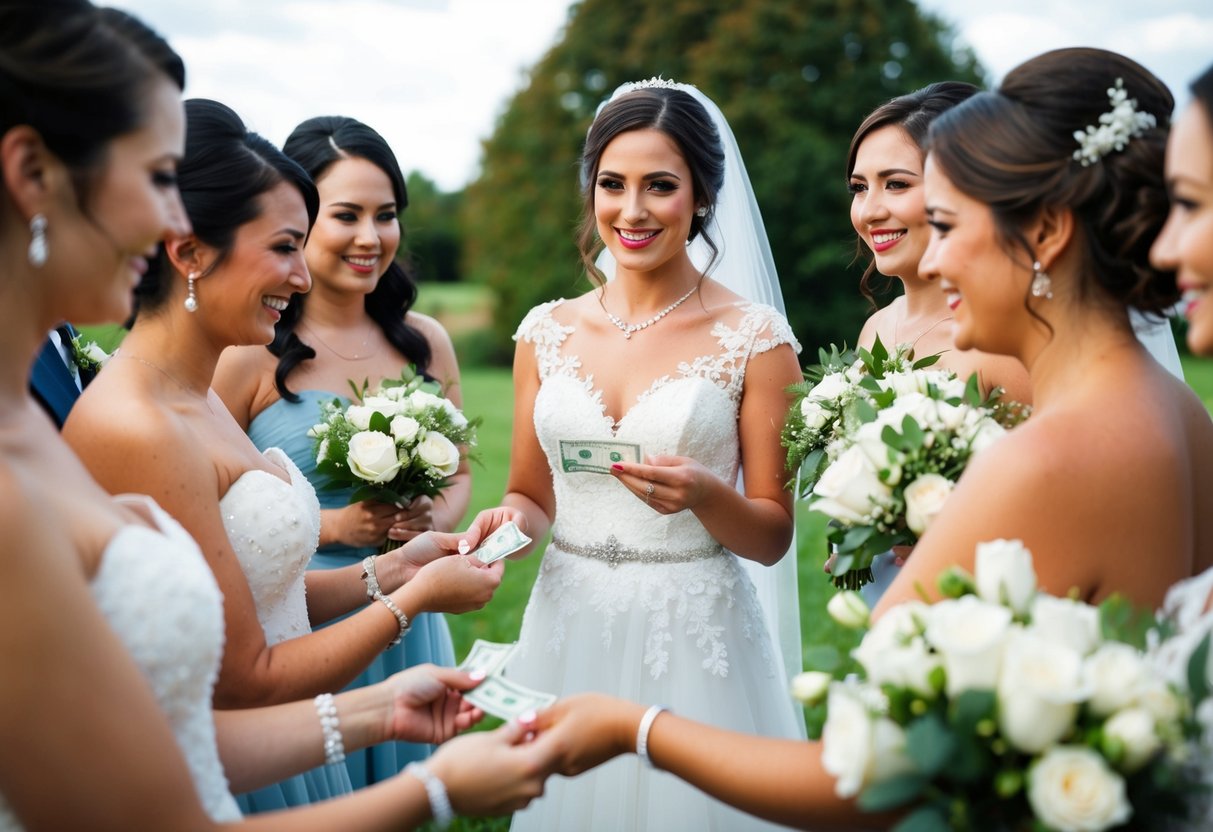
Being part of a bridal party comes with several expenses that can add up. Understanding these costs is important for both the bride and the bridal party members. Let’s break down the main expenses that you might encounter.
Bachelorette Party and Pre-Wedding Events
As a bridal party member, you typically help plan and pay for the bachelorette party. This can include expenses for food, drinks, and activities. Common choices are a weekend getaway, spa day, or a fun night out.
You might also have costs from the bridal shower and engagement party. These can include gifts, decorations, or contributions to the venue. It’s helpful to work with other bridesmaids to keep costs manageable while ensuring a memorable celebration.
Accommodation and Travel Costs
If the wedding is out of town, you’ll likely face travel expenses. This can include costs for gas, flights, or public transportation. Knowing the details early can help you plan your budget.
Accommodation can be another big expense. You may choose to stay in a hotel or book a rental property. Often, bridesmaids share rooms to save money. When booking accommodations, consider if the bride has arranged any group discounts or recommended places to stay.
Wedding Day Contributions
On the wedding day, you might need to cover costs like your dress or suit and accessories. Bridesmaids are often expected to pay for their attire, including shoes and jewelry.
You may also contribute to wedding day transportation, such as a shuttle for guests or a ride for the bridal party. It’s good to discuss these costs upfront. This way, everyone is on the same page and can budget accordingly.