
Do Brides Pay for Bridal Party? Exploring Costs and Expectations
Planning a wedding can be both exciting and overwhelming, especially when it comes to figuring out who covers the costs. Many people wonder about the financial responsibilities of brides and their bridal party. Generally, brides are expected to cover certain expenses for their bridal party, such as hair and makeup, while the rest are divided among those in the party.
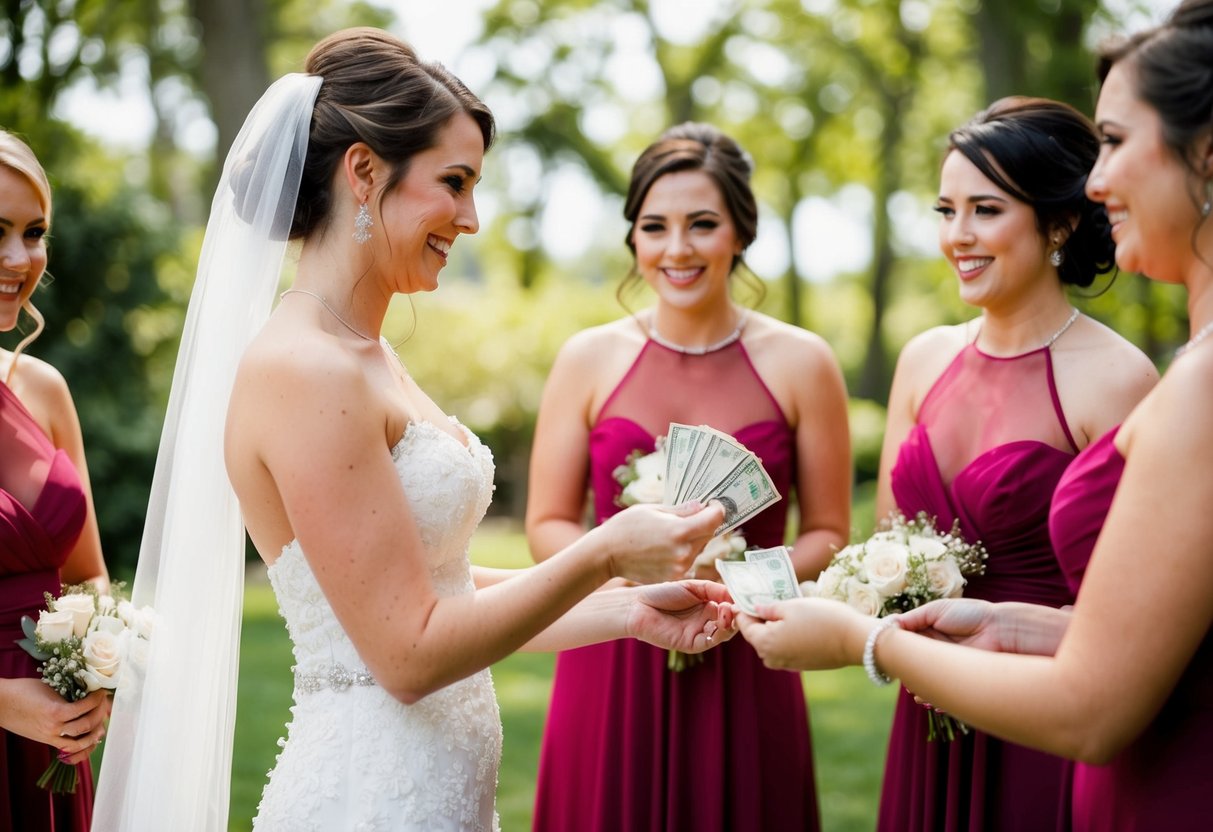
As you work through the details of your big day, it’s essential to communicate openly with your bridal party about expectations and costs. The bride’s family often takes on costs for the wedding, but when it comes to the bridal party, it’s common for members to help with pre-wedding events like the bachelorette party or bridal shower. Understanding these dynamics can help you plan your budget and keep everyone on the same page.
Navigating wedding etiquette is crucial, and knowing who pays for what can reduce stress and prevent misunderstandings. You’ll want to stay engaged with your bridal party to ensure everyone feels valued while keeping costs manageable. With clarity on these responsibilities, your focus can shift back to celebrating your special day with loved ones.
Roles and Responsibilities
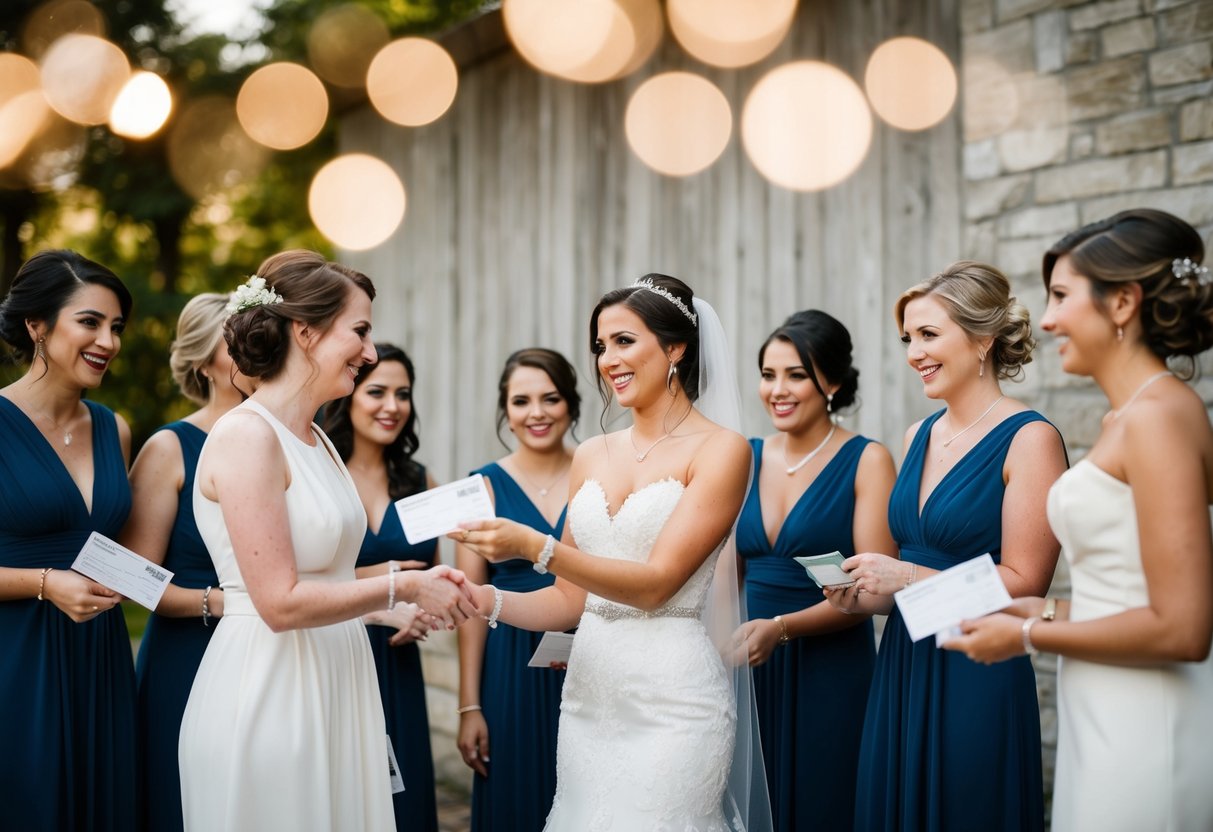
When planning your wedding, knowing the roles and responsibilities of everyone involved, especially the bridal party, helps in organizing the big day. Understanding who pays for what can also make the process smoother for everyone.
Understanding Bridal Party Roles
The bridal party typically includes the bridesmaids, groomsmen, flower girl, and ring bearer. Each person has specific duties. Bridesmaids help with wedding planning and support the bride emotionally. They stand by her side during the ceremony and often assist with tasks like addressing invites or organizing bridal showers.
Groomsmen also have essential roles. They support the groom, help plan the bachelor party, and ensure everything runs smoothly on the wedding day. The flower girl adds charm to the ceremony, while the ring bearer carries the wedding rings.
These roles are significant in making your wedding day unforgettable!
Expectations for Financial Contributions
Typically, the bridal party should expect to cover their own attire, including dresses or suits, shoes, and accessories. Each member might also need to pay for their hair and makeup for the big day.
In addition, costs for travel, accommodations, and gifts for the couple can add up. On average, the bridal party may spend between $1,200 to $1,700 each, especially for destination weddings.
Traditionally, the bride’s family covers the wedding costs, while the groom’s family usually pays for the rehearsal dinner. It’s vital to communicate these financial expectations clearly to avoid surprises later on.
Considerations for Wedding Attire
Selecting wedding attire involves careful thought about the styles, budget, and expectations of your bridal party. This includes choosing the right dresses for your bridesmaids and attire for the groomsmen.
Choosing Bridesmaid Dresses
When picking bridesmaid dresses, it’s essential to consider styles that match your wedding theme. Think about colors that complement your wedding gown.
Discuss with your bridesmaids to gather their opinions and ensure they feel comfortable.
Set a budget for the dresses, typically ranging from $100 to $300 each. It’s wise to provide options that are within this range.
Share ideas on shoes and accessories to create a cohesive look. Make sure to include details like boutonnieres in your plans to enhance their outfits further.
Don’t forget to allow your bridesmaids time to find dresses that suit their body types. This way, each member can feel confident and beautiful on your special day.
Financial Considerations for Groomsmen Attire
Groomsmen often handle their own attire costs, which can include tuxedo or suit rentals or purchases. These expenses typically range from $150 to $500.
Discuss the style and color scheme with your groomsmen early on, as this will help save confusion later.
Be clear about any accessories you want them to wear, such as ties or boutonnieres. Providing guidance helps maintain a unified look.
You can also suggest ideas for shoes that match their outfits.
Consider organizing a group rental to potentially lower costs. Creating a group chat can be a fun way to share ideas and coordinate fittings. This collaborative approach can strengthen your bond with your groomsmen while making the planning process enjoyable.
Pre-Wedding and Wedding Day Expenses
Managing expenses for pre-wedding events and the wedding day itself can seem overwhelming. You need to consider various costs associated with activities leading up to your big day and what to budget for the wedding.
Budgeting for Pre-Wedding Events
Pre-wedding events like the bachelorette party, bridal shower, and rehearsal dinner can add to your financial load.
Typically, bridal party members chip in for the bachelorette party, covering costs for food, drinks, and activities. Common choices include a weekend getaway or a fun night out.
For the bridal shower, costs may include venue rentals, decorations, and food. As the bride, you might want to help your bridal party understand your expectations for these events. This can make planning smoother for everyone while keeping expenses in check.
Allocating Wedding Day Costs
On the wedding day, costs can add up quickly.
The bride and family usually pay for the bridal party’s transportation to the venue. You also typically cover the wedding planner if you choose to hire one.
Brides often buy gifts for bridesmaids and flower girls to show appreciation. When budgeting, remember to include travel and accommodation costs for any out-of-town guests. This ensures a smoother experience for everyone involved and helps prevent unexpected financial stress as the big day approaches.
Post-Wedding Considerations
After the wedding, there are some important tasks to manage and ways to show appreciation to your bridal party. It’s essential to stay organized and thoughtful as you wrap up post-wedding details.
Managing After-Event Tasks
You will have various tasks to complete after your wedding day. One key item is handling your marriage license. Ensure you file it according to your state’s requirements. This step is vital for making your marriage official.
Next, consider your thank-you notes. It’s a kind gesture to express gratitude to guests who brought gifts or attended your special day. Aim to send these notes within a few months.
Finally, take care of items like the bride’s bouquet. You can choose to preserve it for memories. Also, settle any outstanding costs related to wedding invitations or other wedding expenses. Keeping track of these details will help ensure a smooth post-wedding transition.
Showing Appreciation to the Bridal Party
Your bridal party supported you throughout your wedding journey, so you should show your appreciation. A thoughtful way to do this is by sending them personalized thank-you gifts. This could be anything like a spa day experience or a custom piece of jewelry.
Plan a get-together, such as a brunch or dinner, to celebrate your friendships. Sharing stories and memories from the wedding strengthens your bond.
Remember, small gestures like sending a heartfelt card or a message can also mean a lot. Let your bridal party know how much their support meant to you. Showing appreciation helps to keep those connections strong even after the celebrations are over.