
Do Bridesmaids Have to Be Female? Exploring Modern Wedding Roles
When planning your wedding, you might wonder about the role of bridesmaids. Bridesmaids do not have to be female; they can be anyone you choose, including male friends or family members. This flexibility allows you to create a wedding party that truly reflects your personality and relationships.
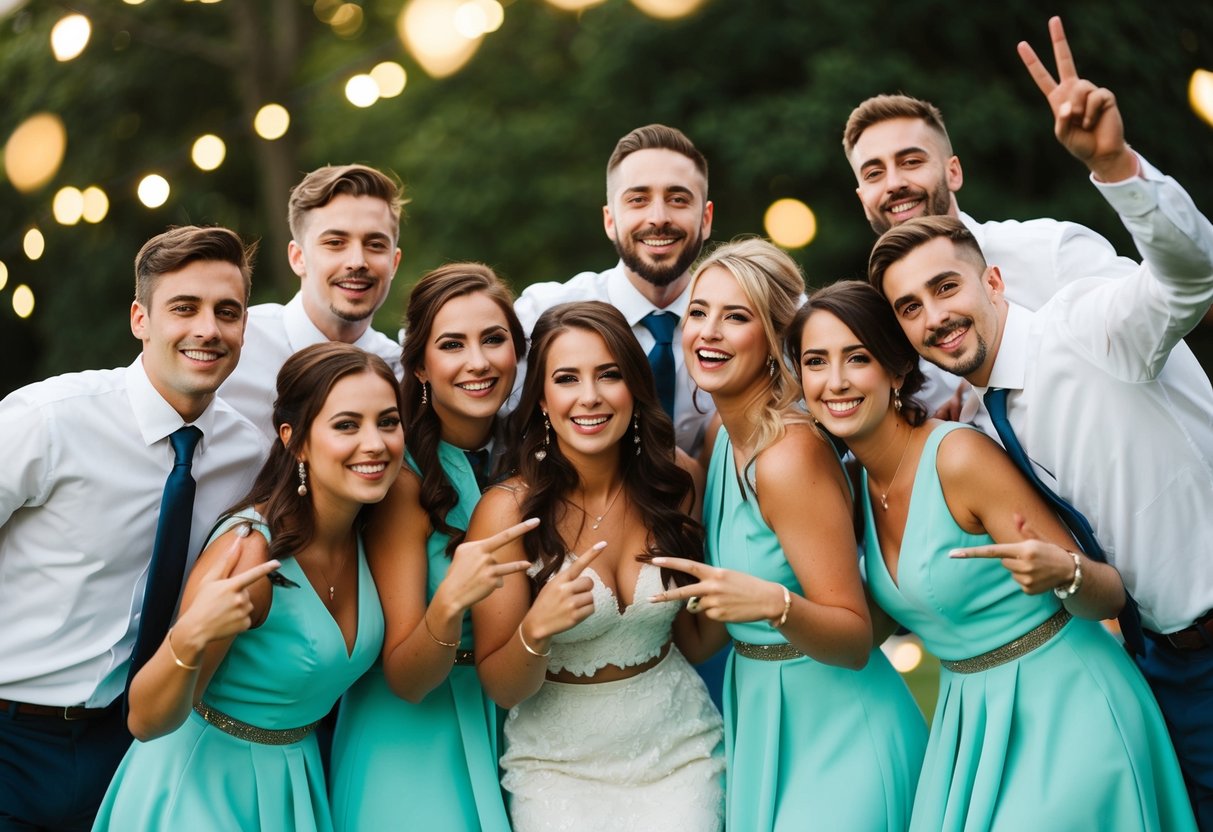
Traditions around weddings have changed significantly over the years. Many couples are now opting for a more inclusive approach. Whether you envision your best friend, sister, or even a close male companion by your side, the most important thing is that they support you on your special day.
As you dive into your wedding planning, remember that it’s your celebration. Including whoever brings you joy is what matters most. Embrace the freedom to choose a wedding party that makes you feel happy and loved.
The Role and Duties of Bridesmaids
Being a bridesmaid involves various important responsibilities that help ensure the wedding day goes smoothly. From emotional support to practical tasks, your role as a bridesmaid is significant, whether you’re part of the bridal party traditionally made up of women or embracing a modern interpretation of the role.
Traditional Responsibilities
Traditionally, bridesmaids have a set list of duties that focus on supporting the bride before and during the wedding. You often start with planning responsibilities, which can include attending dress fittings and helping choose the bridesmaid dress.
On the wedding day, your tasks may involve assisting with getting ready, providing snacks, and ensuring the bride is calm and collected. During the wedding ceremony, you stand by her side, showing unity and support. Afterward, being a lively presence at the wedding reception helps create a joyful atmosphere.
Modern Expectations
In today’s weddings, the expectations for bridesmaids have evolved. You might find yourself involved in more personalized tasks, such as helping plan bridal events like the bridal shower or bachelorette party.
Communication with the bride is key, as she may have specific requests or preferences. Some brides may ask for help running errands, such as picking up decorations or coordinating with vendors. Your involvement can extend beyond just helping during the wedding; it’s about being there for the bride throughout the planning process.
Support Beyond Gender
While the traditional view of bridesmaids often includes only women, modern weddings are more inclusive. Anyone can take on the role, regardless of gender. This shift reflects a broader understanding of support and friendship.
Whether you are the maid of honor or just another bridesmaid, your emotional support can be invaluable. Attending pre-wedding gatherings, listening to concerns, and being a shoulder to lean on during stressful moments make you an essential part of the bridal party. The key is to adapt to the couple’s preferences while still fulfilling your roles and responsibilities as a supportive friend.
The Evolution of Bridal Parties
Bridal parties have a rich history that reflects changing social norms and cultural practices. The roles and genders of those in these positions have evolved significantly over time, shaping modern weddings as we know them today.
From Ancient Roots to Victorian Times
In ancient cultures, bridesmaids were often chosen to protect the bride from evil spirits. They would dress alike to confuse any malevolent beings that might disrupt the ceremony. This notion shifted over the centuries as weddings became more formal rituals.
By the Victorian era, the tradition of bridesmaids started to mirror modern roles. Queen Victoria’s wedding in 1840 marked a turning point. She had a bridal party dressed in matching dresses, leading to the Western bridesmaid tradition as we recognize it today. At this time, having female friends and relatives as bridesmaids became standard practice.
Modern Wedding Party Dynamics
Today, the roles within wedding parties are more diverse. While you still see women as bridesmaids, there’s an increasing acceptance of different arrangements. Many weddings now include bridesmen or a man of honor, showing that these roles are not strictly limited by gender.
Modern weddings often reflect personal choices, with some couples choosing to do away with traditional bridal parties altogether. In this dynamic setting, you are free to select individuals who support you emotionally, regardless of gender. This evolution welcomes all types of relationships, emphasizing the importance of love and support on your special day.
Cultural and Social Considerations
Understanding the cultural and social factors around bridesmaids can help you make informed decisions for your wedding. Customs vary across cultures and can be influenced by family size, marital status, and social norms.
Diverse Wedding Customs
In different cultures, the roles in wedding parties can greatly vary. For instance, in some traditions, bridesmaids might be called “sponsors” and have distinct duties during the ceremony.
In Japan, the traditional Shinto ceremony has bridesmaids who conduct tests for the groom. This shows how social acceptance can differ based on local practices.
Many communities blend modern views with traditional roles. This allows for flexibility in choosing who stands by you, regardless of their gender.
Socioeconomic and Marital Influences
Your choices might also reflect your socioeconomic class and personal relationships. In some cultures, larger family sizes might mean more bridesmaids, creating a richer experience.
Marital status can affect who you select. Married women being bridesmaids is now perfectly acceptable, breaking traditional rules. This shift comes as people embrace inclusivity and modern relationships.
Religious customs might also play a role. For example, biblical stories often feature handmaidens, who were trusted companions.
Socialization standards differ, but an increasing number of weddings see a mix of genders in wedding parties. This trend is reshaping perceptions, allowing personal connections to lead decisions over rigid traditions.