
Do Bridesmaids or Bride Go First? Understanding Wedding Processional Traditions
Choosing the right order for your wedding processional can feel overwhelming, but it’s an important aspect of your ceremony that sets the tone for the day. Typically, the bride walks down the aisle last, following the bridesmaids and groomsmen. This order creates an exciting build-up, allowing everyone to anticipate your entrance as the star of the show.
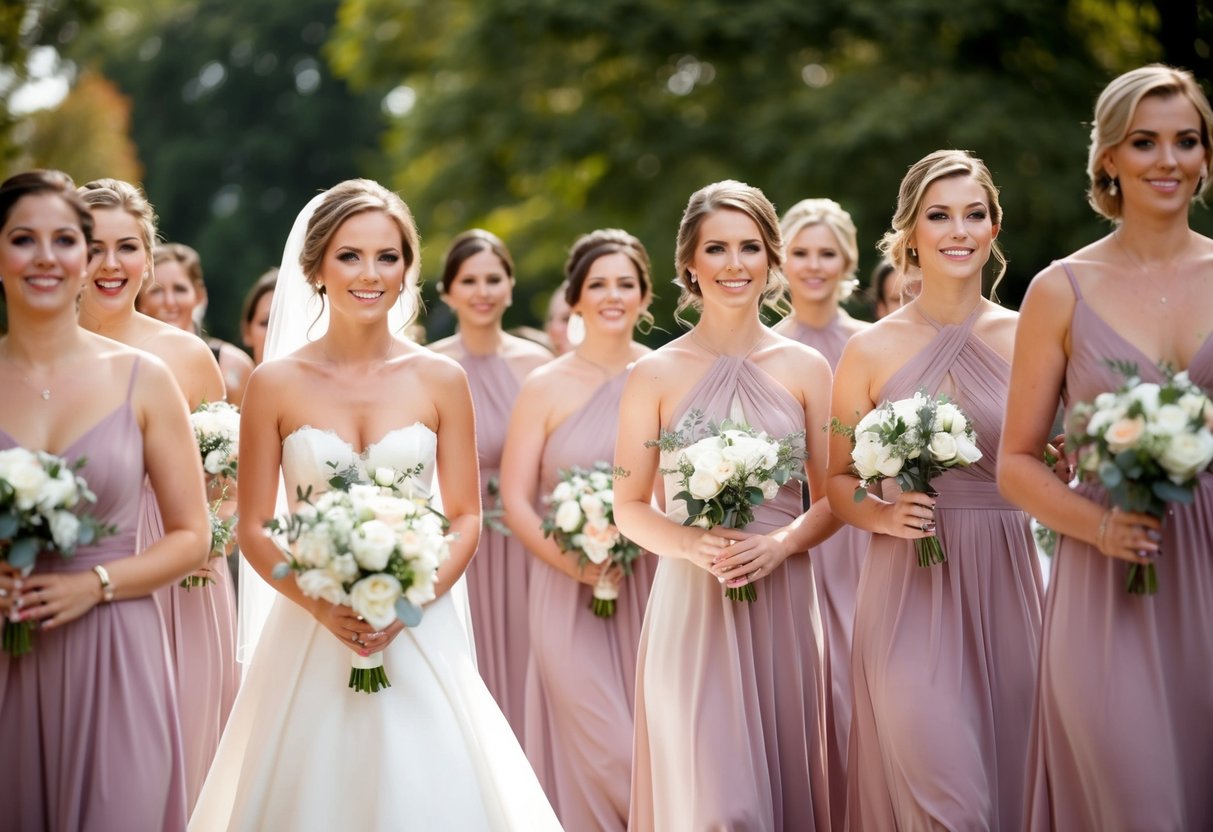
As your wedding day approaches, think about how you want your loved ones to be featured during this special moment. Many couples choose a traditional approach where the bridesmaids walk down before the bride, enhancing the overall celebration. The anticipation of your arrival can make the ceremony feel even more magical.
Ultimately, the choice is yours. Whether you decide to mix things up or stick to tradition, make sure it reflects your style and the unique love story you are celebrating. Your wedding is all about you, and having a processional order that feels right will add to the joy of walking down the aisle.
Understanding the Wedding Processional
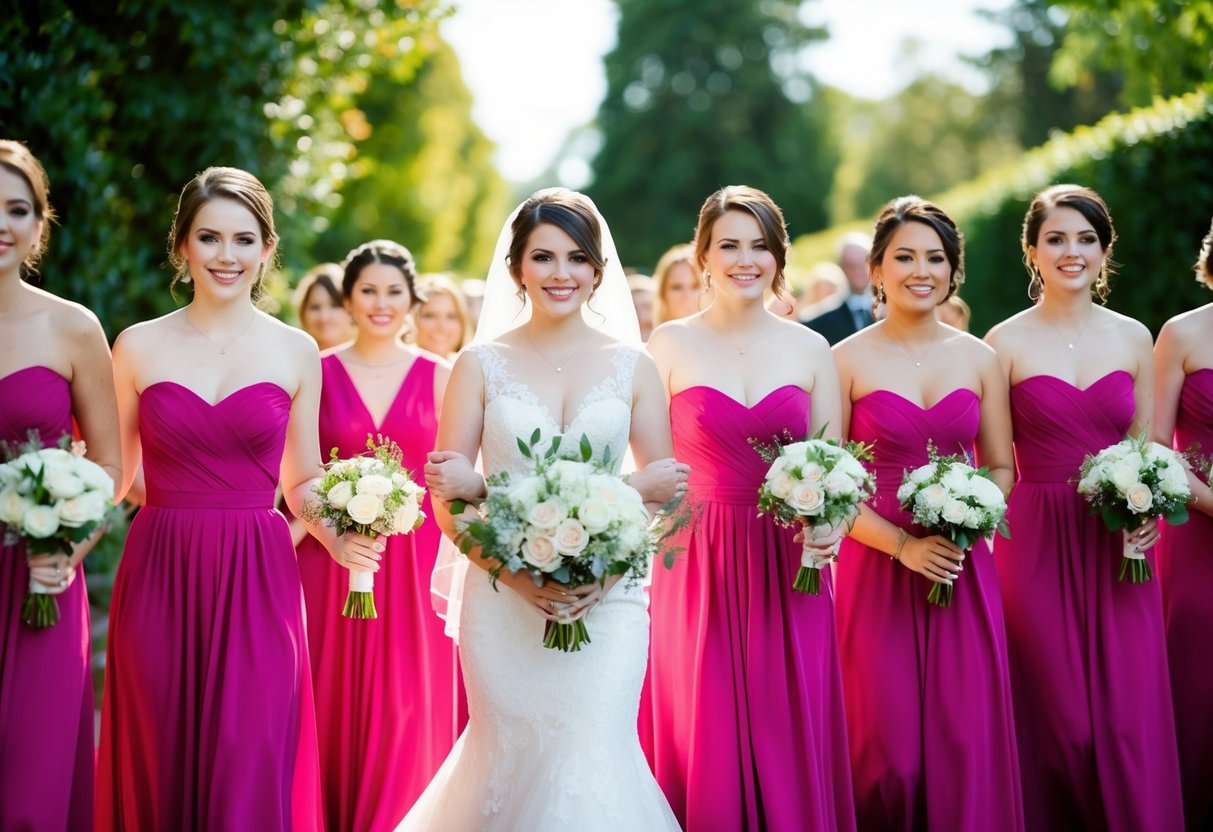
The wedding processional is an essential part of the ceremony. It sets the tone for the event and involves the key members of the wedding party walking down the aisle in a specific order. Each person has a distinct role that contributes to this important moment.
Roles in the Processional
In a wedding, each member of the wedding party has a specific role during the processional.
- Groom: The groom usually enters first, often accompanied by his parent or the officiant.
- Best Man and Groomsmen: They follow the groom, providing support and standing by him during the ceremony.
- Maid of Honor and Bridesmaids: The maid of honor walks alongside the bridesmaids, typically dressed in similar attire to the bride.
- Flower Girl: This young girl walks down the aisle, scattering petals to create a beautiful path for the bride.
- Ring Bearer: He carries the wedding rings, symbolizing the promise of the couple.
These roles help showcase the support around the couple, adding significance to the ceremony.
Order of Entrance
The order of entrance in the wedding processional can vary, but a traditional format often goes like this:
- Officiant: The officiant enters first to prepare for the ceremony.
- Groom: Walks down the aisle next.
- Best Man and Groomsmen: They follow the groom.
- Bridesmaids: Enter in pairs or one by one, depending on the couple’s preference.
- Flower Girl: Comes right before the bride, creating anticipation.
- Ring Bearer: He follows the flower girl, adding charm to the procession.
- Bride and Father of the Bride: The bride makes her grand entrance, often escorted by her father.
This order can be adjusted based on personal preference, including variations like having the flower girls enter first or a special arrangement for grandparents.
Traditional and Cultural Variations
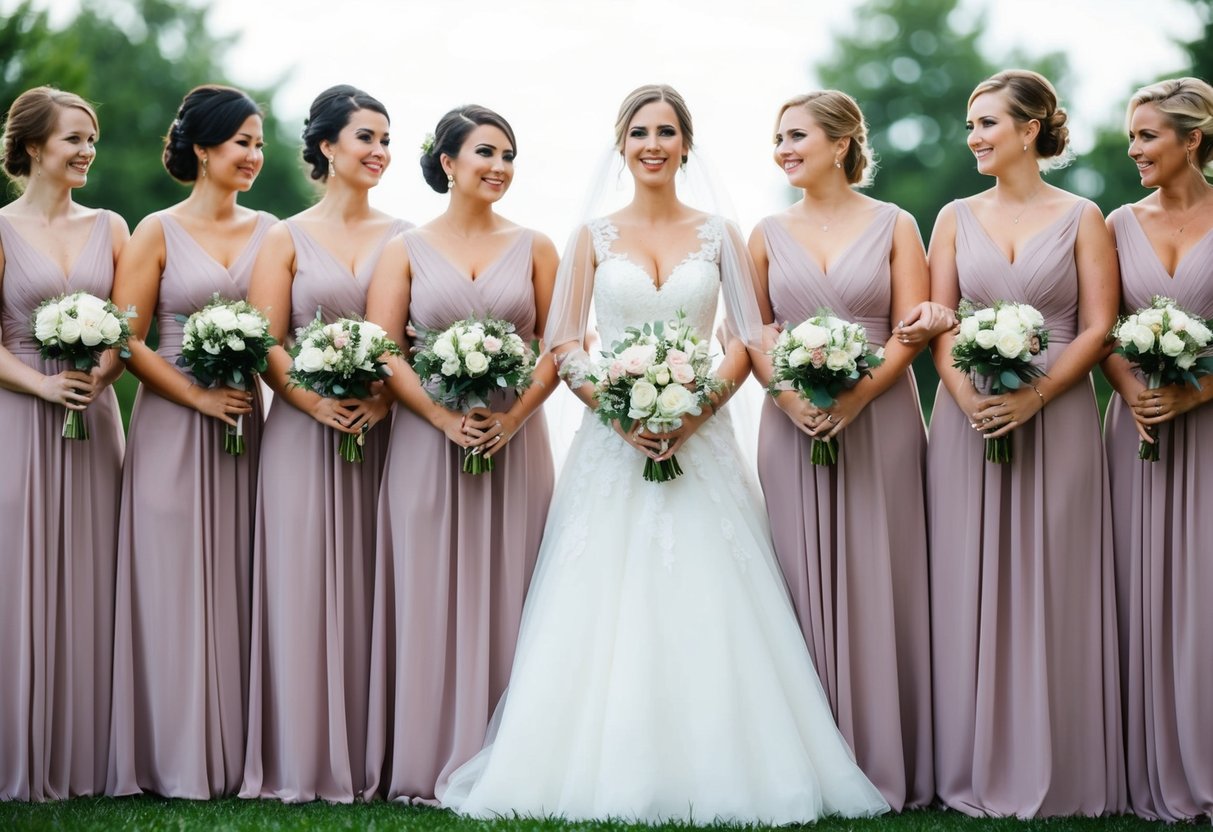
Different cultures and traditions influence the order of the wedding processional. Understanding these variations helps you decide what feels right for your ceremony. Below are key elements of traditional wedding orders for Christian, Jewish, Hindu, and non-denominational ceremonies.
Christian Wedding Ceremonies
In a traditional Christian wedding ceremony, the processional usually starts with the bridesmaids. They walk down the aisle before the maid of honor. After the wedding party has entered, the bride makes her grand entrance. It’s common for the bride to walk in with her father, creating a touching moment.
The order can vary slightly based on the specific Christian tradition. In a Catholic wedding processional, for instance, the altar is often the focal point, and the bride comes in last. The traditional order highlights the importance of the bride’s entrance in a Christian setting.
Jewish Wedding Celebrations
Jewish weddings have their own unique processional. The groom typically enters first, often accompanied by his parents. This symbolizes the beginning of the ceremony.
Following him, the wedding party enters, which may include bridesmaids and the maid of honor. In many Jewish weddings, the bride walks in last, usually under a chuppah, signifying her importance.
The Jewish wedding processional order is thoughtfully designed to create anticipation for the bride’s arrival. This format adds to the emotional atmosphere of the celebration.
Hindu Wedding Rituals
Hindu wedding ceremonies include rich traditions, with a detailed processional order. The groom often arrives first in a procession called a baraat, accompanied by music and dancing. This lively entrance sets a festive tone.
The bride’s family typically welcomes the groom before the bride makes her entrance. The bride walks in after rituals, often under a beautifully decorated mandap, which is the wedding canopy.
This sequence creates a sense of celebration and highlights the importance of both families. Each step has deep symbolic meaning, enriching the overall experience.
Non-Denominational and Secular Ceremonies
Non-denominational and secular weddings offer more flexibility in the processional order. You can choose to adapt traditional elements or create something entirely unique. Often, bridesmaids walk in first, followed by the maid of honor.
The bride usually arrives last, marking her significant moment.
Couples can also decide to include personal touches, such as music and procession styles that reflect their personalities and values. This adaptability allows you to create a meaningful experience tailored to your vision.
Special Ceremony Moments
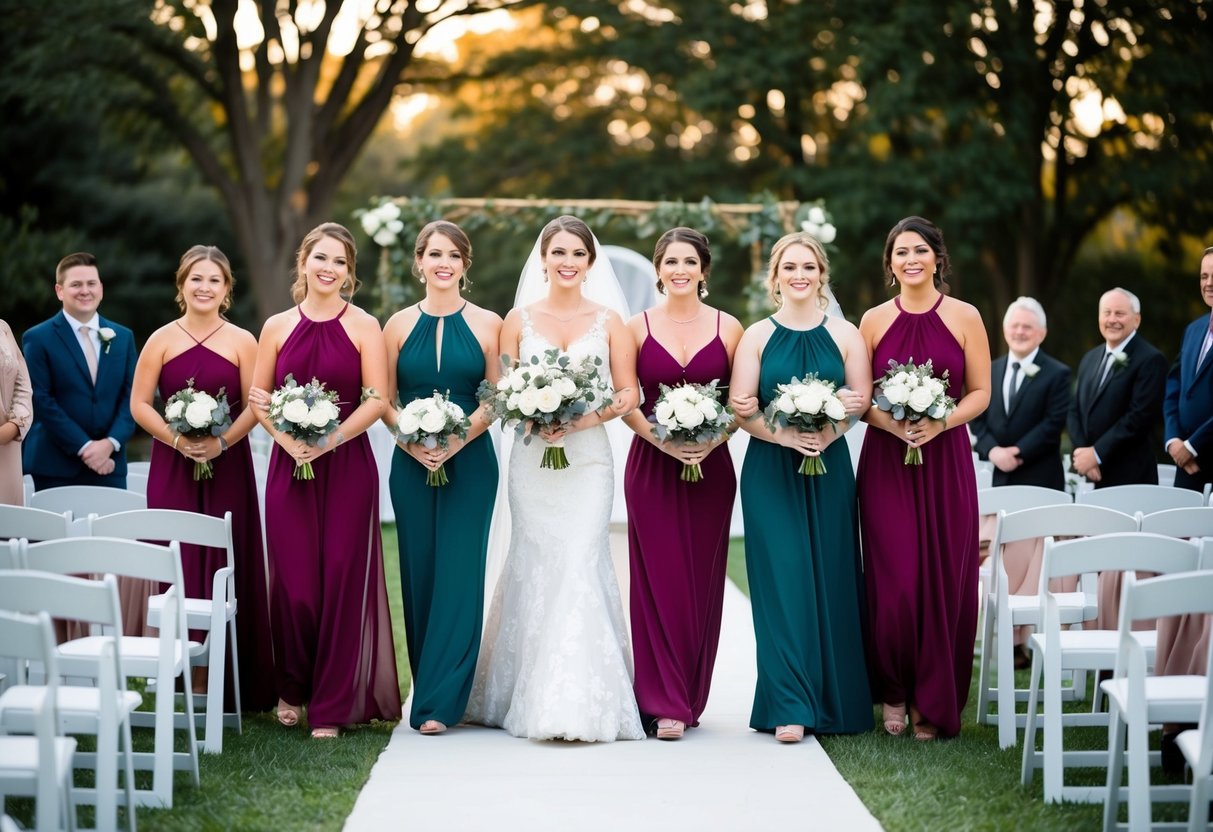
Special moments during the wedding ceremony create unforgettable memories. The right music, emotional expressions, and personal touches can enhance the experience for everyone involved. Here’s a closer look at these meaningful highlights.
Music and Ambiance
The choice of music sets the tone for your ceremony. You might opt for a classic wedding processional song like the “Bridal Chorus,” which adds elegance as you walk down the aisle.
Consider the prelude music that guests hear while waiting. It can create a warm atmosphere and build anticipation.
During the ceremony, the right emotional moments often coincide with music, such as when the couple exchanges vows or shares their first kiss.
Don’t forget about the recessional music as you leave. This is a celebratory moment! Choosing a cheerful song can reflect your joy and set the mood for the reception.
Emotion and Expression
Weddings are filled with emotional moments that highlight love and joy. Expect tears of happiness from the bride, groom, and their families. These genuine reactions can capture the essence of the day.
As you walk down the aisle, your dress and veil can add to the moment. The sight of you in your gown often brings smiles and tears from loved ones. It’s all about connection.
Consider including personal vows or readings, allowing your personality to shine through. Sharing heartfelt words can deepen the emotional impact of the ceremony and make it even more special.
Personalizing The Processional
Who walks down the aisle first? This decision is personal and can vary by preference. Traditionally, bridesmaids precede the bride, but some couples choose different patterns.
You can personalize your processional by selecting who walks with whom. Maybe your best friend or a family member walks beside you instead of being part of the wedding party.
Adding unique elements also makes it memorable. Consider including a special song or a family member’s favorite tune to make the moment more meaningful. It’s your day, so make choices that reflect your style and story.