
Do Bridesmaids Sit Down During a Ceremony in the UK? Understanding Wedding Traditions
When it comes to UK wedding traditions, the role of bridesmaids can vary. Many people wonder whether bridesmaids sit down during the ceremony or remain standing by the bride’s side. In the UK, bridesmaids sit during the ceremony, often in the front row. This allows them to share the moment while still being close to the couple.
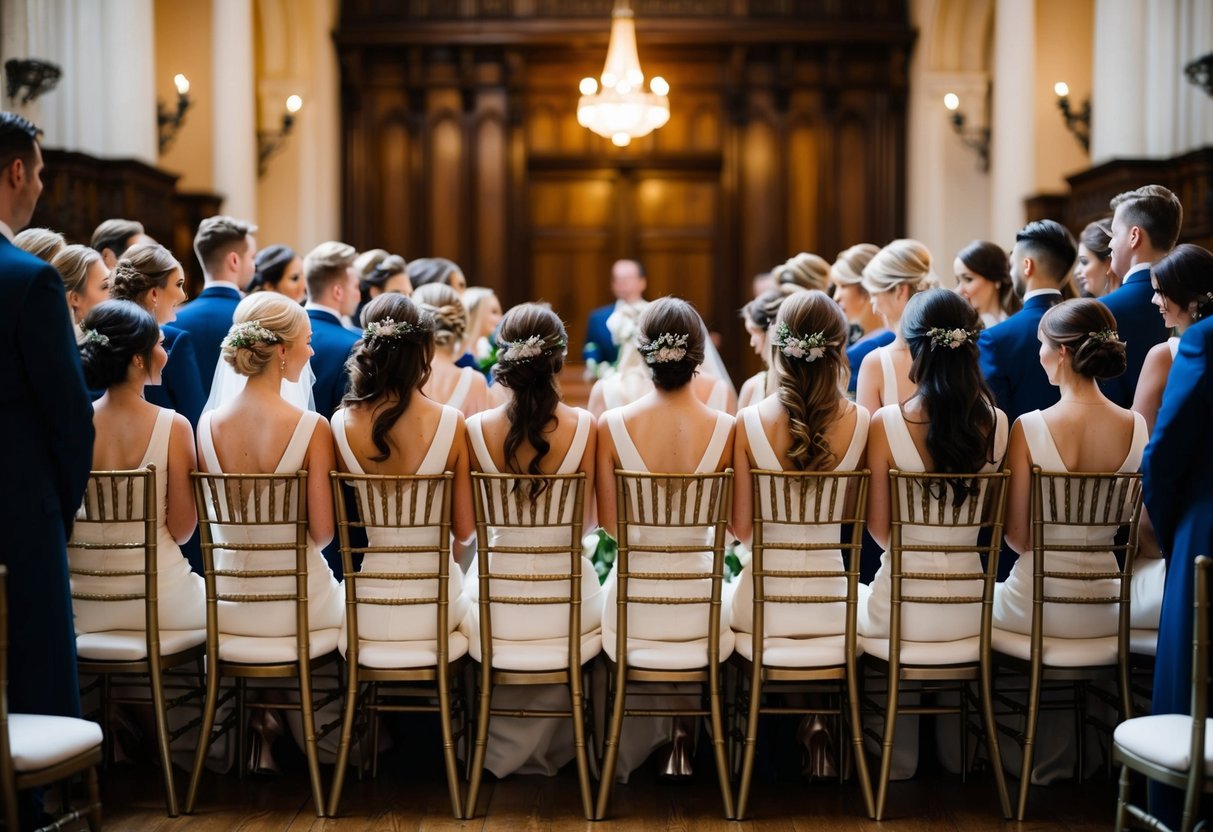
Cultural traditions also play a role in this decision. While UK bridesmaids are usually seated, in some settings, they might stand alongside the bride and groom, especially in more formal ceremonies. If you’re planning a wedding, considering how you want your bridal party to participate can make the day feel even more special.
The Role of Bridesmaids in UK Weddings
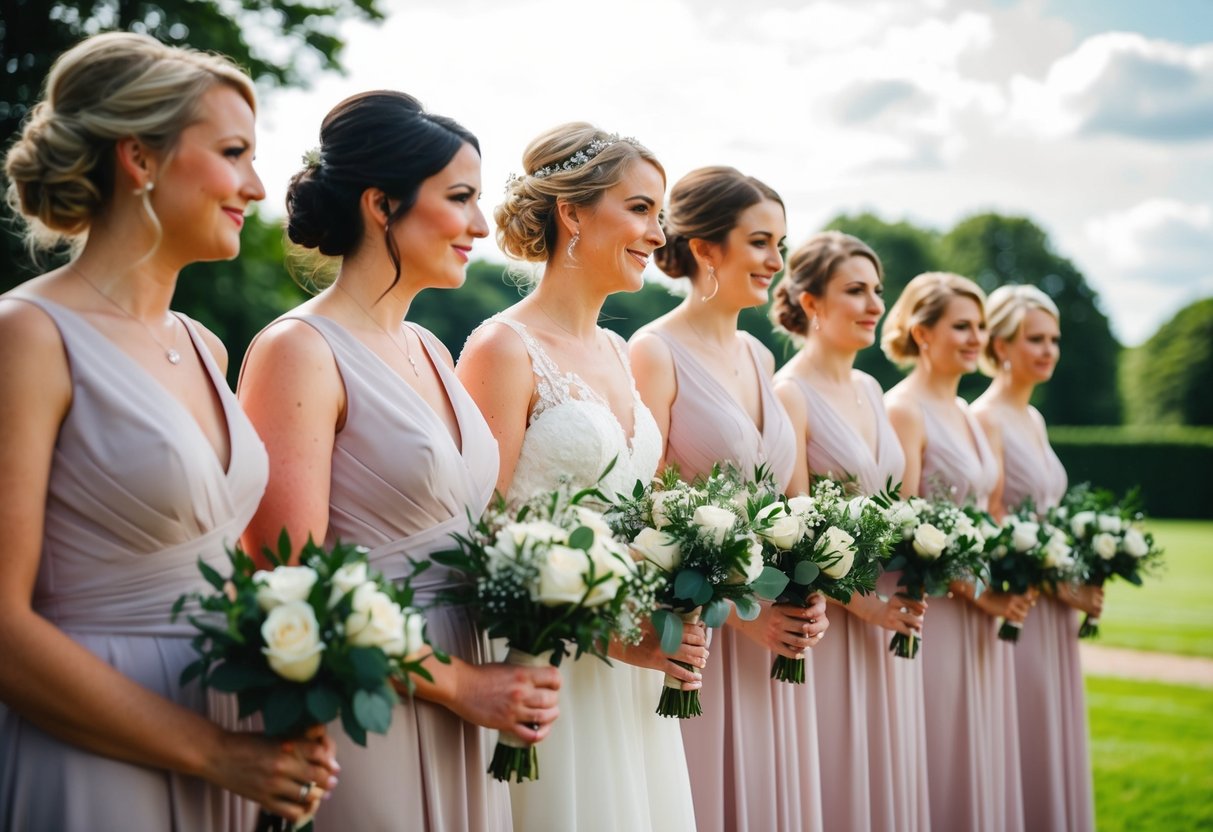
In UK weddings, bridesmaids play an important role. They support the bride during planning and on the big day.
Typical Duties Include:
- Helping with Planning: Assist with tasks like organizing the bridal shower.
- Holding the Bride’s Bouquet: Make sure to have someone ready to take the bride’s bouquet during the ceremony.
- Transportation and Prep: Coordinate travel to the venue and help the bride get ready.
The chief bridesmaid, also known as the maid of honour, usually has additional responsibilities. This includes leading the bridal party and making sure everything runs smoothly.
During the ceremony, bridesmaids traditionally sit in the front row, opposite the groomsmen. This is different from many places where they stand throughout the service.
Traditional Order of the Wedding Processional:
- Groomsmen and Bridesmaids
- Maid of Honour
- Bride
Bridesmaids are there not just for looks but to ensure that your wedding day flows seamlessly. Their support can make a big difference, helping you enjoy this special moment with friends and family.
Ceremony Seating Arrangements
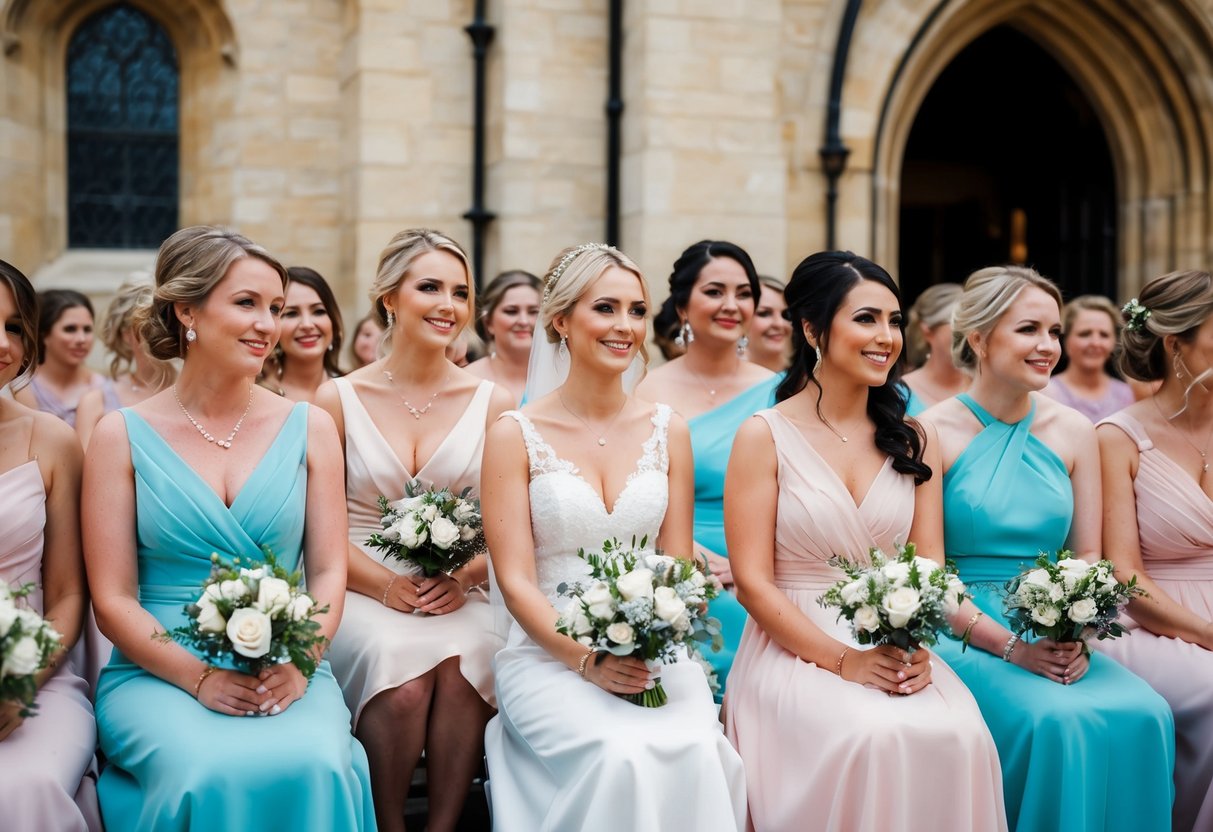
Choosing how to arrange seating during a wedding ceremony is important. You need to consider family dynamics and etiquette to respect everyone involved, especially in situations where parents are divorced. Here are some key aspects to think about.
Assigned Seating and Respect
When it comes to assigned seating, planning can help avoid any discomfort. It’s essential to think about who sits where. A good start is to place immediate family members in the front rows.
Example of a potential seating chart:
- Front Row: Bride’s parents, Groom’s parents
- Second Row: Grandparents and siblings
By being mindful of relationships, you show respect towards family members. This can also ease tension, creating a positive atmosphere for everyone. Make sure to communicate the seating plan to your guests clearly—perhaps through a program or signs at the venue.
Seating Divorced Parents
When parents are divorced, seating becomes even more delicate. The goal is to avoid any awkwardness on the big day.
One common approach is to seat each parent with their significant others on opposite sides of the aisle.
Example:
- Bride’s mother on the left side with her guests
- Bride’s father on the right side with his guests
This arrangement allows both parents to feel included without causing discomfort. You can further ensure harmony by discussing the seating plan with each parent beforehand. This way, everyone knows the plan and can feel comfortable during the ceremony.
Wedding Processional and Order
Understanding the wedding processional is important for a smooth ceremony. This section explores the traditional and modern orders of the processional, along with the specific roles involved in walking down the aisle.
Traditional vs. Modern Processional Order
In traditional weddings, the processional order is quite fixed. It often starts with the officiant, followed by the groom and his groomsmen. Then, the bridesmaids walk down the aisle, either in pairs or singly. Finally, the flower girl and ring bearer make their way to the altar.
In contrast, modern weddings may mix things up. Couples often personalize their processional based on what feels right for them. For example, some brides choose to enter with their father or both parents. This flexibility allows you to create a unique grand entrance that reflects your style and preferences.
Specific Roles in the Processional
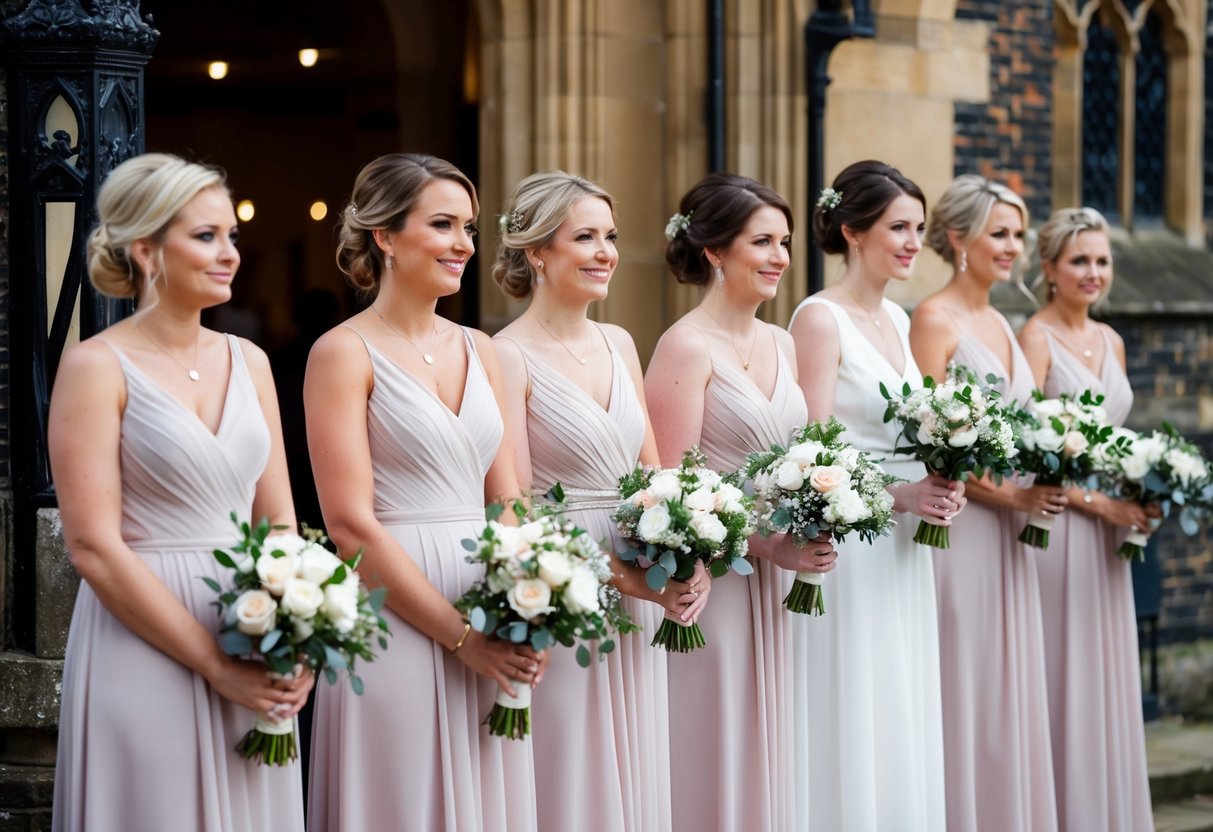
Each participant in the wedding procession has a specific role. The officiant is typically the first to walk down the aisle, preparing to lead the ceremony. The groom follows, often with his groomsmen beside him. Next, the bridesmaids walk down the aisle, usually in their matching dresses, bringing joy and elegance to the scene.
The flower girl tosses petals, adding a sweet touch, while the ring bearer carries the wedding bands, often on a special pillow. These roles not only signify their importance but also contribute to the visual charm of your ceremony, aligning with cherished wedding traditions while offering room for modern twists.
Ceremony Etiquette and Considerations

When planning your wedding, understanding ceremony etiquette can help you make decisions about where bridesmaids should sit. Factors like religious traditions and personal preferences play a big role in this choice.
Religious vs. Non-Religious Wedding Traditions
In Christian weddings in the UK, bridesmaids traditionally stand at the altar during the ceremony. This position symbolizes their support for the bride.
For non-religious ceremonies, you have more flexibility. If you prefer a relaxed atmosphere, feel free to have your bridesmaids sit. Consider the type of ceremony and how formal it is. This reflects your personal style and values.
Jewish ceremonies may differ. Bridesmaids can stand alongside the bride, but arrangements can vary based on family traditions. Always communicate your preferences to the wedding planner to align everyone’s expectations.
Interpreting Seating Etiquette
When you determine seating for your bridal party, think about the overall flow of the ceremony. Traditionally, the wedding party stands next to the bride and groom, showing unity.
If you decide to let bridesmaids sit, place them in the front row on the bride’s side. This allows for a visual connection without overshadowing the couple.
Discuss any special arrangements with the officiant to avoid confusion. They can help guide you on customary practices based on your chosen ceremony type.
Always prioritize comfort for your wedding party, as they play a key role in your special day.