
Do Couples Read Vows Before Wedding? Exploring the Importance of Personal Touches in Your Ceremony
Reading vows before the wedding is a choice that many couples consider as they plan their big day. Couples can indeed share their wedding vows before the ceremony, creating a special moment just for themselves. This intimate exchange can help strengthen your bond and ease any nerves you might have about the public ceremony.
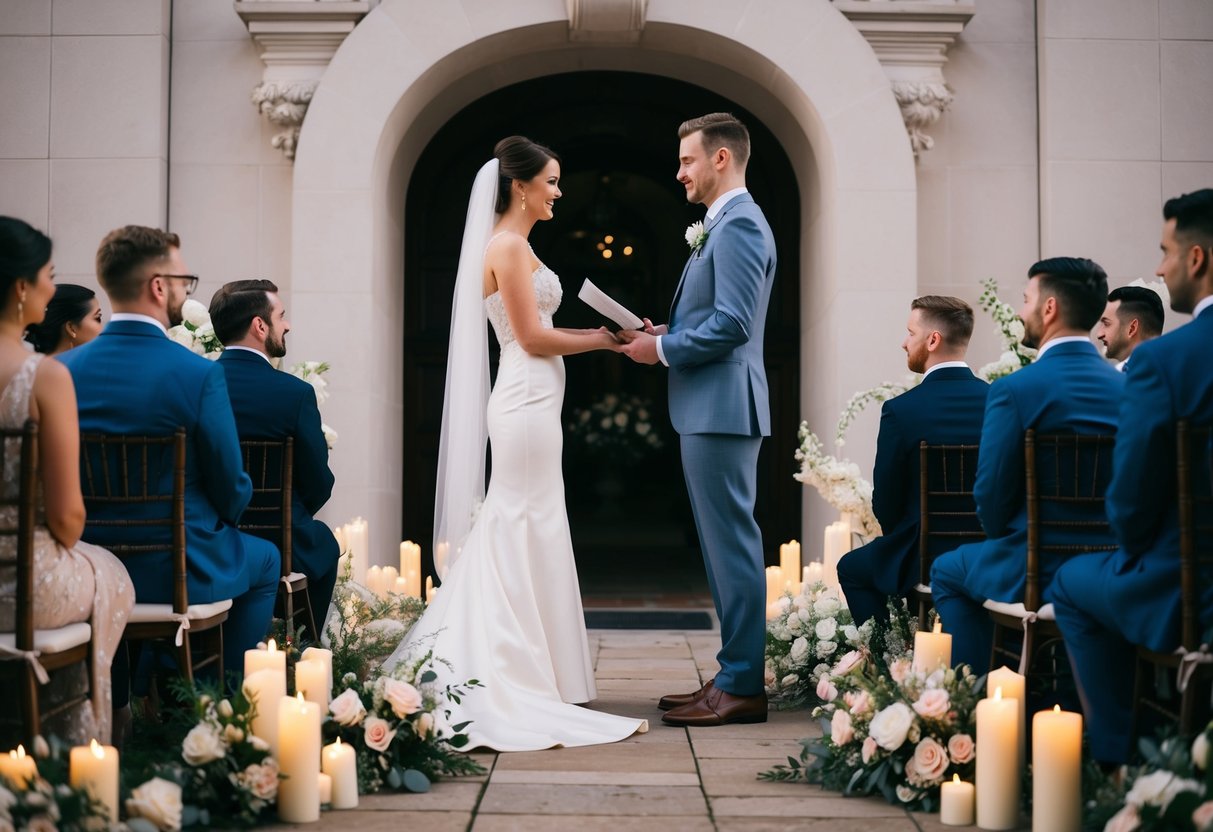
Whether you decide to read your vows privately during a first look or in a more secluded spot, this option offers a chance to focus on your love for each other. It allows you to express your feelings without the pressure of an audience. Many couples find that sharing vows in this way makes the official ceremony even more meaningful.
You may wonder if reading vows early takes away from the ceremony itself. However, it often enhances the experience, making the wedding day even more memorable. Embracing this personal tradition can be a beautiful way to celebrate your commitment.
Understanding Wedding Vows
Wedding vows are a central part of the ceremony. They reflect your commitment to one another and set the tone for your marriage. Understanding the significance of vows is important as they can come in various styles and forms.
The Role of Vows in the Wedding Ceremony
Vows play a vital role in the wedding ceremony. They are the promises you make to each other in front of family and friends. This moment often takes place during the vow exchange, conducted by an officiant.
The exchange usually follows a declaration of intent, where both partners affirm their desire to marry. This is not just ceremony; it’s a deep commitment. Sharing these heartfelt words can make the moment even more meaningful.
Whether you read traditional vows or write your own, this part of the ceremony solidifies your bond. It’s a way to express love and devotion on your special day.
Traditional vs. Personal Vows
Traditional wedding vows often follow a religious or cultural framework. These vows provide a sense of continuity and connection to history. Many couples choose this route to honor family traditions.
On the other hand, personal vows allow you to express your unique relationship. Writing your own vows gives you the chance to share specific promises and feelings that resonate with both of you.
Both types of vows serve the same purpose: to affirm your commitment. You can discuss with your wedding officiant about the best approach that suits your style and beliefs. Balancing tradition with personal touch is key to making this moment special.
Preparation Before the Big Day
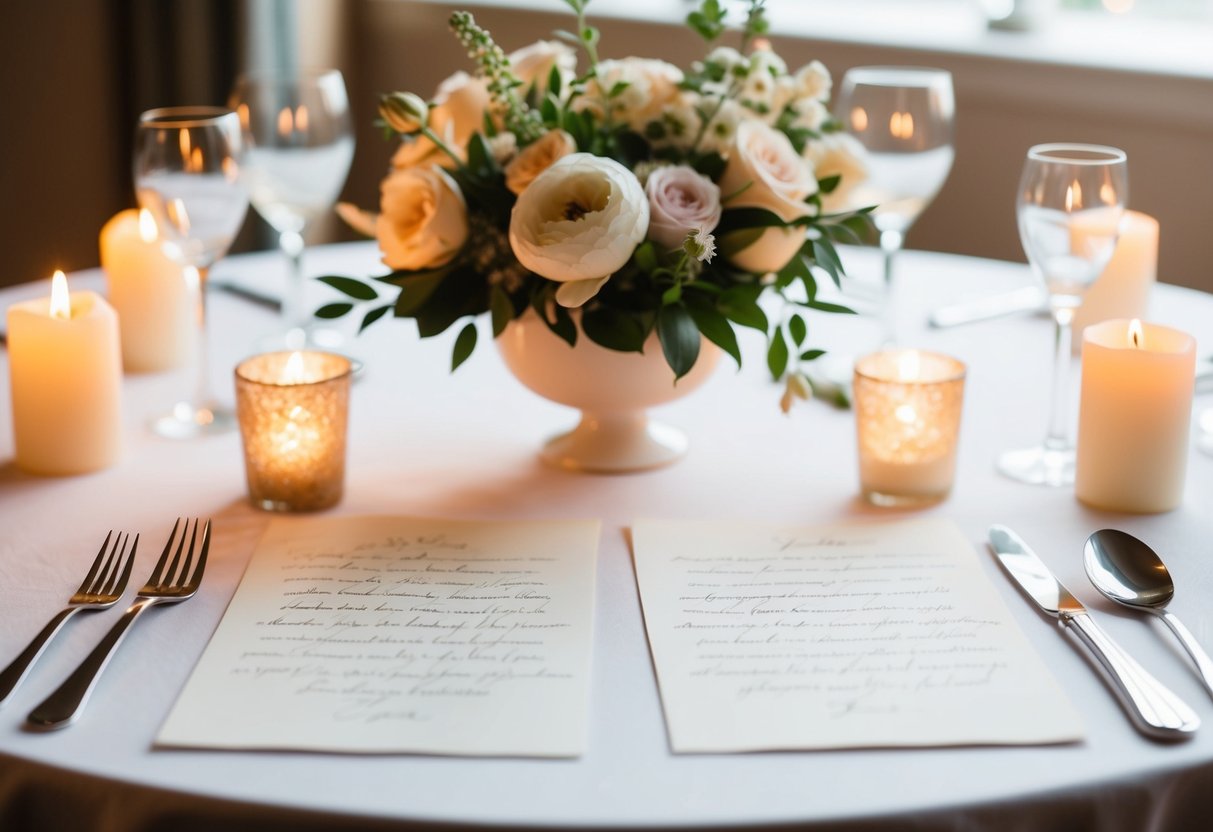
Before your wedding, getting ready for the big day includes important tasks related to your vows. Proper planning can ease nerves and make the ceremony feel even more special. Here’s what you need to focus on as you prepare.
Writing Wedding Vows
Writing your wedding vows is a personal and creative process. Start by reflecting on your love and what your partner means to you.
Key Tips:
- Be Authentic: Use your own words and emotions.
- Length Matters: Aim for about 1-2 minutes when reading them.
- Include Promises: Think about what you want to commit to in your marriage.
You can write them alone or together. Some couples prefer to keep them secret for a surprise. Consider seeking help from a wedding planner or celebrant for guidance. This can help shape your vows and make them even more meaningful.
Practicing the Vows
Once you’ve written your vows, practicing is essential. Rehearsal helps you deliver them confidently.
Practice Tips:
- Read Aloud: This allows you to find a comfortable pace and tone.
- Use a Mirror: Watching yourself can help you improve your delivery.
- Include Emotions: Think about how you want to express your feelings.
Practicing can ease some pre-wedding jitters, making the ceremony smoother. You might even share your vows with a trusted friend or family member for feedback. This can help you feel supported and more at ease.
The Role of the Wedding Officiant
Your wedding officiant plays an important role in your ceremony. This could be a marriage officiant, celebrant, or even a friend. They help guide the flow of the ceremony.
Key Responsibilities:
- Ceremony Structure: They ensure everything goes smoothly and on time.
- Vow Exchange: Officiants can read your vows if you choose not to, helping keep the focus on both of you.
It’s important to communicate with your officiant about your vows. Share your thoughts and any special requests. This teamwork can enhance your ceremony and make it unique to your love story.
The Vow Exchange Ceremony
The vow exchange is a central moment during the wedding ceremony. It is when you formally declare your love and commitment to each other. There are different ways to organize this part, whether you choose to keep it private or share it with your guests.
Order of Vows During the Ceremony
In a traditional wedding ceremony, the exchange of vows typically occurs after the officiant’s opening remarks and readings. You usually start with the vows before moving on to the ring exchange. This sequence helps build anticipation and sets the stage for a romantic moment.
You might have your maid of honor or best man hold the rings during this time. This order can create a nice flow to the ceremony, making the vow exchange feel even more meaningful. If you choose to personalize your ceremony, you can decide when to incorporate special traditions or speeches.
Private vs. Public Declarations
Choosing between a private or public vow exchange can set a different tone for your ceremony. Private vows are often shared in a more intimate setting, like before the wedding day or during a quiet moment at the venue. A private exchange allows you to express your deepest feelings without an audience, which can bring you even closer.
On the other hand, public declarations create a memorable experience for you and your guests. Sharing your vows aloud can enhance the romantic moment and make the ceremony feel more engaging. Many couples combine both, keeping some vows intimate while publicly declaring key promises during the wedding ceremony script.
Personalizing Your Ceremony
Making your wedding unique can be exciting and meaningful. Personalizing your ceremony allows you to express your love and commitment in a way that truly reflects you as a couple. Two key aspects to consider are incorporating unique traditions and choosing the right moment for your vows.
Including Unique Traditions
Embracing unique traditions can make your wedding ceremony even more special. Think about adding personal touches that reflect your backgrounds or values. For instance, you might include family heirlooms or engage in cultural rituals that hold significance for you both.
Consider ways to tailor elements like the exchange of rings or a special reading. You can also blend different traditions; for example, incorporating Christian wedding vows alongside secular sentiments can honor diverse beliefs. Don’t hesitate to drop formalities and have fun with your ceremony.
Choosing the Right Moment for Vows
Timing is everything when it comes to exchanging your vows. Some couples opt for private vows in a quiet spot before the main ceremony. This intimate moment can ease nerves and deepen your connection before the official exchange.
You might also choose to recite your vows during the ceremony in front of your guests. This makes the occasion feel more inclusive.
Think about what kind of atmosphere you want. An intimate setting can create a warm and personal experience, while sharing vows publicly can enhance the celebration feel.
Whatever you decide, ensure it reflects your unique love story.