
Do Evening Guests See First Dance? Understanding Wedding Traditions
As your wedding day approaches, you may wonder whether evening guests will see your first dance. Evening guests typically see the first dance. This is especially true if it happens later in the evening after dinner. This moment is a highlight of the celebration, allowing everyone to share in this special experience with you.
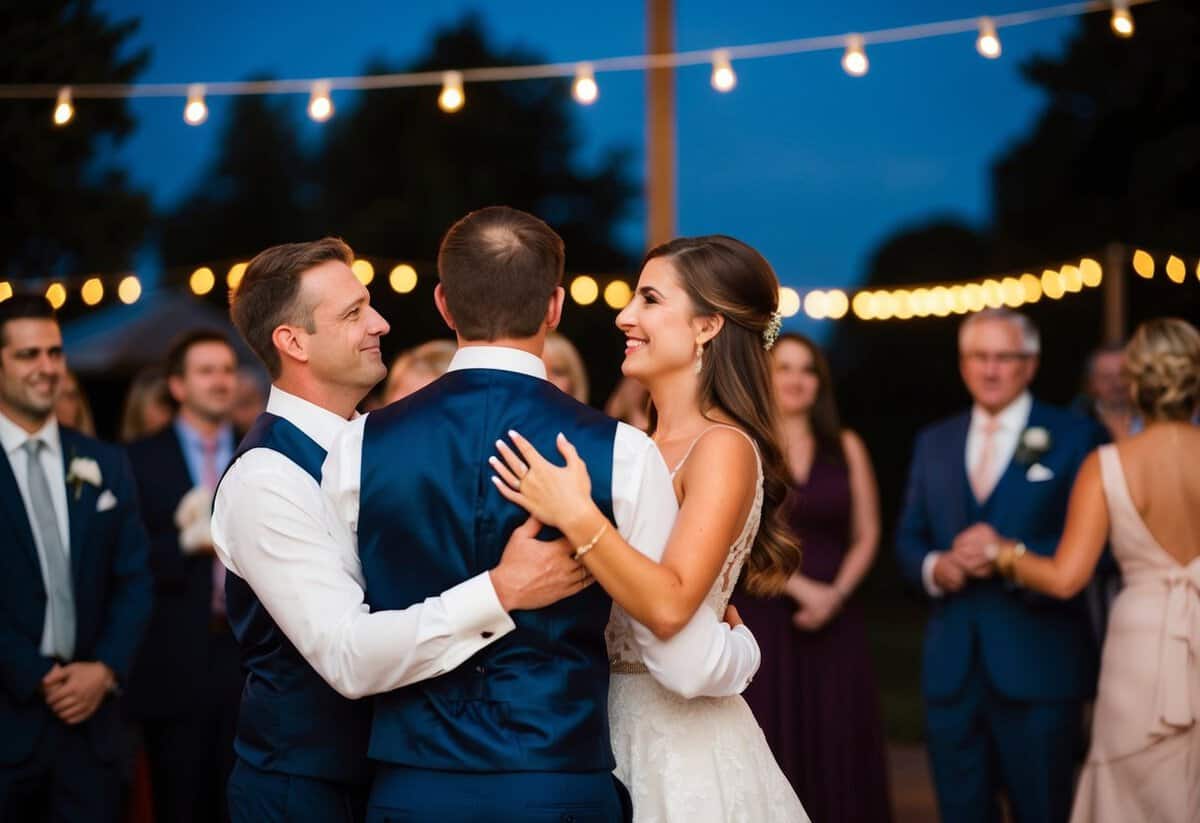
Planning the timing of your first dance can help ensure that all guests are present. Many couples choose to wait until after the wedding meal so that evening guests can arrive and join the festivities. It can create a magical atmosphere as everyone transitions from dining to dancing.
Keeping your evening guests in mind when scheduling this moment can enhance the enjoyment for everyone involved. Your first dance will not only mark your new journey together but also bring together all your loved ones in a joyful celebration.
The Significance of the First Dance
The first dance is a cherished moment that highlights the love between you and your partner on the wedding day. This dance often symbolizes the beginning of your married life and reflects both tradition and personal expression.
Traditions and Evolution
The first dance has a rich history, dating back to the 16th and 17th centuries when it was a highlight at formal balls. Traditionally, the bride and groom would take to the dance floor first, setting the tone for the celebration.
Over time, the significance of the first dance has evolved. While earlier dances focused on formal waltzes, modern couples often choose styles that better reflect their personalities. Whether it’s a heartfelt slow dance or an upbeat choreographed routine, this moment allows you to showcase your unique bond.
Choosing the Perfect First Dance Song
Selecting the right song for your first dance is crucial. It should resonate with your love story and evoke emotions.
Popular choices often include romantic ballads or songs that hold special meaning for you both. Think about songs that bring back memories or signify important moments in your relationship. You might prefer a classic love song or something contemporary. If you’re hesitant about traditional songs, consider first dance alternatives, like instrumental pieces or upbeat tracks that get everyone smiling.
Choose wisely, as this decision plays a major role in creating lasting memories for you and your guests.
Organizing the Evening Reception
Planning your evening reception is key to creating a fun and memorable experience for you and your guests. Knowing the order of events and how to incorporate music can make a big difference in keeping the energy high.
Reception Timeline and Order of Events
Establishing a clear timeline for your wedding reception can help everything run smoothly. Start by determining when you want your evening guests to arrive. A common time is around 7:00 to 7:30 p.m. After everyone is settled, you can kick off the festivities.
Consider the following order of events:
- Cocktail Hour – Guests enjoy drinks and appetizers.
- Dinner – Once everyone is seated, serve dinner.
- Toasts – Have family members or friends share their words.
- First Dance – Schedule this around 8:15 to 8:30 p.m. to ensure evening guests are present.
- Parent Dances – This can help transition into open dancing.
This structured timeline keeps your guests engaged and excited.
Incorporating Live Music and DJ
Choosing the right entertainment sets the tone for your evening. Think about a combination of live music and a DJ. A live band or wedding musicians can create a warm atmosphere during dinner. Many couples organize a live band for the reception to provide a unique touch.
After dinner, a DJ can get the crowd dancing with popular songs. This mix allows for several genres, making it enjoyable for all your guests. You might want to discuss song choices with your DJ in advance, ensuring they understand your preferences.
Whether you opt for a live band or a DJ, remember to communicate your timeline and special dances so they can plan accordingly.
Engaging Evening Guests in the Celebration
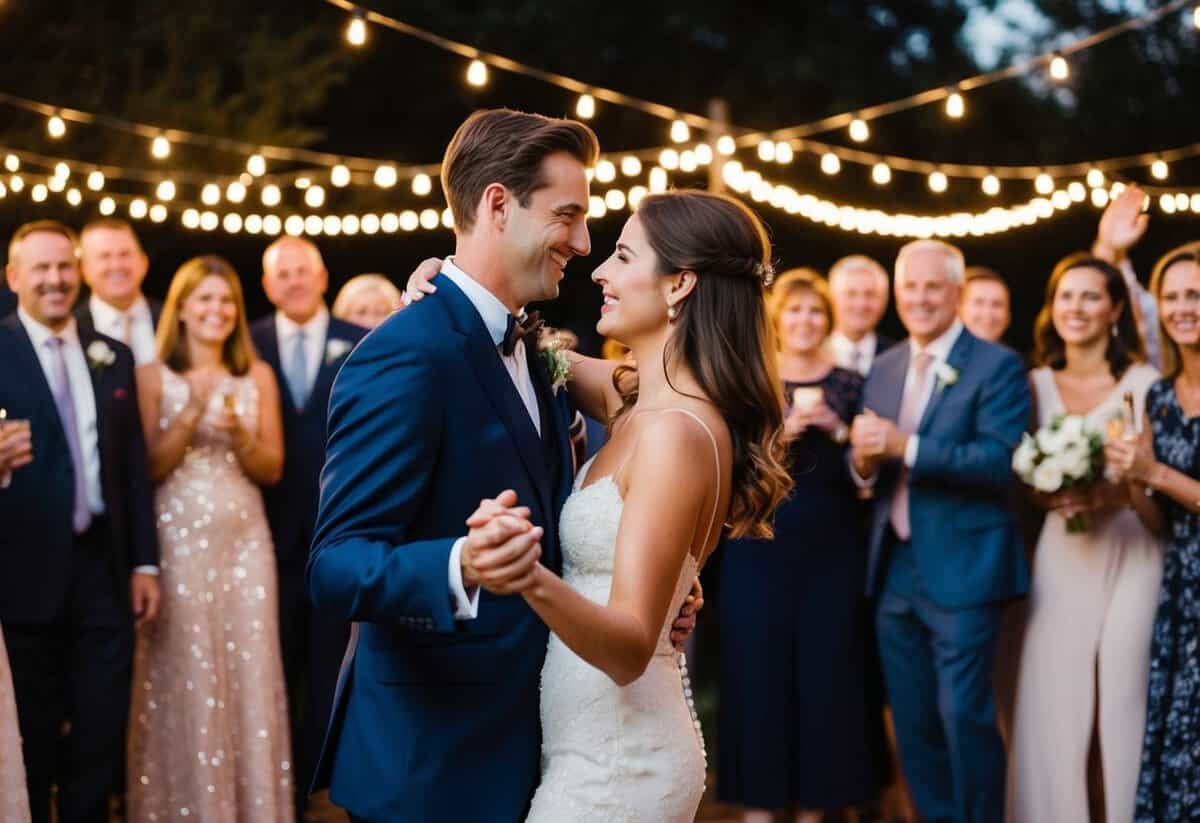
It’s essential to make your evening guests feel included in the festivities. By planning the grand entrance and sequencing evening highlights thoughtfully, you can create a vibrant atmosphere that encourages everyone to join in the celebration.
Making a Grand Entrance
Your grand entrance sets the tone for the evening. This moment typically follows the cocktail hour and can be an exciting way for newlyweds to make a memorable impression.
Consider walking in to your favorite song, creating an upbeat first moment. As you enter, invite your wedding party to join you. This creates a lively atmosphere that draws attention to the dance floor right away.
You may also want to share a special moment with your guests, like a toast, which helps to engage those who may have arrived later.
Sequencing the Evening’s Highlights
Planning the wedding day timeline is crucial for engaging your guests throughout the evening. After the grand entrance, follow up with activities that keep energy high.
For instance, moving from the cake cutting to the first dance encourages guests to transition smoothly from eating to dancing. This timing allows evening guests to participate fully. Be sure to keep your dance floor open for all, inviting guests to join in once you’ve had your first dance.
Adding a fun after-party later in the evening also keeps the celebration going. This extra time can be perfect for your guest list to mingle and dance, ensuring no one feels left out of the celebration.
Capturing Memorable Moments
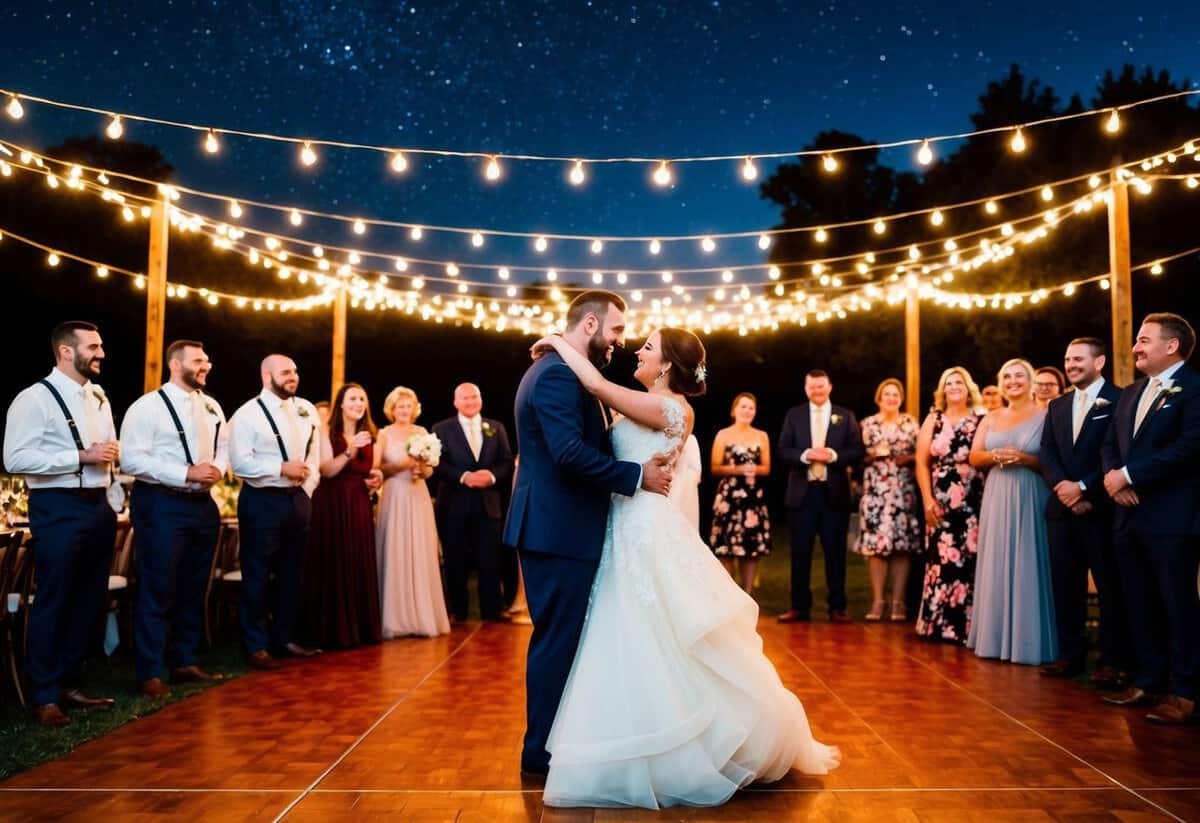
Your wedding day is filled with special moments that deserve to be cherished forever. Making sure these memories are captured well is essential. Key events like the first dance, cake cutting, and parent dances are just a few highlights you’ll want to ensure are photographed and filmed.
Photography During Key Events
Choosing the right photographer is vital to capturing important moments like your wedding first dance. You want someone who knows when to snap the perfect picture, especially during events like cake cutting, parent dances, and bouquet toss.
Ask your photographer if they provide close-up shots and wide angles. Close-ups will show emotions, while wide angles can capture the atmosphere. Be sure to communicate with them about important moments you want highlighted. This includes the father-daughter dance and the garter toss.
Check their portfolio to see if their style matches your vision. A good photographer can turn simple moments into lasting memories.
Videography and Live Streams
In addition to photography, consider hiring a videographer. Videography ensures that you can relive your wedding day through motion and sound. You can hear the laughter during the cake cutting or see the joy on everyone’s face during the dance segments.
Live streaming your wedding can also let friends and family who are unable to attend join in the celebration. This is especially useful for intimate parent dances or the anniversary dance.
Discuss with your videographer about capturing all key moments. Their experience can help create a wonderful timeline of your day, making it easy to watch later and share with loved ones.