
Do Florists Set Up Centerpieces? A Guide to Ensure Your Event Shines
When planning your wedding, you want everything to be perfect, and the centerpieces play a big role in setting the mood. A common question arises: Do florists often set up centerpieces? Yes, florists often set up centerpieces, ensuring that floral arrangements are placed just right for your special day. This not only saves you time but also guarantees that the flowers are arranged professionally.
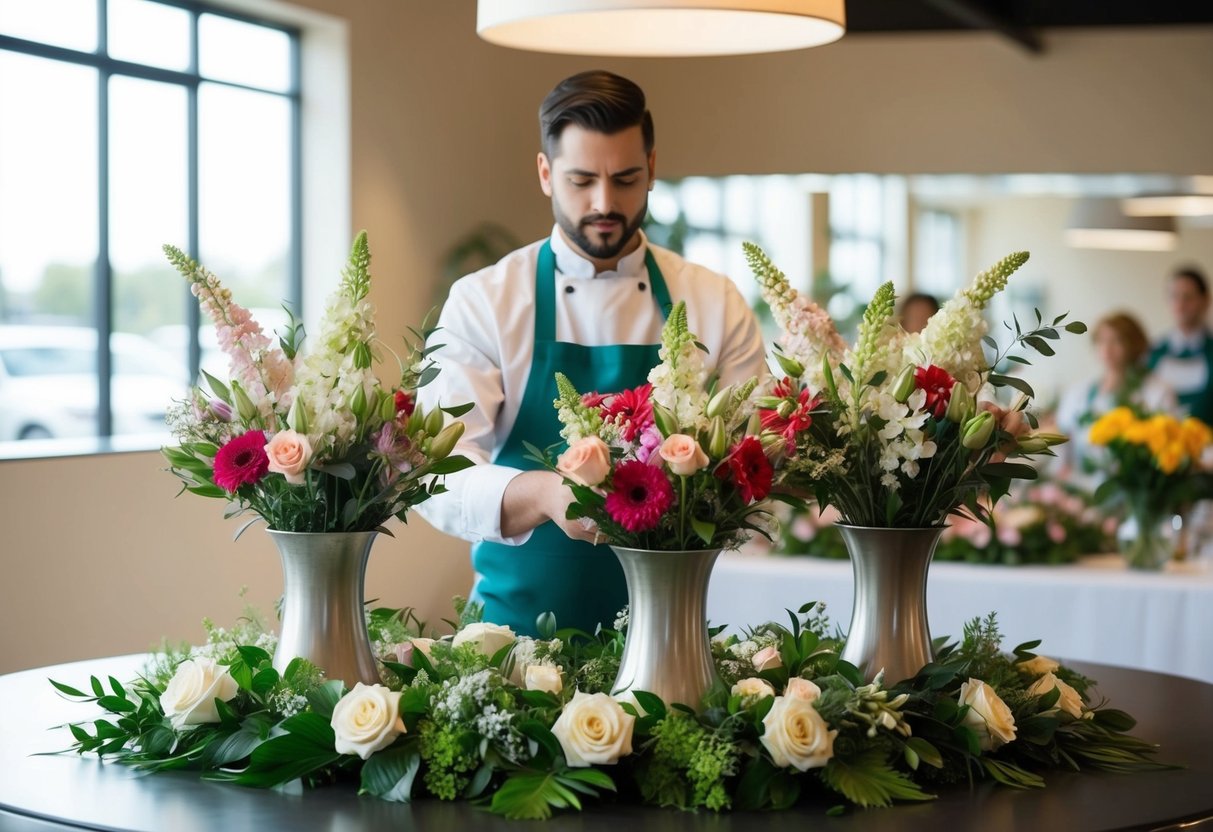
Talking with your florist about their services can help you feel more at ease. Many florists coordinate delivery and setup, allowing you to focus on enjoying the day rather than dealing with the details. In addition, they know how to handle floral arrangements, so everything looks stunning from the moment your guests arrive.
Remember, hiring a florist to set up your centerpieces can add a touch of elegance to your wedding and let you enjoy your celebration without stress. It’s all about making your wedding planning experience smooth and enjoyable.
Understanding the Role of a Florist
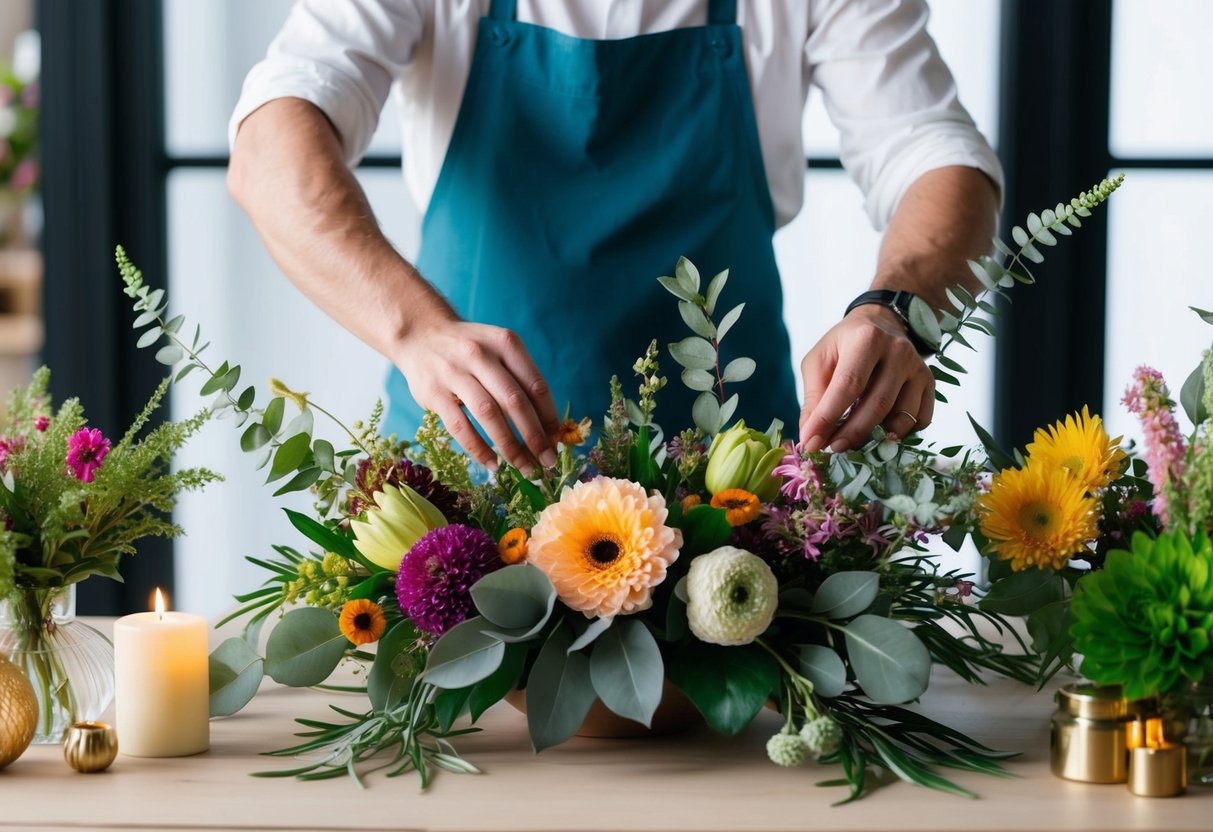
Florists play a key role in creating the perfect atmosphere for events, especially weddings. Their expertise in floral design enhances your special day through beautiful arrangements and setups. Here’s a look at the specific services they offer and the importance of their creations.
Services Provided by Professional Florists
When you hire a florist for your wedding, you gain access to a range of services. They provide different floral arrangements such as bouquets, boutonnieres, corsages, and centerpieces. Each piece is crafted to match your style and theme.
Florists also handle the setup of these arrangements at your venue. This saves you time and stress on your wedding day. They ensure everything is in the right place, from the ceremony to the reception. Some florists even offer delivery and pickup services.
Additionally, they consult with you on design choices. This includes color schemes, flower types, and trends in floral design to create a cohesive look. Their advice can make a big difference in achieving your desired aesthetic.
Significance of Floral Design in Weddings
Floral design is essential in setting the mood for your wedding. Beautiful arrangements make for stunning visuals that enhance the entire experience. Flowers often serve as a backdrop for pictures, making them a key part of your memories.
For weddings, floral designs can reflect your personality. Whether you prefer classic arrangements or modern styles, florists can adapt to your vision. For example, a romantic bouquet can be complemented by matching centerpieces and boutonnieres, creating harmony in the decoration.
Flowers also symbolize love and celebration, which adds meaning to your special day. Your choices in floral design can tell a story, making the event even more memorable for you and your guests.
Planning Your Floral Arrangements
Planning your floral arrangements is an important step in your wedding preparations. It involves choosing the right flowers, setting a budget, and ensuring they match your overall wedding style. Let’s explore how to make the best choices for your special day.
Selecting Your Wedding Flowers
Choosing the right wedding flowers sets the tone for your event. Start by making a list of your favorite flowers. Popular options include peonies, roses, hydrangeas, and dahlias. Think about seasonal blooms, as out-of-season flowers can be more expensive.
When deciding, consider the color palette that fits your wedding’s theme. Do you prefer soft pastels or bold colors? Mixing different shapes and sizes can add interest. For example, using mums and orchids can create a stunning contrast.
Visit local florists or browse online for inspiration. Collect images of arrangements that catch your eye. This will help you communicate your vision effectively.
Determining Your Floral Budget
Your floral budget plays a crucial role in what you can choose. Start by deciding how much you’re willing to spend. This should include all floral elements, such as bouquets, centerpieces, and decorations.
Consider allocating your budget according to priority. For example, you might want to spend more on the bride’s bouquet and centerpieces and less on ceremony flowers.
Research average costs in your area to avoid surprises. You can also ask your florist for cost-effective alternatives. Sometimes, using more foliage can reduce costs while still providing beauty.
Matching Flowers with Your Wedding Style
Your wedding’s style should influence your flower choices. Are you having a rustic, modern, or classic wedding? Each style pairs well with different types of arrangements.
For a rustic feel, think of wildflowers and greenery. Hydrangeas and dahlias fit nicely in casual settings. If you are going for elegance, consider roses arranged in sophisticated vases.
Keep in mind how flowers will look in photos. Bold colors can pop against a simpler backdrop. Ensure your flowers complement the color scheme of your decor. This attention to detail will help create a cohesive and beautiful look for your big day.
Logistics of Floral Setup at Your Venue
When planning floral arrangements for your event, understanding the logistics is essential. This includes coordinating with the venue and being aware of any fees associated with setup and breakdown. Here’s what you need to know.
Coordinating with the Venue
Start by reaching out to your venue as soon as possible. This will help you confirm details like the wedding date and space allocation for your arrangements. Discuss where you want your ceremony decor and reception centerpieces placed, including the head table, sweetheart table, and any additional tables like the welcome table and dessert table.
Ask the venue what time they allow setup. This ensures that flowers can be arranged in the reception space ahead of time. You’ll also want to confirm the number of guests to make sure there are enough arrangements. Finally, remember to inquire about any restrictions or specific guidelines from the venue around floral setups.
Understanding Setup and Breakdown Fees
Knowing about setup and breakdown fees is vital for your budget. Most florists will charge a setup fee that is separate from the cost of the floral arrangements. In some cases, there may be an additional setup fee if the setup requires more time or effort.
Make sure to discuss these fees early in the planning process. You’ll want to understand when the final payment is due and check the cancellation policy in case plans change. Being informed can prevent surprises and help your event run smoothly.
The Day of the Wedding
On your big day, the presentation of floral arrangements is crucial. You want everything to look perfect, from the bridal bouquet to the wedding centerpieces. Florists play an important role in making sure that your vision comes to life.
Final Touches on Wedding Florals
On the day of the wedding, florists arrive early to prepare the floral arrangements. They ensure that each piece, especially the bridal bouquet and centerpieces, is fresh and beautifully arranged.
They might adjust the placement of greenery and flowers to enhance your wedding style. If you chose specific colors or types of blooms for the season, the florists will double-check that everything matches your vision.
They’ll also handle any last-minute details, ensuring the flowers look stunning during the ceremony and reception. This attention to detail helps create an inviting atmosphere that reflects your personal style.
The Role of Florists During the Event
Florists do more than just deliver flowers. They may set up the centerpieces at the venue. This ensures each arrangement is positioned perfectly.
If you hired a wedding stylist or day-of planner, they often work closely with the florists to make sure everything runs smoothly. Having a professional florist on-site can make a big difference if there are unexpected changes or last-minute requests.
After the event, florists may also help with tear-down and disposal of floral arrangements. This service allows you and your family to focus on enjoying your special day without added stress.