
What is the Difference Between a Wedding Planner and a Day of Planner? Understanding Their Unique Roles
When planning your wedding, you might wonder about the roles of each type of planner. Wedding planners and day-of coordinators serve different purposes during the planning process.
A wedding planner helps you through the entire journey, from budgeting to vendor selection. Meanwhile, a day-of coordinator steps in closer to the wedding day to ensure everything runs smoothly.
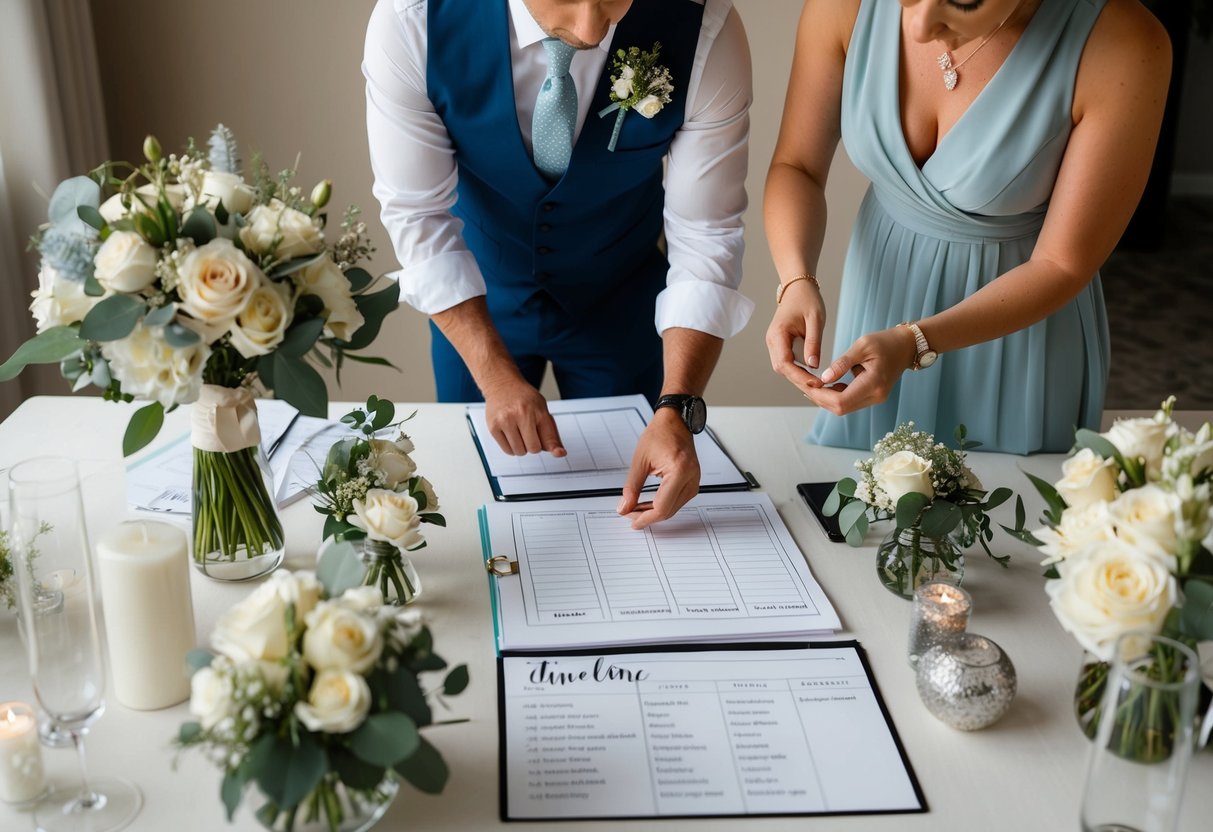
If you want guidance and support throughout the planning stages, a wedding planner is your best bet. They will be with you every step of the way, helping to make your vision a reality. In contrast, a day-of coordinator focuses on executing the plans you’ve already set in motion, allowing you to relax and enjoy your special day.
Understanding these differences can help you choose the right support for your wedding. Whether you need full planning assistance or someone to handle the details on the big day, knowing what each role entails can guide your decision.
Understanding the Roles
When planning your wedding, it’s important to know the differences between the roles of a wedding planner and a day-of planner. Each plays a unique part in making your special day run smoothly. Here are the details you’ll want to consider.
Role of a Wedding Planner
A wedding planner is your guide throughout the entire planning journey. They help you from the very beginning, assisting with budget creation, venue selection, and vendor communication.
A full-service wedding planner will work closely with you to develop your wedding vision. They can handle logistics like managing your timeline, organizing rehearsals, and coordinating vendors.
You can expect them to be involved from the early stages until the end of your wedding day. This support helps to ensure every detail aligns with your vision. As a result, you can enjoy your planning experience with less stress.
Role of a Day-Of Planner
A day-of wedding coordinator focuses specifically on the big day itself. Their job is to ensure everything runs smoothly once the celebration starts.
You’ll find they handle all final details, like confirming vendor arrivals and directing your wedding party. They are your go-to person during the event, ready to tackle any unexpected issues.
Having a day-of planner means you don’t have to worry about details; instead, you can enjoy your celebration. They provide peace of mind, allowing you to focus on having fun with your guests.
Pre-Wedding Preparations
Pre-wedding preparations are a crucial step in your wedding planning journey. This phase involves organizing initial consultations, selecting vendors, and creating a detailed timeline to ensure everything runs smoothly.
Initial Consultations and Planning
Your first step is to hold initial consultations with a wedding planner or coordinator. Here, you can share your vision and preferences.
It’s important to communicate your style, budget, and any specific ideas you may have. During these consultations, your planner acts as a project manager. They guide you through the planning process, helping you make informed decisions.
You’ll discuss your engagement, the overall theme, and any traditions you wish to incorporate. Having a clear understanding of what you want will help the planner create a personalized roadmap for your special day.
Vendor Contracts and Selection
Selecting the right vendors is essential to your wedding. This includes choosing a venue, caterer, photographer, florist, and more.
A wedding planner can help you navigate vendor contracts and selection with ease. Your planner will often have a list of trusted vendors they’ve worked with before.
They will assist you in reaching out to these vendors to check availability. Make sure to ask questions to find the best fit for your vision and budget. Once you’ve selected your vendors, your planner ensures that contracts are reviewed and finalized. This protects you and ensures all details are agreed upon before the big day.
Creating a Comprehensive Timeline
A comprehensive timeline is key to a successful wedding day. This timeline includes every aspect of your day, from when vendors arrive to when the ceremony begins.
Start by outlining the major events such as the ceremony, reception, and speeches. Your planner will help you fill in the gaps with smaller details like hair and makeup appointments or transportation times.
Having a detailed timeline ensures that everyone knows where they need to be and when. This reduces stress and allows you to enjoy your special day without worrying about the small stuff.
The Wedding Day
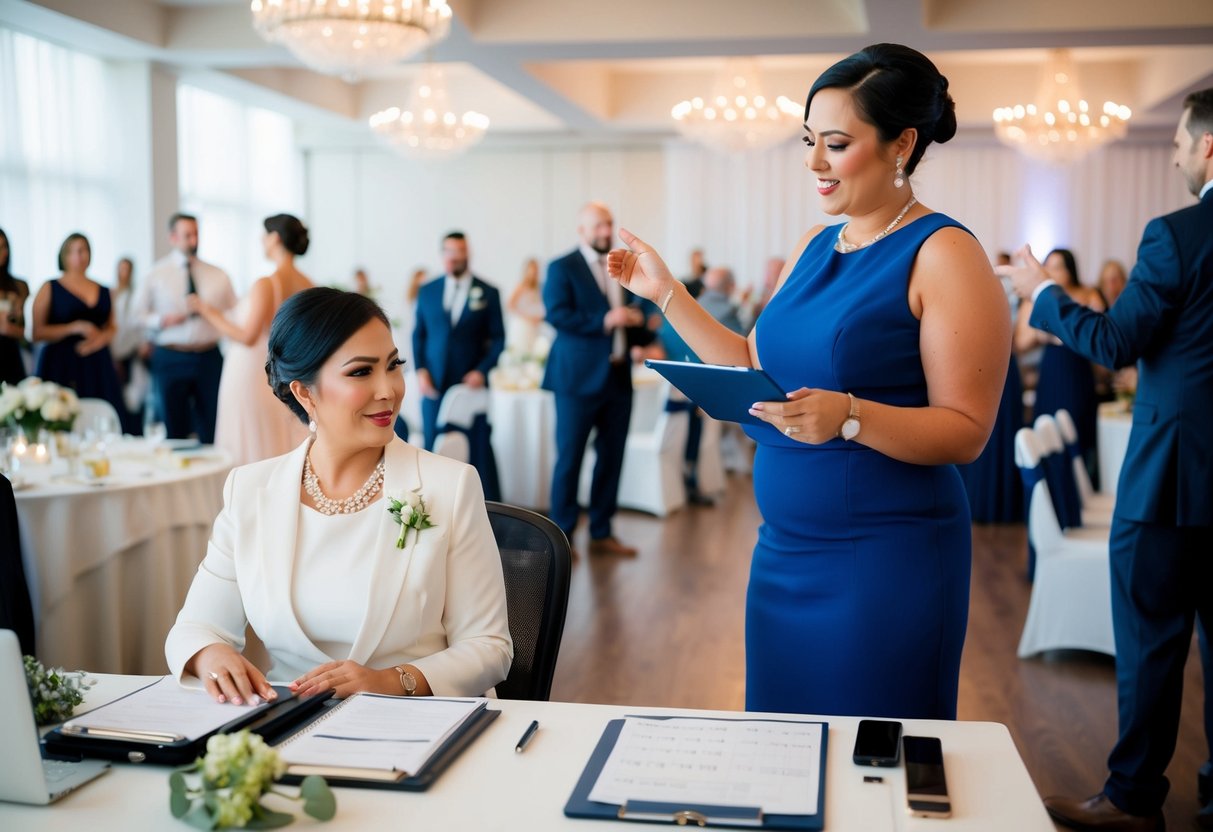
Your wedding day is a special event that requires careful management to ensure everything goes smoothly. A day-of coordinator plays a crucial role in handling details like vendor coordination and managing the timeline, allowing you to enjoy your big day without stress.
Coordinating Vendors and Guests
On your wedding day, a day-of coordinator manages all vendor interactions. They ensure every vendor arrives on time and sets up as planned. This includes the florist, caterer, photographer, and any entertainment.
Your coordinator checks off tasks from a detailed wedding day timeline. They confirm that each vendor gets the important information they need, like the guest list or special requests.
This allows you to focus on enjoying the day without worrying about logistics. Your coordinator is also responsible for greeting guests as they arrive. They help direct them to the right areas, ensuring a smooth flow from the ceremony to the reception.
With a dedicated coordinator, you can relax and savor the moments.
Executing the Wedding Timeline
The wedding day timeline is essential for keeping everything running on schedule. Your day-of coordinator ensures that every event happens at the right time, from the ceremony start to speeches and cake cutting.
They manage the duration of each activity and make adjustments when needed. For example, if the ceremony runs a little long, they can communicate with the DJ to adjust the music cues during the reception.
Additionally, the coordinator oversees the wedding rehearsal, reviewing the flow of events so everyone knows their roles. This preparation helps avoid any misunderstandings or delays during your wedding. With a seamless execution of the timeline, you can enjoy every moment of your special day.
Additional Considerations
When deciding between a wedding planner and a day-of coordinator, it’s important to think about your budget and design needs. Each option has its benefits, and understanding what each service provides can help you make the right choices.
Budget and Design Decisions
Your wedding budget plays a big role in this decision. Full-service wedding planners often cost more because they handle everything, from design to logistics.
If you have a larger budget, this option can ease stress and ensure everything is beautifully coordinated. With a day-of coordinator, you might save money since they focus on managing the day itself.
This choice is beneficial if you are organized and have already planned your wedding design. They can help with vendor referrals, like finding a photographer or florist, while keeping costs in check.
Think about what is most important to you in terms of design. If you want a specific theme, a full-service planner can help bring your vision to life.
If you already have a design in place, a day-of coordinator can ensure everything runs smoothly without the higher cost.
Choosing the Right Planner for Your Wedding
When choosing a planner, consider your specific needs. A full-service wedding planner is ideal if you want guidance from start to finish. They can help you navigate vendor selections and contracts, making the planning process easier for you.
If you’re more hands-on, a day-of coordinator might be better. They can step in closer to your wedding date, ensuring that your plans are executed perfectly. They’ll work with your venue coordinator to make sure everything is set up correctly.
Also, don’t forget to meet with potential planners. Ask about their experience with wedding vendors and how they can support your vision. This can be an important factor in making your wedding day memorable without any added stress.