
Do Flower Girls Go First? Understanding Their Role in Wedding Processions
Planning a wedding can be exciting yet overwhelming, especially when thinking about the details of your ceremony. You might wonder, flower girls typically walk down the aisle just before the bride in the wedding procession. This charming moment adds a playful touch and helps to set the tone for your special day.
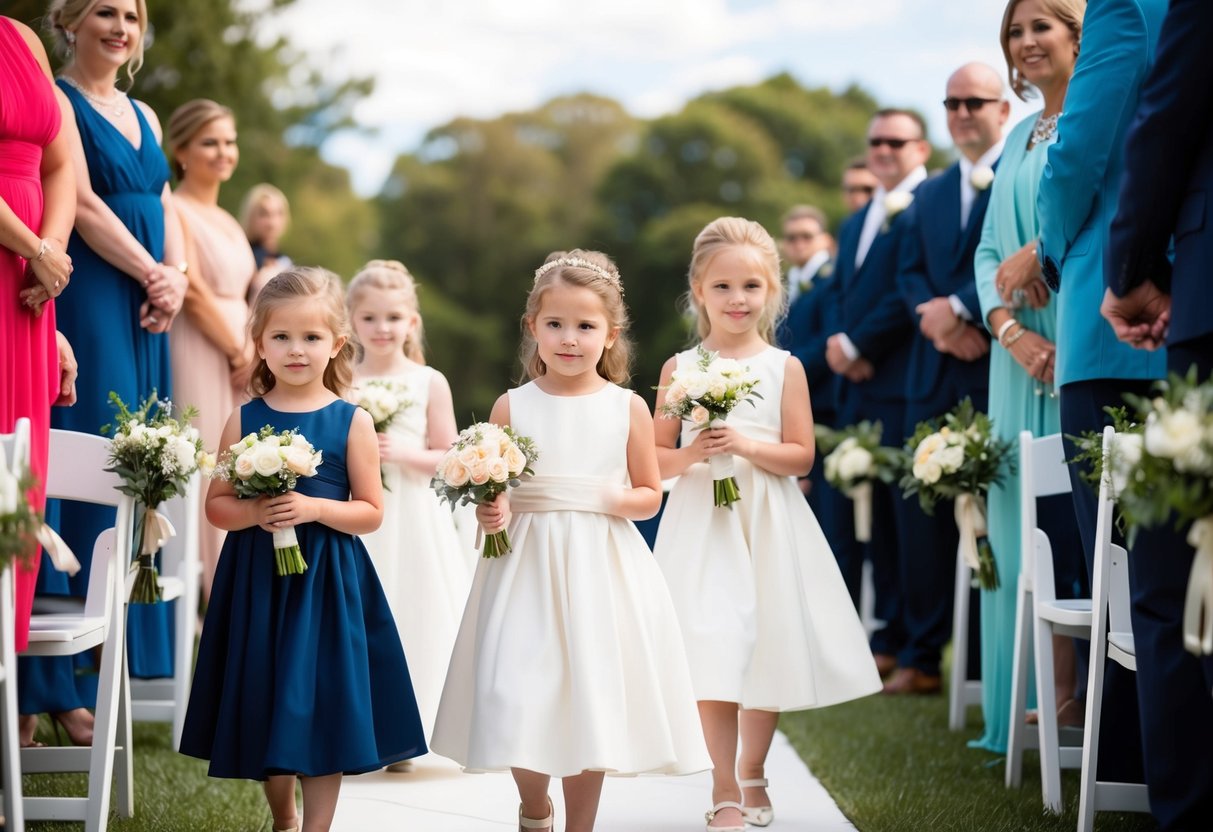
As you think about your processional, remember that each wedding may have its own unique order. Many couples choose to have their flower girl followed by the ring bearer, creating a sweet scene that guests will love.
Understanding how this fits into your overall wedding ceremony will help you create the perfect atmosphere.
It’s all about making your day personal and memorable. Whether your flower girl throws petals or carries something special, her moment in the spotlight adds to the joy of your celebration. By knowing where she fits into the processional, you can ensure this detail shines bright on your big day.
Understanding the Wedding Processional
The wedding processional is an important part of the ceremony that sets the tone for the celebration. It outlines who walks in and the order they follow. This can vary by culture and personal preference.
Order of the Processional
The processional order typically starts with the officiant, followed by the wedding party. In a traditional Christian wedding, the sequence usually goes like this:
- Officiant
- Groom
- Best Man
- Bridesmaids
- Maid of Honor
- Flower Girl
- Bride
In a Jewish wedding, the groom often walks in first, followed by the bridesmaids, and then the bride with both parents. Each culture may have its unique arrangements, depending on customs and individual preferences.
Roles Within the Wedding Party
Each member of the wedding party has a special role. You have the bride, who is typically the focus, making her grand entrance last. The groom stands at the front, eagerly awaiting her arrival. The best man supports the groom, while the maid of honor provides assistance to the bride.
Bridesmaids walk in pairs or single file, showcasing their dresses. The flower girl may carry petals or other items, charming the guests and setting a playful atmosphere. Groomsmen stand alongside the groom, ready to assist as needed.
Cultural Variations in Processional Orders
Cultural traditions greatly influence the processional order. In Hindu weddings, the groom often arrives first in a ceremonial procession called the “baraat,” which includes music and dancing.
In contrast, a nondenominational wedding may combine various traditions to fit the couple’s desires. Christian ceremonies generally follow a well-known format, while Jewish weddings embrace unique customs, such as the bride circling the groom.
Understanding these variations lets you plan a processional that reflects your style and beliefs.
The Role of Flower Girls in Weddings
Flower girls hold a special place in wedding ceremonies, acting as a charming presence that adds joy and beauty to the occasion. They are usually young children, often dressed in lovely outfits that match the wedding theme.
Flower Girl’s Duties
Your flower girl has a few key responsibilities that make her role important. Traditionally, she walks down the aisle before the bride, scattering flower petals to create a beautiful path. This is a sweet touch that symbolizes fertility and new beginnings, drawing from ancient wedding traditions.
While the main duty is to scatter petals, flower girls can also carry items like balloons or bubbles. It’s essential to ensure she feels comfortable and knows what to do. Rehearsals can help her practice walking down the aisle, making her feel more confident on the big day.
Her dress is usually designed to match the bride’s or the bridesmaids’, adding to the ceremony’s visual appeal. Keeping her role simple helps to make it enjoyable for her.
Choosing the Right Flower Girl
When selecting a flower girl, consider how well she can follow instructions and manage the attention she will receive. It’s often a role filled by a young girl, but you can also include a young boy if it fits your vision for the ceremony.
Choose someone you have a close relationship with, making it more meaningful. It’s essential that she feels excited about her role. This connection will help her perform her duties happily.
Make sure her dress is comfortable and easy to move in. This way, she can enjoy her special moment without feeling restricted. Keeping these points in mind will help create a lovely experience for everyone involved.
Key Figures in the Processional
In a wedding processional, several key figures play important roles that help to create a memorable entrance. Each person’s part is unique and adds to the overall experience of the ceremony.
Significance of the Ring Bearer
The ring bearer is often a young boy, usually a relative or close family friend. He is tasked with carrying the wedding rings, which symbolize the couple’s commitment. Traditionally, the rings are placed in a small pillow or decorative container.
As he walks down the aisle, his role adds charm and innocence to the moment. You may also notice the flower girl walking ahead of him, scattering petals, which sets a lovely scene.
This moment can be quite touching, as the ring bearer might be excited or shy, capturing the guests’ attention. The rings he carries are crucial for the ceremony, as they will be exchanged during the vows, solidifying the bond between the bride and groom.
Handing Off the Bride at the Altar
Before the bride approaches the altar, there is often a significant moment involving the father of the bride. Traditionally, he may walk her down the aisle, then hand her off to the groom.
This gesture represents the transfer of responsibility from the father to the husband. It is a meaningful moment that signifies the joining of two families.
As they reach the altar, you can feel the emotions of the day building. The officiant usually greets them, ready to lead the ceremony. This moment not only highlights the love between the bride and groom but also pays tribute to their families, especially the mother of the bride, who may be watching proudly from her seat.
Alternative Processional Structures
You can customize the order of who walks down the aisle. For example, some couples prefer having the bride’s grandparents walk first, followed by the groom’s grandparents. This honors family and creates a warm atmosphere.
In other situations, you might want to include junior bridesmaids or siblings in earlier positions. You could also arrange for ushers to lead the way right before the main wedding party.
If you’re having a Jewish wedding ceremony, consider a different procession with the wedding officiant leading under the chuppah. In some cultures, the baraat process is lively and filled with celebration. Your order of procession is flexible, allowing you to make choices that feel significant to you.